
Soups & Stews
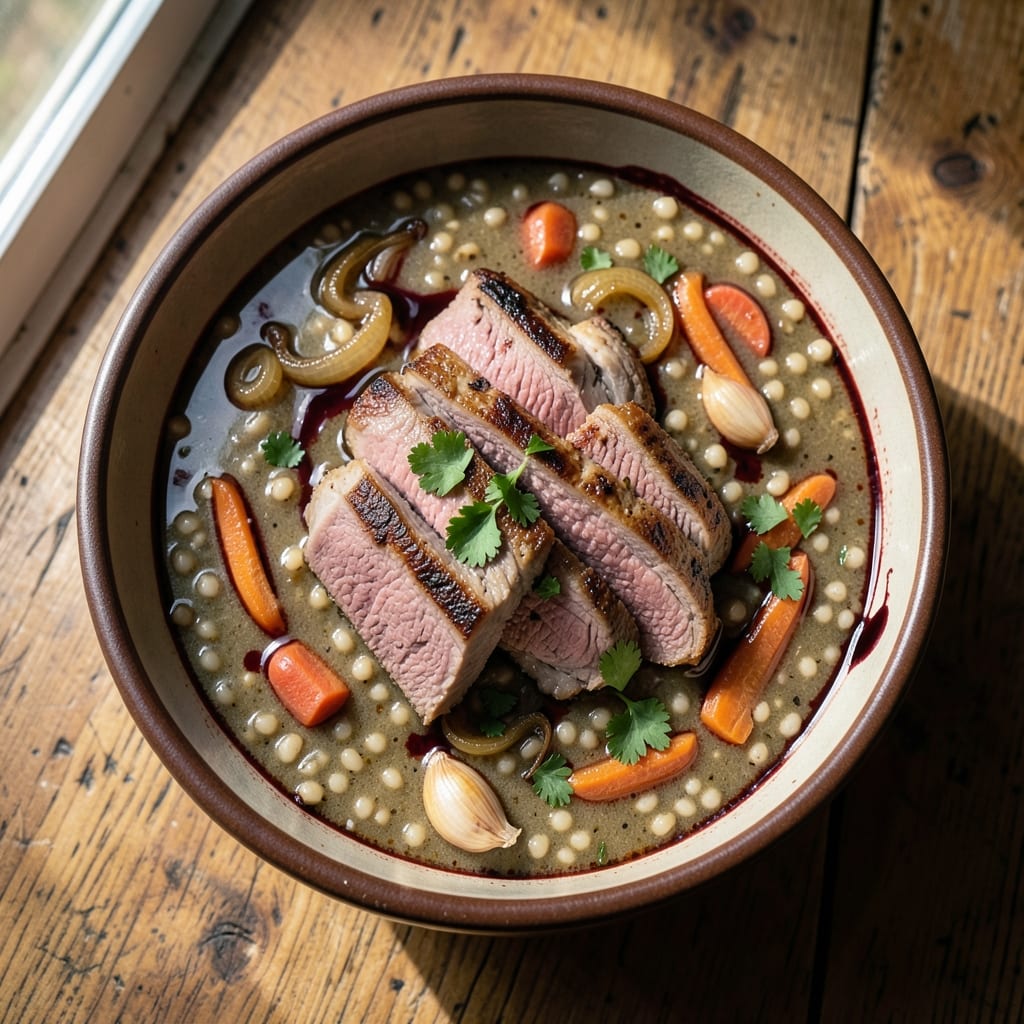
Transforming leftover roast beef into this beef barley soup is the ultimate culinary win—turning yesterday's dinner into today's hearty, comforting meal. The secret lies in caramelizing onions until deep golden, then layering in barley, herbs, and that rich roast beef for a symphony of savory flavors that simmer into perfect harmony. This one-pot recipe isn’t just efficient; it’s a flavor-packed masterpiece that proves leftovers deserve a second chance.
The beauty of this soup is in its simplicity and depth. You’ll start with slow-cooked onions and garlic, their sweet aroma filling your kitchen, then add barley for that satisfying chew and earthy flavor. The roast beef, shredded and tender, melts into the broth, creating a rich, velvety base that’s impossible to resist. Herbs like thyme and bay leaf infuse subtle layers of complexity, while a splash of red wine adds brightness and depth.
What you’ll end up with is a steaming bowl of one-pot richness—golden barley, tender beef, and a broth so flavorful it’ll have everyone asking for seconds. The texture is perfect: barley with just the right bite, beef that falls apart at the touch of a spoon, and a sauce that coats every bite. This soup is the kind of meal that feels like a hug on a chilly day, all while being surprisingly easy to make.
Serve it with crusty bread for soaking up every last drop or garnish with fresh parsley for a pop of color. The best part? You’ll have a restaurant-quality meal on the table in under an hour, with minimal cleanup. Let’s turn those leftovers into something extraordinary.
Ingredients for beef barley soup recipe with leftover roast
Leftover roast beef, caramelized onions, and chewy barley—this soup turns scraps into savory magic.
| Ingredient | Amount | Notes |
|---|---|---|
| Leftover Roast Beef 🥩 | 1 ½ lb | Shredded or chopped into bite-sized pieces |
| Yellow Onions 🧅 | 2 whole | Sliced into thin half-moons |
| Garlic Cloves 🧄 | 4 cloves | Minced for deep flavor |
| Pearl Barley 🌾 | 1 cup | Uncooked, rinsed well |
| Carrots | 3 medium | Peeled and sliced into rounds |
| Dry Red Wine 🍷 | 1 cup | Bold variety like Cabernet Sauvignon |
| Beef Broth 💧 | 4 cups | Homemade or quality store-bought |
| Tomato Paste 🍅 | 2 tbsp | Smooth texture preferred |
| Fresh Thyme 🌿 | 1 tbsp | Leaves only, chopped fine |
| Bay Leaves 🍃 | 2 whole | Removed before serving |
| Salt 🧂 | 1 ½ tsp | Kosher or sea salt |
| Black Pepper 🌶️ | ½ tsp | Freshly ground preferred |
| Fresh Parsley 🌿 | ¼ cup | Chopped for garnish |
| Olive Oil 🫒 | 2 tbsp | For caramelizing onions |
The roast beef is your flavor anchor—look for well-marbled, tender pieces that'll melt into the broth. Costco or Whole Foods often have high-quality pre-shredded beef, but if you're using a whole roast, trim off any fat and shred it yourself. Onions are non-negotiable here; yellow onions caramelize best, and you'll want to cook them low and slow until deep golden. Fresh thyme and bay leaves add layers of earthy depth—Penzeys or the bulk section at your grocery store are great for quality herbs. Barley's the star of texture—pearl barley works perfectly, but rinse it well to remove any dust.
No red wine? Substitute with extra beef broth plus 1 tbsp balsamic vinegar—it'll mimic that same rich depth. Fresh parsley is ideal for garnish, but dried parsley at half the amount works in a pinch. The carrots can be baby carrots if that's what you've got, but peeling and slicing whole carrots gives a more professional look. For tomato paste, Trader Joe's squeeze tubes are perfect—they're convenient and keep for months. If you're using dried thyme instead of fresh, cut the amount to one-third of what's listed. And trust me, don't skip the bay leaves—they're subtle but essential for that classic soup flavor.
This soup tastes even better the next day as flavors meld. Store it in an airtight container in the fridge for up to 5 days, or freeze portions for 3 months. I always double the recipe for lunches—portion into containers so you can grab and go. The barley thickens as it cools, so add a splash of broth when reheating. Garnish with fresh parsley right before serving to keep it vibrant. And if you've got crusty bread on hand, serve it immediately—nothing beats that combo.
Why You'll Love This Recipe
- Zero-Waste Hero: I swear by this for turning last night’s roast into today’s star—no sad leftovers in sight. Just chop the beef into chunks, toss it in with the barley and onions, and let the pot do the work. That crispy roast edge? It melts into the broth like a dream.
- Garlic Caramel Magic: Between us, the slow simmer of onions and garlic until they’re golden-brown? That’s where the real flavor happens. The barley soaks up all that sweetness, and the carrots add just enough bite to keep it from being too heavy. Honestly, I’ve had worse restaurant soups.
- Weeknight to Party Fix: This is my "oh no, we have guests" secret weapon. Double the batch, and you’ve got a potluck winner or a cozy family dinner covered—no stress, just hearty bowls of goodness. (Yes, even on a Tuesday night.)
- Budget Booster: Pearl barley’s cheap, roast beef stretches further than you’d think, and carrots last forever. I make this when my wallet’s tight, and no one ever complains. It’s the kind of meal that makes you feel like you’re eating fancy, even when you’re not.
Step-by-step instructions for beef barley soup with leftover roast
Transform your leftover roast into a hearty, comforting soup that's easy and efficient.
Caramelize Onions and Sauté Aromatics
Heat the 2 tablespoons olive oil in a large Dutch oven over medium heat. Add the 2 whole yellow onions sliced into thin half-moons and cook for 10-12 minutes, stirring occasionally. You're looking for deep golden brown color—the onions should be soft and sweet, not burnt. This step builds the soup's rich foundation.
When the onions are nearly caramelized, add the 4 cloves minced garlic and the 1 tablespoon finely chopped fresh thyme. Cook for 1-2 minutes until the garlic is fragrant and the thyme leaves release their aroma. You'll know it's ready when the garlic stops sizzling and smells heavenly—this prevents bitterness. Keep the heat at medium to avoid burning the garlic.
Brown the Beef and Add Vegetables
Push the onions and aromatics to one side of the pot and add the 1.5 lb shredded or chopped leftover roast beef to the empty space. Let it sear for 3-4 minutes until it develops a deep brown crust. This step adds incredible depth of flavor to your soup. Stir occasionally to ensure even browning.
Add the 3 medium peeled and sliced carrots to the pot, spreading them evenly. Stir everything together and cook for 3-4 minutes until the carrots begin to soften slightly. This ensures they'll cook through later without becoming mushy. The combination of beef, onions, and carrots creates a flavorful base for the soup.
Deglaze and Build the Flavor Base
Pour in the 1 cup dry red wine and scrape up any browned bits from the bottom of the pot with a wooden spoon. This deglazing step captures all those flavorful bits that would otherwise burn. Let the wine simmer for 3-4 minutes until it reduces by about half, intensifying its flavor.
Add the 2 tablespoons tomato paste and stir well to combine. Cook for 1-2 minutes until the tomato paste is fully incorporated and the mixture smells rich and savory. This step adds a subtle depth that balances the heartiness of the beef and barley. The tomato paste also helps thicken the soup slightly as it cooks.
Simmer with Barley and Broth
Pour in the 4 cups beef broth and add the 1 cup rinsed pearl barley, 1.5 teaspoons salt, 0.5 teaspoon black pepper, and 2 whole bay leaves. Bring the mixture to a boil, then reduce the heat to low and let it simmer uncovered for 40-45 minutes. You want the barley to absorb the liquid and become tender—this is when the soup transforms into a comforting, hearty dish.
Check the barley after 30 minutes—it should be tender but still have a slight bite. If the soup becomes too thick, add a splash of water or broth to maintain the right consistency. The bay leaves will infuse the soup with subtle aroma, so remove them before serving. Stir occasionally to prevent sticking and ensure even cooking.
Finish and Serve
Once the barley is tender and the soup has simmered for the full time, remove the bay leaves. Taste and adjust the seasoning if needed—you might want to add a pinch more salt or pepper to suit your preference. The soup should be rich, flavorful, and perfectly balanced.
Ladle the soup into bowls and garnish each serving with 0.25 cup chopped fresh parsley. The parsley adds a fresh, bright contrast to the deep, savory flavors of the soup. Serve immediately while hot, and enjoy the comforting, one-pot meal that makes the most of your leftover roast beef.
Pro Tips For Making Beef Barley Soup Recipe With Leftover Roast
- SHRED THE ROAST FIRST: Cut the leftover beef against the grain into ½-inch strips before adding it to the pot—this makes every bite tender without extra simmering. I used to toss in big chunks and wonder why the texture was chewy; now I just do this step while the broth heats up.
- SWEAT THE ONIONS LOW: Cook the onions in batches over medium-low heat until they’re translucent and starting to caramelize—about 10 minutes. Rushing this step means they’ll turn bitter, and the soup’s base flavor will suffer. (Yes, it’s tempting to crank the heat, but resist.)
- MEASURE BARLEY AFTER SOAKING: If using uncooked pearl barley, soak it in warm water for 30 minutes first, then drain before adding to the pot. This cuts cooking time by 20 minutes and keeps the texture creamy instead of mushy. I learned this after burning through three batches of overcooked barley.
- SALT THE WATER LIKE THE SEA: Add 1½ teaspoons of salt to the broth before the barley goes in—this guarantees the grains absorb flavor evenly. Skimping here means bland barley, and no one wants that. (Pro move: Taste the broth before adding the barley—adjust if needed.)
Perfect pairings for this recipe
Crusty Bread Pairing
A warm, crusty loaf of bread is non-negotiable with this soup. I recommend a baguette-style bread or sourdough—their sturdy crusts can handle the hearty broth while the soft interior soaks up every last drop. Toast it lightly with garlic butter (mix 2 tbsp softened butter with 1 minced garlic clove and a pinch of salt) for an elevated touch. The contrast of crispy bread against the creamy soup is pure magic. 🥖
Cheesy Garnish Options
Add a sprinkle of grated Parmesan cheese (about 2 tbsp per bowl) for a salty, umami boost. For something richer, try shredded Gruyère or fontina cheese—they melt beautifully into the soup when stirred in during the last 5 minutes of cooking. I also love crumbled blue cheese (like Gorgonzola) for a bold, tangy twist that cuts through the richness.
Herb-Fresh Accents
Fresh herbs elevate this soup instantly. Alongside the parsley, try chopped chives (about 1 tbsp per bowl) for a mild onion note or cilantro if you prefer a brighter, citrusy finish. A drizzle of lemon juice (about ½ tsp per bowl) brightens the flavors, especially if you're using a bold red wine in the recipe. The acidity balances the richness beautifully.
Wine and Beer Pairings
Since the soup already features red wine, pair it with a glass of the same variety you used in cooking—like a Cabernet Sauvignon or Merlot—to enhance the flavors. For beer lovers, a dark ale (such as Guinness or Samuel Adams Black Lager) complements the barley and beef perfectly. The malty sweetness and roasted notes mirror the soup’s depth. 🍷
Pickled Vegetable Contrast
Add a tangy crunch with pickled red onions or quick-pickled radishes. Thinly slice ½ small red onion and soak in ½ cup vinegar, 1 tsp sugar, and a pinch of salt for 15 minutes before serving. The acidity and crunch create a refreshing contrast to the rich, hearty soup. This is a game-changer for texture and balance.
Nutrition facts
Frequently asked questions
Can I use other types of barley besides pearl barley?
Pearl barley is ideal for this recipe because it holds its shape well while still becoming tender. However, you can substitute with wild rice blend (for a nuttier flavor) or short-grain brown rice (for a creamier texture). Just note that cooking times may vary—wild rice needs about 50 minutes while rice cooks in 30 minutes. Always check package instructions for specific guidance.
What if I don't have red wine? Can I use something else?
Skip the wine and use 1 cup beef broth plus 1 tablespoon balsamic vinegar for depth. Alternatively, try ½ cup tomato juice or ½ cup apple cider—both add acidity that brightens the flavors. The key is balancing richness with a touch of tang, so don't skip this step entirely. The wine adds complexity, but these substitutes work beautifully too.
How do I know when the barley is fully cooked?
Barley should be tender but still slightly firm with a slight bite—it shouldn't be mushy. Test it by tasting a small piece after 30 minutes of simmering. If it's still very firm, continue cooking for another 10-15 minutes. Overcooked barley turns pasty, which ruins the texture. The total cooking time is usually 40-45 minutes for pearl barley, but adjust based on your preference for doneness.
Can I make this soup in an Instant Pot or slow cooker?
Yes! For an Instant Pot, sauté the onions and beef first, then add all ingredients (including barley) and pressure cook for 12 minutes on high pressure. Let it natural release for 10 minutes before opening. For a slow cooker, combine everything (except fresh parsley) and cook on low for 6-7 hours or high for 3-4 hours
What's the best way to store and reheat leftovers?
Store leftovers in an airtight container in the fridge for up to 5 days or freeze for 3 months. To reheat, add a splash of water or broth to prevent thickening. Heat on the stovetop over medium-low heat until steaming hot, stirring occasionally. Microwave works too—just cover with a damp paper towel and heat in 1-minute intervals, stirring between each. The flavors actually improve overnight!