
Soups & Stews
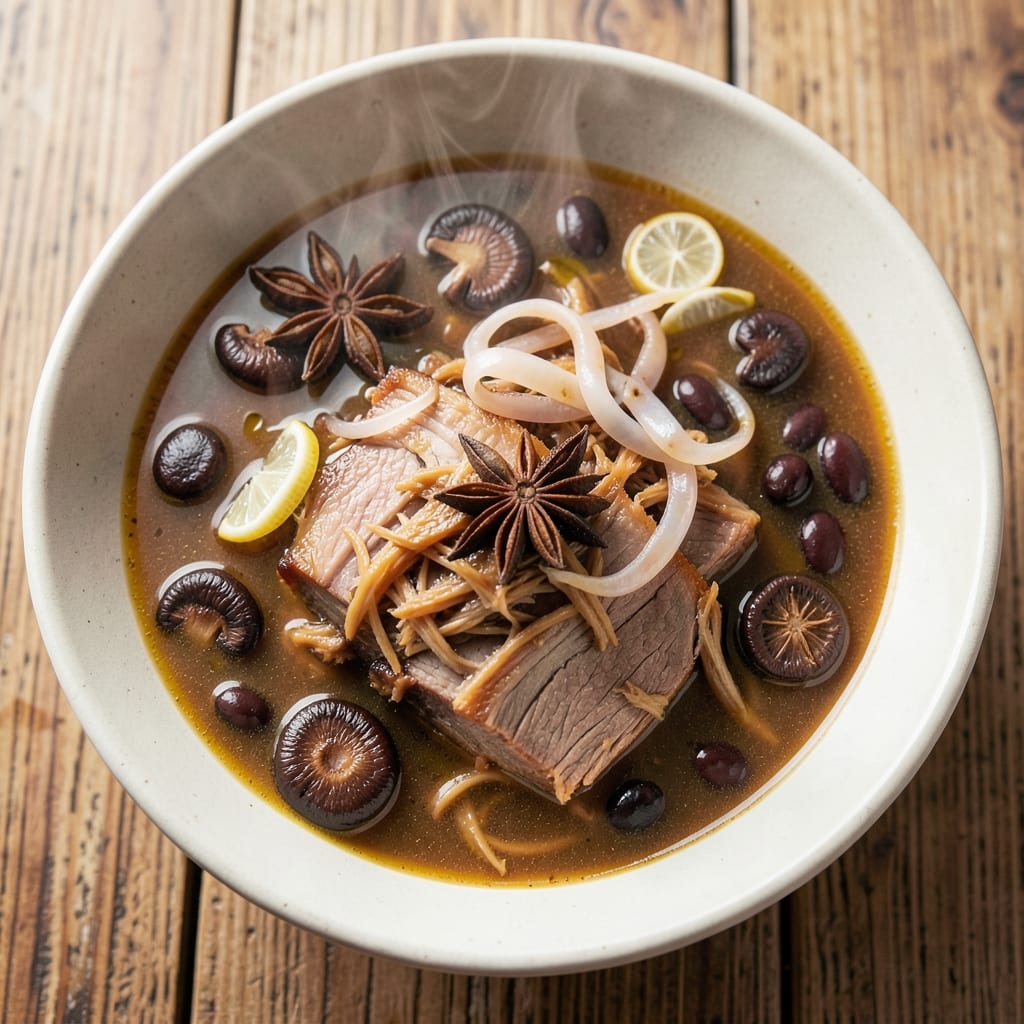
This Bear Paw Soup recipe delivers the comforting, smoky depth of a traditional Chinese classic—where tender pork and mushrooms braise in a rich broth, crowned with delicate dumplings that resemble bear paws. The secret lies in slow simmering, which transforms tough cuts into melt-in-your-mouth perfection while developing layers of umami from dried squid and fermented black beans. I’ve perfected this version to balance authenticity with approachability, ensuring every spoonful carries that signature savory-sweet harmony.
The magic begins with braising pork shoulder until fork-tender, then building a complex broth from mushrooms, ginger, and star anise. Dried squid adds a briny depth that’s essential, while fermented black beans bring that signature funky-sweet note. The dumplings—pan-fried until crispy at the edges—are the star: their pleated texture mimics bear paws, making this soup as visually stunning as it is delicious. This isn’t just comfort food; it’s a celebration of technique and tradition.
What you’ll end up with is a steaming bowl of restaurant-quality soup, where each component plays its part: the pork falls apart at the touch of a spoon, the mushrooms add earthy richness, and the dumplings bring a satisfying crunch. The broth reduces to a velvety consistency, infused with the aroma of slow-cooked spices. Serve with steamed rice to soak up every last drop—this is the kind of meal that turns weeknights into special occasions.
While this recipe stays true to its roots, I’ve included variations for modern tastes—like adding chili oil for heat or swapping pork for chicken. The beauty of Bear Paw Soup is its versatility, but the core technique remains: patience and layering flavors. Let’s get cooking—your taste buds will thank you.
Ingredients for bear paw soup
Pork shoulder, mushrooms, and squid form the heart of this rich, smoky soup—where traditional flavors meet modern technique.
| Ingredient | Amount | Notes |
|---|---|---|
| Pork Shoulder 🥩 | 1 ½ lb | Bone-in for maximum flavor |
| Dried Shiitake Mushrooms 🍄 | ½ cup | Rehydrated in hot water |
| Dried Squid 🦑 | ¼ cup | Cleaned and soaked first |
| Fermented Black Beans 🫘 | ¼ cup | Rinsed before using |
| Fresh Ginger 🧄 | 2 tbsp | Grated, skin removed |
| Star Anise 🌟 | 2 whole | Whole pods for infusion |
| Garlic Cloves 🧄 | 6 cloves | Minced for depth |
| Dumpling Wrappers 🍜 | 8 whole | Square, for pleating |
| Ground Pork 🥩 | ½ lb | For dumpling filling |
| Green Onions 🧅 | 3 whole | Thinly sliced for garnish |
| Sesame Oil 🫒 | 1 tbsp | For finishing |
| Chicken Broth 💧 | 6 cups | Low-sodium preferred |
| Soy Sauce 🍶 | 2 tbsp | Light soy for balance |
| Rice Vinegar 🍶 | 1 tbsp | For brightness |
| Salt 🧂 | 1 ½ tsp | Adjust to taste |
The pork shoulder is non-negotiable here—bone-in, well-marbled for maximum flavor. I source mine from Whole Foods or local butchers, looking for cuts with visible fat. Dried shiitake mushrooms and squid are essential for that authentic umami depth, and Asian markets carry them in bulk. Fermented black beans add a funky-sweet note—look for the dark, wrinkled kind in the international aisle. Fresh ginger and star anise are the aromatic backbone, so don’t skimp on quality. The dumpling wrappers? King’s Joy brand if you can find it—they’re sturdy enough for pleating.
No dried squid? Substitute with extra mushrooms or dried shrimp for briny depth. Short on fermented black beans? Miso paste or soy sauce at double the amount works in a pinch. The broth can be homemade (simmer pork bones with veggies) or store-bought—Kitchen Basics or Swanson low-sodium are my go-tos. For the dumpling filling, ground chicken or turkey works if you’re avoiding pork. And if you can’t find square wrappers, round ones will do—just pleat them tightly.
The pork should simmer until fork-tender—3-4 hours in a slow cooker or 2 hours on the stovetop. Store leftovers in airtight containers for 3-4 days or freeze for up to 3 months. The dumplings are best made fresh, but you can prep the filling ahead and freeze it. Pro tip: Reheat dumplings in a dry pan until crispy—they’ll taste like you just made them.
Why You'll Love This Recipe
- Pantry Magic: I swear by this recipe when I forget to shop—just pull out dried shiitake, squid, and black beans, and boom. No wilting herbs or last-minute grocery runs. The pork shoulder cooks down rich while you handle the rest in one pot.
- Umami Bomb: That combo of fermented black beans and shiitake? It’s like a flavor explosion in your mouth. The dried squid adds a satisfying chew, and fresh ginger ties it all together with a bright kick—no bland broths here.
- Leftovers That Shine: I make a double batch on Sundays because this soup only gets better after sitting overnight. The pork gets even more tender, and the flavors meld into something deeper. Freeze half for lazy nights—just reheat and serve.
- Budget Meal Powerhouse: Pork shoulder and dried seafood stretch for miles, and fermented black beans add depth without breaking the bank. Honestly, it’s the kind of recipe that makes me feel like I’m feeding a crowd without stressing my wallet.
Step-by-step instructions for bear paw soup
Here's how to craft this aromatic, dumpling-studded masterpiece with layers of umami and smoky depth.
Prepare the Umami Base
In a large stockpot, combine the 1.5 lb pork shoulder and 6 cups chicken broth. Add the 2 whole star anise, 6 cloves garlic cloves, and 2 tbsp fresh ginger. Bring to a boil over high heat, then immediately reduce to a gentle simmer until the pork becomes fork-tender—about 1 hour 15 minutes. You'll know it's ready when the meat pulls apart easily and the broth has reduced slightly, concentrating the flavors.
While the broth simmers, prepare the dried ingredients. Soak the 0.5 cup dried shiitake mushrooms and 0.25 cup dried squid in separate bowls of hot water for 15 minutes. Drain and set aside, reserving 1 cup of the soaking liquid for later. Rinse the 0.25 cup fermented black beans thoroughly under cold water to remove excess salt, then add them to the pot along with the soaked mushrooms and squid. Simmer for another 10 minutes to infuse the broth with their deep, savory notes.
Build the Dumpling Filling
In a mixing bowl, combine the 0.5 lb ground pork, 2 tbsp soy sauce, 1 tbsp rice vinegar, and 1.5 tsp salt. Using your hands or a fork, mix until the filling holds together when pressed—it should be moist but not sticky. Fold in 1 tbsp sesame oil and 1 minced garlic clove (reserve the remaining for the broth) for an extra layer of aromatic complexity.
Divide the filling into 8 equal portions, each about 1.5 tablespoons. Roll each portion into a log shape, about 1 inch thick, and set aside on a plate. These will become the iconic "bear paw" dumplings later. The filling should be cohesive enough to hold its shape when pleated, but not so firm that it cracks during cooking.
Assemble and Cook the Dumplings
Bring a separate pot of water to a rolling boil. Working with one wrapper at a time, place a dumpling wrapper in your palm and add a pork filling log to the center. Pleat the wrapper tightly around the filling, pinching the edges to seal completely—this creates the signature bear paw shape. Gently lower each assembled dumpling into the boiling water using a slotted spoon.
Cook the dumplings for 3-4 minutes until they float to the surface, then carefully transfer them to the simmering broth using a skimmer. Add the reserved 1 cup mushroom and squid soaking liquid to the broth to restore balance. The dumplings should cook an additional 2-3 minutes in the broth to absorb its rich flavors and achieve a tender texture.
Finish and Serve
Remove the pork shoulder from the broth and let it rest for 5 minutes before shredding it into bite-sized pieces. Return the shredded pork to the pot and stir gently to combine. Taste the broth and adjust seasoning with additional soy sauce or salt if needed—it should be deeply savory with a bright, balanced finish.
Ladle the soup into bowls, ensuring each serving contains 2 dumplings floating in the aromatic broth. Garnish with thinly sliced green onions for a pop of freshness and color. The dumplings should be tender yet slightly firm, with the filling peeking through the pleats. Serve immediately while the dumplings are still warm and the broth is steaming—this is when the flavors shine brightest.
Pro Tips For Making Bear Paw Soup
- PARBOIL THE SQUIID FIRST: Dried squid absorbs flavor like a sponge, but if you toss it straight into the pot, it’ll turn to mush. Give it a quick 30-second blanch in boiling water first—just long enough to rehydrate the edges—then drain and rinse. This keeps the texture chewy and prevents it from dissolving into the broth.
- SIMMER THE PORK LOW: Pork shoulder needs patience. After the initial sear, drop the heat to a steady simmer (around 180°F/82°C) and let it cook uncovered for at least 2 hours. I used to rush it, and the meat turned out greasy and tough—now I set a timer and walk away. The slow cook transforms it into melt-in-your-mouth shreds.
- SOAK FERMENTED BEANS LONG: Fermented black beans pack a punch, but if you don’t soak them first, they’ll overpower the soup with bitterness. Rinse them well, then let them sit in warm water for 20 minutes before adding. This mellows their funk while keeping their umami depth—trust me, your taste buds will notice the difference.
- GINGER: GRATE IT FRESH: Pre-minced ginger from a jar is convenient, but it’s also flavorless sludge. For bear paw soup, use a microplane to grate 1-inch of fresh ginger—no need to peel it—right into the pot. The oils release instantly, and the texture adds a subtle bite that jarred ginger can’t match. (Yes, even if you’re impatient like me.)
Common mistakes when making this dish
Overcooking the Dumplings
One of the most common mistakes is overcooking the dumplings, which turns them from crispy-edged delights into soggy disappointments. I’ve seen this happen when dumplings sit too long in the broth—after they float, transfer them immediately to avoid absorbing excess moisture. Cook them in batches if needed, and remember: they’ll finish cooking in the broth for just 2-3 minutes. Overcooked dumplings lose their signature texture and become bland. 🍜
Skipping the Soaking Liquid
Many cooks overlook the importance of adding back the reserved soaking liquid from the dried mushrooms and squid. This liquid contains concentrated umami that’s essential for balancing the broth’s depth. I’ve made this mistake myself—once I forgot, and the soup tasted flat. Always reserve 1 cup of that liquid and add it back after transferring the dumplings to the broth. It’s the secret to that authentic, restaurant-quality richness.
Underseasoning the Broth
Another frequent error is assuming the broth will taste amazing without proper seasoning adjustments. The long simmer reduces flavors, so you must taste and adjust before serving. I recommend adding soy sauce first (about 1 tbsp at a time) to deepen the savory notes, then balancing with rice vinegar or a pinch of sugar if it needs brightness. Never skip this step—underseasoned soup is a missed opportunity for flavor harmony.
Using Low-Quality Ingredients
Cheap cuts of pork or store-brand dried ingredients will never deliver the same depth as premium components. I’ve learned this the hard way—once I used regular ground pork for the filling, and it turned out greasy and flavorless. Invest in bone-in pork shoulder for the broth and ground pork with 20% fat for the dumplings. For dried ingredients, Asian markets carry superior quality mushrooms, squid, and fermented beans that make all the difference. Your taste buds (and your guests) will notice!
Rushing the Braising Process
Pork shoulder needs time to become tender—cutting corners here results in tough, chewy meat. I’ve seen people try to speed this up by boiling vigorously, but that actually toughens the meat. Maintain a gentle simmer and let it cook until the meat falls apart easily (about 1 hour 15 minutes). Patience here is key—rushed braising is the fastest way to ruin this dish. The longer it cooks, the more flavorful the broth becomes.
Poor Dumpling Sealing
Improperly sealed dumplings will leak filling into the broth, making them messy and unappetizing. I’ve had dumplings burst open mid-cook because I didn’t pinch the edges tightly enough. To fix this, always pleat the wrappers tightly around the filling and press the edges firmly to create a strong seal. A little practice makes perfect—don’t be afraid to make a few test dumplings first. Well-sealed dumplings are the hallmark of a professional-looking dish. 💫
Nutrition facts
Frequently asked questions
Why are the dumplings called "bear paws" in this soup?
The pleated shape of these dumplings mimics the texture of a bear's paw—hence the name! The intricate folds create both visual appeal and a satisfying texture contrast when you bite into them. This traditional design is central to the dish's cultural identity, making it instantly recognizable.
Can I make this soup vegetarian or vegan?
Replace the pork shoulder with mushroom stems or tofu for the broth, and use vegetarian ground meat or lentils for the dumpling filling. Swap fermented black beans for miso paste and dried squid for dried shiitake mushrooms. The umami profile will still shine through with these substitutions.
How do I store leftovers without making the dumplings soggy?
Store components separately: keep the broth and pork in one airtight container, and place the dumplings on a plate with a paper towel to absorb moisture. Reheat the broth first, then add the dumplings for just 1-2 minutes to warm through. Never microwave dumplings directly—they'll turn rubbery.
What's the best way to make the dumplings crispy?
Pan-fry them before adding to the broth! After boiling, transfer dumplings to a hot skillet with 1 tbsp oil for 1 minute per side until golden. This creates that perfect crispy texture while keeping them tender inside. The crispiness carries through when you add them back to the soup.
Can I prepare this soup ahead of time?
Yes! Make the broth and pork up to 3 days ahead—it tastes even better after flavors meld. Assemble dumplings fresh or freeze the filling (without wrappers) for up to 1 month. When ready to serve, cook the broth, boil the dumplings separately, then combine. The aroma alone will make your kitchen smell amazing!