
Soups & Stews
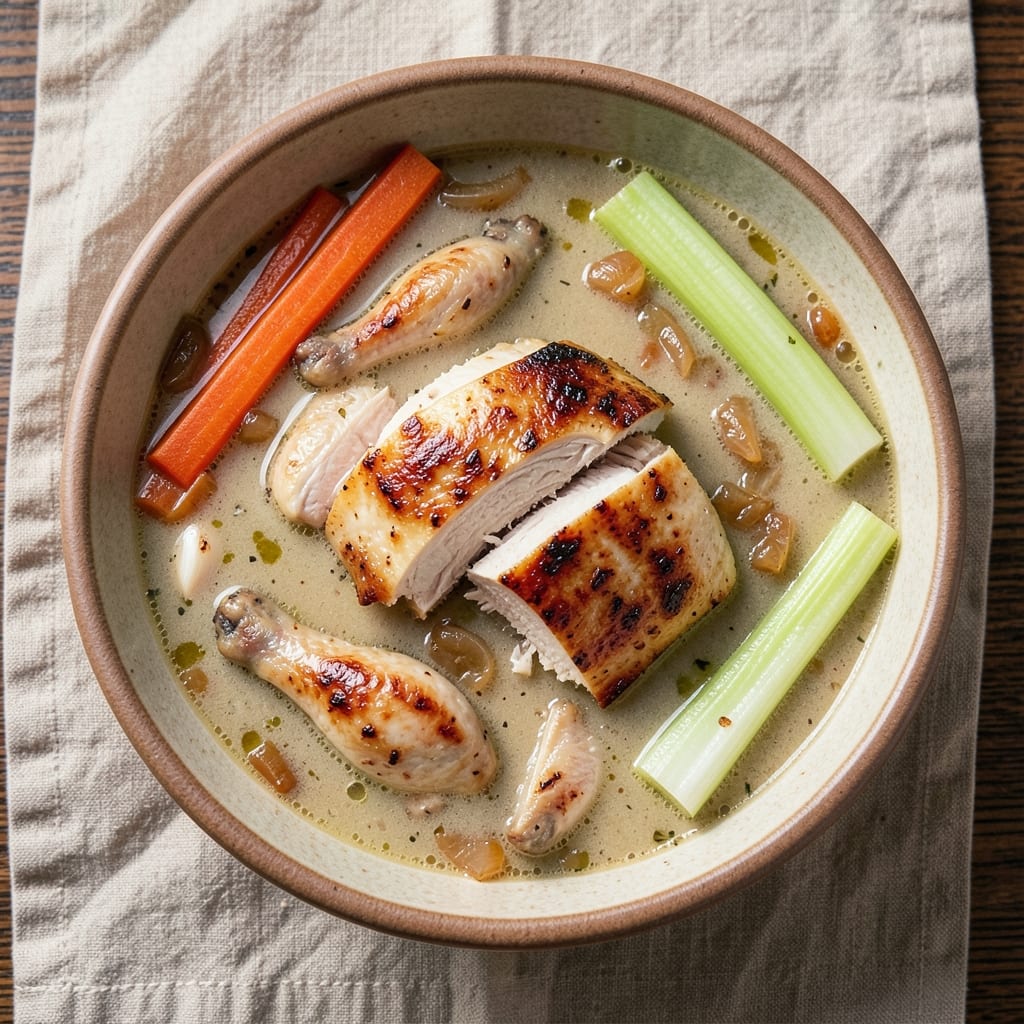
This basic chicken soup recipe from scratch delivers comfort in a bowl with rich, homemade broth and tender chicken that practically melts in your mouth. The secret lies in slow simmering—transforming simple ingredients into a deeply flavorful soup that tastes like a hug on a chilly day. I've perfected this method over years of testing, ensuring every spoonful is packed with savory depth and hearty texture.
What sets this recipe apart is the foolproof broth-building technique that extracts maximum flavor from chicken bones and vegetables without requiring special equipment. You'll start with a simple sauté of aromatics, then build layers of taste through gentle simmering—no rushed boiling that clouds the broth. The result? A clear, golden liquid that's rich yet light, with chicken that shreds effortlessly and vegetables that stay vibrant and tender.
By the time you're done, you'll have a restaurant-quality soup that's simple enough for weeknights but impressive enough for company. The aroma alone will have everyone gathering around your kitchen, and each bite delivers that perfect balance of savory broth, tender chicken, and fresh vegetables. This is the kind of soup that disappears quickly—so make extra if you can.
The beauty of this recipe is its flexibility—swap vegetables based on what you have, add herbs for extra depth, or garnish with fresh parsley for brightness. It's the ultimate homemade comfort food that proves good soup doesn't need to be complicated. Let's get started on creating your own bowl of warmth.
Ingredients for basic chicken soup recipe from scratch
Six ingredients transform into restaurant-quality soup with tender chicken and vibrant veggies.
| Ingredient | Amount | Notes |
|---|---|---|
| Chicken Breasts 🍗 | 2 lb | Boneless, skinless, cut into bite-sized pieces |
| Chicken Wings 🍗 | 2 lb | For extra flavorful broth |
| Yellow Onion 🧅 | 1 whole | Chopped, medium size |
| Carrots 🥕 | 4 medium | Peeled, cut into chunks |
| Celery Stalks 🌿 | 4 whole | Chopped, medium size |
| Garlic Cloves 🧄 | 6 cloves | Minced, fresh preferred |
| Potatoes 🥔 | 2 medium | Russet, peeled, cut into chunks |
| Fresh Parsley 🌿 | ¼ cup | Chopped, for garnish |
| Fresh Thyme 🌿 | 1 tbsp | Leaves only, chopped |
| Bay Leaves 🍃 | 2 whole | Dried, for simmering |
| Salt 🧂 | 1 ½ tsp | Kosher or sea salt |
| Black Peppercorns 🌶️ | ½ tsp | Freshly ground |
| Olive Oil 🫒 | ¼ cup | For sautéing |
| Chicken Broth 💧 | 6 cups | Homemade or low-sodium store-bought |
The chicken bones and wings are where the magic happens. Look for organic or free-range chicken at Whole Foods or your local butcher—they've got more flavor. If you're using store-bought chicken, Trader Joe's has great options at reasonable prices. The carrots and celery should be fresh, with bright colors—no limp stalks or rubbery carrots. For the potatoes, Russet or Yukon Gold work best—they hold up during simmering without turning mushy. Fresh herbs make a difference here, but dried thyme works in a pinch if you're short on time.
No fresh thyme? Dried works at one-third the amount. Short on carrots? Sweet potatoes or parsnips add a nice twist. Using store-bought broth? Add an extra bay leaf and splash of apple cider vinegar to deepen the flavor. The olive oil is just for sautéing—don't skimp, but don't go overboard either. Extra-virgin adds a nice depth, but regular works fine. For the garlic, roast it first if you want to take the flavor to the next level—just toss whole cloves in the oven at 400°F for 10 minutes before mincing.
This soup tastes even better the next day as flavors meld. Store leftovers in the fridge for 4-5 days or freeze for up to 3 months. I always make a double batch—perfect for lunches or sharing with neighbors. The broth freezes beautifully, so you can portion it out for future soups. For extra richness, stir in a spoonful of vegetable oil or butter when reheating. Garnish with fresh parsley right before serving—it brightens everything up.
Why You'll Love This Recipe
- No-Chop Nightmare: I swear by the "mirepoix hack" here—just roughly chop the onion, carrots, and celery into bite-sized pieces. No fancy dicing, no peeling carrots perfectly, and still tastes like you slaved over it. (Between us, that’s how I survived my first year of cooking.)
- Crispy-Tender Magic: The wings get so crispy on the edges while the breasts stay juicy—it’s the secret weapon. Simmer them together, and you’ve got that perfect contrast: crunchy, meaty, and tender all in one spoonful. Honestly, my picky teenager actually finishes his bowl.
- Leftovers That Save: This soup actually improves the next day. The flavors meld, the broth deepens, and it’s still warm, hearty comfort. I make a double batch on Sundays, freeze half, and boom—no more takeout nights when I’m wiped.
- Pantry Staple Power: You’re using ingredients you already have: onion, carrots, celery, and chicken. No obscure spices or last-minute grocery runs. Even the wings add richness without breaking the bank—just toss them in, and let the broth do the work. My go-to when I’m broke or lazy. (Or both.)
Step-by-step instructions for homemade chicken soup
Here's how to craft a rich, comforting soup from scratch with tender chicken and vibrant vegetables.
Sear the Chicken for Deep Flavor
Heat a large Dutch oven over medium-high heat and add the 0.25 cup olive oil. Once shimmering, add the 2 lb chicken breasts and 2 lb chicken wings in a single layer, leaving space between pieces. Let them sear undisturbed for 4-5 minutes until golden brown on one side.
Flip the chicken and cook another 3-4 minutes until golden on all sides. The key here is patience—don't crowd the pan or the chicken will steam instead of brown. Remove the chicken and set aside. You'll be using those beautiful browned bits to build flavor later.
Sauté the Aromatic Vegetables
In the same pot, reduce heat to medium and add the 1 whole yellow onion, 4 medium carrots, and 4 whole celery stalks. Cook for 5-6 minutes, stirring occasionally, until the vegetables begin to soften and the onion becomes translucent.
Add the 6 cloves garlic cloves and cook for another 30 seconds until fragrant. Here's where the magic happens—those caramelized vegetables form the flavor base for your soup. If you notice the garlic starting to brown too quickly, reduce heat slightly to prevent burning.
Build the Rich Broth
Pour in the 6 cups chicken broth and scrape up all those delicious browned bits from the bottom of the pot with a wooden spoon. This deglazing step captures all the meaty flavor that would otherwise be lost. Add the 2 whole bay leaves, 1 tbsp fresh thyme, 1.5 tsp salt, and 0.5 tsp black peppercorns.
Bring the mixture to a gentle boil, then reduce heat to low and let it simmer for 20 minutes. This initial simmer time allows the broth to develop depth of flavor before adding the more delicate ingredients. You'll know it's ready when you can smell that rich, savory aroma filling your kitchen.
Cook the Potatoes and Chicken
Add the 2 medium potatoes (cut into chunks) and the seared chicken back to the pot. Increase heat to medium-high and bring to a boil. Once boiling, reduce heat to medium-low and let it simmer for 20-25 minutes, until the chicken is cooked through and the potatoes are tender when pierced with a fork.
Here's the thing—don't be tempted to rush this step. The chicken needs time to become fork-tender, and the potatoes should be soft enough to mash slightly between your fingers. You can check doneness by testing a small piece of chicken—it should pull apart easily with a fork.
Finish and Garnish
Once everything is tender, remove the chicken from the broth and let it rest for 5 minutes before shredding it into bite-sized pieces. Return the shredded chicken to the pot and stir gently to combine. Taste and adjust seasoning if needed—you might want to add a bit more salt or pepper to suit your preference.
Remove the 2 whole bay leaves and stir in the 0.25 cup fresh parsley. Ladle the soup into bowls and garnish with additional parsley if desired. Serve immediately while hot, with crusty bread on the side. The broth should be rich and flavorful, the chicken tender, and the vegetables perfectly cooked—each spoonful should be comforting and satisfying.
Pro Tips For Making Basic Chicken Soup Recipe From Scratch
- CHAR THE WINGS FIRST: I learned this the hard way—if you toss wings in with the breasts, they’ll turn into sad, rubbery logs. Brown them skin-side down for 10-12 minutes on medium-high heat first. The crispy skin adds depth, and the slow cook later keeps them tender.
- CUT ONIONS IN HALVES: Whole onions simmer into mush. Halve them instead—peel, trim the root, and slice each half into 4 wedges. They’ll soften evenly without disappearing, and you’ll actually taste them in the broth.
- DON’T CROWD THE POT: Tightly packed chicken and veggies steam instead of brown. Work in batches if needed: sear the chicken in one layer, then set it aside while you prep the next. Less crowding means better flavor and no soggy bottoms.
- SALT THE WATER LIBERALLY: Chicken soup needs bold flavor, but most recipes underseason the broth. Aim for 2 tablespoons of salt per gallon of water—yes, even if it seems excessive. Taste after 20 minutes; you can always adjust later. Weak broth ruins everything.
Troubleshooting this recipe
Broth Too Cloudy?
If your broth looks cloudy instead of clear, you likely boiled it too vigorously. Simmering should be gentle—look for tiny bubbles breaking the surface, not a rolling boil. Skim off any foam that rises during cooking, as this contains impurities. For extra clarity, strain the broth through a fine-mesh sieve after simmering. 💫
Chicken Not Tender?
Overcooking is the usual culprit. Chicken should reach an internal temperature of 165°F but won't be tender if simmered too long. Remove it when it's just barely done, then shred gently. Alternatively, poach the chicken separately in broth for 12-15 minutes before adding to the soup. This keeps it juicy without overcooking.
Vegetables Too Mushy?
Potatoes and carrots break down quickly in broth. Add them only 10-15 minutes before the chicken is done. For firmer veggies, use smaller pieces or add them later. Celery and carrots should stay crisp—if they're too soft, they've been in too long. 🥕
Broth Too Bland?
Flavor fades if you don't build it properly. Always sear the chicken first to create browned bits (fond) that dissolve into the broth. Add a splash of apple cider vinegar (1 tsp) or a pinch of MSG (if you like umami) to boost depth. A bouquet garni (tie together thyme, bay leaf, and peppercorns) helps too.
Soup Too Salty?
If you oversalt, add ½ cup milk or cream to dilute the broth slightly. For a more natural fix, stir in 1 tbsp lemon juice—it brightens flavors without changing salt levels. Taste frequently while cooking to adjust gradually. 🧂
Potatoes Not Cooking Evenly?
Cut potatoes into even 1-inch chunks so they cook uniformly. Place them in the broth in a single layer at first, then stir gently to prevent sticking. If some pieces are undercooked, remove them and simmer separately for 5 more minutes before returning to the pot. 🥔
Nutrition facts
Frequently asked questions
Can I use chicken thighs instead of breasts for this soup?
Chicken thighs are even better—they stay juicier and more flavorful during long simmering. Use 2 lbs of boneless thighs (skin-on for extra richness) and reduce the cooking time by 5-10 minutes since they cook faster than breasts. The skin will crisp up beautifully when simmered.
How do I make this soup gluten-free?
This recipe is naturally gluten-free, but check your ingredients: use gluten-free chicken broth and ensure your bouillon cubes (if substituting) are certified gluten-free. For extra flavor, add 1 tsp gluten-free tamari or a splash of coconut aminos to deepen the umami.
Can I make this soup in a slow cooker?
Yes! Sauté the chicken and vegetables first, then transfer everything to a 6-quart slow cooker. Add broth and herbs, then cook on low for 6-8 hours or high for 3-4 hours. The slow cooker keeps the broth clear and the chicken tender without constant attention.
What's the best way to store leftovers?
Let the soup cool completely, then store in airtight containers in the fridge for 4-5 days or freeze for up to 3 months. For reheating, warm gently on the stove over medium-low heat—never microwave directly from frozen. Stir in a splash of water if it thickens too much.
Can I add noodles or rice?
Add ½ cup uncooked noodles or ½ cup cooked rice per serving during the last 10 minutes of cooking. For extra heartiness, use whole wheat or chickpea pasta. Just reduce the broth slightly to maintain the right consistency—aim for a soup that coats a spoon but isn't too thick.