
Soups & Stews
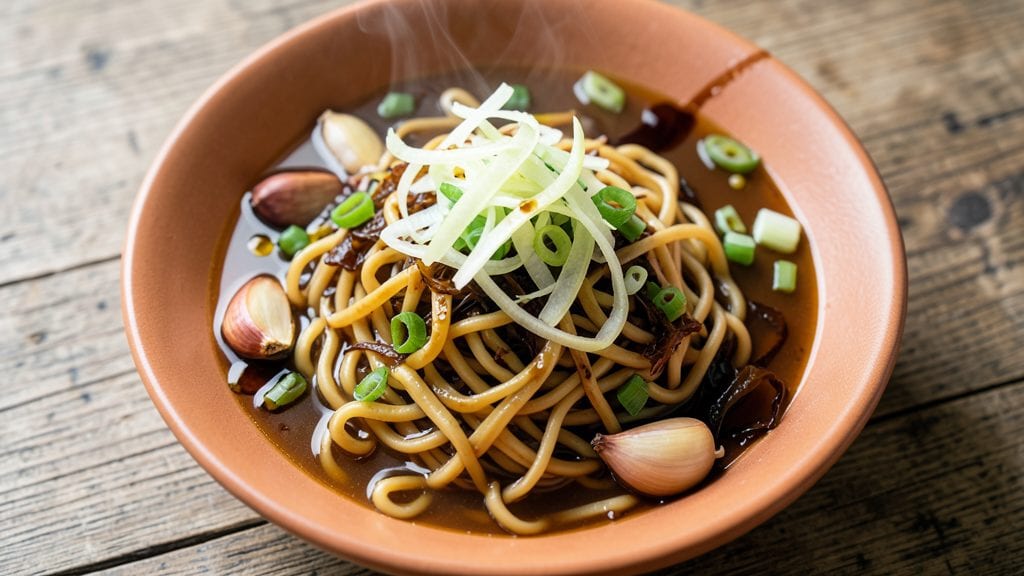
This basic Asian soup recipe delivers the comforting, umami-rich broth that defines home-style Asian dining—silky noodles floating in a deeply flavorful base that’s easier to make than you’d think.
The secret lies in balancing simple ingredients: aromatic ginger, garlic, and a splash of soy sauce create the foundation, while optional proteins and vegetables let you customize it for any meal. I’ve perfected this version over years of testing, ensuring every spoonful carries that restaurant-quality depth without requiring specialty ingredients.
The beauty of this soup is its versatility—it works as a light lunch, a hearty dinner starter, or even a healing meal when you’re under the weather.
The broth develops its signature richness through a 30-minute simmer, where ginger and garlic release their natural oils into the water, creating layers of warmth and complexity. For extra depth, I often add a small piece of kombu (seaweed) during simmering, though it’s entirely optional for beginners.
What you’ll end up with is a bowl of steaming, aromatic soup where tender noodles glide through a velvety broth infused with savory notes. The garnish—thinly sliced green onions and a drizzle of sesame oil—adds freshness and a final touch of brightness.
This recipe builds confidence in the kitchen, proving that even simple ingredients can create something extraordinary when combined with intention and technique.
Serve it as-is for a clean, vegetable-forward version or add proteins like chicken, shrimp, or tofu for a more substantial meal. The broth keeps well in the refrigerator for up to five days, making it perfect for meal prep. Let’s get started on crafting your own bowl of comfort.
Ingredients for basic asian soup
Simple ingredients that transform into restaurant-quality broth. Nothing fancy, just good stuff.
| Ingredient | Amount | Notes |
|---|---|---|
| Dried Egg Noodles 🍜 | 8 oz | Ramen-style or thin spaghetti |
| Fresh Ginger 🧅 | 2 tbsp | Finely grated, aromatic |
| Garlic Cloves 🧄 | 4 cloves | Minced, fresh preferred |
| Low-Sodium Soy Sauce 🍶 | 2 tbsp | Japanese or Chinese style |
| Sesame Oil 🫒 | 1 tbsp | Toasted, for finishing |
| Green Onions 🧅 | 3 whole | Thinly sliced, white/green parts |
| Chicken Breast 🍗 | 1 lb | Boneless, skinless, optional |
| Kombu Seaweed 🌿 | 1 piece | Optional, 4x6-inch sheet |
| Water 💧 | 6 cups | Filtered preferred |
| Salt 🧂 | ½ tsp | Adjust to taste |
| White Pepper 🌶️ | ¼ tsp | Freshly ground |
| Vegetable Oil 🫒 | 1 tbsp | For optional protein cooking |
| Shiitake Mushrooms 🍄 | 4 whole | Sliced, optional |
Ginger and garlic are the soul of this soup—fresh is non-negotiable (the dried stuff just doesn't cut it). Grab the ginger from the produce section, not the jarred version—it's usually cheaper and more potent. For garlic, peel and mince it fresh (no pre-minced garbage). The kombu is optional but adds that signature umami depth—find it in the Asian aisle at Whole Foods or Trader Joe's if you want to splurge. If you skip it, just add an extra splash of soy sauce. The noodles? Any dried egg noodles work, but ramen-style or thin spaghetti hold up best to the broth.
No chicken? Shrimp or tofu work perfectly—just adjust cooking time. Short on shiitake mushrooms? Baby bella or cremini mushrooms are great substitutes. The soy sauce matters here—low-sodium is key so you can control the saltiness. If you can't find low-sodium, use half the amount of regular and add salt to taste. The sesame oil is for finishing—toasted, not the cheap stuff—so a little goes a long way. Store-bought broth? Skip it—this homemade version is easier and way more flavorful.
This broth keeps for 5 days in the fridge, so make a double batch. The noodles reheat best if added fresh to hot broth—don't boil them again. For leftovers, store broth and noodles separately. Garnish with green onions and a drizzle of sesame oil right before serving—that's what makes it look restaurant-worthy. Freeze broth in ice cube trays for quick future meals. The kombu, if used, can be stored dry in the pantry for up to a year—just wrap it in a paper towel to keep it fresh.
Why You'll Love This Recipe
- No Fuss, No Stress: Honestly, this soup is my secret weapon for nights when I’m staring at a fridge full of random ingredients and zero motivation. The only prep work is grating that ginger and mincing garlic—no peeling mountains of veggies or standing over a stove for hours. The kombu and chicken do all the heavy lifting while you do whatever else needs doing (or, let’s be real, scroll through Instagram).
- Umami Overload: Between the kombu’s oceanic depth, the garlic’s sweetness, and the soy sauce’s savory punch, this broth is dangerously good. That final drizzle of sesame oil? It’s the cherry on top—nutty, warm, and just enough to make you want to lick the bowl. Trust me, the first bite will have you reaching for seconds.
- Double Batch Bliss: I make this soup once, but it’s always twice. The broth keeps for five days in the fridge, so I’ll have leftovers for lunch the next week. Swap in mushrooms one day, chicken the next—it’s that easy. Even my picky roommate, who refuses to eat anything green, begs for seconds when the sesame oil hits.
- Budget-Friendly Luxury: This isn’t the kind of soup where you’re shelling out for exotic ingredients. Dried noodles, a sheet of kombu, and a head of garlic? That’s a fraction of what takeout costs, but it tastes like you spent hours slaving over a wok. (Spoiler: I didn’t.)
Step-by-step instructions for umami-packed Asian noodle soup
Here's how to build a rich, aromatic broth that transforms simple ingredients into something extraordinary.
Build the Umami Base with Kombu and Chicken
Start by rinsing the 1 kombu seaweed sheet under cold water to remove any grit. Place it in a clean pot with the 6 cups water and bring to a boil over medium-high heat. Once boiling, reduce to a simmer and let it cook for 10 minutes—this draws out deep oceanic flavors.
While the kombu simmers, cut the 1 lb chicken breast into ½-inch cubes. Heat 1 tablespoon vegetable oil in a separate skillet over medium heat until shimmering. Add the chicken and cook for 5-6 minutes until just opaque in the center. The chicken doesn't need to be fully cooked yet—it'll finish in the broth.
Here's the thing—don't drain the chicken of its juices. Those golden bits packed with flavor are about to become your soup's foundation. Transfer the chicken to the kombu-infused water and add the ½ teaspoon salt and ¼ teaspoon white pepper. Let everything simmer together for 15 minutes until the chicken is fully cooked and the broth develops a rich, slightly cloudy appearance.
Infuse with Aromatics and Mushrooms
While the broth simmers, peel and finely grate the 2 tablespoons fresh ginger—you want it almost paste-like. Mince the 4 garlic cloves into tiny pieces. Add both to the pot and stir gently. The ginger will dissolve slightly, releasing its bright, zesty notes while the garlic adds sweet depth.
Slice the 4 shiitake mushrooms into thin strips. After the aromatics have simmered for 5 minutes, add the mushrooms and cook for another 4-5 minutes until they soften slightly but still maintain some texture. The mushrooms will absorb the broth's flavors while contributing their own earthy richness.
This is where the magic happens—I like to taste the broth at this stage. It should be deeply savory with hints of seaweed, ginger, and garlic. If it's not flavorful enough, don't worry; we'll boost it in the next step.
Balance and Finish the Broth
Remove the chicken from the broth and let it cool slightly before shredding it into bite-sized pieces with two forks. Set it aside. Pour the broth through a fine-mesh strainer into a clean pot, pressing gently on the solids to extract maximum flavor. Discard the kombu and aromatics.
Return the broth to medium heat and add the 2 tablespoons low-sodium soy sauce. Stir well and let it simmer for 3-4 minutes until the soy sauce is fully incorporated. The broth should now have a beautiful amber color and a complex, layered taste—savory, slightly sweet, with umami depth.
Here's a pro tip: If the broth tastes too light, add another ½ teaspoon soy sauce. If it's too strong, thin it slightly with ½ cup hot water. The goal is balance—each spoonful should sing with flavor without being overpowering.
Cook the Noodles and Assemble
Bring a separate pot of 6 cups fresh water to a rolling boil and add the 8 oz dried egg noodles. Cook according to package instructions—usually 3-4 minutes—until al dente. Drain and rinse briefly under cold water to stop the cooking process immediately. This prevents the noodles from becoming mushy in the hot broth.
Divide the cooked noodles among 4 bowls. Ladle the hot broth over the noodles, distributing the shredded chicken evenly. The broth should cover the noodles completely—if not, add a splash of hot water to the broth to stretch it out.
Finish each bowl with a drizzle of 1 tablespoon sesame oil and the 3 green onions, sliced thinly on the bias. The sesame oil adds a nutty aroma and slight heat, while the green onions provide a fresh, bright contrast to the rich broth. Taste and adjust seasoning—another pinch of soy sauce or white pepper can elevate the flavors.
Pro Tips For Making Basic Asian Soup
- Grate Ginger Like Paste: I used to grate ginger in lazy chunks, but this soup demands it almost dissolved—think fine, sticky paste. The more surface area, the faster it infuses the broth with that bright, zesty punch. Save the grated bits for stir-fries later.
- Simmer Kombu Longer: That 10-minute kombu simmer isn’t optional—it’s where the broth gets its oceanic depth. If you’re impatient, you’ll miss the subtle sweetness that makes the difference between "good" and "wow." Trust the process.
- Strain Broth Properly: Don’t just pour—press the solids gently with a spoon. That’s where the hidden umami lives, trapped in the kombu and aromatics. A fine-mesh strainer makes this easy, and your broth will taste richer without extra effort.
- Finish with Sesame Oil Last: Adding sesame oil early kills its aroma. Drizzle it right before serving—just a tablespoon per bowl—to wake up the flavors with that nutty, toasty kick. It’s the difference between "meh" and "I’d eat this every night."
Serving suggestions for this recipe
Bowl Presentation
I always arrange the noodles in a loose, swirled pattern at the bottom of each bowl before pouring the broth over them. This creates a visually appealing base that makes the soup look more restaurant-style.
Use a spoon to gently mound the noodles in the center, then ladle the broth from the back of the pot to create a cascading effect. This simple trick adds dimension and makes your bowl look intentional and inviting. 🍜
Garnish Like a Pro
Fresh green onions sliced thinly on the bias are my go-to garnish—they add both color and a crisp texture contrast. For extra flair, sprinkle with toasted sesame seeds (about 1 teaspoon per bowl) or a few chopped cilantro leaves for brightness.
I like to arrange the garnishes in a decorative cross at the top of the bowl before serving—it makes the dish look like it came from a high-end eatery. 🌿
Broth Temperature Matters
Serve your soup with steaming-hot broth—it should feel warm to the touch when you pick up the bowl. If the broth cools too quickly, cover the bowls with a clean towel for 2-3 minutes while you serve.
This helps maintain that comforting, restaurant-quality temperature. I also recommend using heatproof bowls—I love my Le Creuset stoneware for this exact reason. The ceramic holds heat beautifully and feels great against the skin. ❄️
Protein Placement Tips
For the most balanced presentation, distribute the shredded chicken (or your protein of choice) evenly across the noodles before adding the broth. This ensures every spoonful gets a mix of flavors and textures.
If using mushrooms, arrange a few slices on top of the noodles for visual contrast—their earthy tones stand out against the golden broth. 🍗
Sauce Drizzle Technique
The sesame oil finishing drizzle should be done just before serving—about 1 tablespoon per bowl. Use a squeeze bottle or small spoon to create thin, even lines across the top.
For extra richness, mix 1 teaspoon soy sauce with ½ teaspoon honey and drizzle that instead. This sweet-savory combo elevates the dish beautifully. 💛
Family-Style Serving
For shared meals, I recommend serving the soup family-style in a large ceramic bowl or cast-iron skillet. Place the noodles and broth in the center, then let everyone serve themselves.
This creates a cozy, communal dining experience that's perfect for gatherings. Add a bowl of steamed bok choy or pickled vegetables on the side for extra crunch and color. 👨👩👧👦
Nutrition facts
Frequently asked questions
Can I make this soup without kombu?
The kombu adds that signature oceanic depth, but it’s optional! Skip it and just boost the flavor with an extra ½ teaspoon soy sauce during the final simmer. The ginger and garlic will still create a rich base—you’ll just miss that subtle umami complexity.
What’s the best way to store leftovers?
Keep the broth and noodles separate—store broth in an airtight container for up to 5 days in the fridge. When ready to eat, reheat the broth first, then add fresh noodles cooked in hot water. This keeps the noodles from turning mushy. For extra convenience, freeze broth in ice cube trays!
Can I use frozen shrimp instead of chicken?
Thaw shrimp first, then sauté them in 1 tablespoon vegetable oil for 2-3 minutes until just pink. Add them to the broth during the final 15-minute simmer—they’ll cook through perfectly. Toss in a pinch of extra white pepper for that classic Asian kick.
Why do you rinse the noodles after cooking?
Rinsing briefly under cold water stops the noodles from overcooking in the hot broth, preventing them from turning slimy. It’s a game-changer for texture! Just drain well and add them fresh to the hot soup. This keeps every bite silky and restaurant-quality.
How do I adjust the broth if it’s too salty?
No stress—simply dilute it with ½ cup hot water and let it simmer for 2-3 minutes to rebalance. If you’re worried about thinning the flavor, add a splash of 1 tablespoon vegetable broth instead. Taste as you go—it’s easy to fix!