
Soups & Stews
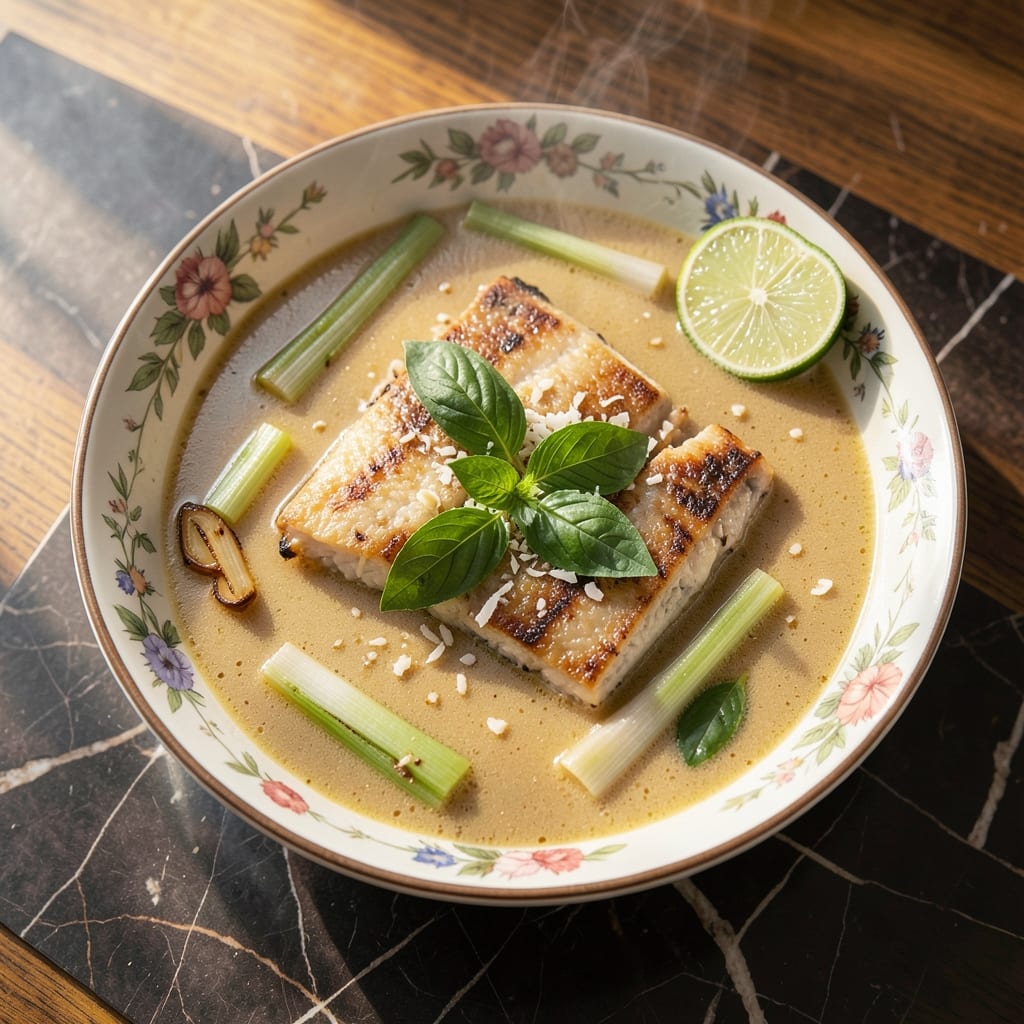
This basa fish soup recipe transforms simple ingredients into a fragrant, aromatic masterpiece that balances heat, brightness, and umami in every bowl. The secret lies in the slow-simmered broth, where lemongrass and galangal infuse the liquid with their signature tropical warmth, while the mild basa fish absorbs the flavors without overpowering them. I developed this recipe after years of experimenting with Southeast Asian soups, refining it until the broth achieves that perfect harmony of tangy, spicy, and herbal notes.
The foundation of this dish is the broth—rich yet light, with just enough depth to make it feel luxurious. You'll start by sautéing aromatic spices in coconut oil until they release their oils, then simmering them with fish stock, lime juice, and a touch of sugar to balance the flavors. The basa fish is added last, cooking just long enough to become tender and flaky while maintaining its delicate texture. This isn't just a soup; it's a complete meal with layers of complexity that keep you reaching for seconds.
What makes this recipe stand out is its versatility—it works as a comforting weeknight dinner or an impressive dish for guests. Serve it steaming hot with a sprinkle of fresh herbs, a squeeze of lime, and a side of jasmine rice to soak up every last drop of that fragrant broth. The fish stays moist and flavorful, while the aromatics create an inviting aroma that fills your kitchen long before the soup is ready. This is the kind of recipe that turns a simple ingredient like basa into something extraordinary.
For those who love to experiment, you can easily adapt this base recipe into other styles—add a splash of fish sauce for a Vietnamese-inspired canh chua, or stir in chili paste for a Thai-inspired kick. The possibilities are endless, but the core technique remains the same: build a flavorful broth, cook the fish gently, and let the aromatics shine. Let's get started on creating a soup that feels like a warm embrace in a bowl.
Ingredients for basa fish soup
Fragrant lemongrass and galangal create the aromatic soul of this basa fish soup.
| Ingredient | Amount | Notes |
|---|---|---|
| Basa Fish Fillets 🐟 | 1 ½ lb | Skin-on for better texture |
| Lemongrass Stalks 🌿 | 4 whole | Bruised and cut into 2-inch pieces |
| Galangal Slices 🌿 | 3 oz | Fresh, peeled and sliced thin |
| Coconut Oil 🫒 | ½ cup | Unrefined for authentic flavor |
| Fish Stock 💧 | 4 cups | Homemade or high-quality store-bought |
| Lime Juice 🍋 | ¼ cup | Freshly squeezed, seeds removed |
| White Sugar 🍚 | 1 tbsp | Balances acidity, adjust to taste |
| Garlic Cloves 🧄 | 4 cloves | Minced for aromatic depth |
| Shallots 🧅 | 2 whole | Thinly sliced, about 0.5 cup |
| Fresh Thai Basil Leaves 🌿 | ½ cup | Torn for garnish, not stems |
| Red Chili Peppers 🌶️ | 2 whole | Thinly sliced, adjust for heat |
| Fish Sauce 🍶 | 2 tbsp | Red Boat brand preferred |
| Jasmine Rice 🍚 | 1 ½ cups | Uncooked, for serving |
| Kaffir Lime Leaves 🍋 | 2 whole | Bruised for intense aroma |
The galangal and lemongrass are non-negotiable for that signature Southeast Asian warmth. Asian markets carry the freshest versions—look for galangal with tight, unblemished skin and lemongrass that's still vibrant green. The Red Boat fish sauce is worth the investment; cheaper brands can taste overly salty or metallic. For the broth, homemade fish stock elevates the dish, but Kirkland Signature or Pacific Foods brands work in a pinch. If you can't find fresh galangal, ginger works at half the amount—though purists will notice the difference.
No fresh lemongrass? Lemon zest plus a pinch of ginger mimics some of its brightness, but it won't replicate that complex herbal note. The fish fillets should be center-cut for even cooking—ask your fishmonger for basa labeled 'whole fillets' if possible. For extra depth, toast the kaffir lime leaves lightly in a dry pan before adding to the broth. The Thai basil is crucial for that signature aroma—regular basil won't cut it. If you can't find it, cilantro plus a dash of Thai basil paste (found in Asian markets) works as a backup. The coconut oil should be unrefined and lightly toasted—heat it gently in a pan for 30 seconds to deepen the flavor.
This soup tastes even better the next day as the flavors meld. Store the broth separately from the fish in the fridge for up to 3 days—reheat gently and add fresh fish when serving. The galangal and lemongrass can be prepped ahead and stored in a sealed container in the fridge for 5 days. For a freezer-friendly version, cook the broth without the fish, then freeze in portions. When ready to serve, thaw and add fresh fish that's been seared in coconut oil first for extra flavor. The jasmine rice should be cooked just before serving to prevent sogginess—steam it separately and keep warm in a rice warmer.
Why You'll Love This Recipe
- No-Chop Night: I swear by this when I’m too tired to julienne galangal. Just smash the slices with the side of my knife—no knife skills required—and toss them straight into the coconut oil. The soup still tastes like it simmered for hours, not 20 minutes.
- Lemongrass Magic: That first whiff of lemongrass and galangal in the oil? It’s like a warm hug for my taste buds. The basa soaks up the citrusy, peppery notes without overpowering the broth—just enough to make you want to slurp it straight from the pot.
- Leftovers That Don’t Suck: Between us, most soups turn sad after day two. Not this one. The fish stays tender, the broth deepens (seriously, it tastes better the next day), and I’ll reheat it three times before it’s gone. Freezer-friendly too—just add water when you thaw.
- Budget-Friendly Feast: Basa’s the unsung hero of affordable proteins, and this recipe stretches it across a whole pot. A single stalk of lemongrass and a handful of galangal make the whole thing sing—no fancy ingredients, just bold flavor. My wallet (and my family) thank me every time.
Step-by-step instructions for fragrant lemongrass and galangal broth
Here's how to craft a rich, aromatic broth that will elevate your basa fish soup to restaurant-quality.
Prepare the Aromatic Base
Heat the 0.5 cup coconut oil in a large pot over medium heat. Add the 4 whole lemongrass stalks (bruised and cut into 2-inch pieces) and 3 oz galangal slices. Sauté for 5 minutes until the galangal softens slightly and releases its earthy aroma - you'll notice the kitchen filling with that distinctive citrusy-spicy scent.
Add the 2 whole shallots (thinly sliced) and 4 cloves garlic (minced). Cook for another 3 minutes until the shallots become translucent and the garlic turns golden. This foundational step builds the complex flavor profile that defines authentic Southeast Asian soups. The key is patience - rushing this step will result in a flat, one-dimensional broth.
Build the Broth Foundation
Pour in the 4 cups fish stock and bring to a gentle simmer. Add the 2 whole kaffir lime leaves (bruised) and 2 whole red chili peppers (thinly sliced). Let the mixture simmer uncovered for 15 minutes to allow the flavors to meld together. You'll see the broth develop a beautiful golden hue and the aroma will deepen significantly.
Stir in the 2 tbsp fish sauce and 1 tbsp white sugar. The sugar helps balance the acidity from the lime juice we'll add later, while the fish sauce provides that essential umami depth. Taste the broth at this stage - it should be seasoned but not overwhelming. If needed, adjust the fish sauce to taste, remembering that we'll be adding more flavor components later.
Cook the Jasmine Rice
While the broth simmers, prepare the 1.5 cups jasmine rice according to package instructions. I prefer cooking it separately so we can control the texture - slightly undercooked rice will finish perfectly in the hot broth. The rice should be cooked until it's 80% done (about 12 minutes for most brands). Drain any excess water and set aside.
This step is crucial for achieving the perfect texture. The rice will continue cooking in the hot broth, absorbing the flavors while maintaining its bite. If you cook the rice completely before adding it to the soup, you'll end up with mushy grains that lose their individual texture.
Finish the Broth and Add Fish
Remove the pot from heat and stir in the 0.25 cup lime juice. The immediate brightening of the broth's color signals the acidity cutting through the rich flavors. Return the broth to medium-low heat and carefully add the 1.5 lb basa fish fillets (skin-on). Simmer gently for 8-10 minutes until the fish is just cooked through - it should flake easily with a fork but still hold together slightly.
The fish is done when it reaches an internal temperature of 145°F and the skin becomes opaque. Overcooking will make the fish dry and lose its delicate texture. As the fish cooks, it will release its natural oils that will enrich the broth further. This is where the magic happens - the fish and broth become one harmonious dish.
Assemble and Garnish
Divide the cooked jasmine rice among serving bowls. Ladle the hot broth with fish over the rice, ensuring each serving gets a generous portion of both. The hot broth will finish cooking the rice perfectly while infusing it with flavor.
Garnish each bowl with 0.5 cup fresh Thai basil leaves (torn) and serve immediately. The basil should be added just before serving to preserve its vibrant color and fresh aroma. Each spoonful should deliver a perfect balance of fragrant broth, tender fish, and aromatic rice - a symphony of flavors that defines this classic Southeast Asian dish.
Pro Tips For Making Basa Fish Soup
- CHAR THE GALANGAL FIRST: I learned this the hard way—raw galangal slices taste like bitter soap in your broth. Lightly toast them in coconut oil for 30 seconds until fragrant before adding stock. The aroma jumps from "subtle" to "unmistakably aromatic," and the flavor carries through the whole soup.
- USE COLD FISH STOCK: Pouring boiling stock into your pot will cook the lemongrass and galangal too fast, turning them mushy. Start with cold stock—it’ll heat up while you sear the aromatics, giving you that clean, bright base flavor instead of a muddy mess.
- SALT THE FISH IN ADVANCE: Basa fillets release water when salted raw, which dilutes your soup. Pat them dry first, then season and let them sit uncovered for 15 minutes. This guarantees they stay firm and flavorful when they hit the pot.
- SKIP THE BOILING POINT: Once everything’s simmering, drop the heat to a gentle bubble—just enough to see tiny ripples. Boiling turns the broth cloudy and overcooks the fish in minutes. I’ve ruined three batches by ignoring this, and the texture is noticeably better when you resist the urge to crank the heat.
Make-ahead tips for this dish
Broth Prep Ahead
Cook the broth completely without the fish and store it in an airtight container in the refrigerator for up to 3 days. When ready to serve, simply reheat the broth gently over medium-low heat until steaming. Add fresh basa fish fillets that have been seared in 1 tablespoon coconut oil for 2 minutes per side before adding them to the hot broth. This keeps the fish moist and adds an extra layer of flavor. 💫
Rice Prep Strategy
Cook the jasmine rice to 80% doneness (about 12 minutes) and store it in a sealed container at room temperature for up to 2 hours before serving. When reheating, steam the rice in a bamboo steamer or covered pot over simmering water for 5-7 minutes to restore its texture. This prevents the rice from becoming mushy when combined with the hot broth later. ❄️
Fish Prep Shortcut
Buy basa fish fillets that are already skin-on and center-cut for even cooking. Store them in the refrigerator for up to 2 days or freeze them for 1 month. When ready to cook, thaw the fish in the refrigerator overnight. This ensures the fish stays tender and absorbs the broth's flavors perfectly without drying out. 🐟
Aromatics Prep
Bruise and slice the lemongrass, galangal, and kaffir lime leaves ahead of time, then store them in a sealed container in the fridge for up to 5 days. Toast the kaffir lime leaves lightly in a dry pan for 30 seconds before adding them to the broth to intensify their aroma. This prep step saves you 15 minutes of work on cooking day and keeps the flavors vibrant. 🌿
Freezer-Friendly Components
Freeze the broth (without fish) in quart-sized freezer bags, leaving 1 inch of headspace for expansion. Label with the date and store for up to 3 months. When ready to serve, thaw overnight in the refrigerator, then reheat gently. For the fish, sear fresh fillets in coconut oil just before adding them to the reheated broth to maintain texture and flavor. 🧊
Serving Assembly
Keep the rice and garnishes separate until serving. Store the Thai basil leaves in a sealed container with a paper towel to maintain freshness for up to 3 days. Assemble bowls just before serving by ladling hot broth over rice and adding fresh basil. This keeps the dish looking vibrant and ensures the basil's aroma isn't lost during storage. ✨
Nutrition facts
Frequently asked questions
What's the best way to store leftover basa fish soup?
Store the broth and fish separately in airtight containers for up to 3 days in the fridge. The broth keeps best alone—reheat gently and add fresh seared fish when serving to maintain texture. For longer storage, freeze the broth (without fish) for up to 3 months. Always thaw overnight in the fridge before reheating.
Can I substitute basa fish with another type?
Yes! Swap basa for catfish, cod, or snapper—they all work well with this fragrant broth. For best results, choose mild, firm white fish that won't overpower the aromatics. Avoid fatty fish like salmon, as they can make the broth greasy.
How do I adjust the spice level?
For milder heat, reduce the chili peppers to 1 whole or remove them entirely. For extra spice, add 1 tbsp chili paste or 1 sliced Thai chili with the broth. Always taste the broth before adding fish—you can adjust acidity with more lime juice or saltiness with fish sauce.
What if I can't find galangal?
Use ginger as a substitute at half the amount (1.5 oz instead of 3 oz). For authenticity, toast the ginger first to deepen its flavor. The dish will still be delicious, though the earthy galangal aroma will be slightly different.
Can I make this soup without jasmine rice?
Serve with rice noodles, steamed buns, or even crusty bread for dipping. For a heartier meal, add 1 cup cooked shrimp or tofu cubes to the broth. The key is balancing the rich broth with something to soak up its flavors.