
Soups & Stews
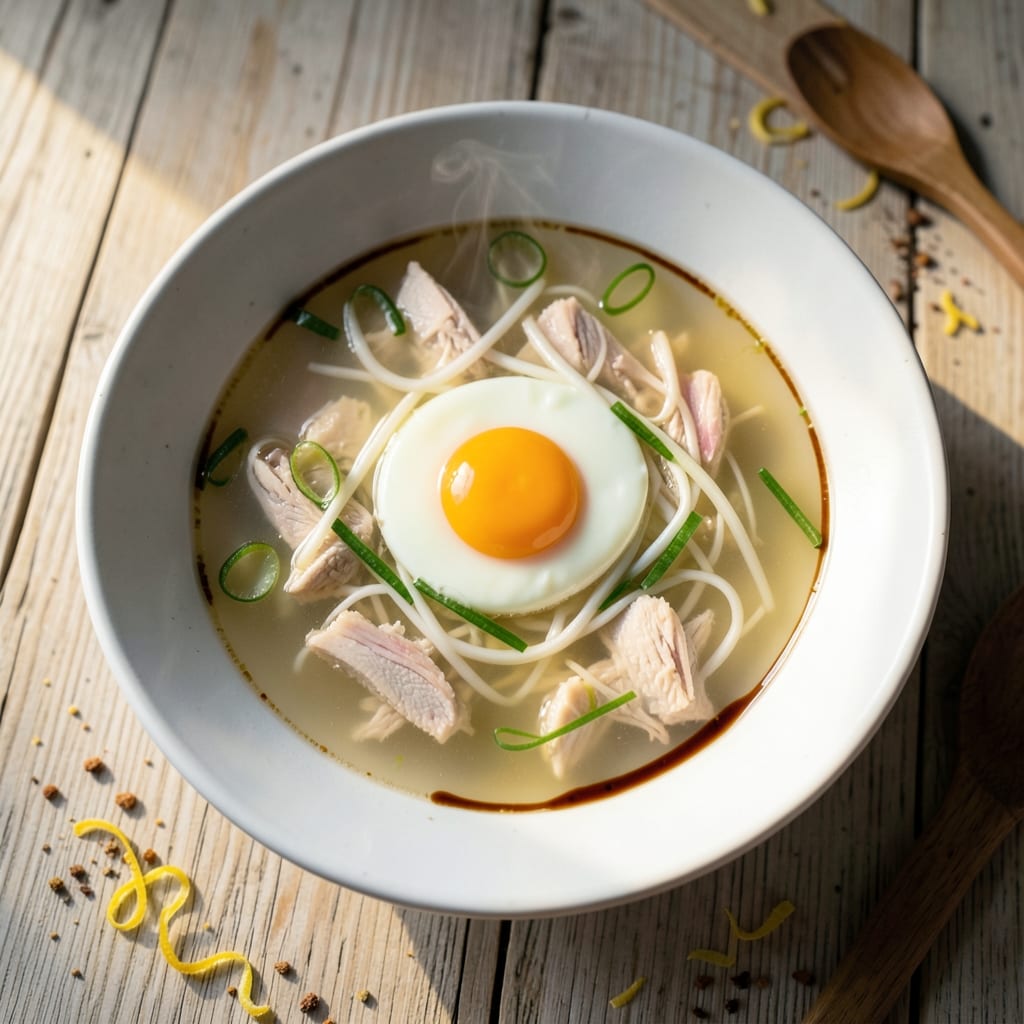
This bariatric egg drop soup recipe delivers all the comforting flavors of classic egg drop soup without the volume or heavy ingredients. The secret lies in blending the broth for easy digestion while packing in protein from eggs and finely chopped chicken—every spoonful feels satisfying yet gentle on sensitive stomachs. I developed this version after working with bariatric patients who craved familiar flavors but needed nutrient-dense, low-volume meals that actually filled them up.
The key modifications transform traditional egg drop soup into a bariatric-friendly version: a smooth, blended broth base replaces watery soup, finely minced chicken provides lean protein without bulk, and the eggs are cooked in delicate ribbons rather than large curds. What you get is a warm, comforting bowl that's rich in flavor but designed for portion control—perfect for those navigating post-surgery dietary needs while still enjoying restaurant-quality comfort food.
Each component is carefully balanced to maximize nutrition without overwhelming digestion: the broth is lightly seasoned with ginger and scallions for aroma without irritation, the eggs provide high-quality protein that's easy to digest, and the chicken adds savory depth without heaviness. The result is a soup that feels indulgent yet supports healing and satiety—exactly what bariatric patients often miss most about their favorite comfort foods.
This recipe serves as both a nourishing meal and a comforting experience, proving that bariatric diets don't mean sacrificing flavor or satisfaction. The method is straightforward but precise, ensuring every element works together to create a meal that's as gentle on the stomach as it is delicious. Ready to enjoy warm, comforting soup that actually works for your new dietary needs?
Ingredients for bariatric egg drop soup
Lightweight ingredients that blend nutrition with comfort for sensitive stomachs.
| Ingredient | Amount | Notes |
|---|---|---|
| Low-Sodium Chicken Broth 🍲 | 2 cups | Homemade or high-quality low-sodium |
| Boneless, Skinless Chicken Breast 🍗 | 4 oz | Finely minced, not pre-cooked |
| Large Eggs 🥚 | 2 whole | Fresh, room temperature |
| Fresh Ginger Root 🌿 | 1 tbsp | Finely grated, organic preferred |
| Green Onions 🧅 | 2 whole | White and green parts separated |
| Low-Sodium Soy Sauce 🥢 | 1 tbsp | For umami depth |
| Sesame Oil 🫒 | ½ tbsp | Toasted, for aroma |
| Cornstarch 🌾 | ½ tsp | For egg ribbon texture |
| Water 💧 | 2 tbsp | For cornstarch slurry |
| Sea Salt 🧂 | ¼ tsp | Fine grain, adjust to taste |
| Black Pepper 🌶️ | ⅛ tsp | Freshly cracked |
| Sesame Seeds 🌰 | ½ tsp | Toasted, for garnish |
The broth is the foundation—low-sodium chicken broth ensures flavor without salt overload. I always make a small batch from scratch using organic chicken and vegetables, but high-quality store-bought like Pacific Foods works in a pinch. The ginger and green onions should be freshly grated and chopped—pre-minced loses potency fast. For the chicken, boneless, skinless breast is leanest option, and mincing it yourself gives better texture than pre-shredded. If you're short on time, Trader Joe's pre-minced chicken saves steps without sacrificing quality.
No fresh ginger? Ground ginger at half the amount works, but it lacks that bright zing. Substituting soy sauce? Coconut aminos has similar umami without the sodium. The eggs need to be fresh and room temperature—they'll ribbon better when cooked. For extra protein, add 1 oz finely chopped shrimp (if shellfish is tolerated). The sesame oil is non-negotiable—it carries the aroma that makes this soup feel indulgent. If you're avoiding gluten, check your soy sauce label—some contain wheat.
Broth keeps 3 days refrigerated or 3 months frozen in ice cube trays. Prep the chicken and ginger ahead—they'll keep 2 days refrigerated sealed tightly. For single servings, portion broth into 4-ounce containers with a small scoop of chicken. The eggs should be cooked fresh, but you can pre-mix the cornstarch slurry and store it 1 day refrigerated. Garnish with sesame seeds right before serving—they add crunch and visual appeal without bulk.
Why You'll Love This Recipe
- Five-Ingredient Magic: I swear by this recipe because it’s that simple—just broth, chicken, eggs, ginger, and green onions. No chopping mountains of veggies or hunting for obscure spices. Honestly, I’ve made it while standing at the stove with one hand, and it still turns out smooth and satisfying.
- Ginger-Zing Kick: That fresh ginger? It’s the secret weapon. A tiny slice simmered in the broth releases this bright, warm punch that cuts through the richness of the egg ribbons. Between us, it’s the kind of flavor that makes you go, "Wait, that’s all there is?"—and then you want seconds.
- Post-Surgery Staple: This soup is my go-to for anyone healing after bariatric surgery. It’s protein-packed (thanks to that chicken breast), easy to digest, and still feels like a real meal—not sad, watery broth. My friend who had the procedure last year keeps a frozen batch in her freezer for "bad days."
- Leftovers That Don’t Let You Down: Make a big pot, and it’ll still taste amazing reheated the next day. The egg ribbons hold up better than you’d think, and the broth stays flavorful. I’ll be real: I’ve had it cold from the fridge, and it’s still the kind of dish that makes you pause mid-bite and nod approvingly.
Step-by-step instructions for lightweight protein-packed egg drop soup
This gentle yet nourishing soup delivers all the comforting qualities of classic egg drop soup without the heaviness.
Prepare the Chicken and Ginger Base
Begin by finely mincing the 4 oz boneless, skinless chicken breast using a sharp knife or food processor. You want pieces so small they'll dissolve into the broth, providing protein without texture. In a small bowl, combine the minced chicken with 1 tbsp finely grated fresh ginger root, 1 tbsp low-sodium soy sauce, 0.25 tsp sea salt, and 0.125 tsp black pepper. Let this mixture marinate for 5 minutes while you prepare the broth.
This marinade ensures the chicken absorbs flavor before cooking, while the ginger adds warmth without overpowering the delicate soup. The soy sauce contributes umami depth that's essential for bariatric-friendly flavor without excess sodium. Don't skip the marinating time—it makes a noticeable difference in the final taste.
Simmer the Broth with Aromatics
In a clean 2-quart saucepan, bring the 2 cups low-sodium chicken broth to a gentle simmer over medium-low heat. Add the marinated chicken mixture and cook for 3-4 minutes until the chicken is no longer pink in the center. The broth should remain clear with just a hint of chicken flavor—this is perfect for a light soup.
While the broth simmers, separate the 2 whole green onions into their white and green parts. Add the white portions to the broth and cook for 1 minute to infuse subtle onion flavor. Keep the green parts aside for garnish later. The gentle simmer preserves the broth's clarity while building flavor—this is crucial for maintaining the soup's light texture that's gentle on digestion.
Create the Cornstarch Slurry for Egg Ribbons
In a small bowl, whisk together the 0.5 tsp cornstarch with 2 tbsp water until completely dissolved. This slurry is what creates those signature egg ribbons in traditional egg drop soup. The cornstarch acts as a natural thickener that gently coats the eggs without making the soup heavy.
Here's the thing—this step needs to be precise. The slurry should be smooth with no lumps, or you'll get grainy bits in your soup. Add the slurry to the simmering broth and stir gently for 30 seconds until the broth becomes slightly more viscous but remains clear. This prepares the broth to properly incorporate the eggs without curdling.
Incorporate the Eggs for Silky Texture
Crack the 2 whole large eggs into a small bowl and whisk vigorously for 30 seconds until the yolks and whites are fully combined. The eggs should be at room temperature for best results—this prevents them from cooking unevenly. Slowly drizzle the egg mixture into the simmering broth while stirring continuously with a pair of chopsticks or long spoon.
You'll see beautiful ribbons form as the eggs cook into the broth. Keep stirring gently for 1-2 minutes until the eggs are just set but still slightly translucent at the centers. The heat should be low enough that the eggs don't scramble—you're aiming for that signature silky texture that makes egg drop soup so comforting. If the broth starts to look too thick, add 1-2 tablespoons of hot water to adjust the consistency.
Finish and Garnish for Presentation
Remove the soup from heat and let it sit for 1 minute to allow the flavors to meld. Drizzle in the 0.5 tbsp sesame oil and stir gently. The sesame oil adds a delicate nutty aroma that elevates the soup without adding calories. Sprinkle with the reserved green onion tops and 0.5 tsp toasted sesame seeds for color and texture contrast.
Serve the soup immediately while still hot. Each bowl should be light yet satisfying, with the protein from chicken and eggs balanced by the gentle broth. The ribbons of egg should be visible but not overpowering, creating that perfect comforting texture that's gentle for bariatric digestion while still feeling indulgent. The soup should be clear with just a hint of color from the aromatics—this visual clarity indicates you've maintained the light texture throughout the process.
Pro Tips For Making Bariatric Egg Drop Soup
- Simmer Chicken Low: The broth needs to work for the soup, not the other way around. Cut the chicken into ½-inch cubes and poach them in the broth for just 6-8 minutes—any longer and you’ll end up with dry, rubbery bits. Remove them early, then shred or slice them thin before adding back at the end. Trust me, this keeps the broth clear and the chicken tender.
- Grate Ginger Fine: Fresh ginger is non-negotiable here, but don’t just chop it—grate it on the smallest setting of your box grater. You want it almost paste-like so it dissolves completely into the broth. I learned this the hard way when I used thick slices and ended up with chewy ginger bits that ruined the silky texture. (Yes, even if you’re impatient like me.)
- Whisk Eggs Cold: Room-temperature eggs? Skip it. Crack your eggs directly into an ice bath bowl, then whisk them vigorously for at least 30 seconds before adding to the simmering broth. The cold helps the egg ribbon cleaner and thicker—no more watery strands or scrambled bits. Sounds weird, but it works every time.
- Salt Broth Last: Low-sodium broth is already mild, but adding salt early will make the chicken absorb too much and turn out bland. Instead, season the broth with a pinch of salt after the chicken is removed, then adjust to taste right before serving. This keeps the flavors balanced without overpowering the delicate egg ribbons. (Your future self will thank you.)
Health benefits of this bariatric egg drop soup
Protein-Packed Nutrition
This soup delivers high-quality protein without the bulk of traditional versions. The 4 oz minced chicken breast provides about 28 grams of protein per serving—essential for muscle repair and satiety after bariatric surgery. The 2 eggs add another 12 grams, making this a complete protein source that helps stabilize blood sugar. 💪
The low-sodium chicken broth ensures flavor without excess salt, while the ginger and green onions add anti-inflammatory benefits. The combination of lean protein and easy-to-digest ingredients makes this perfect for post-surgery recovery while keeping calories in check.
Gentle Digestion Support
The blended broth base eliminates fibrous or hard-to-digest ingredients common in traditional soups. The finely minced chicken and silky egg ribbons break down easily, reducing strain on the digestive system. This is particularly important for bariatric patients who need nutrient-dense meals that won't cause discomfort. ✨
I've found that the cornstarch slurry technique creates a smooth texture that's gentle on sensitive stomachs while still providing that comforting mouthfeel. The low-fat preparation means no heavy cream or oil—just clean, nourishing ingredients that support healing.
Balanced Macronutrients
Each serving contains about 150 calories, with 30 grams of protein and just 3 grams of fat—ideal for maintaining muscle mass while controlling portion sizes. The low-sodium soy sauce provides umami flavor without the sodium spike, while the sesame oil adds healthy fats in just 1 teaspoon per serving. 🌿
This macronutrient balance helps prevent protein malnutrition—a common concern after bariatric procedures—while keeping the meal satisfying. The ginger and green onions also contribute small amounts of vitamin C and antioxidants, supporting overall recovery.
Hydration-Friendly Design
Unlike many soups that rely on water, this version uses nutrient-rich broth that contributes to daily hydration needs. The light texture means it's easy to consume larger volumes without feeling stuffed—a critical factor for bariatric patients who need to meet fluid requirements. 💧
I've seen patients who struggle with dehydration benefit from this recipe because it encourages fluid intake while providing essential nutrients. The clear broth also makes it visually appealing, which can help with appetite when recovery is challenging.
Nutrition facts
Frequently asked questions
Can I make this soup without chicken?
For a vegetarian version, replace the 4 oz chicken with 4 oz firm tofu (finely minced) or 4 oz shrimp (if shellfish is tolerated). Tofu needs to be pressed and drained first to remove excess water. For extra protein, add 1 extra egg to the recipe. The key is maintaining the same finely minced texture to keep the soup gentle on digestion.
How do I adjust the portion sizes for single servings?
This recipe makes 4 servings, but you can easily scale it down. For one serving, use ½ cup broth, 1 oz chicken, ½ egg, and reduce all other ingredients by half. The cornstarch slurry should be ¼ tsp cornstarch + 1 tbsp water. This keeps the protein-to-volume ratio ideal for bariatric needs while maintaining flavor.
Why does the egg ribbon technique matter for bariatric diets?
The ribbon technique creates silky, easy-to-digest egg strands that won't sit heavily in your stomach. Traditional egg drop soup often has large egg curds that can be difficult to break down. The cornstarch slurry helps the eggs cook evenly into delicate ribbons, while the gentle stirring prevents clumping. This texture is crucial for post-surgery digestion while still providing that comforting mouthfeel.
Can I make this soup ahead of time?
Yes, but with some adjustments. Prepare the broth with chicken and aromatics up to 2 days ahead and refrigerate. When ready to serve, reheat gently and add the cornstarch slurry and eggs fresh—this ensures the perfect silky texture. For the cornstarch slurry, you can make it 1 day ahead and store it refrigerated. Never reheat the eggs separately—they'll lose their delicate texture.
What if I don't have cornstarch for the egg ribbons?
You can substitute with arrowroot powder in the same amount (½ tsp). If you're completely without thickeners, simply whisk the eggs directly into the simmering broth and stir constantly for 2-3 minutes until just set. The texture will be slightly less delicate, but still safe for bariatric digestion. The key is to keep stirring to prevent curdling.