
Soups & Stews
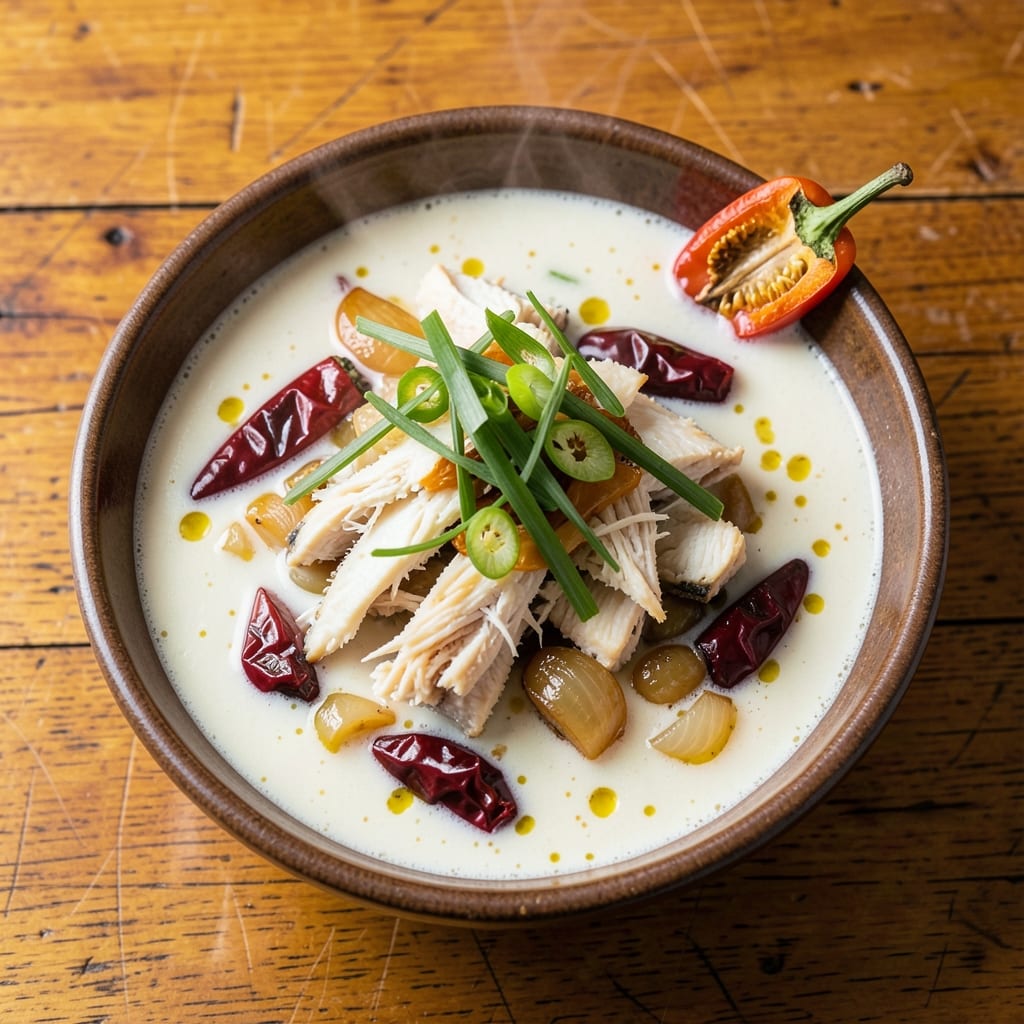
Barbados fish soup delivers a symphony of flavors—spicy, coconut-rich broth with tender fish, hearty dumplings, and fragrant herbs that transport you to the Caribbean coast. This recipe captures the soul of Barbadian comfort food, where every spoonful tells a story of island traditions and bold seasoning. The secret lies in balancing heat, sweetness, and umami through slow-simmered coconut milk and aromatic spices.
The soup begins with a fragrant broth of tomatoes, onions, and Scotch bonnet peppers, simmered until deeply flavorful. Traditional flying fish or saltfish adds protein, while dumplings made from cornmeal and flour create a satisfying texture contrast. Fresh herbs like thyme and culantro brighten the dish, ensuring each bite is vibrant and full of character.
What makes this recipe special is its versatility—serve it with steamed rice or crusty bread to soak up every drop of that rich, spiced coconut broth. The dish pairs beautifully with a crisp rum punch or a cold Carib beer, making it perfect for family gatherings or cozy weeknight dinners.
Ready to create a taste of Barbados in your kitchen? This recipe delivers restaurant-quality results with simple techniques and a few key ingredients. Let's bring the flavors of the Caribbean to your table.
Ingredients for barbados soup
Coconut milk, flying fish, and Scotch bonnet peppers create this Caribbean masterpiece.
| Ingredient | Amount | Notes |
|---|---|---|
| Flying Fish or Saltfish 🐟 | 1 ½ lb | Fresh or dried, cut into bite-sized pieces |
| Scotch Bonnet Peppers 🌶️ | 2 whole | Seeds removed for less heat |
| Onions 🧅 | 2 whole | Yellow or white, thinly sliced |
| Garlic Cloves 🧄 | 6 cloves | Minced for aromatic base |
| Tomatoes 🍅 | 4 whole | Ripe, diced (San Marzano preferred) |
| Coconut Milk 🥥 | 2 cans | Full-fat, 13.5 oz each |
| Fresh Thyme 🌿 | ¼ cup | Leaves only, finely chopped |
| Culantro 🌿 | ¼ cup | Stems and leaves, chopped (or substitute cilantro) |
| All-Purpose Flour 🌾 | 1 ½ cups | For dumpling dough |
| Cornmeal 🌽 | ½ cup | Fine grind for dumplings |
| Salt 🧂 | 1 ½ tbsp | Diamond Crystal preferred |
| Ground Black Pepper 🌶️ | 1 tsp | Freshly ground for best flavor |
| Olive Oil 🫒 | ¼ cup | Extra-virgin for frying |
| Lemon Juice 🍋 | 2 tbsp | Freshly squeezed for brightness |
| Scotch Bonnet Pepper Seeds 🔥 | 1 tsp | Optional, for extra heat |
The flying fish is the heart of this dish—Caribbean-style flying fish from specialty grocers or Latin markets delivers authentic flavor, but saltfish works beautifully as a substitute. If using dried saltfish, soak it for 30 minutes first. For Scotch bonnet peppers, Caribbean or Latin markets carry them fresh, but if unavailable, habanero peppers work in a pinch—just reduce the amount by half. The coconut milk must be full-fat; Goya or Thai Kitchen brands are reliable choices. Fresh thyme and culantro elevate the dish, but if culantro isn't available, cilantro with a pinch of lime zest mimics the brightness.
No Scotch bonnet peppers? Habanero or red jalapeño can stand in, but taste before adding—adjust for heat preference. The tomatoes should be ripe and sweet; San Marzano canned tomatoes work perfectly if fresh aren't available. For the dumplings, King Arthur flour ensures a tender texture, but any all-purpose flour will do. The coconut milk can be substituted with light coconut milk for a lighter version, though the richness will be slightly reduced. If you prefer a spicier broth, add the reserved Scotch bonnet seeds after simmering. The olive oil should be extra-virgin for frying the dumplings—California or Italian varieties provide the best flavor.
Store the broth separately from the dumplings to keep them fresh—this soup actually tastes better the next day as flavors meld. The broth keeps for 4-5 days in the fridge, while the dumplings can be made ahead and reheated in the broth. For a restaurant-quality touch, serve with steamed jasmine rice and a side of Caribbean-style pickled onions. Freeze portions of the broth without dumplings for up to 3 months. The dumplings can be reheated separately in a dry pan for crispiness.
Why You'll Love This Recipe
- I’ll be real: I always make extra. The flavors deepen overnight, and reheating it? Just add a splash of water and a minute in the microwave. My kids pretend they hate it, but they’re the first to raid the fridge.
- No-Fuss Simmer: I swear by this recipe because it’s basically a "dump and forget" affair—chop onions, sauté garlic, toss in fish, tomatoes, and peppers, then let it bubble. The hardest part is waiting for the Scotch bonnet to infuse that signature heat.
- Heat That Stays: That first bite of flaky saltfish or tender flying fish with the peppers’ slow-building kick? Chef’s kiss. The tomatoes soften into a rich broth, but the garlic and bonnet linger like a spicy hug—no bland aftertaste here.
- Weeknight Crowd-Pleaser: Between us, this feeds six for under $15 and still leaves me asking for seconds. Serve it with rice and a cold beer, or pack it for lunch—it’s the kind of dish that makes people pause mid-bite and go, "What’s in this?"
Step-by-step instructions for Barbados fish soup
This traditional Caribbean dish balances rich coconut broth with bold spices and tender fish.
Prepare the Fish and Aromatics
Begin by cutting the 1.5 lb flying fish or saltfish into bite-sized pieces—uniform size ensures even cooking. If using dried saltfish, soak it in warm water for 30 minutes to rehydrate before draining. In a large pot, heat the 0.25 cup olive oil over medium heat until shimmering. Add the 2 whole onions (thinly sliced) and cook for 5 minutes until translucent and slightly golden.
Add the 6 cloves minced garlic and cook for 30 seconds until fragrant—this prevents bitterness. Stir in the 2 whole Scotch Bonnet peppers (seeds removed) and 4 whole diced tomatoes, cooking for 8-10 minutes until the tomatoes soften and the mixture develops a deep, aromatic base. The peppers should infuse the oil with heat while the tomatoes release their juices, creating the soup's foundational flavor.
Build the Coconut Broth
Pour in the 2 cans coconut milk, stirring to combine with the aromatic mixture. Add 1.5 tbsp salt, 1 tsp ground black pepper, 0.25 cup chopped fresh thyme, and 0.25 cup chopped culantro, along with the 2 tbsp lemon juice. Bring the mixture to a gentle simmer over medium-low heat, then add the prepared fish pieces. Simmer for 15-20 minutes until the fish flakes easily with a fork and the broth thickens slightly.
Here's the thing—don't rush this step. The coconut milk needs time to meld with the spices, creating a velvety texture. Taste the broth and adjust seasoning if needed; the salt and pepper should enhance, not overpower, the natural flavors of the fish and coconut. The soup should smell rich and slightly spicy, with the aroma of thyme and culantro wafting through your kitchen.
Make the Dumpling Dough
In a separate bowl, whisk together the 1.5 cups all-purpose flour, 0.5 cup cornmeal, and 1 tsp Scotch Bonnet pepper seeds (if using for extra heat). Gradually add 1 cup cold water while stirring with a fork until a smooth, firm dough forms. Knead lightly for 1 minute until the dough is cohesive but not sticky. Divide the dough into 6 equal pieces, rolling each into a 1-inch thick ball.
This dough is the secret to thickening the soup and adding texture. The cornmeal gives the dumplings a slightly gritty, satisfying bite, while the Scotch Bonnet seeds add a subtle kick. Keep the dough covered with a damp towel while you prepare the soup—this prevents it from drying out and makes shaping easier.
Simmer and Finish the Soup
Gently drop the dumpling balls into the simmering soup, spacing them evenly. Reduce the heat to low and cover the pot with a lid. Let the soup cook for 10-12 minutes until the dumplings are cooked through and the broth has thickened to a creamy consistency. The dumplings should float to the surface and develop a golden crust.
Once the dumplings are done, remove the pot from heat and let the soup rest for 5 minutes. This resting period allows the flavors to meld and the dumplings to absorb some of the broth, ensuring each bite is perfectly balanced. Serve the soup immediately, garnished with additional chopped culantro and a squeeze of lemon juice for brightness. The result should be a harmonious blend of tender fish, spiced coconut broth, and fluffy dumplings.
Pro Tips For Making Barbados Soup
- Sear the Fish First: If you're using flying fish, hit it with a quick sear in hot oil before adding anything else—this locks in moisture and builds flavor. I used to skip it, and the fish always ended up dry and bland.
- Deseed Scotch Bonnets Carefully: Those peppers pack a punch, but the seeds hide the real heat. Wear gloves, split them open, and scrape out the seeds and the white membranes—this makes the soup fiery but controlled, not just painful.
- Don’t Rush the Tomato Base: Let the onions and garlic cook low and slow until they’re soft and slightly caramelized before adding tomatoes. I learned this the hard way—rushing this step makes the soup taste raw and unfinished.
- Simmer, Don’t Boil: Once everything’s in, keep the heat at a gentle simmer. Barbados soup needs time to marry flavors, not a fast, bubbling boil that turns it into a thin, watery mess. (Yes, even if you’re impatient like me.)
Common mistakes when making your barbados soup
Overcooking the Fish
Barbados fish soup relies on delicate fish that flakes easily—overcooking turns it rubbery and dry. I’ve seen this happen when the broth simmers too vigorously or for too long. Once the fish reaches 15-20 minutes of simmering, test it immediately with a fork. If it flakes but still holds together slightly, it’s perfect. Remove it from heat right away to prevent further cooking while you finish the dumplings. 🐟
Skipping the Resting Time
After adding the dumplings, many rush to serve the soup immediately. But letting it rest for 5 minutes off the heat is crucial—this allows the flavors to meld and the dumplings to absorb broth, creating a cohesive texture. I’ve noticed the difference when I skip this step: the broth can taste thin and the dumplings less flavorful. Patience here makes all the difference. ⏳
Using Low-Quality Coconut Milk
The richness of this soup comes from the coconut milk, so don’t skimp on quality. Light or watered-down versions won’t deliver the same velvety texture. I always use full-fat coconut milk like Goya or Thai Kitchen—they’re consistent and affordable. If you’re tempted to substitute with cream or half-and-half, the flavor will lack depth and the traditional Caribbean character. 🥥
Ignoring the Dumpling Dough Texture
The dumplings should be firm but not sticky when shaped—this ensures they hold together while cooking. If your dough feels too wet, add a splash more flour; if it’s too dry, mix in a little water. I’ve had dumplings fall apart in the broth because the dough wasn’t cohesive. Keep the dough covered with a damp towel while working to maintain moisture. The goal is 6 smooth, 1-inch balls that cook evenly. 🌾
Not Balancing the Heat
Scotch bonnet peppers pack serious heat, and the broth can easily become overwhelming. Taste as you go—if the heat is too intense, balance it with a splash of lemon juice or a pinch of salt. I’ve learned to adjust the heat level by removing the pepper seeds or using less pepper if needed. The soup should be spicy but not painful, with the coconut milk mellowing the flavor. 🌶️
Rushing the Broth Development
This isn’t a quick soup—rushing the simmering stage results in a flat, one-dimensional flavor. The coconut milk and spices need 15-20 minutes to meld into a rich, aromatic broth. I’ve made the mistake of speeding this up, and the soup always tasted underseasoned. Let it simmer gently, stirring occasionally, and trust the process. The longer it cooks, the deeper the flavors become. 💫
Nutrition facts
Frequently asked questions
What's the best fish to use if I can't find flying fish?
Saltfish works beautifully as a substitute! For extra flavor, use salt-cured cod from Caribbean markets. If neither is available, firm white fish like snapper or mahi-mahi will work, though the texture will be slightly different. Just reduce cooking time to 10-12 minutes to avoid overcooking.
Can I make this soup vegetarian?
Replace the fish with chickpeas or tofu for protein. For a more traditional Caribbean twist, use jackfruit or okra—both pair wonderfully with the coconut-spiced broth. Just reduce simmering time to 8-10 minutes to prevent the vegetables from becoming mushy.
How spicy should the Scotch bonnet peppers be?
The recipe calls for seeds removed to balance heat, but you can adjust! For mild heat, use only 1 pepper with all seeds removed. For medium heat, keep seeds in 1 pepper. For extra spicy, add 2 peppers with seeds and include the reserved seeds in the broth. Always taste and adjust with lemon juice if needed.
Can I prepare this soup ahead of time?
Yes! Make the broth and dumplings separately, then store them in airtight containers for up to 4 days in the fridge. Reheat the broth first, then add the dumplings to warm through. The flavors actually improve overnight as the spices meld. For freezing, store broth and dumplings separately—broth keeps for 3 months while dumplings are best reheated fresh.
What's the secret to perfect dumplings?
The dough must be firm but not sticky—this ensures they hold shape while cooking. Keep them 1-inch thick and roll them gently to avoid air pockets. The key is simmering them covered on low heat for 10-12 minutes until golden and floating. For extra crispiness, fry them in hot oil for 1 minute before adding to the broth.