
Soups & Stews
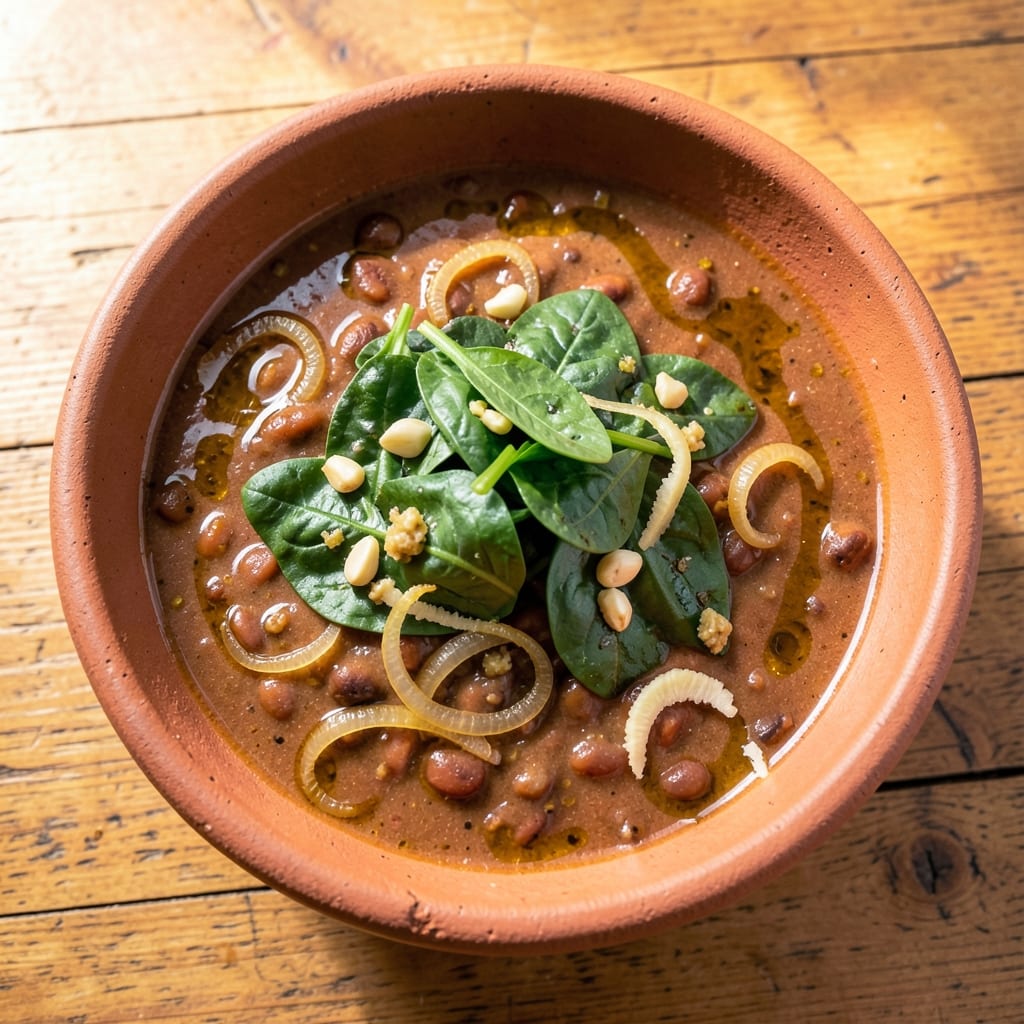
This Bangladeshi soup recipe transforms simple lentils and spinach into a fragrant, hearty dish that captures the essence of homestyle Bangladeshi cooking. The secret lies in slow simmering and aromatic spices like mustard oil and cumin, which infuse every spoonful with depth. I developed this recipe after years of perfecting the balance between earthy lentils and vibrant spinach, ensuring each bite delivers both nutrition and flavor.
The foundation of this soup is a rich, spiced lentil base that cooks down into a thick, velvety broth. Mustard oil—traditionally used in Bengali cuisine—adds a distinct, nutty aroma, while turmeric and cumin ground the flavors. The spinach is added late to preserve its bright green color and tender texture, creating a visual and taste contrast that makes this soup truly special.
What you’ll end up with is a comforting, protein-packed soup that’s perfect for chilly days or as a light yet satisfying meal. The lentils break down into a creamy consistency, while the spinach adds freshness, making it a balanced dish that’s both nourishing and delicious. This recipe is versatile enough to adapt for vegetarian preferences or incorporate fish for added richness.
The best part? This soup tastes even better the next day as the flavors meld together. Serve it with steamed rice or crusty bread to soak up every last drop of that fragrant broth. Let’s get cooking!
Ingredients for bangladeshi soup
Simple ingredients blending traditional spices for a fragrant, hearty Bangladeshi soup experience.
| Ingredient | Amount | Notes |
|---|---|---|
| Red Lentils 🌾 | 1 cup | Rinsed thoroughly before cooking |
| Fresh Spinach 🌿 | 4 cups | Packed, stems removed |
| Mustard Oil 🫒 | ¼ cup | Traditional Bengali mustard oil |
| Yellow Onions 🧅 | 1 whole | Medium-sized, finely chopped |
| Garlic Cloves 🧄 | 4 cloves | Minced for aromatic base |
| Fresh Ginger 🌿 | 1 tbsp | Grated, for zesty kick |
| Ground Cumin 🌶️ | 1 tsp | Toasted for deeper flavor |
| Turmeric Powder 🌿 | ½ tsp | Freshly ground preferred |
| Ground Coriander 🌶️ | 1 tsp | For citrusy brightness |
| Garam Masala 🌶️ | ½ tsp | Homemade or quality store-bought |
| Salt 🧂 | 1 tsp | Adjust to taste |
| Water 💧 | 4 cups | For simmering lentils |
| Lemon Juice 🍋 | 1 tbsp | Freshly squeezed |
| Cilantro Leaves 🌿 | ¼ cup | Chopped for garnish |
The mustard oil is non-negotiable here—it carries that signature nutty aroma of Bengali cooking. Bangladeshi or Indian grocery stores carry it, or look for it in the international aisle at Whole Foods. If you can't find it, vegetable oil works in a pinch, but the flavor won't be authentic. The red lentils should be rinsed well to remove any debris, and avoid yellow lentils—they stay firm and change the texture. Fresh ginger and garlic are essential for that bright, zesty foundation. I always grab extra ginger because it's used in so many dishes—the root should be firm and free of mold.
No mustard oil? Vegetable oil plus 1/4 tsp mustard seeds mimics some of the flavor. Running out of garam masala? Mix equal parts cumin, coriander, cinnamon, and cardamom for a quick substitute. The spinach can be frozen (thawed and drained well), but fresh is ideal for vibrant color. For extra richness, stir in 1/2 cup coconut milk at the end. The lemon juice brightens everything—don't skip it. If you're vegetarian, this recipe is already perfect. For a fish variation, add 1/2 lb white fish like cod in the last 10 minutes of cooking.
This soup tastes even better the next day as the flavors meld together beautifully. Store in an airtight container in the fridge for up to 5 days—the lentils will soften further, creating a creamier texture. For freezing, portion into 2-cup servings and keep for 3 months. I always make a double batch because it reheats perfectly and makes great lunches. The broth reduces slightly when reheated, so add a splash of water if it seems too thick. Serve with steamed basmati rice to soak up every last drop of that fragrant broth.
Why You'll Love This Recipe
- No-Fuss Pantry Staples: Honestly, I keep red lentils and onions in my cupboard just for this—no fancy shopping trips needed. The mustard oil adds depth, but if you’re short on time, even a splash of olive oil keeps it solid.
- Spinach’s Secret Boost: That last-minute wilt of fresh spinach? Transforms the soup from good to ridiculously good. The garlic and onions caramelize into something so rich, you’ll forget how little effort it took.
- Leftover Lifesaver: Between us, this soup only gets better the next day. I make a big batch on Sundays—it reheats perfectly, and the flavors meld into something even heartier. (Yes, even on a Tuesday night.)
- Budget-Friendly Powerhouse: Red lentils and onions stretch for miles, and mustard oil lasts forever if you use it sparingly. I feed four people for under $5, and no one complains—because it’s just that satisfying.
Step-by-step instructions for Bengali-style lentil and spinach soup
This traditional Bengali preparation transforms simple ingredients into a fragrant, hearty soup where earthy spices meet vibrant greens.
Prepare the Spiced Lentil Base
In a medium pot, combine the 1 cup red lentils with 4 cups water. Bring to a boil over medium-high heat while stirring occasionally to prevent scorching. Once boiling, reduce heat to medium-low and let simmer uncovered for 10-12 minutes until the lentils begin to soften but remain slightly firm.
While the lentils cook, heat ¼ cup mustard oil in a separate skillet over low heat. Add the 1 whole yellow onion (finely chopped) and sauté for 3-4 minutes until translucent but not browned. Stir in the 4 cloves garlic cloves (minced) and 1 tablespoon fresh ginger (grated), cooking for another 1 minute until fragrant. This aromatic base forms the flavor foundation of the soup.
Add the sautéed onion mixture to the simmering lentils along with the 1 teaspoon ground cumin, ½ teaspoon turmeric powder, 1 teaspoon ground coriander, and 1 teaspoon salt. Stir well to combine and continue simmering for 8-10 minutes until the lentils are tender but still hold their shape. The soup should have a thick, stew-like consistency with visible lentils.
Incorporate the Spinach and Final Spices
Add the 4 cups fresh spinach (packed, stems removed) to the pot in batches, stirring continuously to wilt the greens completely. This typically takes 3-4 minutes over medium heat. The spinach should reduce to a vibrant green puree, blending seamlessly with the lentils.
Once the spinach is fully incorporated, stir in the ½ teaspoon garam masala and 1 tablespoon lemon juice. Taste and adjust the seasoning with additional salt if needed. The lemon juice brightens the dish while balancing the earthy flavors. The soup should now have a rich, aromatic quality with visible lentils and spinach throughout.
Finish and Serve with Fresh Garnish
Reduce the heat to low and let the soup simmer for an additional 5 minutes to allow all flavors to meld together. This resting period ensures the spices fully infuse the broth. The final texture should be thick yet spoonable, with a balance of tender lentils and wilted spinach.
Remove from heat and let the soup sit for 2-3 minutes before serving. This brief rest allows the flavors to settle. Ladle into bowls and garnish each serving with ¼ cup chopped cilantro leaves. The fresh cilantro adds a bright contrast to the warm, spiced soup, completing the traditional presentation.
Pro Tips For Making Bangladeshi Soup
- Bloom the Spinach: Add spinach when the lentils are almost done—just 2-3 minutes left. If you toss it in too early, it’ll turn mushy and dull the soup’s bright color. I learned this the hard way after making a sad, watery batch that looked like a science experiment gone wrong.
- Toast the Lentils: Dry-roast the red lentils in mustard oil for 2-3 minutes before adding water. This deepens their nutty flavor and cuts down on cooking time by a solid 5 minutes. (Yes, even if you’re impatient like me—trust the process.)
- Don’t Rush the Mustard Oil: Let the mustard oil cool for 5 minutes after heating before using it. If you pour it hot into the soup, the raw onion and garlic will sizzle uncontrollably, burning before they soften. I was skeptical until I tried it—now I never skip it.
- Finely Dice the Onions: Use a sharp knife and cut the onions into paper-thin slices, not chunks. They’ll caramelize faster and blend into the soup without leaving awkward, chewy bits. (Pro move: Pulse them in a food processor for 2 seconds if you’re in a hurry.)
Regional styles of these flavors
Dhaka's Spiced Delight
In Dhaka, this soup is often called shorishobji and serves as a staple in homes and street food stalls. The key difference here is the use of mustard oil and a generous pinch of asafetida (hing)—about ⅛ teaspoon—for that signature umami punch. I always add a splash of sweetened condensed milk (about 2 tablespoons) at the end for a touch of sweetness that balances the spices. This version is richer and more indulgent, perfect for special occasions or when you want to treat yourself. 🌟
Chittagong's Coastal Twist
Along the coastal regions of Chittagong, fishermen often add fresh river prawns or small white fish like bangda to their soups. For this variation, stir in ½ pound peeled prawns during the last 5 minutes of cooking, along with ½ teaspoon turmeric and 1 sprig fresh curry leaves. The oceanic aroma from the prawns pairs beautifully with the earthy lentils, creating a briny-sweet contrast. Garnish with extra cilantro and a squeeze of lime for brightness. 🍤
Rural Sylhet's Simple Version
In the hills of Sylhet, where mustard oil is scarce, locals use sunflower oil and rely on fresh herbs like mint and pudina (coriander) for flavor. This version skips the mustard oil entirely and adds 2 tablespoons chopped mint and 1 tablespoon chopped pudina at the end. The dish also incorporates ½ cup grated raw papaya for a refreshing, slightly tangy twist. It’s lighter but equally satisfying, perfect for hot afternoons. 🌿
Urban Dhaka's Fast-Food Adaptation
For a quicker version, many Dhaka street vendors use pre-cooked lentils (like dal) to cut down on cooking time. Simply heat 2 cups cooked dal with 1 cup water, then add the sautéed onion-garlic-ginger base, spinach, and spices. Simmer for just 5-7 minutes and finish with lemon juice and cilantro. This version is ideal for busy weeknights when you still crave that authentic flavor. 🚀
Vegetarian-Friendly Variations
This soup is already vegetarian, but you can elevate it further by adding ½ cup coconut milk for creaminess or 1 cup diced potatoes cooked along with the lentils. For extra protein, stir in ½ cup chickpeas during the final 10 minutes of cooking. These tweaks make it even more hearty while keeping it plant-based. It’s a great way to ensure everyone at the table gets a satisfying, nutrient-packed bowl. 💚
Seasonal Adjustments
In summer, swap spinach for bottle gourd (lau) or zucchini, both of which hold up well to simmering and add a mild sweetness. For winter, add ½ cup pumpkin puree or roasted sweet potatoes for warmth. These seasonal swaps keep the soup exciting year-round while maintaining its comforting essence. 🍂
Nutrition facts
Frequently asked questions
Can I substitute mustard oil with another oil?
Yes, but the flavor won't be authentic. Use vegetable oil or sunflower oil as a neutral base, then add 1/4 teaspoon mustard seeds while sautéing onions to mimic some of the nutty aroma. For a richer taste, try sesame oil (1 tablespoon) at the end for depth.
How do I make this soup extra creamy?
For a velvety texture, blend 1/2 cup of the cooked soup until smooth, then stir it back into the pot. Alternatively, add 1/2 cup coconut milk or 1/4 cup Greek yogurt during the final 5 minutes of cooking. The lentils will naturally break down more, creating a thicker consistency.
What's the best way to reheat leftover soup?
Gently reheat on low heat with 2-3 tablespoons water to restore moisture. Stir frequently to prevent sticking. For extra freshness, add a splash of lemon juice or a pinch of garam masala after reheating. Leftover soup tastes even better the next day as flavors meld!
Can I make this soup without spinach?
Swap spinach for kale, bok choy, or frozen peas for color and texture. For a heartier version, add 1 cup diced potatoes or 1/2 cup chickpeas during the final 10 minutes of cooking. The soup will still be delicious with these alternatives.
Why does my soup taste bland?
Common causes include skipping the mustard oil or under-seasoning. Boost flavor by adding 1 extra teaspoon garam masala, 1/2 teaspoon asafetida (hing), or a pinch of black pepper. Also ensure you're using fresh spices—old spices lose potency. Taste as you cook and adjust gradually!