
Soups & Stews
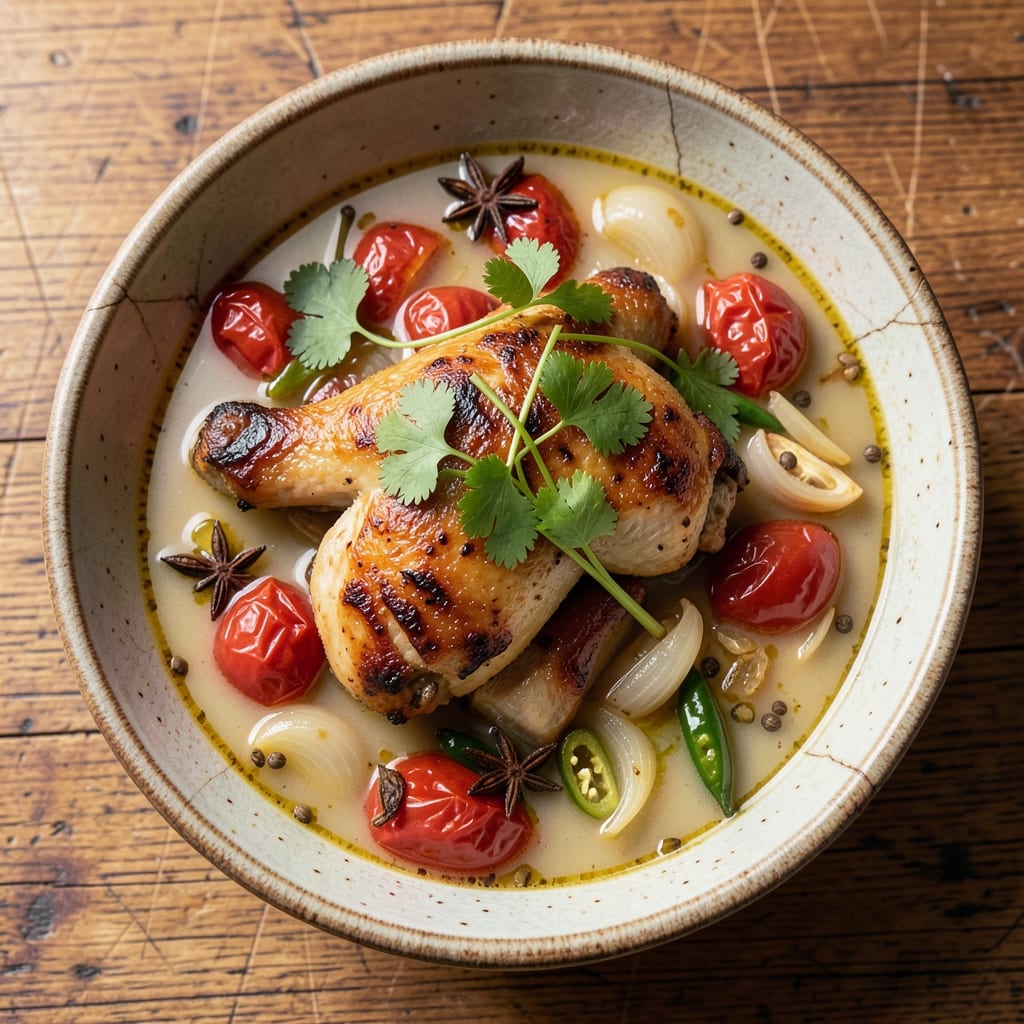
This Bangladeshi chicken soup recipe brings the aromatic magic of South Asian kitchens to your pot, where fragrant cumin and star anise transform simple ingredients into a deeply comforting dish. The secret lies in slow-simmered spices that infuse the broth with layers of warmth—earthy, slightly sweet, and impossibly inviting. I developed this version after years of adapting traditional recipes, ensuring every spoonful delivers that perfect balance of richness and brightness.
The beauty of this soup is its versatility—tender chicken simmers in a spiced broth until fork-tender, while vegetables like potatoes and carrots absorb the flavors beautifully. The star anise and cinnamon create a subtle sweetness that pairs perfectly with the tangy yogurt garnish, a classic Bangladeshi touch. What makes this recipe special is how it transforms humble ingredients into something restaurant-worthy, all while staying true to its cultural roots.
By the time you serve this soup, you'll have a steaming bowl of golden broth studded with perfectly cooked chicken and vegetables, finished with a swirl of creamy yogurt and fresh cilantro. The aroma alone will have everyone gathering at the table—it's the kind of dish that feels like a warm embrace on a chilly day. Serve it with steamed basmati rice or warm roti for the full experience.
This recipe works equally well as a hearty weeknight dinner or a special occasion dish, with options to adjust spice levels for different palates. The slow-cooked broth develops deeper flavor the longer it simmers, making it even more rewarding the next day. Let's get started on creating this fragrant, soul-warming soup that captures the essence of Bangladeshi home cooking.
Ingredients for bangladeshi chicken soup
Six aromatic spices and tender chicken create this fragrant Bangladeshi-inspired soup.
| Ingredient | Amount | Notes |
|---|---|---|
| Chicken Thighs, Bone-In 🍗 | 2 ½ lb | Skin-on for richer flavor |
| Yellow Onions 🧅 | 2 whole | Chopped into fine dice |
| Garlic Cloves 🧄 | 6 cloves | Minced for aromatic base |
| Fresh Ginger 🌿 | 1 ½ oz | Peeled and grated finely |
| Ground Cumin 🌶️ | 2 tbsp | Freshly toasted preferred |
| Star Anise Pods 🌟 | 2 whole | Whole pods for infusion |
| Cinnamon Sticks 🌿 | 2 whole | For subtle sweetness |
| Cardamom Pods 🌿 | 4 whole | Lightly crushed for aroma |
| Bay Leaves 🍃 | 2 whole | Fresh preferred |
| Potatoes 🥔 | 2 lb | Yukon Gold, cut into chunks |
| Carrots 🥕 | 1 ½ lb | Whole, cut into thick slices |
| Plain Yogurt 🥛 | ½ cup | Whole milk preferred |
| Fresh Cilantro 🌿 | ¼ cup | Chopped for garnish |
| Extra-Virgin Olive Oil 🫒 | ¼ cup | For sautéing aromatics |
| Chicken Broth 💧 | 6 cups | Homemade or quality store-bought |
| Salt 🧂 | 1 ½ tsp | Diamond Crystal preferred |
| Black Peppercorns 🌶️ | ½ tsp | Freshly cracked |
The star anise and cinnamon are non-negotiable for that signature sweet-spice balance. Whole pods from Penzeys or your local spice market deliver the best flavor—avoid pre-ground powders, which lose potency quickly. For the ginger, fresh is essential; the zesty, peppery notes can't be replicated with powder. The chicken thighs should have visible fat marbling for richness—Costco or Whole Foods carry excellent bone-in cuts. If using frozen chicken, thaw it overnight in the fridge to ensure even cooking. The broth is the soul of this soup, so if you're using store-bought, Pacific Foods or Swanson brands are reliable choices for depth of flavor.
No star anise? Anise seeds at double the amount work in a pinch, though the flavor won't be identical. Running short on cardamom? Allspice berries at half the quantity provide a similar warmth. The yogurt garnish can be swapped for vegan yogurt if needed, though the tang will be slightly milder. For the potatoes, Russet or Yukon Gold both work well—just ensure they're cut into even-sized chunks to cook uniformly. The carrots can be baby carrots if that's what's available, but whole carrots develop a deeper flavor as they simmer. If you're short on time, pre-cut frozen vegetables (like the ones from Trader Joe's) can be tossed in during the last 15 minutes of cooking.
This soup tastes even better the next day as the flavors meld. Store leftovers in an airtight container in the fridge for up to 5 days, or freeze for 3 months in portion-sized containers. The broth can be made ahead and stored separately for up to 4 days—simply reheat and add the chicken and vegetables when ready to serve. For meal prep, I like to portion the soup into individual containers with a small dollop of yogurt on top. The spices lose potency over time, so if you're storing the soup long-term, freeze the spice blend separately and add it fresh when reheating.
Why You'll Love This Recipe
- No-Chop Nightmare: I swear by this recipe when I’m too tired to dice onions properly. Toss in whole onions and garlic cloves—they soften into sweet, caramelized perfection without extra effort. (Yes, even on a Tuesday night.)
- Golden Cumin Magic: That first spoonful of toasted cumin? It’s like a warm hug in a bowl. The bone-in thighs melt into the broth, while the ginger adds a zing that lingers—simple spices, but ridiculously good.
- Leftovers That Beg for More: This soup tastes better the next day, honestly. The flavors deepen, and I always find myself reheating it for lunch. (My freezer’s full of it—because why not?)
- Budget-Friendly Crowd-Pleaser: Bone-in thighs and whole spices stretch this recipe far. Feed four for dinner, save two portions for later, and still have change left for extra ginger. My wallet and my family approve.
Step-by-Step instructions for Bangladeshi chicken soup
Transform simple ingredients into a rich, aromatic broth where cumin and star anise create magic.
Sear the Chicken and Build the Spice Base
Heat the 0.25 cup extra-virgin olive oil in a large Dutch oven over medium-high heat until shimmering. Pat the 2.5 lb chicken thighs dry with paper towels, then add them skin-side down. Sear for 8-10 minutes until the skin is deeply golden and crispy, working in batches if needed. Remove the chicken and set aside.
In the same pot, add the 2 whole yellow onions and cook for 5 minutes until softened. Add the 6 cloves minced garlic, 1.5 oz grated fresh ginger, and 2 tbsp ground cumin, stirring constantly for 1 minute until fragrant. This step forms the aromatic foundation—don't rush it. The spices should release their oils and create a rich, earthy aroma that fills your kitchen.
Infuse the Broth with Whole Spices
Add the 2 whole star anise pods, 2 whole cinnamon sticks, 4 whole cardamom pods, and 2 whole bay leaves to the pot. Pour in the 6 cups chicken broth and bring to a gentle boil. Reduce heat to medium-low and simmer for 15 minutes, allowing the whole spices to steep and infuse the broth with their warm, complex flavors. The broth should develop a deep amber color and a subtle sweetness from the cinnamon and star anise.
Return the seared chicken thighs to the pot, skin-side up. Add the 1.5 tsp salt and 0.5 tsp freshly cracked black peppercorns, ensuring the spices dissolve into the broth. Cover and simmer for 30 minutes to render the chicken fat and begin breaking down the meat. This slow cooking ensures maximum flavor extraction and tender chicken.
Add Vegetables and Simmer Until Tender
Add the 2 lb Yukon Gold potatoes and 1.5 lb carrots to the pot. The potatoes should be cut into 1-inch chunks, and the carrots into thick slices to maintain their shape. Bring the liquid to a gentle simmer and cook uncovered for 25-30 minutes, or until the vegetables are fork-tender and the chicken easily separates from the bone. The broth should reduce slightly, intensifying the flavors.
Here's the thing—don't overcrowd the pot. If the vegetables are too tightly packed, they'll steam instead of simmer in the flavorful liquid. You want the broth to coat the vegetables evenly, ensuring each bite is infused with the aromatic spices. Stir occasionally to prevent the potatoes from sticking to the bottom.
Finish with Yogurt and Fresh Herbs
Once the vegetables are tender, remove the chicken from the pot and set it aside to rest. Strain the broth through a fine-mesh sieve to remove the whole spices, vegetables, and any impurities. Return the strained broth to the pot and stir in the 0.5 cup plain yogurt over low heat until it melts smoothly into the broth. This step adds a creamy texture and balances the richness of the broth.
Shred the chicken using two forks, discarding the bones and skin. Return the shredded chicken to the pot and stir gently to combine. Taste and adjust the seasoning with additional salt or pepper if needed. The soup should be rich, aromatic, and perfectly balanced—neither too salty nor too bland. Garnish each serving with 0.25 cup chopped fresh cilantro just before serving to add a bright, fresh contrast to the warm spices.
Pro Tips For Making Bangladeshi Chicken Soup
- Brown the Chicken First: Skip the direct simmer and sear the bone-in thighs in batches over medium-high heat until golden—about 5-6 minutes per side. The Maillard reaction happening here is what deepens the soup’s flavor later, and it keeps the meat from turning mushy. (I used to rush this and wondered why my soup tasted flat.)
- Slice the Onions Thin: Cut the yellow onions into ¼-inch slices instead of rough chunks—they’ll soften faster and sweeten the broth without turning to mush. Thin slices also caramelize better when you sauté them with the garlic and ginger, giving the soup that rich, layered taste. (Yes, it takes a few extra minutes, but it’s worth it.)
- Toast the Cumin Low: Bloom the ground cumin in oil over low heat for 30 seconds before adding liquids—this releases its aroma without burning. I learned this the hard way after tasting bitter, overcooked cumin in my first attempt. (And no, you can’t just toss it in raw—trust me.)
- Simmer Covered, Not Boiling: Once everything’s in the pot, keep the heat at a gentle simmer (tiny bubbles at the edges) and cover loosely with a lid. Boiling hard will turn the broth cloudy and make the chicken rubbery. A 45-minute simmer at low heat is all you need—set a timer so you don’t walk away and forget. (Your future self will notice if you don’t.)
Regional styles of this dish
Dhaka-Style Spiced Broth
In Dhaka, the capital of Bangladesh, this soup is often called "Borhani"—a lighter, yogurt-based version—but the hearty chicken broth version is equally beloved. The key difference is the addition of fresh coriander seeds (not just cilantro) toasted with the cumin for an extra layer of citrusy warmth. I like to add 1 tsp coriander seeds to the spice blend during Step 1 for that authentic Dhaka touch. The broth is traditionally finished with a swirl of shorbot (a thin yogurt sauce), which you can make by whisking the yogurt with 1 tbsp water and a pinch of salt. 🌿
For a true Dhaka-style presentation, serve the soup in deep bowls with a side of steamed rice and a sprinkle of fried onions on top. The fried onions add a crispy contrast that balances the creamy yogurt. I find that using Whole Foods' frozen fried onions saves time while keeping that crunchy texture. The soup is often enjoyed as a lunch dish, so plan to serve it with a simple cucumber raita on the side to cut through the richness.
Chittagong Coastal Twist
In coastal Chittagong, fishermen's soups incorporate fresh seafood—think shrimp or mussels—alongside the chicken. For a fusion version, add ½ lb peeled shrimp during the last 10 minutes of cooking in Step 3. The briny sweetness of the shrimp pairs beautifully with the warm spices. I also recommend adding 1-inch piece of lemongrass (bruised) to the broth in Step 2 for a bright, citrusy note that reflects Chittagong's coastal flavors. 🍤
In this region, the soup is often finished with a lime wedge instead of yogurt, squeezed over each bowl at the table. The acidity cuts through the richness and adds a refreshing finish. For a vegetarian-friendly version, swap the chicken for chickpeas and use vegetable broth—this adaptation is popular in Chittagong's vegetarian households. The spices remain the same, but the broth is often thickened slightly with a cornstarch slurry for a heartier texture.
Rajshahi Farmhouse Comfort
In Rajshahi, known for its fertile farmland, this soup is a weeknight staple with a focus on locally grown vegetables. The traditional version includes bottle gourd (lauki) and pointed gourd (parwal), which add a subtle sweetness to the broth. For a home cook's shortcut, use zucchini and butternut squash as substitutes—they hold up well during simmering and add a mild, earthy flavor. In Step 3, add 1 cup diced bottle gourd and 1 cup diced butternut squash along with the potatoes and carrots. 🥒
Rajshahi's version is often finished with a tadka—a tempering of mustard oil and asafetida (hing). To recreate this, heat 2 tbsp mustard oil in a small pan until it smokes slightly, then add ¼ tsp asafetida. Pour this tempering over each bowl just before serving. The pungent aroma of mustard oil adds a unique depth that's characteristic of Rajshahi's farmhouse cooking. For a milder option, use olive oil instead and skip the asafetida.
Sylhet Hill Tracts Spice Blend
The Sylhet region, known for its tea plantations and lush greenery, infuses its soups with forest spices like black cardamom and mace. For a Sylhet-inspired twist, replace the green cardamom with 2 pods of black cardamom (lightly crushed) and add ½ tsp ground mace to the spice blend in Step 1. These spices add a smoky, almost floral note that's distinct to Sylhet's cuisine. The region also uses wild greens like pui shaak (spinach) in the soup, which you can substitute with baby spinach or kale. 🌿
In Sylhet, the soup is often served with steamed bamboo shoots on the side, which add a crisp texture and earthy flavor. For a home version, use canned bamboo shoots (drained and rinsed) and add them to the pot during the last 15 minutes of cooking in Step 3. The bamboo shoots absorb the broth's flavors beautifully, making them a perfect addition. Sylhet's version is also slightly less creamy—reduce the yogurt to ¼ cup and balance the richness with an extra ½ cup of coconut milk stirred in during the final step for a lighter, tropical touch.
Nutrition facts
Frequently asked questions
Can I make this soup with chicken breast instead of thighs?
While you can use chicken breast, thighs are ideal for this recipe because the fat and connective tissue render during simmering, creating a richer broth. If using breast, opt for bone-in pieces and reduce simmering time to 20 minutes after adding vegetables to prevent drying. For extra moisture, add ½ cup water when the chicken is nearly done.
How do I adjust the spice level for kids or sensitive palates?
Simply reduce the ground cumin to 1 teaspoon and omit the whole spices (star anise, cinnamon, cardamom) entirely. For a milder kick, use ½ teaspoon of each whole spice and remove them after 10 minutes of simmering. The yogurt garnish naturally mellows the flavors, so that helps too!
Can I prepare this soup in an Instant Pot?
Sauté the chicken and aromatics as directed, then add all ingredients except yogurt and cilantro. Seal the lid and cook on High Pressure for 15 minutes, followed by a 10-minute natural release. Shred the chicken, strain the broth, and finish with yogurt and herbs. The Instant Pot cuts cooking time by half while preserving all the flavors!
What's the best way to reheat leftovers?
Reheat gently on the stovetop over low heat with a splash of water or broth to prevent drying. For microwave reheating, cover with a damp paper towel and heat in 30-second intervals, stirring between each. Never reheat to boiling—just until steaming hot. The yogurt may separate slightly, so stir vigorously before serving.
Why does my broth look cloudy instead of clear?
Cloudiness usually means the broth hasn't simmered long enough to settle impurities. For clearer broth, strain it through a fine-mesh sieve or cheesecloth after simmering. If you prefer the traditional look, embrace the rustic texture—it's part of the soup's authentic character! The flavor won't be affected.