
Soups & Stews
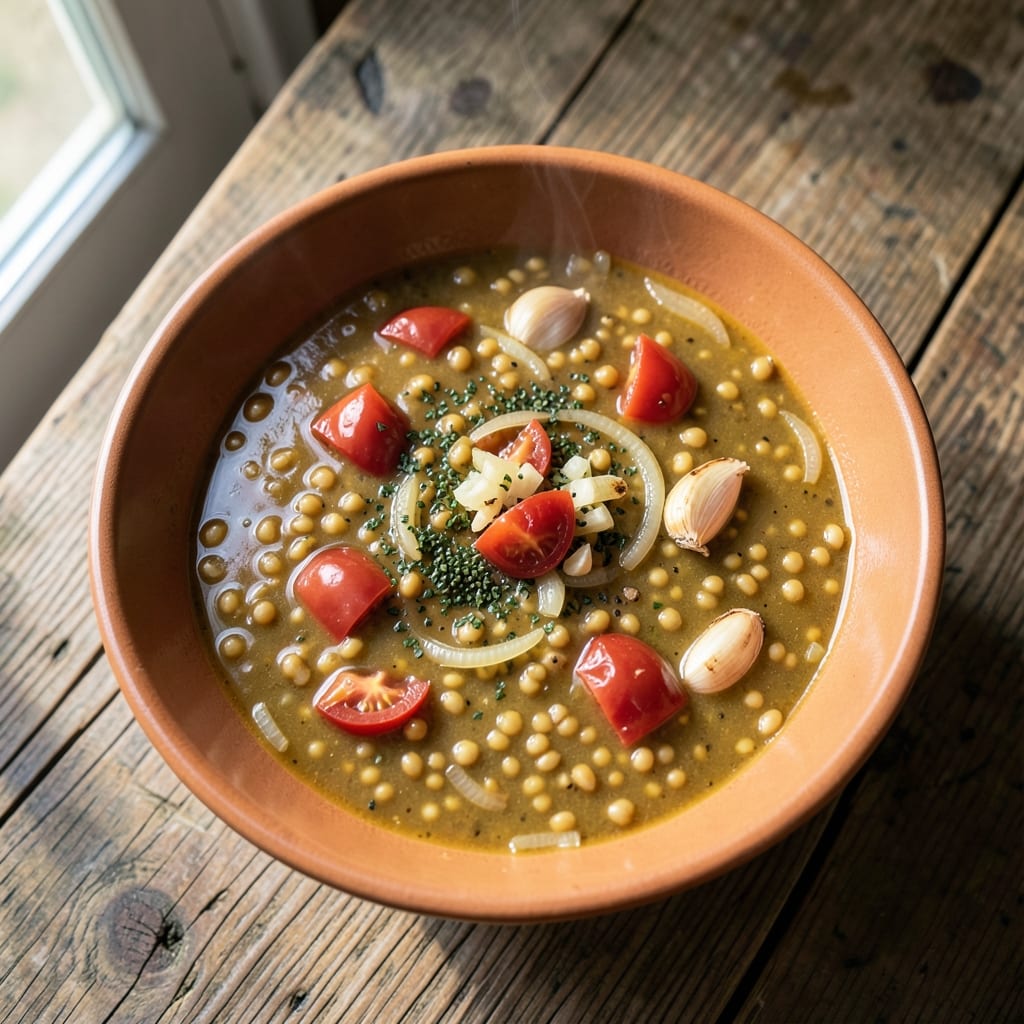
This bajra soup recipe transforms humble pearl millet into a deeply comforting bowl of earthy spice and nutty warmth that feels like a hug in every spoonful. The secret lies in slow-toasting whole spices until they release their aromatic oils, creating a flavor base that's both complex and comforting—perfect for chilly evenings or when you crave something nourishing yet light. What makes this recipe special is how it balances traditional techniques with modern simplicity, delivering restaurant-quality results without requiring hours in the kitchen.
The foundation of this soup is bajra (pearl millet), a gluten-free ancient grain packed with protein and fiber, simmered with seasonal vegetables until tender yet still holding its shape. Aromatic spices like cumin, coriander, and turmeric infuse the broth with warmth, while a touch of ghee adds richness that makes every bite satisfying. The dish is naturally vegetarian but easily adaptable—add lentils for extra protein or a dollop of yogurt for creaminess, depending on your preference.
What you'll end up with is a velvety soup where the bajra grains maintain their satisfying bite, vegetables melt into the broth, and spices create layers of flavor that linger. The aroma alone will draw everyone to the table, and the first spoonful delivers that perfect balance of earthy, nutty, and slightly sweet notes. This is comfort food at its finest—simple to prepare but deeply rewarding, with a texture and flavor profile that keeps it interesting bite after bite.
Perfect for meal prep or serving immediately, this bajra soup adapts beautifully to your schedule. Double the batch and store leftovers for up to three days, or adjust the spice level to suit your taste. Whether you're feeding a family or treating yourself to a nourishing bowl, this recipe delivers on both comfort and nutrition without compromise.
Ingredients for bajra soup
Earthy spices, nutty millet, and comforting vegetables come together in this aromatic bowl.
| Ingredient | Amount | Notes |
|---|---|---|
| Pearl Millet (Bajra) 🌾 | 1 cup | Rinsed before cooking |
| Yellow Onion 🧅 | 1 whole | Finely chopped |
| Garlic Cloves 🧄 | 4 cloves | Minced for depth |
| Ginger Root 🌿 | 1 tbsp | Freshly grated |
| Cumin Seeds 🌶️ | 1 tbsp | Toasted until fragrant |
| Ground Coriander 🌿 | 1 tsp | Freshly ground preferred |
| Turmeric Powder 🌶️ | ½ tsp | Bright yellow color |
| Garam Masala 🌶️ | 1 tsp | Store-bought blend works |
| Clarified Butter (Ghee) 🧈 | 2 tbsp | For richness |
| Carrots 🥕 | 2 medium | Diced into small cubes |
| Potatoes 🥔 | 2 medium | Cubed for texture |
| Tomatoes 🍅 | 2 medium | Chopped for acidity |
| Fresh Cilantro 🌿 | ¼ cup | Chopped for garnish |
| Vegetable Broth 💧 | 4 cups | Low-sodium preferred |
| Salt 🧂 | 1 tsp | Adjust to taste |
| Black Pepper 🌶️ | ½ tsp | Freshly cracked |
The bajra (pearl millet) is the heart of this soup—look for it in the bulk section of Indian grocery stores or specialty health food shops. If you can't find it, quinoa or farro works in a pinch, though the flavor will differ. Toast the cumin seeds until they're fragrant—this step is non-negotiable—as it unlocks their full aromatic potential. For the garam masala, MDH or Everest brands are widely available and reliable. Fresh ginger and garlic? Buy extra—you'll want them for other dishes too.
No cumin seeds? Ground cumin at twice the amount gets you close, though the toasted seeds add depth. Short on cilantro? Fresh parsley works, but the earthy flavor won't be identical. The tomatoes can be canned San Marzano if fresh aren't in season—just drain well. For extra richness, stir in 1 tbsp coconut milk at the end. Vegetable broth? Homemade is ideal, but even low-sodium store-bought will work if you adjust the salt at the end.
This soup tastes even better the next day—double the batch and store in airtight containers. Keeps for 4-5 days in the fridge or 3 months frozen. Reheat gently on the stove with a splash of water to restore creaminess. Garnish with extra cilantro and a drizzle of ghee before serving—trust me, it's worth the effort.
Why You'll Love This Recipe
- No-Fuss Pantry Staples: I swear by this soup because it only needs five things—bajra, onion, garlic, ginger, and cumin. That’s it. No specialty ingredients, no last-minute grocery runs. Honestly, my pantry already had everything the first time I made it.
- Earthy, Toasty Magic: The moment those cumin seeds hit the pan, the kitchen smells like a spice market. Then the bajra softens into a nutty, almost porridge-like texture—warm, satisfying, and packed with a depth you won’t find in every soup.
- Lunchbox or Lounge Food: Between us, this soup is my lazy Sunday brunch and my post-workout meal. It reheats beautifully, so I’ll make a big batch on Saturday and grab a jar for my lunchbox or a quick dinner after a long day. (Yes, even on a Tuesday night.)
- Budget Meal That Feeds: A cup of bajra costs less than half a loaf of bread, and it stretches into four servings. I’ll be real: my wallet thanks me every time I skip takeout and make this instead. Plus, the leftovers taste just as good—if not better—cold the next day.
Step-by-step instructions for bajra soup
Here's how to transform nutty pearl millet into a hearty, spiced soup that's pure comfort in a bowl.
Toast the Spices and Cook the Pearl Millet
Heat a large pot over medium heat and add the 2 tablespoons clarified butter (ghee). Once the ghee melts and begins to shimmer, add the 1 tablespoon cumin seeds and toast them for 30 seconds until they release their deep, earthy aroma and begin to sizzle gently. This is your signal to add the 1 whole yellow onion that's been finely chopped.
Cook the onion for 5 minutes until it softens and turns translucent, stirring occasionally. Add the 4 cloves garlic cloves that have been minced and the 1 tablespoon ginger root that's been freshly grated. Stir for 1 minute until the raw garlic smell disappears and you're left with a fragrant paste. Now add the 1 cup pearl millet (bajra) that's been rinsed. Stir for 2 minutes to coat the millet with the spices, then pour in the 4 cups vegetable broth that's been warmed. Bring everything to a gentle boil, then reduce heat to low and let it simmer uncovered for 20 minutes, stirring occasionally to prevent sticking. The millet should be tender but still have a slight bite.
Add Vegetables and Build the Flavor Base
After the initial 20 minutes, add the 2 medium carrots that have been diced into small cubes and the 2 medium potatoes that have been cubed for texture. Stir gently to combine, then add the 2 medium tomatoes that have been chopped for acidity. Sprinkle in the 1 teaspoon ground coriander, 0.5 teaspoon turmeric powder, and 1 teaspoon salt. Stir well to distribute the spices evenly throughout the soup.
Return the soup to a gentle simmer and cook uncovered for another 15 minutes, stirring occasionally. You'll notice the vegetables begin to soften and the soup thickens slightly as the starches release. After 15 minutes, taste the soup and adjust the seasoning if needed—this is where you can add more salt or a pinch of 0.5 teaspoon black pepper if you prefer a little more heat. The soup should have a balanced flavor with the nutty millet, earthy spices, and bright tomato acidity.
Finish with Garam Masala and Fresh Herbs
Once the vegetables are tender and the soup has thickened to your liking, remove the pot from heat. Stir in the 1 teaspoon garam masala and let it sit for 2 minutes to allow the warm spices to infuse and release their aromatic oils. This step is crucial—it adds that final layer of complexity that makes this soup truly special.
Ladle the hot soup into bowls and garnish each serving with 0.25 cup fresh cilantro that's been chopped. The bright green herbs contrast beautifully with the warm, earthy tones of the soup. Serve immediately while the flavors are at their peak, and enjoy the comforting texture of the nutty millet combined with the tender vegetables. This soup is perfect for chilly days or whenever you need a nourishing, flavorful meal that's simple yet deeply satisfying.
Pro Tips For Making Bajra Soup
- Toast the Bajra First: Skip the raw millet—dry-toast the bajra in a heavy pan over medium heat for 3-4 minutes until it smells nutty and fragrant. I used to skip this step, and the soup always tasted flat; toasting unlocks the grain’s natural depth.
- Finely Grind the Onion: Pulse the onion in a food processor until it’s almost paste-like, not just chopped. This ensures even cooking and prevents grittiness in the finished soup—my first batches had stubborn onion bits that never softened.
- Low and Slow for Creaminess: Once the bajra starts absorbing liquid, drop the heat to the lowest setting and simmer uncovered. Rushing it makes the soup gluey; patience gives you a velvety texture that’s actually worth the wait.
- Bloom the Cumin Properly: Add the cumin seeds to hot oil and let them sizzle for 20 seconds until they darken slightly—this releases their full aroma. I learned this the hard way after a batch tasted bland because I moved too quickly.
Troubleshooting this recipe
Grain Too Hard
If your bajra feels undercooked or overly hard after simmering, it’s likely because the millet wasn’t cooked long enough or the heat wasn’t low enough. Bajra needs gentle, consistent heat—never a rolling boil. After adding broth, reduce to low heat and simmer uncovered for 20-25 minutes, stirring occasionally. If still firm, add ½ cup more broth and cook another 10 minutes. Pro tip: Rinse the bajra twice before cooking to remove excess starch that can make it gummy. 🌾
Broth Too Thin
A watery soup usually means the broth wasn’t reduced enough or the vegetables released too much liquid. To fix this, simmer uncovered for 5-10 extra minutes to let excess moisture evaporate. For a quicker fix, mash ½ of the cooked potatoes with a fork to thicken the broth naturally. If you prefer a creamier texture, stir in 1 tbsp coconut milk or a dollop of plain yogurt at the end. 💧
Spices Overpowering
Too much garam masala or cumin can make the soup taste bitter. Start with ½ tsp garam masala and toast cumin seeds for only 30 seconds—no longer! If the flavor is still too strong, balance it with 1 tsp lemon juice or ½ cup coconut milk to mellow the heat. Taste as you go: add spices gradually during cooking, not all at once. 🌶️
Vegetables Mushy
Overcooking carrots and potatoes turns them to mush. Add them after the initial 20-minute simmer of the bajra and broth, then cook for only 10-12 minutes. For even cooking, cut potatoes into even ½-inch cubes and carrots into small, uniform pieces. If they soften too quickly, remove the pot from heat 2-3 minutes early and let them sit covered while you finish other steps. 🥔
Lacking Depth
If your soup tastes flat, the spices weren’t toasted enough or the garam masala wasn’t infused properly. Toast cumin seeds until they sizzle (not burn) and stir in garam masala off the heat for 2 minutes to let the oils bloom. For extra richness, finish with 1 tsp ghee or a pinch of asafetida (hing)—just ⅛ tsp goes a long way for umami depth. 💡
Grain Sticking
Bajra can stick if the pot isn’t wide enough or the broth isn’t stirred often enough. Use a large, heavy-bottomed pot (like a Le Creuset Dutch oven) and stir every 5 minutes during the initial simmer. If it starts sticking, add 2 tbsp water or broth and scrape the bottom gently with a wooden spoon. For future batches, rinse the bajra thoroughly and coat it in ghee before adding broth. 🍲
Nutrition facts
Frequently asked questions
Can I substitute bajra with another grain?
Yes! If you can't find pearl millet, try quinoa (1:1 ratio) or farro (use ½ cup per 1 cup bajra). For a closer flavor, barley works but may need 5-10 extra minutes of cooking. Avoid rice—it lacks the nutty depth and texture.
How do I make this soup spicier?
Add ½ tsp cayenne pepper with the other spices or stir in 1 tbsp red chili powder when adding vegetables. For heat without dryness, finish with 1 tsp hot sauce or ½ tsp asafoetida (hing). Remember: toast spices gradually to avoid overpowering.
Can I prepare this soup ahead of time?
This soup tastes even better the next day. Cook and store in an airtight container for up to 4 days in the fridge. For freezing, portion into silicone molds and freeze for 3 months. Reheat gently on low heat with 2 tbsp water to restore creaminess.
What if I don't have ghee?
Use neutral oil (like avocado or vegetable) or butter for richness. For a dairy-free option, swap with coconut oil. Reduce by 1 tbsp if using butter—it contains water. The flavor will differ slightly but still delicious.
Is this soup gluten-free and nut-free?
Yes! Pearl millet is naturally gluten-free and this recipe contains no nuts. Always check your vegetable broth and garam masala labels for hidden gluten (some blends contain wheat). For extra safety, use certified gluten-free spices.