
Soups & Stews
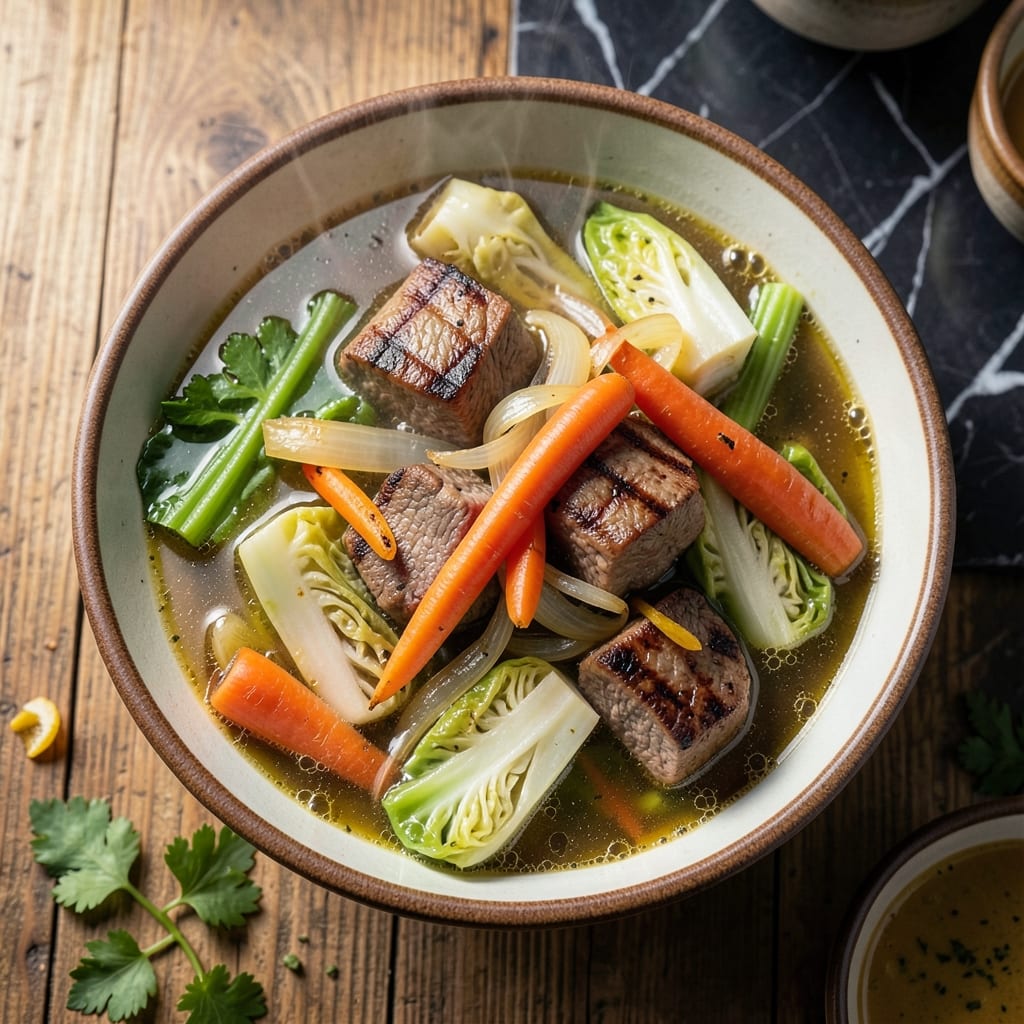
This award-winning vegetable beef soup with cabbage transforms humble ingredients into a deeply flavorful, hearty dish that wins over even the most skeptical soup critics. The secret lies in slow-browning the beef for deep caramelization, simmering aromatic vegetables until tender yet retaining their texture, and balancing rich broth with bright cabbage and herbs. Every spoonful delivers layers of umami from the beef, sweetness from the carrots, and a satisfying bite from the cabbage—all held together by a broth so rich it feels like a hug in a bowl.
What sets this recipe apart is the attention to technique: beef cooked low and slow until fork-tender, cabbage that stays crisp yet softens just enough to soak up flavors, and a blend of bay leaves, thyme, and black pepper that builds complexity without overpowering. The soup achieves that perfect balance between rustic comfort and refined elegance—something that makes it stand out at family dinners or potlucks. Professional results don't require professional skills; just patience and a few key steps.
The final result is a soup with visual appeal—golden broth flecked with tender beef chunks, vibrant cabbage leaves, and glistening carrots—along with textures that surprise at every bite: the satisfying crunch of cabbage, the melt-in-your-mouth tenderness of beef, and the velvety smoothness of the broth. This isn't just soup; it's a meal that feels like a celebration, whether you're serving it to a crowd or enjoying a cozy bowl on a chilly evening.
Ready in about 2 hours (with minimal active time), this soup becomes even better the next day as flavors meld and deepen. The recipe scales effortlessly, making it perfect for meal prep or holiday gatherings. Here's how to create a bowl that tastes like it belongs in a competition—but feels completely at home in your kitchen.
Ingredients for award winning vegetable beef soup recipe with cabbage
These carefully selected ingredients create a soup that balances rich beef with vibrant vegetables for award-winning flavor.
| Ingredient | Amount | Notes |
|---|---|---|
| Beef Chuck Roast 🥩 | 2 lb | Cut into 1-inch cubes |
| Green Cabbage 🥬 | 1 small head | Core removed, cut into wedges |
| Carrots 🥕 | 4 medium | Peeled, cut into 1-inch chunks |
| Yellow Onion 🧅 | 1 large | Cut into 1-inch pieces |
| Garlic Cloves 🧄 | 6 cloves | Minced for depth of flavor |
| Celery Stalks 🥬 | 4 whole | Cut into 1-inch pieces |
| Bay Leaves 🌿 | 2 whole | Fresh preferred for aroma |
| Fresh Thyme 🌿 | 2 tbsp | Leaves only, stems removed |
| Black Peppercorns 🌶️ | 1 tsp | Freshly cracked for intensity |
| Salt 🧂 | 1 ½ tsp | Diamond Crystal preferred |
| Beef Broth 💧 | 6 cups | Homemade or high-quality store-bought |
| Tomato Paste 🍅 | 2 tbsp | Squeeze tube or canned |
| Olive Oil 🫒 | 2 tbsp | Extra-virgin for richness |
| Fresh Parsley 🌿 | ¼ cup | Chopped for garnish |
The beef is the foundation—chuck roast delivers that deep umami flavor when cooked low and slow. Look for cuts with good marbling at Whole Foods or your local butcher shop; pre-cut packages work too. The cabbage is non-negotiable: green cabbage with tight leaves holds its texture best. For the broth, homemade is ideal, but Pacific Foods or Kettle & Fire brands are excellent shortcuts. Don't skimp on the garlic—it's where the magic happens.
No chuck roast? Short ribs or brisket work beautifully, though cooking times may vary. Substitute dried thyme at one-third the amount of fresh, but fresh is worth the extra minute. The tomato paste can be omitted entirely if you prefer a lighter broth, though it adds depth. For the cabbage, red cabbage adds visual contrast but requires slightly longer cooking. The carrots can be swapped for parsnips if you're feeling adventurous—just increase cooking time by 10 minutes.
This soup tastes even better the next day as flavors meld. Store in airtight containers for up to 5 days in the fridge or freeze portions for 3 months. For meal prep, double the recipe and freeze individual servings. The beef and vegetables can be prepped ahead and refrigerated for 2 days before cooking. Garnish with fresh parsley just before serving to maintain vibrant color.
Why You'll Love This Recipe
- One-Pot Magic: I swear by this—just toss everything in one pot, walk away, and come back to perfectly tender beef and caramelized cabbage. No chopping board chaos, no extra dishes, and that rich broth? It practically makes itself.
- Deep Umami Bomb: That slow-cooked chuck roast turns into melt-in-your-mouth shreds, while the cabbage gets just crisp enough to cut through the meaty depth. Honestly, the garlic and onions caramelize into this sweet, savory base that makes me want to lick the spoon.
- Leftovers That Beg: Between us, this soup improves the next day—even better than fresh. I freeze half for lazy nights, and the rest? Gone in a flash. My kids fight over the last bowl, and I don’t even have to reheat it properly—they’ll eat it straight from the fridge.
- Budget Powerhouse: A single chuck roast stretches to feed six, and cabbage + carrots are the cheapest veggies around. I’ve made this for potlucks, game days, and even my book club—everyone leaves happy, and my wallet stays full. (Yes, even on a Tuesday night.)
Step-by-step instructions for award-winning vegetable beef soup
This method delivers rich, layered flavor with perfectly tender beef and vibrant vegetables.
Sear the Beef Chuck Roast for Deep Flavor
Heat the 2 tablespoons olive oil in a large pot over medium-high heat until shimmering. Pat the 2 lb beef chuck roast dry with paper towels and cut into 1-inch cubes. Working in batches, add the beef to the pot and sear for 3-4 minutes per side until deeply browned. This step develops that fundamental Maillard reaction that forms the soup's rich foundation.
As the beef browns, you'll notice the fat rendering out—this is good. Don't overcrowd the pot or the temperature will drop. Once all pieces are browned, transfer them to a plate and set aside. The remaining browned bits in the pot will become the flavor base for your soup, so don't scrape them out yet.
Build the Aromatic Vegetable Base
In the same pot, add the 1 large yellow onion (cut into 1-inch pieces), 4 whole celery stalks (cut into 1-inch pieces), and 4 medium carrots (cut into 1-inch chunks). Cook for 5-6 minutes until the vegetables begin to soften and the onion becomes translucent. This process releases their natural sugars and sweetness into the pot.
Add the 6 cloves garlic cloves (minced) and cook for another 30 seconds until fragrant. Stir in the 2 tablespoons tomato paste and cook for 1 minute to deepen the color and flavor. This step creates a flavorful base that will infuse the entire soup.
Simmer the Soup for Maximum Flavor Development
Pour in the 6 cups beef broth and bring the mixture to a boil. Add the 2 whole bay leaves, 2 tablespoons fresh thyme leaves, 1 teaspoon freshly cracked black peppercorns, and 1.5 teaspoons salt. Return the seared beef to the pot and reduce heat to low-medium to maintain a gentle simmer. Cover partially and cook for 1 hour to allow the beef to become fork-tender.
After 1 hour, add the 1 small head green cabbage (core removed, cut into wedges) and continue simmering for another 30-45 minutes until the cabbage is tender and the beef effortlessly pulls apart. The soup should have a rich, aromatic depth with the vegetables fully integrated into the broth.
Finish and Garnish for Presentation
Remove the bay leaves and thyme stems from the soup. Taste and adjust seasoning with additional salt or pepper if needed. The soup should be well-seasoned with a balance of savory, sweet, and umami flavors. For the final touch, stir in the 0.25 cup chopped fresh parsley just before serving to add a fresh, vibrant note that brightens the rich flavors.
Serve the soup hot in deep bowls, garnished with additional parsley. Each spoonful should deliver tender beef, hearty vegetables, and a deeply flavorful broth that makes this soup truly award-worthy. The cabbage should be tender but still hold its shape, and the beef should be so tender it nearly falls apart at the touch.
Pro Tips For Making Award Winning Vegetable Beef Soup Recipe With Cabbage
- SEAR THE CHUCK ROAST: I learned this the hard way—skipping the deep sear means your soup will taste like it simmered in water, not beef. Use a hot, oiled pan and cook the roast until it’s got a deep brown crust on all sides. That crust locks in flavor, and trust me, you’ll taste it in every spoonful.
- SAUTE ONIONS UNTIL STICKY: Don’t just soften the onions—cook them until they’re dark golden and the pan starts to smell like caramel. This isn’t the prettiest method, but it’s the tastiest. The deeper the color, the richer the base for your soup, and that’s the thing that matters most when you’re going for award-worthy results.
- CHOP CABBAGE SMALL AND UNIFORM: Big chunks of cabbage stay tough no matter how long you simmer. Cut it into 1-inch pieces so it softens evenly and blends into the soup instead of sitting like a sad, overcooked afterthought. Yes, it takes a few extra minutes, but your future self will thank you.
- ADD GARLIC LATE: Crush the garlic cloves and toss them in with the cabbage and carrots in the last 15 minutes of cooking. Raw garlic burns easily, and if you add it too early, it turns bitter. This way, it infuses the soup with bright, fresh flavor without taking over. I was skeptical until I tried it—now I never skip it.
Best sauces and condiments for these flavors
Creamy Dill Sour Cream
This tangy, velvety sauce transforms your soup into a restaurant-worthy dish. Mix ½ cup sour cream with 2 tablespoons chopped fresh dill, 1 tablespoon lemon juice, and a pinch of salt. Stir gently to maintain texture, then dollop on top of each bowl. The cool creaminess contrasts beautifully with the warm soup, while the dill adds a bright herbal note that cuts through the richness. 🌿
Spicy Harissa Swirl
For heat lovers, swirl in 1 teaspoon harissa paste (like Bella brand) during the final 10 minutes of simmering. This North African chili paste brings smoky, fruity heat that pairs perfectly with the cabbage's crunch. Garnish with a sprinkle of smoked paprika for visual drama. I love this twist for dinner parties—it gets everyone talking! 🌶️
Garlic-Herb Oil
Infuse ½ cup olive oil with 4 cloves roasted garlic, 1 tablespoon fresh thyme, and 1 tablespoon fresh rosemary by simmering gently for 10 minutes. Strain and drizzle 1 tablespoon over each serving. The aromatic oil adds depth without overpowering the soup's natural flavors. Store the remaining oil in the fridge for up to 1 week—perfect for future soups or dipping. ✨
Crispy Onion Topping
Caramelize ½ large onion in 1 tablespoon butter until deep golden brown, then sprinkle with ½ teaspoon sugar for extra sweetness. Scatter these crispy bits over the soup just before serving. The contrast of crunchy topping and creamy broth creates a textural masterpiece that elevates every bite. Pro tip: Make a big batch and store in an airtight container for 3 days. 🥕
Lemon-Pepper Vinaigrette
Whisk together 2 tablespoons olive oil, 1 tablespoon lemon juice, 1 teaspoon cracked black pepper, and ½ teaspoon salt. Drizzle lightly over the soup to brighten flavors and add a refreshing acidity. This works especially well if your soup leans too heavy—it's my go-to fix for balancing rich beef flavors. Serve with crusty bread for dipping. 💛
Nutrition facts
Frequently asked questions
Why does this recipe use chuck roast instead of ground beef?
The chuck roast delivers that signature beefy depth through slow cooking, creating tender, flavorful chunks that fall apart easily. Ground beef would turn mushy and lose its texture. For a quicker version, try short ribs—they hold up better to long simmering while still offering rich flavor. The key is patience: chuck roast needs time to transform into melt-in-your-mouth perfection.
Can I make this soup in a slow cooker?
Sear the beef first in a skillet, then transfer everything to a 6-quart slow cooker. Cook on low for 6-7 hours or high for 3-4 hours until the beef is tender. The slow cooker method actually enhances the flavors by allowing them to meld gently over time. Just add the cabbage during the last 30 minutes to prevent it from overcooking.
How do I keep the cabbage from turning mushy?
Add the cabbage wedges only during the final 30-45 minutes of cooking, not at the beginning. For extra texture, keep the wedges slightly larger than 1-inch thick and avoid overcrowding the pot. If your cabbage softens too quickly, try adding it to individual bowls at the end and letting diners stir it in. The goal is tender-crisp, not mushy!
What's the best way to reheat leftovers?
Reheat gently on the stove over medium-low heat until steaming hot, stirring occasionally. Avoid microwaving as it can make the cabbage rubbery. For best results, reheat only what you need and keep the rest refrigerated. This soup actually tastes better the next day as flavors deepen, so leftovers are a bonus! Store in airtight containers for up to 5 days.
Can I substitute any vegetables in this recipe?
Swap carrots for parsnips or sweet potatoes, and celery for fennel. For more heartiness, add 1 cup chopped potatoes or ½ cup diced butternut squash during the last 20 minutes. Just adjust cooking times accordingly—root vegetables take longer to tenderize. The cabbage is the star, but these additions add wonderful texture variety.