
Soups & Stews
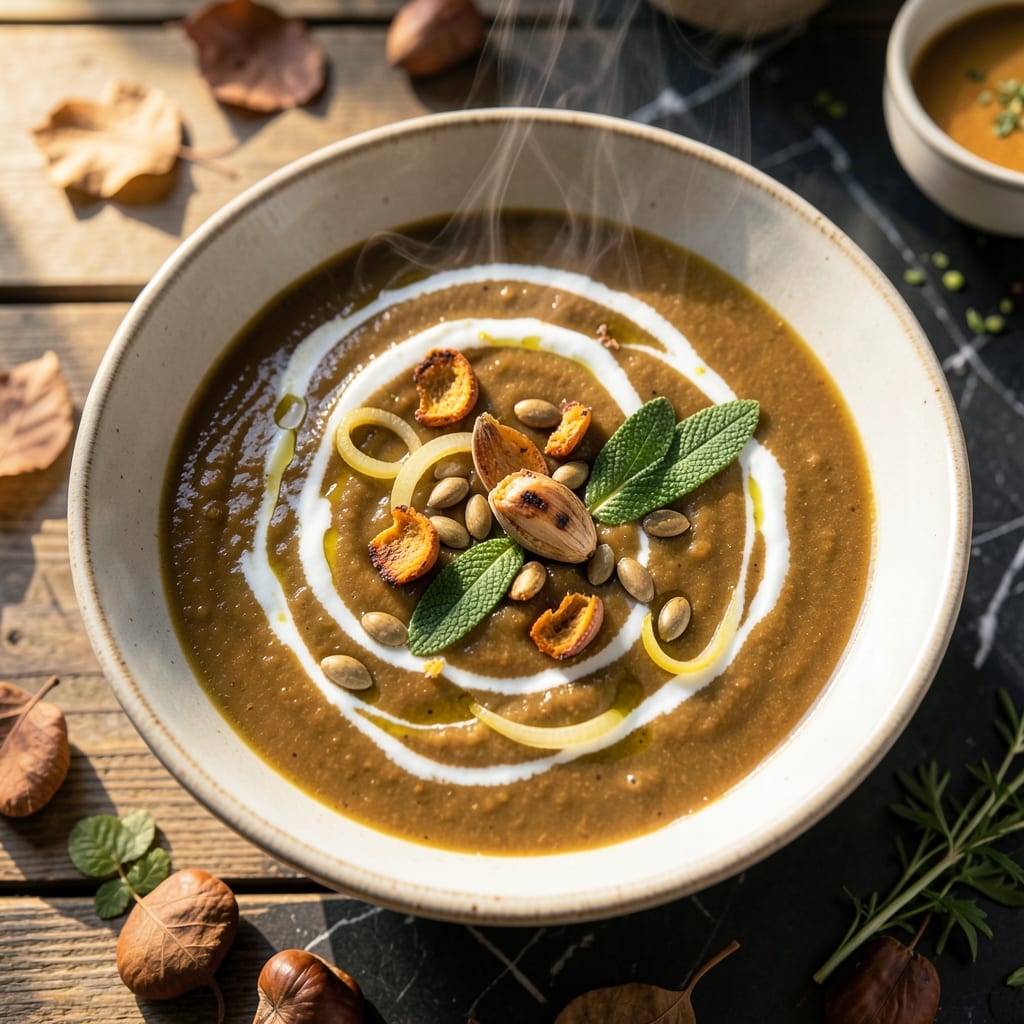
This autumn harvest butternut squash soup recipe transforms humble ingredients into a velvety, spiced masterpiece that captures fall's essence in every spoonful. 🍂 The secret lies in roasting the squash first—caramelizing its natural sweetness while developing deep, nutty flavors that simmer into a rich, aromatic broth. What starts as a simple soup becomes a hearty centerpiece when paired with crispy sage leaves or toasted pumpkin seeds.
Roasting the squash at high heat concentrates its sugars and infuses the soup with a complexity you won't find in stovetop-only versions. Warm spices like cinnamon and nutmeg add warmth without overpowering, while a touch of coconut milk creates that signature creamy texture without heavy cream. The result? A soup that's naturally sweet, deeply aromatic, and packed with seasonal character in just 30 minutes of active time.
This recipe delivers restaurant-quality depth while keeping prep simple—no peeling required, just a quick roast and blend. The aroma alone will have your kitchen smelling like a harvest festival, and each spoonful reveals layers of flavor that balance sweet, savory, and spiced notes perfectly. Serve with crusty bread to soak up every last drop, or alongside a simple salad for a complete autumnal meal.
The beauty of this soup lies in its versatility. Make it creamy with coconut milk or keep it lighter with vegetable broth, then customize with toppings like crispy bacon, fresh herbs, or a drizzle of maple syrup. It reheats beautifully too, making it perfect for meal prep when fall's chill sets in. Let's get cooking—your taste buds will thank you.
Ingredients for autumn harvest butternut squash soup
Roasted squash, aromatic spices, and creamy coconut milk—just 13 ingredients for a soup that tastes like fall.
| Ingredient | Amount | Notes |
|---|---|---|
| Medium Butternut Squash 🎃 | 1 ½ lb | Peeled, seeded, cut into 1-inch cubes |
| Vegetable Broth 💧 | 4 cups | Low-sodium preferred |
| Extra-Virgin Olive Oil 🫒 | 2 tbsp | For roasting squash |
| Yellow Onion 🧅 | 1 whole | Diced, about 1 cup |
| Garlic Cloves 🧄 | 3 cloves | Peeled, minced |
| Coconut Milk 🥥 | ½ cup | Full-fat for creaminess |
| Ground Cinnamon 🌿 | ½ tsp | Freshly ground preferred |
| Ground Nutmeg 🌿 | ¼ tsp | Freshly grated |
| Salt 🧂 | 1 tsp | Kosher or sea salt |
| Ground Black Pepper 🌶️ | ¼ tsp | Freshly ground |
| Fresh Sage Leaves 🌿 | ¼ cup | Chopped, for garnish |
| Pumpkin Seeds 🥜 | ¼ cup | Toasted, for topping |
| Maple Syrup 🍯 | 1 tbsp | For drizzling |
The squash is the star—look for small to medium butternuts at Whole Foods or local farms (they're sweeter and less stringy). Trader Joe's has pre-cut squash if you're short on time, but roasting whole cubes gives the best caramelization. For extra depth, leave the skin on while roasting—just peel before blending. The coconut milk should be full-fat (Goya or Native Forest brands work great), but if you're avoiding dairy, this is your creamy fix. Pro tip: Toast the spices in a dry pan for 30 seconds before adding—they'll sing in this soup.
No coconut milk? Substitute with 1/2 cup Greek yogurt or cashew cream for tangy richness. Short on sage? Fresh thyme or rosemary at the same amount works beautifully. The maple syrup is optional but worth the drizzle—it balances the soup's natural sweetness and adds a touch of elegance. For a lighter version, skip the coconut milk entirely and use extra broth. The pumpkin seeds? Toast them in a dry skillet until golden—they add crunch and a nutty contrast that makes this soup feel restaurant-worthy.
This soup reheats like a dream—taste better the next day as flavors meld. Keeps 5 days in the fridge or 3 months frozen. For meal prep, store in airtight containers with a layer of coconut milk on top to prevent skin formation. Garnish with crispy sage and seeds right before serving—they lose crunch when stored. Double the batch and freeze half; you'll thank yourself when winter rolls in.
Why You'll Love This Recipe
- One-Pot Magic: I swear by this recipe when I’m too tired to wash pots. Peel the squash, toss it in a single pot with the broth and onion, and let the stove do the work—no blender, no fuss. The garlic sizzles in the olive oil first, and that aroma alone tells me dinner’s saved.
- Savory-Sweet Balance: That butternut squash—roasted until tender but still holding its shape—melts into the broth like a hug. The onion caramelizes just enough to deepen the flavor, while the garlic adds a sharp, warm kick. It’s the kind of soup that tastes even better the second day, if you can wait.
- Weeknight to Weekend: I make this for busy nights when I need something hearty but quick, but it’s also my go-to for game days or chilly afternoons with friends. Add a swirl of cream for richness, or keep it light with a sprinkle of toasted pumpkin seeds. It adapts without trying too hard.
- Budget-Friendly Pantry Staples: Between us, this recipe costs me less than takeout and feeds four easily. Butternut squash is affordable this time of year, and the broth, oil, and aromatics are basics I always have. Plus, leftovers reheat like a dream—just stir in a splash of water if it thickens too much. Win.
Step-by-step instructions for roasted butternut squash soup
Here's how to turn simple ingredients into velvety, spiced soup with caramelized depth.
🔥 Step 1: Roast the Squash and Onion for Caramelized Flavor
Preheat your oven to 400°F and line a baking sheet with parchment paper. Toss the 1.5 lb medium butternut squash cubes and 1 whole yellow onion (diced) with 2 tbsp extra-virgin olive oil, 0.5 tsp ground cinnamon, 0.25 tsp ground nutmeg, and 1 tsp salt. Spread them in a single layer—they need room to brown.
Roast for 25-30 minutes, stirring halfway, until the squash is tender when pierced with a fork and the edges are deep golden brown. This roasting step creates the soup's signature caramelized depth. If the onion starts to burn, pull it out and separate it from the squash before continuing.
🍳 Step 2: Build the Soup Base with Aromatics
While the squash roasts, heat 1 tbsp extra-virgin olive oil in a large pot over medium heat. Add the 3 peeled, minced garlic cloves and sauté for 30 seconds until fragrant—don't let it brown or it'll turn bitter. Add the roasted onion and cook for another 2 minutes to deepen the flavors.
Pour in the 4 cups vegetable broth and bring to a gentle simmer. Add the roasted squash and cook for 5 minutes to meld all the flavors. Here's the thing—this simmering time lets the spices infuse properly and creates that perfect balance of sweetness and warmth.
🥘 Step 3: Blend to Silky Perfection
Use an immersion blender to purée the soup directly in the pot until completely smooth. If you prefer using a countertop blender, carefully transfer the hot mixture (in batches if needed) and blend until silky. The soup should be creamy but not thick—if it's too thick, whisk in 2-4 tbsp hot broth as needed.
Strain through a fine-mesh sieve if you prefer an ultra-smooth texture, pressing on the solids to extract every last bit of flavor. Return the soup to the pot and stir in the 0.5 cup coconut milk and 1 tbsp maple syrup. Season with 0.25 tsp ground black pepper to taste—this is where the soup comes together with its signature balance of sweet, spiced, and savory notes.
🔥 Step 4: Finish and Garnish Like a Pro
Return the soup to a gentle simmer over medium-low heat for 5 minutes to let the flavors meld. Taste and adjust seasoning—you might need a pinch more salt or cinnamon depending on your broth. Meanwhile, toast the 0.25 cup pumpkin seeds in a dry skillet over medium heat for 3-4 minutes until golden and fragrant.
Ladle the soup into bowls and garnish with the toasted pumpkin seeds, chopped 0.25 cup fresh sage leaves, and an extra drizzle of maple syrup. The contrast of crispy seeds, aromatic sage, and sweet syrup takes this soup from ordinary to extraordinary. Serve immediately while the seeds are still warm and crunchy.
Pro Tips For Making Autumn Harvest Butternut Squash Soup
- ROAST THE SQUASH FIRST: Cut the butternut into 1-inch cubes, toss them with 1 tablespoon olive oil, and roast at 400°F (200°C) for 25 minutes before blending. This caramelizes the edges and deepens the flavor—no, it won’t turn to mush when pureed, and the soup will taste like it simmered for hours.
- PEEL AFTER ROASTING: Skip the raw peeling step entirely. Roasted squash peels right off with a spoon—no knife fights, no wasted time. Just let the cubes cool slightly first, or your hands will be sticky (and you’ll curse the squash).
- SWEAT THE ONION LOW: Cook the diced onion in olive oil over medium-low heat for 8–10 minutes until it’s translucent and just starting to turn golden. Rushing this step means your soup will taste raw and bitter—no one wants that sad, watery onion flavor lurking in the background.
- BLITZ THE GARLIC: Add the minced garlic to the pot after the onion has sweated for 5 minutes, then cook it for 30 seconds max—just until fragrant. Let it brown even a little, and you’ll get nutty depth. Burn it, and you’ll regret it (trust me, I’ve done it twice).
Pro cooking tips for perfect results
Roast for Maximum Flavor
The secret to this soup's depth lies in roasting the squash and onion at 400°F until deeply caramelized. Spread the cubes in a single layer on your baking sheet—crowding steams instead of browns. I like to use Whole Foods Market's pre-cut butternut squash for convenience, but roasting whole cubes gives that restaurant-quality caramelization. Stir halfway through cooking to ensure even browning, especially on the edges where the sugars concentrate. 🔥
Spice Toasting Trick
Before adding your cinnamon and nutmeg to the soup, toast them in a dry skillet over medium heat for 30 seconds. The warm spices release their essential oils, making their flavors pop in the soup. I keep a small jar of freshly ground spices on hand—I swear by Penzeys Spices for their superior quality. This simple step transforms ordinary spices into aromatic powerhouses that define this autumnal dish.
Blend Smartly
For the smoothest texture, use an immersion blender. It's safer and more efficient than transferring hot soup to a countertop blender. If you prefer batch blending, let the soup cool slightly first to prevent splattering. I always press the solids through a fine-mesh sieve to extract every last bit of flavor—it makes a noticeable difference in richness. For extra creaminess without coconut milk, blend in ½ cup Greek yogurt.
Garnish Like a Pro
Toast your pumpkin seeds in a dry skillet until golden and fragrant—this adds a nutty crunch that contrasts beautifully with the silky soup. I like to crisp the sage leaves in the same pan for 10-15 seconds. The combination of warm seeds, aromatic herbs, and a drizzle of maple syrup elevates this soup from comforting to extraordinary. Add garnishes just before serving to maintain their freshness and texture. ✨
Reheat with Care
This soup actually tastes better the next day as flavors meld together. Reheat gently on the stovetop over low heat. If using the microwave, cover with a damp paper towel and heat in 1-minute intervals. Never reheat to a boil—it can break down the delicate texture. For meal prep, store in airtight containers with a layer of coconut milk on top to prevent skin formation. The flavors develop beautifully overnight, making it perfect for busy weeknights. 💫
Nutrition facts
Frequently asked questions
Why roast the squash instead of boiling it?
Roasting caramelizes the natural sugars in the squash, creating a deep, nutty flavor that simmering alone can't match. The high heat concentration gives this soup its signature richness and complexity—like the difference between store-bought and homemade. Plus, roasting removes excess moisture for a smoother blend.
Can I make this soup without coconut milk?
For a lighter version, use ½ cup Greek yogurt or cashew cream instead. If you prefer dairy, ½ cup heavy cream works well too. Just reduce the broth slightly to maintain the right consistency—this soup should be velvety but not gluey.
How do I store leftovers?
Store in airtight containers for up to 5 days in the fridge or 3 months in the freezer. To reheat, warm gently on the stovetop over low heat or microwave in 1-minute intervals. Never boil—it can break down the creamy texture. Add fresh garnishes after reheating for maximum freshness.
What's the best way to reheat frozen soup?
Thaw overnight in the fridge, then reheat on the stovetop with a splash of broth or water to restore creaminess. For quick reheating, transfer frozen soup to a pot with 1 cup fresh broth and simmer until hot. The flavors actually improve after freezing—this soup tastes even better the next day!
Can I use other winter squashes?
Yes! Delicata or acorn squash work beautifully—they're sweeter and have thinner skins. For a milder flavor, try hubbard squash, but butternut gives the classic autumnal taste. Just adjust cooking times—some varieties may need 10-15 minutes less roasting time.