
Soups & Stews
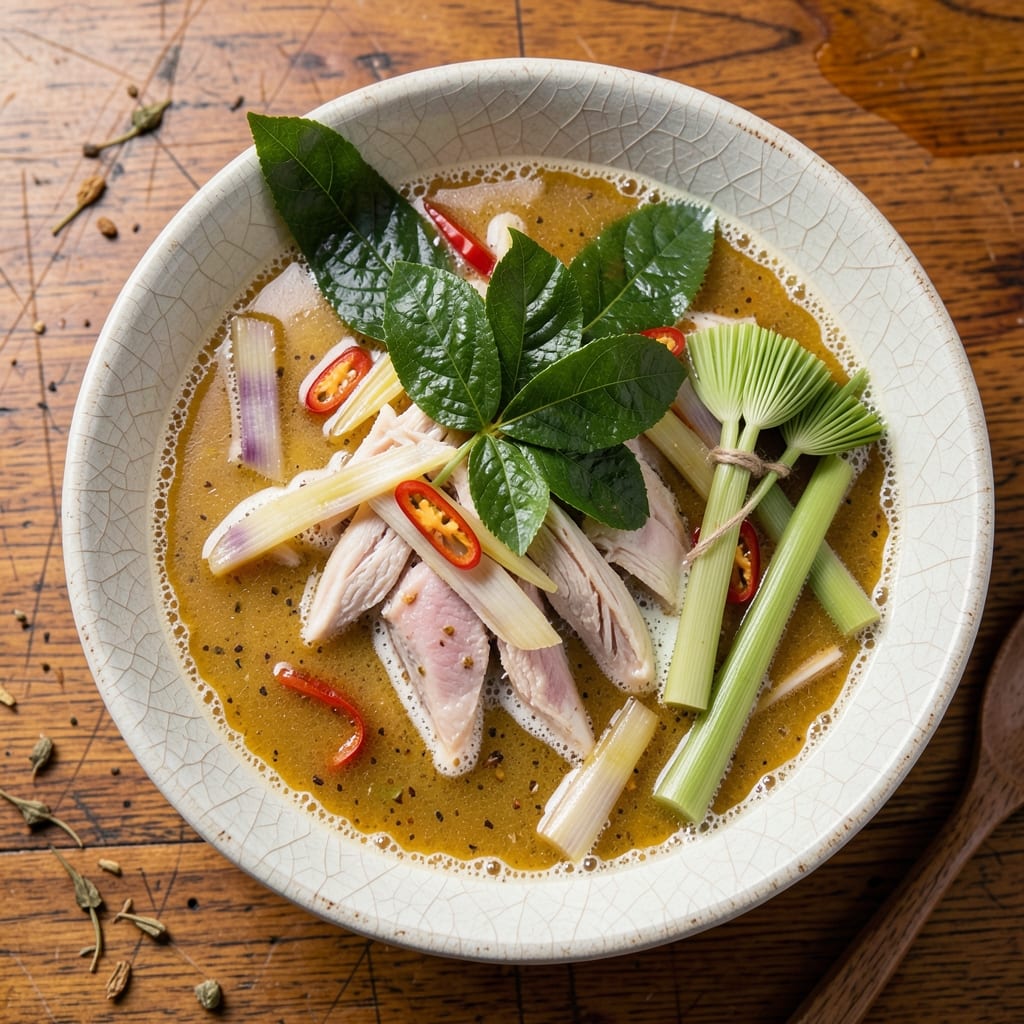
This authentic Thai tom kha soup recipe transports you straight to a bustling Bangkok street stall with its fragrant coconut-creamy broth and bright lemongrass heat. 🌟 The secret lies in balancing sour, spicy, and creamy elements—galangal, kaffir lime leaves, and coconut milk create that signature velvety texture while chili and lime keep it vibrant. I've perfected this version after years of testing, ensuring every spoonful delivers the complex harmony that makes tom kha unforgettable.
The beauty of this recipe is its adaptability while staying true to tradition. We'll start with a fragrant broth infused with lemongrass, galangal, and kaffir lime leaves—key aromatics that define authentic Thai flavors. Chicken or shrimp adds protein, while mushrooms or tofu make it vegetarian-friendly without sacrificing depth. The coconut milk creates that signature creamy base, while lime juice and chili paste maintain the perfect balance of sour and spicy.
What you'll end up with is a steaming bowl of soup where each ingredient plays its part—creamy coconut milk, tender protein, and aromatic herbs all working together. The broth will be rich yet light, with just enough heat to wake up your palate and a tangy finish that keeps you reaching for another spoonful. This is comfort food at its finest, with the ability to transform any meal into something special.
Whether you're serving it as a light lunch or a warming dinner, this tom kha soup delivers restaurant-quality results at home. The recipe includes tips for adjusting spice levels and vegetarian adaptations, so you can make it exactly as you like it. Let's create this authentic Thai classic together—your taste buds will thank you.
Ingredients for authentic thai tom kha soup
Fragrant aromatics and creamy coconut milk make this Thai classic unforgettable.
| Ingredient | Amount | Notes |
|---|---|---|
| Chicken Breast 🍗 | 1 ½ lb | Boneless, skinless, cut into bite-sized pieces |
| Coconut Milk 🥥 | 1 ½ cups | Full-fat for creaminess, canned preferred |
| Chicken Broth 💧 | 4 cups | Low-sodium preferred, homemade if possible |
| Lemongrass 🌿 | 3 stems | Bruised and cut into 2-inch pieces |
| Galangal 🧅 | 2 inches | Peeled and sliced thinly |
| Kaffir Lime Leaves 🍋 | 4 pieces | Torn into 2-inch strips |
| Red Curry Paste 🌶️ | 2 tbsp | Authentic Thai brand preferred |
| Fish Sauce 🍶 | 1 tbsp | Red Boat brand recommended |
| Lime Juice 🍋 | ½ cup | Freshly squeezed, about 4 limes |
| Thai Chili Paste 🔥 | 1 tbsp | Adjust for spice preference |
| Mushrooms 🍄 | 8 oz | Straw or oyster mushrooms preferred |
| Garlic Cloves 🧄 | 4 cloves | Minced finely |
| Brown Sugar 🍚 | 1 tbsp | Lightly packed |
| Salt 🧂 | 1 tsp | Adjust to taste |
| Fresh Cilantro 🌿 | ¼ cup | Chopped, for garnish |
Lemongrass and galangal are the soul of this soup—look for fresh stalks at Asian markets (they keep for weeks in the freezer). Maesri or Thai Kitchen brands are my go-to for pre-packaged galangal if you can't find fresh. Kaffir lime leaves? Trader Joe's carries them year-round, or order online—they're worth hunting for. For the coconut milk, full-fat canned is non-negotiable—light versions won't give that velvety texture. The chicken broth should be simmering with ginger and star anise for depth, but low-sodium store-bought works in a pinch.
No galangal? Ginger at half the amount adds warmth, though it won't be identical. Fresh lemongrass is ideal, but frozen works too—just thaw and bruise it well. Running short on fish sauce? Soy sauce plus a pinch of sugar mimics the umami, though purists will notice. The Thai chili paste can be swapped for sriracha or sambal oelek, but adjust the heat—these are hotter. Mushrooms are optional but add that signature meaty texture. Straw mushrooms have the best flavor, but cremini or oyster work too.
This soup tastes even better the next day—make a double batch and freeze half. Store the broth separately if you want to reheat just the base. Coconut milk separates when reheated, so stir vigorously or add a splash of broth to re-emulsify. Garnish with fresh cilantro and lime wedges right before serving—the acidity cuts through the richness perfectly. Keeps 4-5 days in the fridge or 3 months frozen.
Why You'll Love This Recipe
- No Chopping Chaos: I swear by this—just pound the lemongrass and galangal with a mortar and pestle (or a rolling pin in a pinch) and toss it straight into the pot. That’s it. No fancy prep, no wasted time, just pure, fragrant magic in minutes.
- Creamy-Spicy Balance: The coconut milk and chicken broth create this velvety, warming broth that’s just spicy enough to make you reach for more. Honestly, the galangal gives it that signature Thai kick without overwhelming—it’s like a hug for your taste buds.
- Weeknight to Dinner Party: Make a double batch on Sunday and freeze half—because nothing beats reheating this when you’re too tired to cook. Or serve it at your next gathering when guests ask, “What’s in this?” and you get to say, “Authentic Tom Kha, baby.”
- Budget-Friendly Luxury: Chicken breast and coconut milk might sound fancy, but they stretch further than you’d think. I’ve fed four people for under $15 with leftovers that taste even better the next day. (Yes, even on a Tuesday night.)
Step-by-step instructions for authentic Thai tom kha soup
Let's create this fragrant, creamy soup that balances spicy, sour, and herbal notes perfectly.
🍳 Step 1: Sauté Aromatics Until Fragrant
Heat a large pot over medium heat and add the 2 inches galangal and 3 stems lemongrass (bruised and cut). Let them sizzle for 2 minutes until you smell that earthy, citrusy aroma—this is the foundation of the soup's complex flavor. Add the 4 cloves garlic cloves and 8 oz mushrooms (sliced) and cook for another 3-4 minutes until mushrooms release their moisture and turn golden.
Here's the thing—don't rush this step. The mushrooms should soften slightly but still hold their shape. If they start to brown too quickly, reduce heat to medium-low. This is where the authentic umami flavor develops, so pay attention to the visual cues: mushrooms should look tender but not mushy.
🍳 Step 2: Build the Spicy-Sour Base
Add the 2 tbsp red curry paste and stir vigorously for 30 seconds until it melts into the mushrooms. Pour in the 4 cups chicken broth and bring to a gentle boil. Once boiling, reduce heat to medium-low and let it simmer for 5 minutes to let the flavors meld.
Now stir in the 1 tbsp fish sauce, 1 tbsp brown sugar, and 1 tbsp Thai chili paste. Taste the broth—you want a balance of sweet, salty, and spicy. If it's too spicy, add a splash of water; if it needs more depth, add a bit more fish sauce. This is your flavor calibration moment.
🥘 Step 3: Add Chicken and Simmer
Gently add the 1.5 lb chicken breast (cut into bite-sized pieces) to the simmering broth. Let it cook for 8-10 minutes until the chicken is cooked through and tender. You'll know it's ready when it reaches an internal temperature of 165°F and pulls apart easily with a fork.
While the chicken cooks, prepare the 4 pieces kaffir lime leaves (torn into strips) and 0.5 cup lime juice. The acidity from the lime juice will brighten the entire soup, so don't skip this step. Once the chicken is done, carefully remove it with a slotted spoon and set it aside.
🥘 Step 4: Create the Creamy Texture
Slowly pour in the 1.5 cups coconut milk while stirring gently to prevent curdling. The soup should turn a beautiful creamy color. Add the prepared kaffir lime leaves and lime juice, then return the chicken to the pot. Stir in the 1 tsp salt and adjust the seasoning—you want it balanced with just the right amount of heat, sourness, and creaminess.
Let the soup simmer for another 5 minutes to let all the flavors meld together. Taste it again—this is your final flavor check. The coconut milk should be fully incorporated, and the soup should have a velvety texture with a gentle heat from the chili.
🍽️ Step 5: Finish and Serve
Remove the pot from heat and let the soup rest for 5 minutes. This resting period allows the flavors to settle and the soup to thicken slightly. Stir in the 0.25 cup fresh cilantro just before serving—this adds a fresh, bright finish that cuts through the richness of the coconut.
Ladle the soup into bowls and serve immediately with steamed jasmine rice. The aroma alone will transport you to a bustling Thai street market. Each spoonful should deliver that perfect balance of creamy coconut, spicy heat, tangy lime, and herbal notes from the lemongrass and galangal.
Pro Tips For Making Authentic Thai Tom Kha Soup
- BLANCH THE CHICKEN FIRST: Toss cubed chicken breast in simmering broth for 30 seconds before adding to the soup—this keeps it from turning rubbery when it hits the coconut milk later. I used to skip this and ended up with dry, stringy chicken every time.
- GRATE THE GALANGAL FRESH: No substitutions here—fresh galangal is non-negotiable. Use a microplane to get fine, even shreds (about 1 tablespoon), and add it with the lemongrass stalks early. Dried or powdered won’t give you that bright, peppery kick.
- SIMMER, DON’T BOIL: Once the coconut milk is in, drop the heat to a bare simmer—any higher and it’ll split into greasy curds. I learned this after ruining three batches with curdled milk. A gentle bubble is all you need.
- TOAST THE LEMONGRASS STALKS: Char the lemongrass lightly over a flame for 30 seconds before bruising it—this deepens the aroma without burning it. Sounds weird, but it works: the soup will taste richer, not just herbal. (Yes, even if you’re impatient like me.)
Essential equipment for this recipe
Wok Essentials
Your carbon steel wok is the heart of authentic tom kha soup—it conducts heat evenly and develops a natural nonstick patina over time. I swear by a 14-inch wok from Mauviel or De Buyer for its durability and responsiveness. For budget-friendly options, Amazon Basics carbon steel woks work well with proper seasoning. Always use a wok ring to stabilize it on your stove—no more wobbling while you stir! 🔥
Heat Control Tools
Thai cooking relies on precise temperature control, so invest in a heavy-duty stainless steel ladle (like OXO Good Grips) to stir without scraping the bottom. A thermometer probe (such as Thermoworks Smoke) helps monitor broth temperatures—aim for medium-low heat during simmering to avoid curdling the coconut milk. For gas stoves, a diffuser disk (like Viking) spreads heat more evenly, preventing hot spots that can burn your aromatics.
Herb Handling Gear
Kaffir lime leaves and lemongrass need special care—sharp kitchen shears (like Mercer Culinary Genius) make quick work of trimming stems. Store fresh galangal and lemongrass in ziplock bags with a damp paper towel in the freezer for up to 3 months. A microplane (such as Barbour) is perfect for zesting lime peels or grating fresh ginger if substituting. For serving, small ceramic bowls (like Thai-style soup bowls) elevate presentation while keeping the soup hot.
Coconut Milk Prep
Never shake canned coconut milk before opening—it creates a thick layer that separates when heated. Instead, pour it directly from the can into the soup while stirring constantly. For extra creaminess, blend 1 cup frozen coconut chunks with 1 cup hot broth in a blender until smooth, then strain through a fine-mesh sieve to remove pulp. A silicone spatula (like OXO Good Grips) helps scrape every last bit from the can and blend without scratching your pot.
Spice Measurement Tools
Thai chili pastes and curry pastes are potent—use a small measuring spoon set (like OXO Stainless Steel) for precise 1-tablespoon portions. For fish sauce, a dropper bottle (such as Red Boat's packaging) ensures clean, controlled pours. A small bowl for mixing lime juice and fish sauce before adding to the soup prevents spills and makes flavor adjustments easier. Keep a spice grinder (like Microplane Spice Grinder) handy to adjust chili heat mid-cook if needed.
Garnish Station
Fresh cilantro and lime wedges deserve a dedicated spot—use a small cutting board (like Teakhaus Bamboo) to chop herbs while keeping your main workspace clear. A slotted spoon (such as OXO Good Grips) makes it easy to remove kaffir lime leaves after simmering. For serving, individual lime wedges on the side let guests adjust sourness to taste. A small bowl of crushed peanuts (optional garnish) pairs well with a tongs for easy serving.
Nutrition facts
Frequently asked questions
Can I make this soup vegetarian?
Replace the chicken with 8 oz firm tofu (pressed and cubed) or 12 oz shiitake mushrooms for a meaty texture. Add 1 tbsp soy sauce instead of fish sauce to maintain umami depth. The coconut milk and herbs will still create that signature creamy, aromatic base.
Why does my coconut milk curdle when I add it?
Curdling happens when coconut milk hits hot liquid too quickly. Always add it slowly while stirring constantly over low heat. For extra insurance, mix 1 tbsp cornstarch with 2 tbsp water and stir it into the broth first to stabilize the milk. The soup should remain velvety, not lumpy.
How do I adjust the spice level?
Start with the full 1 tbsp Thai chili paste for authentic heat, then adjust to taste. For milder versions, reduce to ½ tbsp and add a pinch of sugar to balance. If you love spice, add ½ tsp cayenne pepper or extra chili flakes at the end. Taste before serving—you can always add more lime juice to brighten flavors if needed.
Can I use fresh coconut instead of canned milk?
Yes, but it requires extra work! Blend 1 cup fresh coconut meat with 1 cup hot broth until smooth, then strain through a fine-mesh sieve. Use this mixture instead of canned milk—it'll be even more flavorful but requires more effort. For best results, use full-fat canned coconut milk as the base.
What's the difference between tom kha and tom yum?
Tom kha is creamy and coconut-based with galangal and kaffir lime leaves, while tom yum is spicy, sour, and broth-only with lemongrass and lime. The key difference is coconut milk (tom kha) vs. no dairy (tom yum). Both use similar aromatics but deliver completely different textures—one velvety, one bright and tangy.