
Soups & Stews
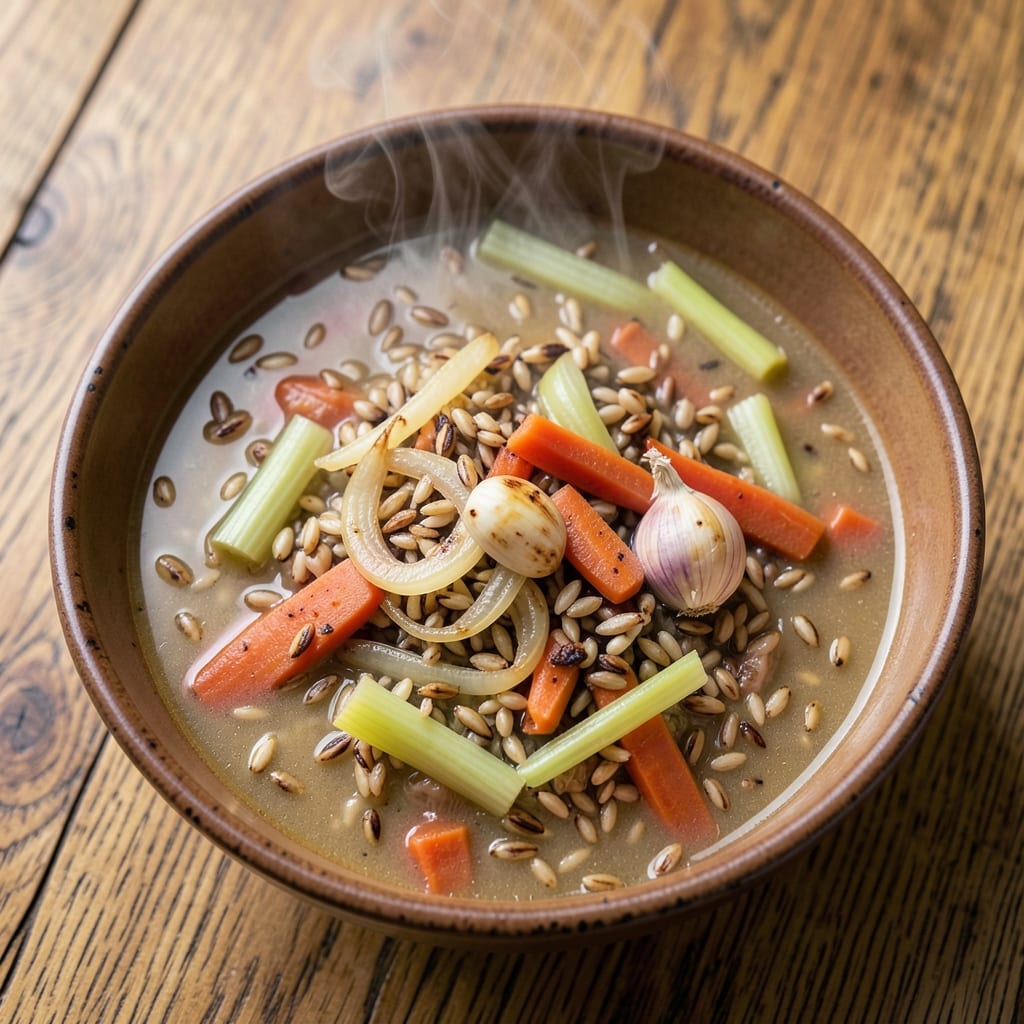
This authentic Minnesota wild rice soup captures the heart of the Northwoods—earthy pearl rice simmered in rich broth, topped with tender herb dumplings that melt into every spoonful. The key lies in slow-cooked wild rice, which transforms tough grains into chewy, nutty perfection when simmered just right. This isn't just soup; it's a taste of Minnesota tradition, where every ingredient plays its part in creating something deeply comforting.
The secret to authenticity starts with the rice—wild rice must cook low and slow to develop its signature texture. Paired with a savory broth (traditionally chicken or vegetable) and finished with smoky herb dumplings, this recipe delivers restaurant-quality depth without shortcuts. The dumplings, made with a touch of sage and thyme, dissolve into the soup, releasing their flavor like a warm hug on a crisp autumn day. For those who love hearty, flavorful soups that tell a story, this is your new go-to.
Ingredients for authentic minnesota wild rice soup
Sixteen ingredients, one unforgettable Minnesota tradition—wild rice soup that tastes like autumn in a bowl.
| Ingredient | Amount | Notes |
|---|---|---|
| Wild Rice Blend 🌾 | 1 ½ cups | Uncooked, traditional Minnesota blend |
| Chicken Broth 🍲 | 6 cups | Low-sodium, homemade preferred |
| Yellow Onion 🧅 | 1 whole | Diced, medium-sized preferred |
| Carrots 🥕 | 2 whole | Peeled, cut into 1/2-inch pieces |
| Celery Stalks 🧅 | 3 whole | Diced, including leafy tops |
| Garlic Cloves 🧄 | 4 cloves | Minced, fresh preferred |
| Fresh Thyme Sprigs 🌿 | 2 whole | Leaves only, stems removed |
| Fresh Sage Leaves 🌿 | ¼ cup | Chopped, stems removed |
| All-Purpose Flour 🌾 | ½ cup | For dumpling dough |
| Baking Powder 🍞 | 1 tsp | For dumpling lift |
| Salt 🧂 | 1 ½ tsp | Kosher or sea salt |
| Black Pepper 🌶️ | ½ tsp | Freshly ground preferred |
| Unsalted Butter 🧈 | 2 tbsp | Cold, cubed for dumplings |
| Heavy Cream 🥛 | ¼ cup | Full-fat for richness |
| Parsley Leaves 🌿 | 0.1 cup | Chopped, for garnish |
The wild rice is non-negotiable here. Minnesota Harvest or Lund's blends are the gold standard—look for the traditional mix with brown rice and wild rice. If you're buying whole grains, toast them first in a dry pan for 2 minutes to deepen the flavor. The broth? Homemade is ideal, but Swanson or Pacific Foods low-sodium versions work in a pinch. Fresh thyme and sage are worth hunting down at local farmers markets—they've got that earthy, woodsy aroma that defines this dish. For the carrots, organic baby carrots save chopping time, but regular carrots work just as well if you're peeling and dicing.
No fresh thyme? Dried thyme at half the amount gets you close, but the flavor won't be quite the same. Short on sage? Fresh rosemary at one-third the amount adds a nice piney note. The flour for dumplings should be all-purpose, but whole wheat at 50% substitution gives them a nuttier flavor. Butter matters here—European-style unsalted has more flavor than generic brands. For the heavy cream, full-fat is a must—it's what gives that velvety finish. The parsley is just for garnish, but it brightens up the whole bowl when you sprinkle it on top.
Wild rice keeps for 6 months in the pantry, but once cooked, it's best used within 5 days in the fridge. Make the dumpling dough ahead and chill it—it keeps for 2 days wrapped in plastic. The soup actually tastes better the next day as the flavors meld. Portion into 4-cup servings for easy reheating. Freeze the dumpling dough separately for up to 3 months—just drop frozen pieces directly into simmering soup.
Why You'll Love This Recipe
- One-Pot Magic: I swear by this—just dump the wild rice, broth, and chopped veggies into one pot. No fancy techniques, no stress. The celery and carrots soften just enough to melt into the broth while keeping that satisfying crunch from the wild rice. Honestly, it’s the kind of recipe where you can sip wine while stirring.
- Earthy, Rich Depth: That wild rice blend? It’s the star. Nutty, chewy, and packed with protein—way more interesting than plain white rice. The chicken broth ties it all together with a savory warmth, and the onions caramelize just enough to add a touch of sweetness. Between us, it’s the kind of flavor that makes you want to eat it straight from the pot.
- Leftovers That Shine: This soup actually improves the next day. The wild rice absorbs the broth perfectly, and the veggies get even more tender. I freeze portions for lazy Mondays or toss it into grain bowls later—it’s my go-to for busy weeks. No sad, watery leftovers here.
- Budget-Friendly Comfort: Wild rice might sound fancy, but a bag lasts forever, and the rest of the ingredients are pantry staples. A single batch feeds four (or a hungry teen and me twice). Plus, the veggies stretch the broth, so you’re not drowning in expensive stock. Solid, reliable, and always satisfying.
Step-by-step instructions for earthy pearl rice with smoky herb dumplings
Here's how to craft this Minnesota classic—where the wild rice soaks up smoky broth and those herb dumplings melt in your mouth.
Toast and Simmer the Wild Rice
In a large pot, melt 1 tablespoon of the unsalted butter over medium heat. Add the 1.5 cups wild rice blend and toast for 3-4 minutes until fragrant and slightly nutty—this deepens the flavor. Add the 6 cups chicken broth, 1.5 teaspoons salt, and 0.5 teaspoon black pepper, then bring to a boil.
Once boiling, reduce heat to low and cover tightly. Simmer for 45-50 minutes without peeking—wild rice needs gentle heat to absorb the broth fully. You'll know it's done when the grains are tender but still hold their shape, with a rich, earthy aroma filling your kitchen.
Build the Vegetable Base
While the rice simmers, heat 1 tablespoon butter in a separate pot over medium heat. Add the diced yellow onion, carrots, and celery stalks, cooking for 8-10 minutes until softened. Stir in the minced garlic cloves and cook for 30 seconds until fragrant—this prevents bitterness.
Add the thyme leaves and chopped sage leaves, cooking for another 2 minutes until the herbs release their aromatic oils. Pour the vegetable mixture into the rice pot, stirring gently to combine. Let the soup simmer together for 10 minutes to meld flavors—this is where the real magic happens.
Craft the Herb Dumpling Dough
In a bowl, whisk together the 0.5 cup all-purpose flour, 1 teaspoon baking powder, 0.25 teaspoon salt, and 0.25 teaspoon black pepper. Cut in the 2 tablespoons cold unsalted butter using a pastry cutter or your fingers until the mixture resembles coarse crumbs with pea-sized butter pieces.
Add 0.25 cup heavy cream and mix with a fork until just combined—don't overwork the dough. The texture should be shaggy but hold together when pressed. Cover and let rest for 10 minutes while you finish the soup. This resting period relaxes the gluten, ensuring tender dumplings.
Assemble and Dumple
Bring the soup back to a gentle simmer over medium-low heat. Drop heaping tablespoon-sized portions of the dumpling dough into the soup, spacing them 1 inch apart. The dough will sink slightly before rising—this is normal. Cover the pot and simmer for 12-15 minutes until the dumplings are puffed and golden brown on top.
Here's the pro tip: The dumplings should float when done, with crisp edges and tender interiors. If the soup gets too thick, add a splash of hot broth to maintain the perfect consistency. Remove from heat and let sit for 5 minutes before serving—this allows the dumplings to set slightly.
Finish and Serve
Ladle the soup into bowls, making sure each serving gets at least 2-3 dumplings. Garnish each bowl with 0.1 cup chopped parsley leaves and an extra sprinkle of black pepper. The parsley adds a fresh contrast to the earthy rice and smoky dumplings.
Serve immediately with crusty bread on the side—this Minnesota classic tastes best piping hot, with the dumplings so tender they practically dissolve on your tongue. The wild rice should be al dente, absorbing the flavorful broth while maintaining its distinct texture. This is comfort food at its finest, with every spoonful telling the story of Minnesota's lake country.
Pro Tips For Making Authentic Minnesota Wild Rice Soup
- Soak the Rice First: Wild rice blend needs a head start—soak it for at least 30 minutes (or up to 4 hours) in warm water before cooking. I used to skip this and ended up with grainy, undercooked bits that ruined the texture. Trust me, the soup will thank you with that creamy, tender bite.
- Sweat, Don’t Burn: When sautéing onions, carrots, and celery, keep the heat medium-low and let them sweat for 8–10 minutes until soft but not browned. After burning two batches, I learned: patience here means the broth won’t turn bitter, and the veggies stay silky—not mushy or charred.
- Simmer, Don’t Boil: Once the rice is in the broth, keep the heat at a gentle simmer (tiny bubbles, not a rolling boil). I was in a hurry once and cranked it up—ended with split rice and a watery mess. Low and slow (about 45 minutes) guarantees that perfect chewy-yet-tender texture Minnesota wild rice is famous for.
- Toast the Rice: Before adding liquid, dry-toast the wild rice blend in a pot over medium heat for 2–3 minutes until fragrant. Sounds weird, but it works: this step deepens the nutty flavor and prevents the rice from turning mushy. (Yes, even if you’re impatient like me.)
Troubleshooting this dish
Rice Too Mushy
Wild rice turns mushy when overcooked or when the heat isn't controlled properly. Always use low heat after boiling, and never peek under the lid—steam escapes every time you lift it, extending cook time. If your rice is still firm after 50 minutes, add ¼ cup hot broth and simmer 5 more minutes. For next time, try toasting the rice longer (4-5 minutes) to build a protective barrier against over-absorption. 🌾
Dumplings Sink
Dumplings that sink and never rise are usually too dense or the soup isn't hot enough. Make sure your dough is shaggy but cohesive—overmixing develops gluten, making them tough. Also, bring the soup to a gentle simmer before adding dumplings; they need 160°F+ liquid to puff properly. If they sink, gently stir the soup to create small bubbles around them, which helps them float. 💫
Broth Too Thin
A watery soup happens when too much liquid is added or the rice releases excess starch. If this occurs, simmer the soup uncovered for 10 minutes to evaporate excess moisture. For prevention, use 6 cups broth (not water) and reduce heat to low after combining all ingredients. A splash of heavy cream at the end also thickens the texture beautifully. ✨
Herb Flavors Fading
Fresh herbs lose potency when cooked too long. Add thyme and sage just before removing the vegetable base from heat, and keep the soup simmering for no more than 10 minutes after combining. For extra flavor, infuse the broth with 2 sprigs fresh thyme while heating—remove them before adding rice. Dried herbs work in a pinch, but fresh is non-negotiable for authenticity. 🌿
Lumpy Dumpling Dough
Lumpy dough happens when butter isn't evenly distributed or the flour isn't properly mixed. Cut the cold butter into the flour using a pastry cutter or your fingers until the mixture resembles coarse crumbs. If the dough is still lumpy, press it through a fine-mesh sieve before dropping into the soup. For a smoother texture, chill the dough for 15 minutes before shaping. 🧈
Burnt Onions
Burnt onions happen when heat is too high or they're cooked too long. Sauté onions, carrots, and celery over medium heat for no more than 8-10 minutes, stirring frequently. If they start to brown too quickly, reduce heat to medium-low and cover the pot to steam them gently. A pinch of salt helps draw out moisture, preventing burning. 🔥
Nutrition facts
Frequently asked questions
What makes this wild rice soup authentically Minnesotan?
The magic lies in the wild rice blend (not brown rice) and the herb dumplings that melt into the broth. Traditional Minnesota recipes use low-sodium broth and toast the rice first to deepen its nutty flavor. The dumplings, made with sage and thyme, are a signature touch that sets this apart from other rice soups.
Can I substitute regular rice for wild rice?
Not if you want authenticity! Wild rice has a distinct chewy texture and earthy flavor that regular rice can't replicate. For a compromise, try a 50% blend of wild rice and brown rice, but expect a different texture. The key is using a Minnesota-grown wild rice blend like Lund's or Minnesota Harvest for the true taste.
How long can I store leftovers?
Store leftovers in an airtight container in the fridge for 4-5 days. The flavors actually improve overnight as the rice absorbs more broth. For freezing, portion the soup (without dumplings) and freeze for up to 3 months. Reheat gently on low heat with a splash of broth to restore texture.
What's the best way to make the dumplings ahead?
Prepare the dumpling dough up to 2 days ahead and refrigerate it covered. Drop frozen dough balls directly into simmering soup (they'll cook through in 15 minutes). For extra flavor, chill the dough on a floured surface for 15 minutes before shaping into balls—this prevents them from spreading too much in the soup.
Can I make this soup vegetarian?
Use vegetable broth instead of chicken broth and add 1 cup chopped mushrooms to the vegetable base for depth. Boost umami with 1 teaspoon soy sauce or ½ teaspoon miso paste in the broth. The dumpling recipe remains the same—just ensure your butter is dairy-free if needed.