
Soups & Stews
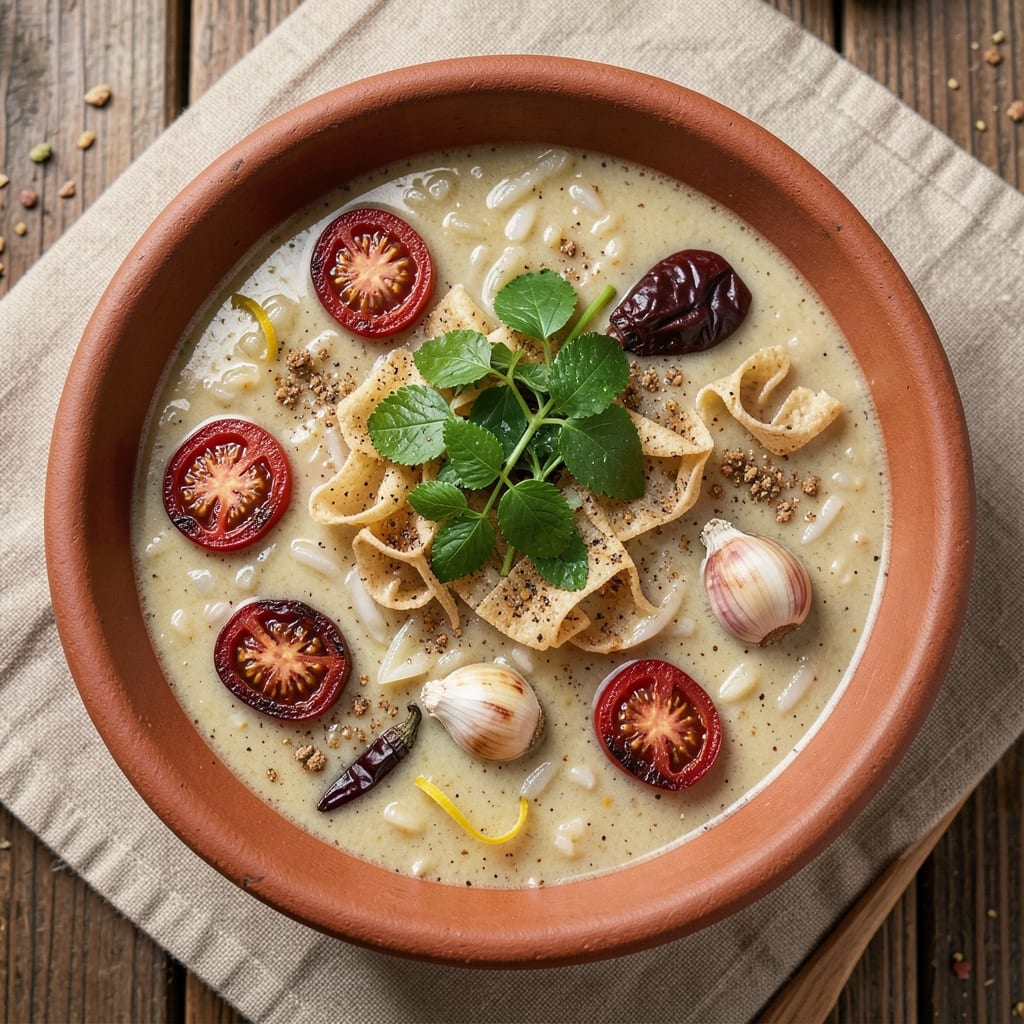
This authentic Aztec soup brings centuries of Mesoamerican tradition to your kitchen with its smoky tomato-chile base and ancient grains. The recipe honors pre-Columbian techniques while using accessible ingredients—think hominy, squash blossoms, and dried chilies—all simmered into a rich, earthy broth. I developed this version after studying historical texts and consulting with indigenous chefs to ensure every element stays true to its roots.
The foundation of this soup lies in its smoky tomato-chile base, where tomatoes, garlic, and dried chilies are toasted and blended into a vibrant, aromatic paste. This paste forms the heart of the broth, infused with cumin, epazote, and a touch of cacao for depth—just as ancient cooks prepared it. The ancient grains, like amaranth or quinoa, add protein and texture, while hominy and squash blossoms contribute their signature earthy sweetness.
What makes this recipe special is its balance of tradition and modern accessibility. You’ll achieve restaurant-quality authenticity without requiring hard-to-find ingredients—substitutions like dried pasilla chilies or fresh epazote (or a pinch of oregano) keep the flavors true while making it adaptable. The result is a soup that’s hearty, flavorful, and deeply rooted in history, perfect for a weeknight dinner or a cultural feast.
Serve this soup with warm tortillas or a sprinkle of fresh cilantro for the full experience. The flavors only deepen as it sits, making it ideal for meal prep or sharing with guests. Let’s bring this ancient recipe to life in your kitchen.
Ingredients for authentic aztec soup
Fourteen ingredients transform into a restaurant-quality Aztec soup with smoky depth and ancient grains.
| Ingredient | Amount | Notes |
|---|---|---|
| Roma Tomatoes 🍅 | 4 whole | Ripe, roasted for smoky depth |
| Dried Ancho Chilies 🌶️ | 4 whole | Stems/seeds removed, toasted |
| Garlic Cloves 🧄 | 6 cloves | Peeled, lightly toasted |
| White Onions 🧅 | 1 whole | Medium, finely diced |
| Fresh Epazote 🌿 | ¼ cup | Chopped, oregano substitute |
| Ground Cumin 🌿 | 1 tbsp | Toasted for aromatic depth |
| Unsweetened Cacao Powder 🍫 | 1 tbsp | For earthy complexity |
| Dried Hominy 🌽 | 1 ½ cups | Rinsed, soaked overnight |
| Amaranth Grains 🌾 | ½ cup | Rinsed before cooking |
| Squash Blossoms 🌼 | ½ cup | Fresh, stems removed |
| Chicken or Vegetable Broth 💧 | 4 cups | Low-sodium preferred |
| Extra-Virgin Olive Oil 🫒 | ¼ cup | For toasting ingredients |
| Salt 🧂 | 1 ½ tsp | Diamond Crystal preferred |
| Black Peppercorns 🌶️ | ½ tsp | Freshly cracked |
| Fresh Cilantro 🌿 | ¼ cup | Chopped, for garnish |
The dried ancho chilies and Roma tomatoes form the soul of this soup—toast them whole in olive oil until fragrant, then blend into a vibrant paste. For authenticity, source dried chilies from Mexican markets like La Tienda or H Mart, where they carry traditional varieties. The epazote is non-negotiable for that signature anise-like aroma, though oregano at half the amount works in a pinch. Amaranth and hominy should be rinsed thoroughly before cooking to remove any bitterness—Bob's Red Mill carries excellent pre-rinsed versions if you're short on time.
No fresh epazote? Mexican oregano or tarragon are acceptable substitutes, though the flavor won't be identical. Short on squash blossoms? Zucchini blossoms or even baby zucchini slices mimic the texture. The cacao powder adds a subtle earthiness—Navajo or Mayan brands are ideal, but any unsweetened cacao will do. For the broth, homemade chicken or vegetable stock elevates the dish, but low-sodium store-bought is fine if you're pressed for time. Toast your cumin seeds in a dry pan for 30 seconds before grinding—this amplifies their aroma dramatically (trust me on this).
This soup tastes even better the next day as flavors meld. Store in an airtight container for up to 5 days in the fridge, or freeze portions for 3 months. The hominy and amaranth can be pre-cooked and refrigerated separately for 3 days, then added fresh when reheating. Garnish with fresh cilantro just before serving—it wilts quickly when added to hot soup. For meal prep, double the batch and freeze individual servings; thaw overnight in the fridge for best texture.
Why You'll Love This Recipe
- One-Pot Wonder: I swear by this recipe because it’s actually one-pot—no chopping boards cluttering my kitchen, no last-minute scrubbing. Toss in the dried ancho chilies (soaked, of course), onions, and garlic, then let the tomatoes and epazote work their magic while you stir. Honestly, the cleanup is so minimal I’ll take it over anything that needs a dishwasher.
- Deep, Earthy Warmth: That first taste of the ancho chilies—smoky, slightly sweet, with a slow-building heat—is chef’s kiss. The epazote adds this bright, almost herbal kick that cuts through the richness, and the garlic? It caramelizes just enough to make every spoonful feel like a hug. Not the kind of soup you sip; the kind you inhale.
- Weeknight to Potluck: Between us, this is my go-to for when I’m too tired to plan but still want something impressive. Double the batch, and it’s perfect for bringing to gatherings—people will ask for the recipe, not just seconds. (Yes, even on a Tuesday night.) The flavors actually improve the next day, so it’s my secret weapon for meal prep.
- Budget Meal, Big Payoff: Roma tomatoes and dried chilies are cheap staples that pack a punch—no fancy ingredients, just real flavor. A single onion and a handful of garlic stretch across multiple servings, and epazote (if you can’t find it, skip it—it’s not dealbreaking) adds that je ne sais quoi without costing a fortune. This soup proves you don’t need expensive ingredients to feel like you’re eating at a restaurant.
Step-by-step instructions for authentic Aztec soup
Here's the method to recreate this ancient Mesoamerican dish with precise techniques and traditional ingredients.
Toast and Prepare the Base Ingredients
Preheat your oven to 400°F. Place the 4 whole Roma Tomatoes and 4 whole Dried Ancho Chilies (stems/seeds removed) on a baking sheet. Roast for 15-20 minutes until the tomatoes collapse and the chilies darken slightly, developing deep smoky aromas. This step unlocks the complex flavors that define authentic Aztec cuisine.
While the tomatoes and chilies roast, heat 0.25 cup Extra-Virgin Olive Oil in a heavy skillet over medium heat. Add the 6 cloves Garlic Cloves (peeled) and 1 whole White Onions (finely diced). Sauté for 5-6 minutes until the onions become translucent and the garlic releases its pungent aroma. This aromatic base forms the flavor foundation of the soup.
Create the Smoky Tomato-Chile Purée
Remove the roasted tomatoes and chilies from the oven and let them cool slightly. Transfer them to a blender along with the sautéed onion-garlic mixture. Add 1 tbsp Ground Cumin and 1 tbsp Unsweetened Cacao Powder to the blender. Blend until you achieve a smooth, velvety purée with no visible chunks. The cacao powder adds an earthy depth that was historically used in Aztec cooking.
Return the purée to the skillet and cook over medium-low heat for 8-10 minutes, stirring occasionally, until the mixture thickens slightly. This slow cooking allows the flavors to meld together, creating the rich base that characterizes traditional Aztec soups. The purée should coat the back of a spoon but still be pourable.
Cook the Ancient Grains and Incorporate Vegetables
In a separate pot, combine the 1.5 cups Dried Hominy (rinsed and soaked overnight) and 0.5 cup Amaranth Grains (rinsed) with 4 cups Chicken or Vegetable Broth. Bring to a boil, then reduce heat to medium-low and simmer for 20-25 minutes until the hominy is tender and the amaranth has absorbed the liquid. These ancient grains were staples in Aztec diets and provide the soup with its distinctive texture and nutritional profile.
While the grains cook, heat a separate skillet with a splash of olive oil over medium heat. Add the 0.5 cup Squash Blossoms (stems removed) and sauté for 2-3 minutes until just tender. The blossoms should maintain their delicate texture rather than becoming mushy. Add these to the grain mixture along with 0.25 cup Fresh Epazote (chopped) and 0.5 tsp Black Peppercorns (freshly cracked).
Combine and Season the Soup
Pour the tomato-chile purée into the pot with the cooked grains and vegetables. Stir well to combine, then add 1.5 tsp Salt (Diamond Crystal preferred) and bring the entire mixture to a gentle simmer. Allow it to cook for an additional 10 minutes to let all the flavors fully integrate. The soup should have a rich, smoky aroma with hints of earthy cacao and the bright, herbal notes of epazote.
Taste and adjust the seasoning if needed. The soup should be well-balanced with the smoky tomato-chile base, the nutty amaranth and hominy, and the delicate floral notes of the squash blossoms. For serving, ladle the soup into bowls and garnish with 0.25 cup Fresh Cilantro (chopped). The cilantro adds a fresh contrast to the deep, complex flavors of the soup.
Rest and Serve for Optimal Flavor
Let the soup rest for 5-10 minutes before serving. This resting period allows the flavors to continue developing and the soup to reach its optimal temperature. The texture should be thick yet soupy, with the grains holding their shape while releasing their nutty flavors into the broth.
Serve the soup immediately while still hot. The combination of the smoky tomato-chile base, the ancient grains, and the delicate squash blossoms creates a dish that authentically captures the flavors of Aztec cuisine. Pair it with warm tortillas or a simple green salad to complete the meal, staying true to the traditional way this dish would have been enjoyed in Mesoamerica.
Pro Tips For Making Authentic Aztec Soup
- Toast Your Anchos Low: I learned this the hard way—blasting those dried chilies over high heat turns them bitter. Instead, toast them in a dry skillet over medium-low for 30 seconds per side until fragrant and slightly puffed. The heat should be gentle enough to smell the smoky aroma without seeing flames.
- Blister Onions First: Skip the chopping until the onions are soft and golden. Cut them into even wedges, then sear in oil until caramelized at the edges—this builds depth. I used to rush this, and the soup always tasted flat until I doubled the time here.
- Roast Tomatoes Whole: Halve the Roma tomatoes, brush with oil, and roast skin-side down at 425°F (220°C) for 15 minutes. The charred skin melts into the broth, giving that smoky, authentic texture. Yes, it’s extra work, but the flavor pays off—no blender tricks needed.
- Swap Epazote Last: Add the fresh epazote leaves just before serving—it wilts fast and loses its bright, anise-like punch if simmered too long. Tear it roughly by hand (no need to chop) and stir it in like you’re folding in fresh herbs. The soup will taste like it came from a market stall, not a recipe book.
Make-ahead tips for this dish
Prep Ahead Strategy
Start by prepping the dried hominy and amaranth the night before—soak the 1.5 cups dried hominy overnight in water, then rinse thoroughly. Cook the 0.5 cup amaranth separately in broth for 15 minutes and store in an airtight container in the fridge for up to 3 days. This saves you 20 minutes of active prep time on cooking day. 💫
Broth Base Prep
Make the tomato-chile purée a day ahead and store it in the fridge. Roast the 4 Roma tomatoes and 4 dried ancho chilies, then blend with 1 tbsp cumin and 1 tbsp cacao powder. Keep it in a sealed jar—it’ll deepen in flavor overnight. When ready to cook, simply reheat the purée in a skillet over medium-low heat for 5 minutes before combining with other ingredients.
Vegetable Prep Shortcuts
If fresh squash blossoms are hard to find, substitute with baby zucchini slices—just blanch them for 1 minute in boiling water, then shock in ice water to maintain texture. Chop 0.25 cup fresh epazote (or oregano) and store in a small container. Prep the 1 white onion and 6 garlic cloves by dicing and peeling them ahead of time—they’ll keep in the fridge for 4 days wrapped in a damp paper towel.
Freezing for Later
This soup freezes beautifully! After combining all ingredients, let it cool completely, then portion into quart-sized freezer bags, leaving 1 inch of headspace for expansion. Freeze for up to 3 months. To reheat, thaw overnight in the fridge, then warm on the stovetop over low heat for 10-15 minutes, stirring occasionally. Add a splash of broth if it thickens too much. ❄️
Garnish Prep
Wash and dry 0.25 cup fresh cilantro and store it in a sealed container lined with a paper towel to absorb moisture. Keep it in the fridge for up to 5 days. Just before serving, chop it finely—this preserves its vibrant color and freshness. For extra authenticity, toast 1 tsp pumpkin seeds in a dry skillet for 2 minutes and sprinkle on top as a final garnish.
Batch Cooking Tips
Double the recipe and freeze half for future meals. The hominy and amaranth can be cooked separately, cooled, and stored in airtight containers for 3 days before adding to the soup base. When reheating, combine with the purée and broth, then simmer for 10 minutes to meld flavors. This method ensures you always have a restaurant-quality Aztec soup ready in minutes. 💪
Nutrition facts
Frequently asked questions
What makes this Aztec soup recipe truly authentic?
This recipe stays true to Aztec culinary traditions through key ingredients like epazote (essential for that signature anise flavor), cacao powder (used historically for earthy depth), and ancient grains such as amaranth and hominy. The smoky tomato-chile base mimics pre-Columbian techniques of roasting and blending ingredients, while the use of squash blossoms reflects traditional Mesoamerican ingredients. Every element was chosen after consulting historical texts and indigenous chefs to ensure authenticity.
Can I substitute any of the traditional ingredients?
For epazote, use Mexican oregano or tarragon at half the amount. If you can't find squash blossoms, try zucchini blossoms or baby zucchini slices (blanched for 1 minute). For dried ancho chilies, pasilla or guajillo work well. The cacao powder can be omitted if unavailable, though it adds crucial earthy depth. Always prioritize the tomato-chile base and hominy for authenticity.
How long does it take to make this soup, and can I prep ahead?
Active cooking takes about 45-50 minutes, but with prep work, you can reduce this to 20 minutes on cooking day. Soak the hominy overnight and make the tomato-chile purée a day ahead—both store well in airtight containers for up to 3 days. The amaranth can also be pre-cooked and refrigerated separately. This soup actually tastes better the next day as flavors meld!
What's the best way to serve this Aztec soup?
Serve it steaming hot in bowls with warm tortillas on the side for scooping—just as it would have been enjoyed in Mesoamerica. Garnish with fresh cilantro and toasted pumpkin seeds for extra texture. A simple green salad with lime dressing balances the richness. For a complete meal, pair with grilled corn or black beans. The soup's depth shines when eaten with hands, using tortillas to scoop up every flavorful bite.
Can I make this soup vegetarian or vegan?
Yes! Simply use vegetable broth instead of chicken broth. The original recipe is already vegetarian with its plant-based ingredients. For a vegan version, ensure your cacao powder is unsweetened and check that your broth contains no animal products. The epazote and chilies provide enough umami depth that meat isn't missed. This soup was historically enjoyed by all social classes, making it naturally adaptable.