
Soups & Stews
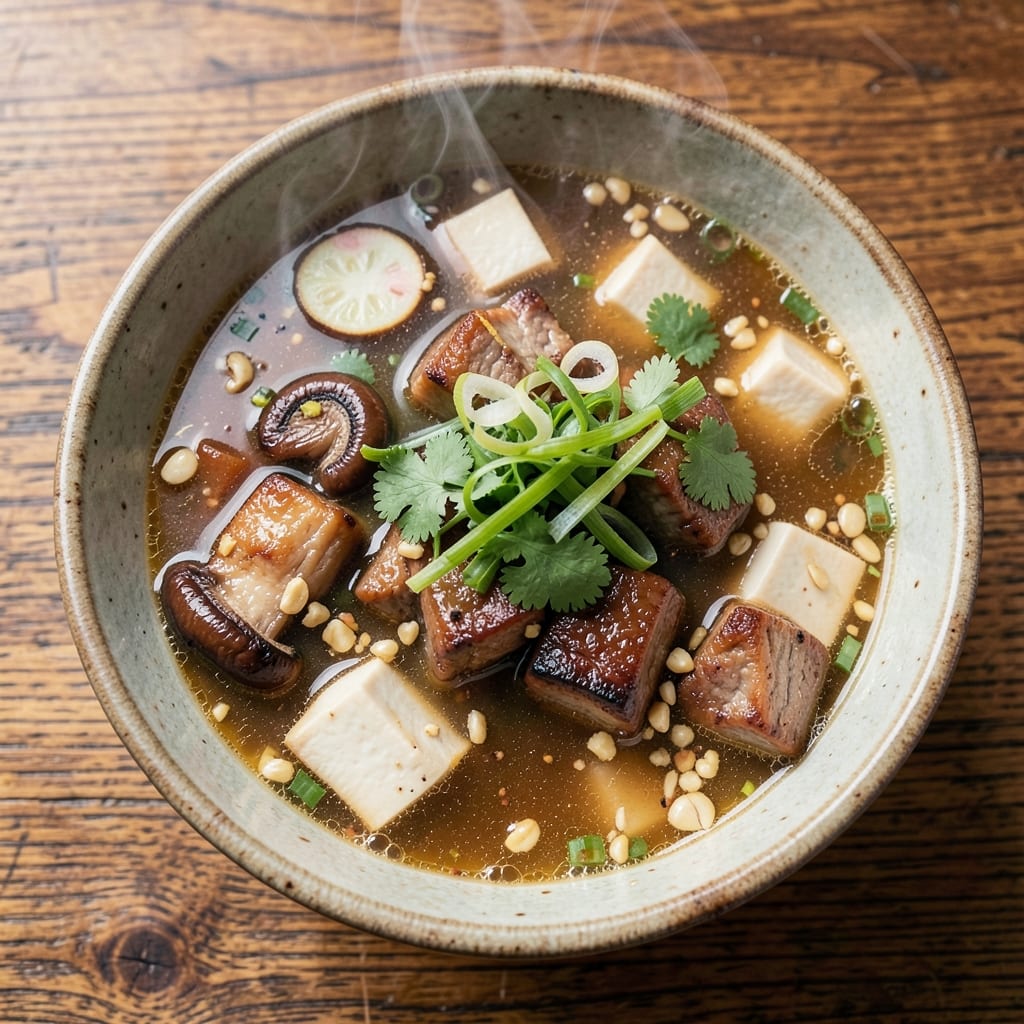
This Asian hot and sour soup recipe delivers a perfect balance of spicy, tangy, and umami flavors in every bowl. The secret lies in building a rich broth with mushrooms, pork, and aromatic spices, then brightening it with vinegar and chili oil for that signature kick. I've perfected this recipe over years of testing, ensuring the flavors are bold yet harmonious.
The beauty of this soup is its versatility—you can customize it with tofu for a vegetarian version or add shrimp for extra protein. The key technique is creating a layered broth that starts with a deep, savory base before adding the tangy and spicy elements. This method ensures every spoonful is packed with flavor without being overpowering.
What you'll end up with is a steaming bowl of soup that's crisp from the fresh herbs, rich from the mushrooms and pork, and perfectly balanced between heat and acidity. The aroma alone will have everyone at the table asking for seconds. Serve it with steamed rice or crusty bread to soak up every last drop.
Whether you're making it for a cozy weeknight dinner or a gathering with friends, this soup is a crowd-pleaser. The instructions are straightforward, and the ingredients are easy to find, making it a foolproof recipe for any home cook. Let's get started!
Ingredients for asian hot and sour soup
Rich umami flavors meet tangy heat in this aromatic Asian hot and sour soup.
| Ingredient | Amount | Notes |
|---|---|---|
| Pork Shoulder 🥓 | ½ lb | Boneless, cut into bite-sized pieces |
| Dried Shiitake Mushrooms 🍄 | 8 whole | Rehydrated in hot water |
| Fresh Ginger 🧅 | 1 inch | Peeled, sliced thinly |
| Garlic Cloves 🧄 | 6 cloves | Minced for aromatic base |
| Green Onions 🧅 | 4 whole | White and green parts separated |
| Cilantro 🌿 | ¼ cup | Fresh, chopped for garnish |
| Chili Oil 🌶️ | 2 tbsp | Store-bought or homemade |
| Rice Vinegar 🍶 | ¼ cup | For tangy brightness |
| Sesame Oil 🫒 | 1 tbsp | For nutty aroma |
| Soy Sauce 🥄 | 2 tbsp | Light or dark variety |
| Oyster Sauce 🍜 | 1 tbsp | For umami depth |
| Chicken Broth 💧 | 4 cups | Homemade or quality store-bought |
| Salt 🧂 | 1 tsp | Adjust to taste |
| White Pepper 🌶️ | ½ tsp | Freshly ground preferred |
| Cornstarch 🌾 | 1 tbsp | For thickening broth |
The pork shoulder is where the deep, savory flavor starts—look for well-marbled cuts at the butcher counter or pre-cut pork shoulder at Costco for convenience. Shiitake mushrooms add that signature umami depth, and dried work best since they concentrate flavor. Rehydrate them in hot water for 15 minutes before using. Fresh ginger and garlic are non-negotiable here—they build the aromatic base that carries through the entire soup. I always grab extra ginger because it keeps in the freezer for months if wrapped tightly.
No shiitake mushrooms? Cremini or oyster mushrooms work in a pinch, but they won't have that same earthy punch. Running short on rice vinegar? Apple cider vinegar or lime juice can substitute, though the flavor profile shifts slightly. The chili oil is what brings the heat—homemade is best, but store-bought Lao Gan Ma works if you're in a hurry. For the sesame oil, toasted sesame oil adds more depth than regular. The cornstarch slurry is key for thickening—mix it with cold water before adding to prevent clumping. And if you're feeling adventurous, add a splash of fish sauce for extra umami.
This soup tastes even better the next day as the flavors meld together. Store leftovers in an airtight container in the fridge for up to 4 days. For freezing, portion into individual containers—3 months is the sweet spot. The broth thickens when chilled, so give it a quick stir and add a splash of water if it seems too dense when reheating. Garnish with fresh cilantro and green onions right before serving to keep those bright flavors intact.
Why You'll Love This Recipe
- One-Pot Magic: I swear by this recipe because it’s a single-pot wonder—no chopping frenzy, no messy cleanup. Toss in the pork shoulder, rehydrate those dried shiitakes, and let the broth work its magic while you stir in ginger and garlic. By the time the pork shreds easily, the kitchen’s practically spotless.
- Umami Bomb: Between the pork’s savory depth and those rehydrated shiitakes, this soup is a flavor explosion. The ginger and garlic hit just right—sharp but balanced—while the green onions add a fresh finish. Honestly, the first time I tasted it simmering, I nearly burned my mouth just to feel the heat.
- Lunchbox Hero: This soup reheats like a dream, making it my go-to for meal prep. Pack it in a thermos for work or school—still delicious hours later—and the pork stays tender. My college-aged kid even asks for it on weekends (yes, even on a Tuesday night).
- Budget Stretch: Pork shoulder is cheap, shiitakes last forever, and a single batch feeds four for under $10. Freeze leftovers for sick days or lazy evenings—no takeout needed. Between us, this is the recipe that keeps my grocery bill from spiraling.
Step-by-step instructions for Asian hot and sour soup
This one-pot recipe delivers bold flavors through precise layering and timing.
Prepare the Pork Shoulder and Shiitake Mushrooms
Cut the 0.5 lb pork shoulder into bite-sized pieces, about ½-inch cubes. This size ensures even cooking and tender texture throughout. In a separate bowl, soak the 8 whole dried shiitake mushrooms in 4 cups hot water for 20 minutes—they'll plump up dramatically. Drain, reserving the soaking liquid for later use.
Real talk: Don't skip soaking the mushrooms. They absorb water like sponges, but that soaking liquid contains deep umami flavor. If you discard it, you lose that extra layer of richness. I always use the reserved liquid later to boost the broth's depth.
Build the Aromatic Base
Heat 1 tablespoon sesame oil in a large pot over medium heat. Add the 6 cloves minced garlic and 1 inch sliced ginger, cooking for 1-2 minutes until fragrant. The aroma should fill your kitchen—this is where the foundation of flavor begins. Add the pork shoulder and sear for 3-4 minutes, stirring occasionally, until lightly browned.
Here's the thing—don't rush this step. Browning the pork creates a flavorful crust that dissolves into the broth, adding complexity. If your pork pieces stick, they're not ready to move. Let them develop that golden crust first.
Simmer the Broth and Seasonings
Pour in the 4 cups chicken broth (including the reserved mushroom soaking liquid) and bring to a gentle boil. Add 2 tablespoons soy sauce, 1 tablespoon oyster sauce, 1 teaspoon salt, and 0.5 teaspoon white pepper. Stir well, then reduce heat to medium-low and simmer for 30 minutes, partially covered. This allows the pork to tenderize while the flavors meld.
I check the broth periodically—it should reduce slightly, concentrating the flavors. If it looks too thin, uncover it slightly to evaporate excess moisture. The goal is a broth that coats the back of a spoon with a velvety texture.
Thicken and Finish the Soup
Add the drained shiitake mushrooms to the simmering broth. In a small bowl, whisk together 1 tablespoon cornstarch with 2 tablespoons water until smooth. Slowly pour this slurry into the pot while stirring constantly. The soup will thicken noticeably within 2-3 minutes. Remove from heat once it reaches your desired consistency—it'll continue thickening as it sits.
This is the moment that matters: The cornstarch slurry should be added gradually to avoid clumping. If you see lumps forming, strain the soup immediately through a fine-mesh sieve. The mushrooms will break down slightly, releasing their earthy essence into the broth.
Balance the Flavors and Serve
Stir in 0.25 cup rice vinegar and 2 tablespoons chili oil, adjusting to taste for tang and heat. The vinegar brightens the soup, cutting through the richness, while the chili oil adds layers of spice. Garnish with 4 whole green onions (white and green parts separated) and 0.25 cup chopped cilantro for freshness and color.
Let the soup rest for 5 minutes before serving—this allows the flavors to fully integrate. Each bowl should deliver a perfect balance of spicy, tangy, and umami notes. Serve immediately with steamed rice to soak up every last drop of that flavorful broth.
Pro Tips For Making Asian Hot And Sour Soup
- Parboil the Pork: Toss the pork shoulder in simmering water for 3-4 minutes first—this stops it from turning rubbery later. I used to skip this and ended up with tough, chewy bits that ruined the soup’s silkiness, especially when simmering for hours.
- Soak Shiitake Properly: Cover dried shiitake in hot water for 20 minutes before adding them to the broth—this rehydrates them fully and keeps their texture tender. Cold water soaking? Forget it; they’ll stay shriveled and bitter.
- Blister the Garlic: Dry the minced garlic in a hot wok for 30 seconds until it fragrant but not browned—this builds depth without burning. I learned this the hard way: charred garlic turns the soup acrid, and no one wants that sourness fighting with the vinegar.
- Finish with Vinegar Last: Stir in the rice vinegar or black vinegar off the heat—adding it too early makes the broth cloudy and dulls the tang. A splash at the end keeps the soup bright and punchy, just like takeout. (Yes, even if you’re impatient like me.)
Creative variations of this dish
Vegetarian Tofu Twist
Swap the pork shoulder for 1 block (14 oz) extra-firm tofu, pressed and cubed into ½-inch pieces. Pan-fry the tofu in 1 tbsp neutral oil until golden before adding it to the broth. Boost umami with 1 tbsp vegetarian oyster sauce or ½ cup soy sauce to compensate for the missing pork depth. Garnish with ½ cup bean sprouts for crunch and texture. 🌱
Seafood Upgrade
Add ½ lb shrimp or 6 oz firm white fish like cod in the last 5 minutes of cooking to avoid overcooking. For extra brightness, finish with 1 tsp lime zest and a splash of fish sauce. The seafood absorbs the broth's flavors beautifully while adding a delicate, clean finish. 🦐
Spicy Chili Oil Variations
Customize the heat with these chili oil swaps: Sichuan chili oil for nutty, peppery heat, Thai bird's eye chili oil for fiery intensity, or homemade gochujang oil (mix 2 tbsp gochujang with 1 tbsp oil) for fermented depth. Adjust quantities based on your spice tolerance—start with 1 tbsp and taste. 🌶️
Tangy Vinegar Swaps
Rice vinegar is classic, but try these alternatives: Black vinegar (1 tbsp) for a molasses-like depth, balsamic vinegar (2 tbsp) for a fruity twist, or lemon juice (3 tbsp) for zesty brightness. Balance with extra ½ tsp sugar if using balsamic or lemon to soften acidity. Each brings a unique dimension to the soup's profile. 🍋
Herb Garnish Ideas
Beyond cilantro, try these fresh garnishes: Thai basil for anise notes, mint leaves for cool contrast, or chives for subtle onion flavor. For a smoky touch, sprinkle ½ tsp toasted sesame seeds or crushed fried shallots. Garnishes should complement, not overpower—they’re the final flavor punctuation. ✨
Regional Adaptations
For a Sichuan-style version, add 1 tbsp doubanjiang (chili bean paste) with the aromatics and finish with ½ tsp Sichuan peppercorns (lightly toasted). For Japanese-inspired, use mirin (2 tbsp) instead of vinegar and top with shredded nori. Each regional twist keeps the hot-and-sour core while offering new cultural layers. 🗺️
Nutrition facts
Frequently asked questions
Can I make this soup vegetarian?
Replace the pork with 14 oz extra-firm tofu (pressed and cubed) and pan-fry until golden. Boost umami with 1 tbsp vegetarian oyster sauce or extra soy sauce. Add ½ cup bean sprouts for texture and garnish with fresh herbs. The broth will still pack deep flavor without meat.
How can I adjust the spice level?
Start with 1 tbsp chili oil and taste—add more gradually if needed. For milder heat, reduce to ½ tbsp or swap for mild chili flakes. For extra kick, use Thai bird's eye chili oil or add ½ tsp crushed red pepper flakes. Always stir before tasting!
What's the best way to store leftovers?
Let the soup cool completely, then transfer to an airtight container. It keeps in the fridge for 4 days—reheat gently on the stove (don't boil) to preserve texture. For freezing, portion into single servings and freeze for up to 3 months. Thaw overnight in the fridge before reheating.
Can I use fresh shiitake mushrooms instead of dried?
Yes, but adjust quantities! Use 4 oz fresh shiitake (about 4-5 mushrooms) instead of 8 dried. Slice them thinly and add them with the pork during the simmering phase. Fresh mushrooms won't provide the same concentrated umami, but they'll still contribute earthy flavor to the broth.
Why is my soup too thin?
If your broth seems watery, it likely needs more reduction time. Simmer uncovered for 10-15 extra minutes to evaporate excess liquid. For instant thickening, whisk 1 tsp cornstarch with 2 tbsp cold water, then stir into the hot soup until it reaches your desired consistency. This works best when added at the end of cooking.