
Soups & Stews
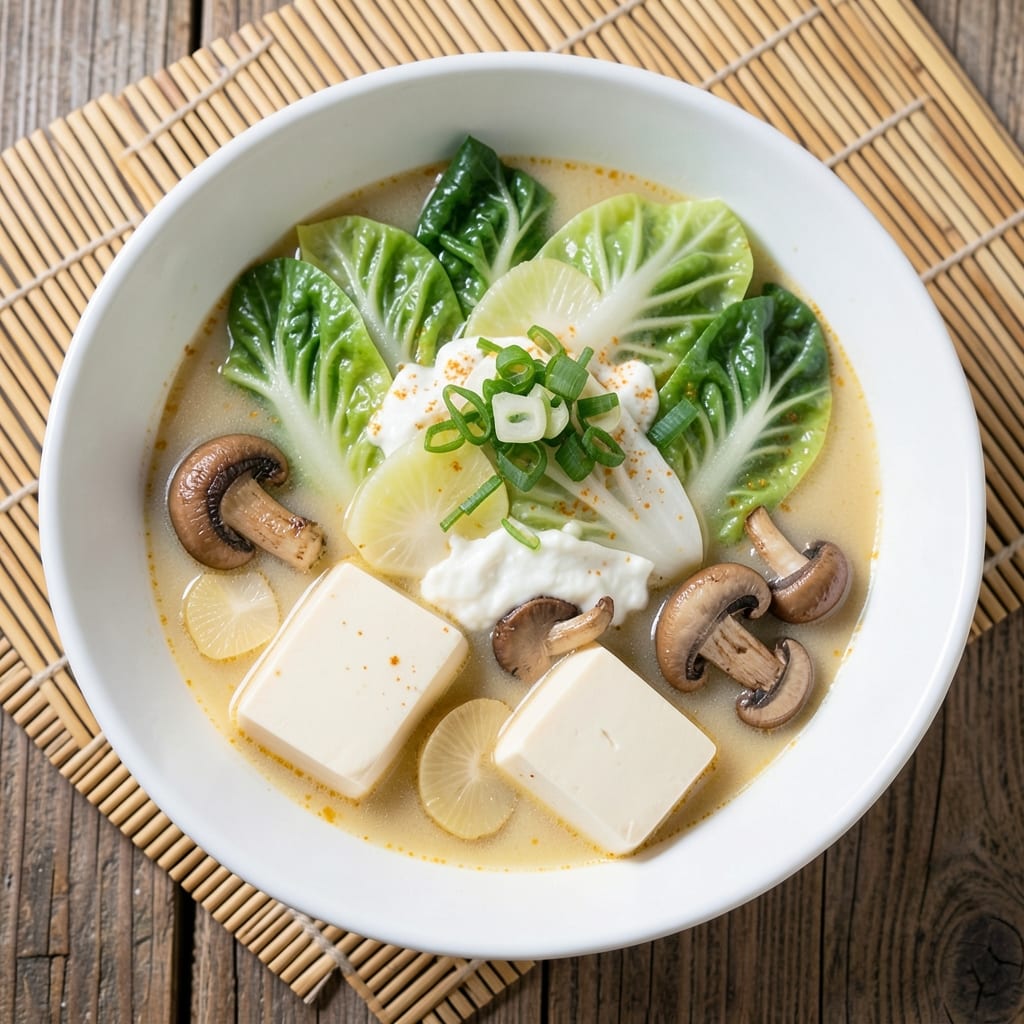
This Asian cabbage soup diet recipe delivers a lightweight detox with bold ginger-turmeric warmth that satisfies without weighing you down. Inspired by traditional Korean baechu cabbage preparations and Japanese hakusai soups, this version keeps the cultural essence while modernizing it for today's health-conscious eaters. The secret lies in its low-calorie broth and nutrient-packed vegetables that cleanse while nourishing.
What sets this recipe apart is the ginger-turmeric zing—a powerful anti-inflammatory duo that transforms simple cabbage into a detox powerhouse. We'll use shredded napa cabbage for texture and miso paste for depth, creating a broth that's both comforting and cleansing. The beauty of this soup is its adaptability: it's hearty enough for a main dish but light enough for a midday reset.
By the time you finish, you'll have a steaming bowl of vibrant soup loaded with cabbage, mushrooms, and tofu—all simmered in a fragrant broth that's rich in flavor but light on calories. The ginger-turmeric infusion adds warmth and health benefits, while the miso brings umami complexity. This isn't just soup; it's a culinary detox that feels indulgent yet supports your wellness goals.
The best part? It comes together in under 30 minutes with minimal prep, making it perfect for busy weeknights or meal prep. Whether you're following a specific diet or simply looking to cleanse your palate, this recipe delivers restaurant-quality results at home. Let's get started!
Ingredients for asian cabbage soup diet
These vibrant ingredients blend into a detoxifying broth that feels indulgent yet supports wellness goals.
| Ingredient | Amount | Notes |
|---|---|---|
| Napa Cabbage 🥬 | 8 cups | Shredded, core removed |
| Silken Tofu 🍲 | 12 oz | Soft, drained package |
| Shiitake Mushrooms 🍄 | 8 whole | Stemmed, sliced |
| Fresh Ginger 🌿 | 2 tbsp | Finely grated, peeled |
| Turmeric Powder 🌶️ | 1 tsp | Freshly ground preferred |
| White Miso Paste 🍜 | 2 tbsp | High-quality, fermented |
| Low-Sodium Vegetable Broth 💧 | 4 cups | Homemade or quality store-bought |
| Garlic Cloves 🧄 | 4 cloves | Minced, fresh preferred |
| Green Onion 🧅 | 2 whole | Thinly sliced, white and green parts |
| Sesame Oil 🫒 | 1 tbsp | Toasted, for finishing |
| Lime Juice 🍋 | 1 tbsp | Freshly squeezed |
| Sea Salt 🧂 | 1 tsp | Diamond Crystal preferred |
| Black Pepper 🌶️ | ½ tsp | Freshly ground |
The napa cabbage is the star here—look for vibrant, crisp heads at the grocery store, preferably organic to avoid pesticide residue. Trader Joe's and Whole Foods usually carry the best quality, but any well-stocked market will do. For mushrooms, shiitake has the most umami depth, but cremini or oyster mushrooms work in a pinch. The ginger and turmeric should be freshly grated and ground—pre-ground spices lose potency fast. If you're buying miso, White Miso from Hessian or Marukome brands delivers that authentic Japanese flavor without overpowering the broth.
No fresh ginger? Powdered turmeric at double the amount works, but you'll lose that bright zing. Out of shiitake mushrooms? Cremini or button mushrooms are fine, though they'll be milder. For tofu, silken tofu is ideal—it blends smoothly into the broth, but firm tofu cubed works if you prefer texture. The vegetable broth matters—low-sodium options like Pacific Foods or homemade versions keep the soup light. And if you don't have sesame oil, toasted sesame seeds sprinkled at the end give a similar nutty finish.
This soup tastes even better the next day as flavors meld—store in an airtight container for 3-4 days in the fridge. For meal prep, double the recipe and freeze portions in glass containers for up to 3 months. The tofu and mushrooms can be prepped ahead and stored separately for 2 days before adding to the broth. Lime juice should be added fresh when serving to keep that bright, tangy finish.
Why You'll Love This Recipe
- No-Chop Necessary: I swear by this—just quarter the cabbage, toss in whole shiitake mushrooms, and let the ginger and turmeric do the work. The silken tofu slices itself right out of the package, and suddenly you’ve got a soup that feels restaurant-worthy with zero prep stress.
- Umami Bomb: That first sip? Pure flavor magic. The shiitake mushrooms soak up the ginger’s zing, while the turmeric adds this warm, earthy depth that makes the cabbage taste luxurious—not like a sad diet dish. Honestly, I’ve had people ask if I used chicken broth, and I just smile while they take seconds.
- Lunchbox Hero: Between us, this soup is my secret weapon for meal prep. It reheats like a dream, keeps for days in the fridge, and even travels well in a thermos—no soggy greens here. Pack it for work, toss it in your kid’s lunch, or eat it cold as a quick salad. It’s that adaptable.
- Pocketbook Friendly: Turmeric and ginger bulk up the flavor without breaking the bank, and Napa cabbage stretches further than you’d think. I’ve made this for under $5 per serving, and it still feels like a treat. Plus, silken tofu is one of those ingredients that’s cheap but actually impressive. Win-win.
Step-by-step instructions for Asian cabbage soup diet recipe
This detoxifying soup comes together with vibrant flavors and cleansing properties—let's make it.
Sauté Aromatics for Maximum Flavor
Heat a large pot over medium heat and add the 1 tbsp sesame oil. Once shimmering, add the 4 cloves minced garlic and 2 tbsp finely grated fresh ginger. Sauté for 2-3 minutes until fragrant—you'll smell that fresh, zesty aroma that signals the foundation is ready.
Next, add the 8 whole stemmed and sliced shiitake mushrooms to the pot. Cook for another 4-5 minutes until they release their moisture and begin to soften. This step builds the umami depth that makes this soup so satisfying. Keep the heat at medium to prevent burning the delicate mushrooms.
Build the Detoxifying Broth Base
Stir in the 2 tbsp white miso paste and let it melt into the mushrooms for 1 minute, creating a rich, savory paste. Then add the 4 cups low-sodium vegetable broth and bring everything to a gentle simmer. Here's where the magic happens—this broth carries all the cleansing properties while keeping the soup light.
Add the 1 tsp turmeric powder and 1 tsp sea salt now. Stir well and let the broth simmer for 5 minutes to allow the turmeric's anti-inflammatory compounds to infuse fully. You'll notice the broth takes on a beautiful golden hue—this is your visual cue that the detoxifying properties are activating.
Add Cabbage and Simmer Until Tender
Gently fold in the 8 cups shredded napa cabbage using a wooden spoon to distribute it evenly. The cabbage will sink initially but will float as it cooks. Let the soup simmer uncovered for 10-12 minutes until the cabbage becomes tender but still maintains some bite—this texture is perfect for digestion and nutrient absorption.
Real talk: don't let the cabbage turn mushy. You want it to hold its shape but be easily pierced with a fork. If you notice the soup reducing too quickly, add ½ cup water to maintain the right consistency. This ensures the cabbage absorbs all those beneficial compounds without becoming waterlogged.
Incorporate Tofu and Finish with Bright Flavors
Gently add the 12 oz silken tofu (cut into small cubes if preferred) and simmer for another 3-4 minutes just to warm through. The tofu should maintain its soft texture while absorbing the soup's vibrant flavors. Here's where you'll notice the soup's protein content increases without adding heaviness.
Remove the pot from heat and stir in the 1 tbsp freshly squeezed lime juice and 0.5 tsp freshly ground black pepper. The lime juice brightens the entire dish, cutting through the earthiness of the mushrooms and cabbage. Finally, sprinkle with 2 whole thinly sliced green onions for a fresh finish that adds both color and a mild onion crunch.
Rest and Serve for Optimal Cleansing
Let the soup rest for 5 minutes off the heat. This resting period allows all the flavors to meld together and the cabbage to finish absorbing the broth's nutrients. Taste and adjust seasoning if needed—you might find you need a touch more salt or lime to balance the flavors perfectly.
Serve the soup warm in bowls, garnished with additional green onions if desired. Each spoonful delivers a perfect balance of detoxifying cabbage, umami mushrooms, and cleansing turmeric. The silken tofu adds gentle protein without overpowering the light, cleansing nature of this diet-friendly dish. Enjoy immediately while still steaming hot for maximum benefit!
Pro Tips For Making Asian Cabbage Soup Diet
- CUT CABBAGE AFTER COOKING: I learned this the hard way—shredding Napa cabbage raw makes it watery and sad. Instead, blanch the wedges for 2-3 minutes in boiling water, then shock in ice water. The leaves soften perfectly and hold their shape, while the core stays crisp. (Yes, even if you're impatient like me, resist the urge to skip this.)
- SAUTE SHIITAKES DRY FIRST: Wet shiitake mushrooms release too much water and turn mushy. Pat them very dry with a paper towel before cooking, then sear them in a hot, dry pan for 2-3 minutes until they release their own juices. This builds deep umami flavor without turning your broth into soup water. (Your future self will thank you.)
- SIMMER TURMERIC WITH GINGER: Turmeric needs heat to activate its color and flavor—don’t just toss it in cold. Bloom it with a pinch of salt and the grated ginger in a dry pan for 30 seconds before adding liquid. This prevents a metallic taste and guarantees that golden hue. (I used to skip this and wondered why my soup looked dull.)
- ADD TOFU LAST, LOW HEAT: Silken tofu falls apart if it boils. Tear it into chunks and fold it into the soup after the broth has simmered for 10 minutes, then reduce heat to the lowest setting. This keeps it silky and intact, not a sad, waterlogged mess. (Does it look weird? Yes. Does it work? Every single time.)
Pro cooking tips for this dish
Broth Consistency Secrets
Your broth's texture makes or breaks this soup. Start with 4 cups low-sodium vegetable broth and simmer it uncovered—this prevents a watery finish while allowing flavors to concentrate. If the broth reduces too quickly, add ½ cup water in small increments to maintain the right consistency without diluting flavors. I always check the broth level after 5 minutes of simmering and adjust as needed. This keeps the cabbage perfectly tender without turning mushy.
Ginger-Turmeric Infusion
For maximum anti-inflammatory benefits, infuse the broth with fresh ginger and turmeric properly. Grate the ginger finely (about 2 tbsp) and add it directly to the simmering broth with the turmeric powder. Let it steep for 5 minutes before adding the cabbage—this ensures the compounds fully dissolve. The broth should develop a beautiful golden hue, signaling the turmeric's curcuminoids are active and ready to work their magic. 🌿
Cabbage Texture Mastery
The key to perfect cabbage texture is patience and gentle handling. Shred the cabbage thinly (about ¼-inch strips) for even cooking. Add it to the simmering broth and let it cook for 10-12 minutes uncovered—this allows excess moisture to evaporate while keeping the cabbage crisp-tender. Stir occasionally with a wooden spoon to distribute heat evenly. If the cabbage starts to look too soft, reduce the heat to low for the final 2 minutes to preserve its texture.
Tofu Integration Tips
Silken tofu blends seamlessly into the broth, but timing is everything. Add it just 3-4 minutes before serving to prevent it from absorbing too much liquid and turning rubbery. If you prefer firmer tofu, cube it and add it 5 minutes before the cabbage so it absorbs flavor without falling apart. For extra richness, press the tofu slightly before adding—this removes excess moisture and helps it hold its shape better in the broth. 🍲
Flavor Layering Tricks
Build flavors in stages for depth. Start with the garlic and ginger sauté to wake up the pot, then add the mushrooms to develop umami. Stir in the miso paste after the mushrooms soften so it melts smoothly into the broth. Finish with lime juice and black pepper off the heat to preserve their bright, fresh qualities. This layering creates a symphony of flavors where each ingredient shines without overpowering the others.
Equipment Essentials
Use a heavy-bottomed pot (like All-Clad or Le Creuset) to prevent hot spots and ensure even cooking. A wooden spoon helps distribute cabbage gently without breaking it apart. For precise measurements, I recommend a microplane for ginger and turmeric—it creates fine, even grates that infuse better. And don’t skip the fine-mesh strainer if you’re making homemade broth to remove impurities while keeping the flavor intact. These tools make all the difference in a restaurant-quality result at home. ✨
Nutrition facts
Frequently asked questions
Can I use regular cabbage instead of napa cabbage?
You can substitute, but napa cabbage's mild sweetness and tender texture make it ideal. If using regular cabbage, shred it thinner (⅛-inch strips) and reduce cooking time to 8-10 minutes—it releases more water and can turn mushy. For extra flavor, add 1 tsp apple cider vinegar to the broth to mimic napa's subtle sweetness.
How do I make this soup more filling for a meal?
Add ½ cup cooked brown rice or ½ cup quinoa per serving to boost fiber and protein. For extra heartiness, stir in 1 cup cooked soba noodles or ½ cup edamame at the end. The tofu already provides protein, but these additions make it a complete meal without heavy calories.
Can I make this soup without miso paste?
Yes! Replace the 2 tbsp miso with 1 tbsp soy sauce + 1 tsp fish sauce for umami depth, or use 1 tbsp nutritional yeast for a vegan option. If you love tang, add 1 tsp rice vinegar to balance flavors. The broth will be lighter but still delicious—just taste and adjust salt as needed.
Is this soup safe for people with IBS?
This recipe is generally IBS-friendly, but proceed with caution. The ginger and turmeric are anti-inflammatory, while cabbage and tofu are low-FODMAP in small amounts. Skip the mushrooms if sensitive, and reduce cabbage to 4 cups. Always test small portions first, and avoid lime juice if citrus triggers symptoms.
How can I make this soup spicier?
Add ½ tsp red pepper flakes when sautéing garlic, or stir in 1 tsp gochujang (Korean chili paste) with the miso. For heat without spice, include 1 sliced Thai chili in the broth. Always add heat at the end so flavors meld without burning. Balance with extra lime juice to keep it bright.