
Soups & Stews
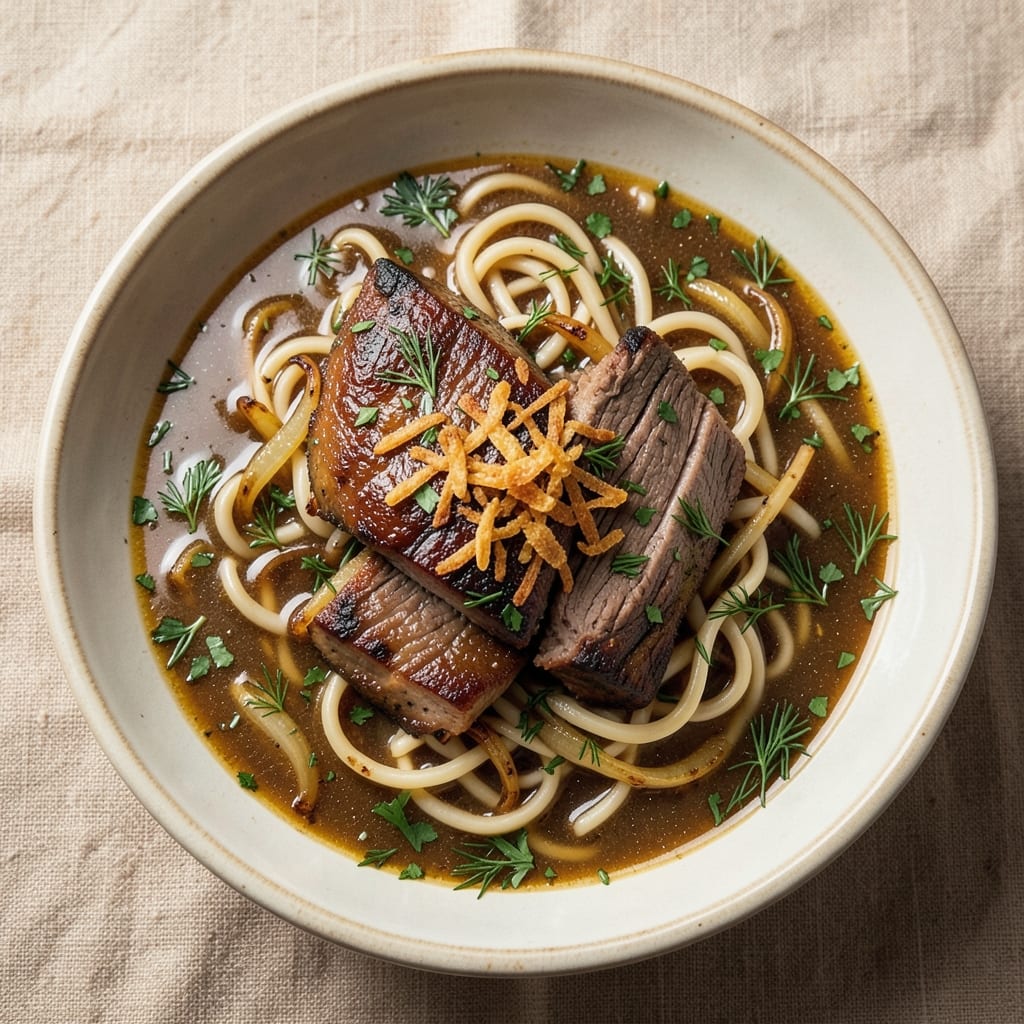
This ash reshteh soup recipe brings the soul-warming flavors of Persian cuisine to your kitchen, where tender meat, aromatic herbs, and delicate noodles unite in a fragrant, spiced broth. 🔥 The dish is a staple in Persian homes, often served during gatherings or to welcome guests—its comforting aroma alone makes any meal feel special. What sets this recipe apart is the traditional method of cooking meat and broth separately, then combining them with fresh herbs and noodles for a harmonious balance of textures and flavors.
The heart of ash reshteh lies in its layers of flavor: slow-cooked lamb or beef simmered with onions, garlic, and warm spices like turmeric and cinnamon, creating a rich, smoky base. Fresh parsley and dill are folded in at the end, adding brightness and herbaceous depth that elevate the dish. The noodles, often egg-based, absorb the broth beautifully, making each spoonful hearty and satisfying. This recipe delivers restaurant-quality results with just a few key techniques and patience.
By the time you finish, you’ll have a steaming bowl of ash reshteh that’s tender, aromatic, and deeply comforting—perfect for chilly evenings or special occasions. The broth is rich yet not overpowering, with just the right amount of spice to warm the soul. Serve it with fresh herbs on top and a side of crusty bread to soak up every last drop. This is Persian comfort food at its finest, and it’s easier to make than you think.
One of the best things about ash reshteh is its versatility—it’s hearty enough for a main dish but light enough to pair with salads or grilled meats. The recipe also allows for variations, like adding chickpeas or swapping lamb for beef, depending on preference. Whether you’re cooking for family or hosting a dinner, this soup will leave everyone asking for seconds. Let’s get started!
Ingredients for ash reshteh soup
Persian spices, tender lamb, and delicate noodles create this aromatic, hearty soup.
| Ingredient | Amount | Notes |
|---|---|---|
| Lamb Shoulder 🐑 | 2 lb | Bone-in, cut into chunks |
| Yellow Onions 🧅 | 2 whole | Medium-sized, peeled |
| Garlic Cloves 🧄 | 8 cloves | Peeled, roughly chopped |
| Fresh Parsley 🌿 | ½ cup | Chopped, stems included |
| Fresh Dill 🌿 | ¼ cup | Chopped, stems included |
| Egg Noodles 🍜 | ½ lb | Medium width, uncooked |
| Ground Cumin 🌶️ | 1 tbsp | Freshly toasted preferred |
| Ground Turmeric 🌶️ | 1 tsp | Bright yellow color |
| Ground Cinnamon 🌿 | ½ tsp | Freshly ground preferred |
| Salt 🧂 | 1 ½ tsp | Kosher or sea salt |
| Black Pepper 🌶️ | ½ tsp | Freshly ground preferred |
| Vegetable Oil 🫒 | ½ cup | For browning meat |
| Chickpeas 🥜 | 1 can | 15 oz, drained and rinsed |
| Lemon Juice 🍋 | 1 tbsp | Freshly squeezed |
| Water 💧 | 8 cups | For broth |
The lamb is the foundation—look for bone-in shoulder at your butcher or grocery store's meat counter. Costco or Whole Foods often carry high-quality cuts, but any well-marbled lamb will work. The yellow onions should be firm and free of sprouts; avoid any with soft spots. For the spices, Penzeys or local Middle Eastern markets offer the freshest ground cumin and turmeric. Toast your cumin seeds in a dry pan for 30 seconds before grinding to deepen the flavor—trust me on this. The chickpeas? Low-sodium canned is fine, but rinse thoroughly to cut excess salt.
No lamb? Beef chuck works perfectly—just increase cooking time slightly. Running short on parsley? Fresh cilantro or dill can substitute at the same amount, though parsley's bright flavor is traditional. The egg noodles should be medium-width (about 1/4-inch thick) to absorb the broth well. For extra richness, add 1 tbsp tomato paste to the broth base. The lemon juice brightens the dish at the end—freshly squeezed makes all the difference compared to bottled.
Store the cooked broth in an airtight container for up to 4 days in the fridge, or freeze for 3 months. The noodles and herbs are best added fresh when reheating. For meal prep, cook the lamb and broth ahead, then reheat with the noodles and herbs just before serving. The flavors meld beautifully overnight, making it even more comforting the next day. Serve with warm pita bread or crusty sourdough to soak up every last drop.
Why You'll Love This Recipe
- One-Pot Magic: I swear by this soup because it’s literally dump-and-simmer. The lamb shoulder breaks down into tender shreds while the onions and garlic caramelize in the same pot—no extra dishes, no fuss. Just layer in the herbs at the end, and you’ve got a restaurant-worthy bowl without the stress.
- Herb-Packed Punch: That bright mix of parsley and dill cutting through the rich lamb? Chef’s kiss. The garlic lingers just enough to warm you up, but the herbs keep it fresh—like a hug in a bowl. Honestly, I’ve had bland soups before, but this one’s dangerously addictive.
- Weeknight Workhorse: This soup doubles as a meal prep MVP. Make a big batch on Sunday, and you’ve got lunch or dinner covered all week—just reheat and serve. It’s my go-to for lazy nights, potlucks, or when I need to feed a crowd without slaving away in the kitchen.
- Budget-Friendly Luxury: Lamb shoulder stretches further than you’d think, and onions/garlic/herbs are cheap staples. I’ve made this for under $10 a serving, and it still tastes like I spent hours on it. Between us, it’s my secret weapon for feeling fancy without breaking the bank.
Step-by-step instructions for ash reshteh soup
This Persian masterpiece delivers rich, aromatic broth and delicate herb dumplings—here's how to nail it.
🔥 Step 1: Brown the Lamb and Build the Spiced Base
Heat the 0.5 cup vegetable oil in a large Dutch oven over medium-high heat. Add the 2 lb lamb shoulder in chunks and brown on all sides for 8-10 minutes—this develops deep flavor. Remove and set aside.
In the same pot, add the 2 whole yellow onions (halved) and cook for 5 minutes until soft. Stir in the 8 cloves garlic cloves, 1 tbsp ground cumin, 1 tsp ground turmeric, 0.5 tsp ground cinnamon, 1.5 tsp salt, and 0.5 tsp black pepper. Cook for 1 minute until fragrant—this releases the spices' full aroma.
🍳 Step 2: Simmer the Broth and Prepare the Dumplings
Pour in the 8 cups water and return the lamb to the pot. Bring to a boil, then reduce to low heat and simmer uncovered for 1.5 hours until the lamb is fork-tender. Skim any foam that rises to the surface during the first 30 minutes—this ensures a clear broth.
While the broth simmers, combine 0.5 cup fresh parsley, 0.25 cup fresh dill, 0.5 lb egg noodles, and 1 can chickpeas (drained) in a bowl. Mix well—this will be your dumpling mixture. Keep it at room temperature until ready to use.
🥘 Step 3: Assemble and Cook the Dumplings
Remove the lamb from the broth and shred it using two forks. Return the shredded lamb to the pot. Stir in the 1 tbsp lemon juice and adjust seasoning if needed. Bring the broth to a gentle simmer over medium-low heat.
Drop tablespoon-sized portions of the herb mixture into the simmering broth. Cover and cook for 10-12 minutes until the dumplings are cooked through and the broth thickens slightly. The dumplings should float to the surface—this means they're done.
⏰ Step 4: Rest and Serve for Maximum Flavor
Remove from heat and let the soup rest for 5 minutes. This allows the flavors to meld and the dumplings to absorb the rich broth. Ladle into bowls, ensuring each serving gets both dumplings and broth.
Garnish with extra fresh herbs if desired. Serve immediately while hot—each spoonful should deliver tender lamb, fragrant spices, and delicate herb dumplings in a harmonious balance. The broth should coat the back of a spoon with a velvety texture, and the dumplings should be soft yet hold their shape.
Pro Tips For Making Ash Reshteh Soup
- BROWN THE LAMB FIRST: I learned this the hard way—skipping the deep sear means your soup will taste more like stewed meat than rich, caramelized lamb. Get that shoulder sizzling in a hot pot with a splash of water (yes, even if you’re impatient like me) until it’s dark golden, not just pink. That crust locks in flavor and cuts through the tangy ash later.
- CHOP ONIONS SMALL AND UNIFORM: I used to throw in roughly chopped onions, and they’d turn to mush while the lamb stayed tough. For ash reshteh, dice those yellow onions into ¼-inch pieces—small enough to disappear but big enough to hold shape. Pro tip: Pulse them in a food processor for consistency, then give them a quick hand-toss to keep some texture.
- DON’T SKIP THE ASH INFUSION TIME: Sounds weird, but it works: Let the ash steep in the simmering broth for at least 10 minutes before adding the noodles. I was skeptical until I tried it—the soup’s earthy depth comes from this step, not just the ash itself. Strain it out later if you’re worried about texture, but trust the process.
- SAUTÉ GARLIC IN THE LAMB FAT: My grandmother swore by this, and she was right: After removing the lamb, let the pot cool slightly, then swirl in the garlic cloves straight into the rendered fat. Cook them low and slow until they’re golden, not burnt—this adds a nutty sweetness that store-bought garlic powder can’t match. (Your future self will thank you.)
Pro cooking tips for great ash reshteh soup
Spice Toasting
Toast your ground cumin and ground cinnamon in a dry skillet over medium heat for 30 seconds before adding to the onions. This simple step deepens their flavors dramatically—trust me, it makes all the difference. The warm, nutty aroma will fill your kitchen and signal that something special is happening. 🌶️
Broth Clarity
Skimming foam during the first 30 minutes of simmering is non-negotiable for a clear broth. Use a large spoon to remove any scum that rises—this prevents cloudiness and keeps the final soup elegant. The broth should be golden and inviting, not murky. I like to skim every 5 minutes during this initial phase.
Dumpling Technique
Form your herb dumplings into tablespoon-sized portions (about 15g each) for perfect cooking. Press them gently but firmly—too loose and they’ll fall apart; too tight and they’ll be dense. Drop them into the simmering broth one at a time, spacing them out so they have room to float. The moment they surface, they’re done—no peeking! 🍜
Lamb Tenderness
Check your lamb at 1 hour of simmering—it should pull apart easily with a fork. If not, add ½ cup hot water and continue cooking. Overcooking can dry it out, so aim for 1.5 hours max. The broth should be rich but not greasy—golden and aromatic, with visible fat that rises to the top.
Lemon Juice Timing
Add the lemon juice only in the final 5 minutes of cooking—this brightens the broth without overpowering it. The acidity cuts through the richness and balances the spices beautifully. Freshly squeezed lemon is a must—bottled juice lacks the complexity. 🍋
Resting Matters
Let the soup rest for 5 minutes off the heat before serving. This allows flavors to meld and the dumplings to absorb the broth fully. The first spoonful after resting is always the best—trust the process. Garnish with extra herbs just before serving to keep them vibrant and fresh-tasting.
Nutrition facts
Frequently asked questions
Can I substitute beef for lamb in this Persian herb soup?
Yes, you can absolutely use beef! For best results, choose chuck roast (bone-in if possible) and increase simmering time by 15-20 minutes to ensure tenderness. The flavor profile will be slightly richer, but the technique remains identical. Just watch for doneness at 1 hour instead of 45 minutes.
What makes the herb dumplings hold together?
The key is the egg noodles—they act as a binder when combined with fresh herbs and chickpeas. For extra cohesion, lightly press each dumpling before dropping into broth. If they still fall apart, add 1 egg to the herb mixture or reduce the chickpea amount by ¼ cup.
How do I make this soup vegetarian?
Replace the lamb with extra-firm tofu or mushrooms (like portobello) for umami depth. Use 2 cups mushrooms (sautéed first) and add 1 tbsp soy sauce to the broth. The herb dumplings remain the same—just ensure they're packed tightly to hold shape in the broth.
Can I prepare ash reshteh ahead of time?
The broth and cooked lamb can be refrigerated for 4 days or frozen for 3 months. Reheat gently, then add fresh herb dumplings just before serving. For meal prep, cook the dumplings separately and reheat in broth for 5 minutes—they'll soften perfectly without overcooking.
Why does my broth look cloudy?
Cloudiness usually means unskimmed foam or insufficient simmering time. Always skim the first 30 minutes of cooking, and simmer uncovered for the full 1.5 hours. If it's still cloudy, strain through a fine-mesh sieve before adding dumplings for a crystal-clear finish.