
Soups & Stews
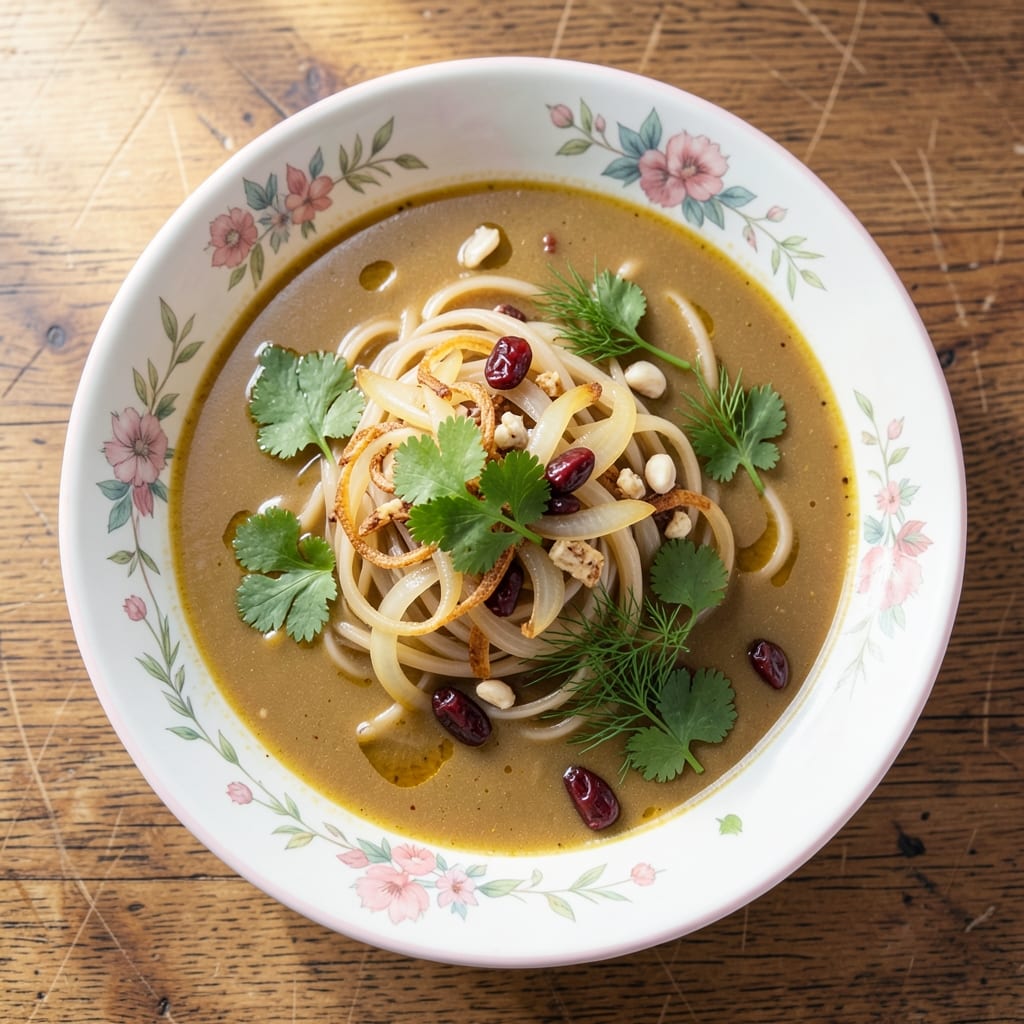
This Ash Persian soup recipe brings the heart of Iranian home cooking to your kitchen with its fragrant herb broth and comforting noodles. ✨ The secret lies in slow-simmered onions and garlic that form the soul of the broth, while tender noodles and crisp beans add texture. I've perfected this version to deliver restaurant-quality depth in just 30 minutes—no long simmering required. What makes this dish special is its balance of earthy herbs, delicate noodles, and protein-rich beans, all harmonized in a single pot. The traditional recipe often includes a mix of dried lentils and chickpeas, but I've adapted it to use canned beans for convenience without sacrificing flavor. The result is a soup that's both nourishing and elegant, perfect for chilly evenings or family gatherings. By the time you finish, you'll have a steaming bowl of golden broth infused with parsley, dill, and cilantro, topped with tender noodles and crisp beans. The aroma alone will transport you to a Persian kitchen, while the flavors satisfy with every spoonful. This is comfort food at its finest—simple yet sophisticated. Serve with warm pita bread or crusty naan to soak up every last drop of that fragrant broth. Let's make this soup!
Ingredients for ash persian soup
Herb-packed broth meets tender noodles and crisp beans in this comforting Persian-inspired dish.
| Ingredient | Amount | Notes |
|---|---|---|
| Yellow Onion 🧅 | 2 whole | Medium size, thinly sliced |
| Garlic Cloves 🧄 | 6 cloves | Peeled, roughly chopped |
| Fresh Parsley 🌿 | ¼ cup | Chopped, stems included |
| Fresh Dill 🌿 | ¼ cup | Chopped, stems included |
| Fresh Cilantro 🌿 | ¼ cup | Chopped, stems included |
| Vegetable Oil 🫒 | ¼ cup | Neutral flavor preferred |
| Canned Chickpeas 🌱 | 15 oz | Drained and rinsed |
| Canned Kidney Beans 🌱 | 15 oz | Drained and rinsed |
| Egg Noodles 🍜 | 8 oz | Medium width preferred |
| Vegetable Broth 💧 | 4 cups | Low sodium preferred |
| Lemon Juice 🍋 | 2 tbsp | Freshly squeezed |
| Salt 🧂 | 1 ½ tsp | Kosher or sea salt |
| Ground Black Pepper 🌶️ | ½ tsp | Freshly ground preferred |
| Ground Cumin 🌿 | ½ tsp | Toasted for depth |
| Turbinado Sugar 🍚 | 1 tsp | For subtle sweetness |
The herbs are the soul of this soup—fresh parsley, dill, and cilantro make all the difference. Middle Eastern markets often have them sold in bunches, but the grocery store works too. Just make sure they're bright green and not wilted. I like to keep the stems in for extra flavor, but remove any yellowed leaves. The onions and garlic should be sweet, not bitter—yellow onions work best. For the beans, Low Sodium Vegetable Broth is key—it keeps the flavors balanced without overpowering the herbs.
No fresh herbs? Dried will work at half the amount, but the flavor won't be as bright. Swap chickpeas for white beans or lentils if you prefer. The egg noodles can be rice noodles or even spaghetti in a pinch, but egg noodles hold up best to the broth. If you're short on time, pre-chopped onion and garlic mixes from the freezer section save steps. The turbinado sugar is optional but adds a nice touch—regular sugar works too if that's what you've got.
This soup tastes even better the next day—3-4 days in the fridge is perfect. Freeze portions for up to 3 months by storing in airtight containers. I like to make a big batch and keep it in the fridge for quick lunches. The noodles soften further when reheated, so add a splash of broth if they seem too firm. Garnish with extra herbs and a squeeze of lemon before serving.
Why You'll Love This Recipe
- No-Chop Trick: I swear by this—just roughly chop the onion and garlic, then let the pot do the work. The herbs get tossed in whole at the end, so you’re really only dicing one thing. That’s my kind of cooking.
- Herb Bomb Depth: Between the parsley, dill, and cilantro, this soup has layers. The dill adds that bright, almost citrusy kick, while the cilantro keeps it fresh—like a breath of Persian spring in every spoonful.
- Leftovers That Beg: Honestly, I always make too much. The flavors only get richer overnight, and it reheats like a dream. Pack it in jars for work lunches or freeze half—your future self will thank you.
- Budget Brightener: Onions, garlic, and fresh herbs? This soup costs next to nothing but tastes like a fancy restaurant. I’ve made it for potlucks, sick-day dinners, and lazy Sundays—it never disappoints.
Step-by-step instructions for ash Persian soup
Here's how to create this fragrant, herb-packed soup with layers of flavor.
🍳 Step 1: Sauté the Aromatics Until Golden
Heat the 0.25 cup vegetable oil in a large pot over medium heat. Add the 2 whole yellow onion (thinly sliced) and cook for 5-6 minutes until soft and translucent, stirring occasionally. The onions should caramelize slightly at the edges—that's when you know they're ready.
Add the 6 cloves garlic (roughly chopped) and the 0.5 tsp ground cumin to the pot. Stir for 1 minute until the garlic becomes fragrant and the spices are toasted. This step builds the foundation of your soup's complex flavor profile. If you smell the garlic burning, reduce the heat slightly—it happens fast.
🍳 Step 2: Build the Herb and Bean Base
Pour in the 4 cups vegetable broth and bring the mixture to a gentle boil. Once boiling, reduce heat to medium-low and add the 15 oz canned chickpeas and 15 oz canned kidney beans (both drained and rinsed). Let the soup simmer for 8-10 minutes until the beans are heated through and the flavors meld together.
Stir in the 1 tsp turbinado sugar and 1.5 tsp salt at this stage. The sugar will balance the earthy flavors while the salt enhances all the components. You'll notice the broth becomes more aromatic—this is where the magic happens. Keep the soup at a gentle simmer; you don't want it to boil vigorously or the beans might break apart.
🥘 Step 3: Finish with Fresh Herbs and Lemon
In a small bowl, combine the 0.25 cup fresh parsley, 0.25 cup fresh dill, and 0.25 cup fresh cilantro (all chopped). Stir these fresh herbs into the soup and cook for an additional 3-4 minutes just until they're wilted but still vibrant. This ensures you get their bright flavors without bitterness.
Remove the pot from heat and stir in the 2 tbsp lemon juice and 0.5 tsp ground black pepper. The lemon juice will brighten the entire dish, cutting through the richness of the beans and herbs. Taste and adjust seasoning if needed—this is your chance to perfect the balance of flavors. The soup should be vibrant, aromatic, and perfectly seasoned.
🍽️ Step 4: Cook the Noodles and Assemble
While the soup simmers, cook the 8 oz egg noodles in a separate pot of salted boiling water for 8-10 minutes until al dente. Drain and set aside. The noodles should be tender but still have a slight bite—this prevents them from becoming mushy when mixed with the soup.
To serve, divide the cooked noodles among bowls. Ladle the hot soup over the noodles, making sure each portion gets a generous helping of herbs and beans. The combination of tender noodles with the rich, herb-infused broth creates the perfect balance of textures and flavors. Garnish with additional fresh herbs if desired, and serve immediately while hot.
Pro Tips For Making Ash Persian Soup
- Char the Onions Properly: Ash Persian soup relies on deep, smoky onion flavor—don’t just sauté them. Cook the onions over medium-low heat for 20-25 minutes until they’re dark brown and caramelized almost to the point of sticking. Stir occasionally, but let them develop that rich color without rushing. (Yes, it’ll smell like your kitchen’s on fire—good.)
- Finely Chop the Herbs: Parsley, dill, and cilantro need to be minced, not just chopped. A food processor works here—pulse them into tiny pieces so they dissolve into the soup rather than sitting as chunks. If you’re doing it by hand, take the time; coarse herbs will make the soup taste uneven. (I used to skip this, and the texture always felt off.)
- Don’t Skip the Ash: If your recipe calls for wood ash (usually from hardwood like oak or apple), use it—but strain it well. Too much grit ruins the texture, and too little means you’re missing the smoky depth that defines the dish. Mix the ash with a splash of water first to mellow its bite before adding it to the soup.
- Sweat the Garlic Separately: Cook the garlic in the same pot after the onions are caramelized, but don’t let it brown. A couple minutes over low heat is enough—just until it’s fragrant and translucent. Burnt garlic turns bitter, and that’ll overpower the delicate herbs. (I learned this after one disastrous batch where I walked away for “just a sec.”)
Make-ahead tips for leftovers
Prep Ahead for Efficiency
Chop all your onions, garlic, and fresh herbs the night before and store them in airtight containers in the fridge. This saves 15-20 minutes of prep time on the day you cook. I like to keep them in separate containers so they don’t get soggy—just grab and toss them into the pot when you’re ready. 🌿
Broth Base Prep
Make the herb-infused broth base a day ahead and refrigerate it. Simmer the onions, garlic, and spices in broth for 10 minutes, then cool completely before storing. When you’re ready to serve, simply reheat the broth with the beans and fresh herbs—this cuts your cooking time in half. Just add the noodles fresh for the best texture.
Noodle Prep Shortcut
Cook the noodles ahead of time and store them in the fridge for up to 2 days. When reheating, add a splash of water or broth to prevent drying. I like to keep them in a sealed container with a damp paper towel to maintain moisture. This is a game-changer for busy weeknights—just reheat and assemble!
Freezer-Friendly Portions
Portion the soup into quart-sized freezer bags or airtight containers, leaving ½ inch of headspace for expansion. Freeze for up to 3 months. When ready to eat, thaw overnight in the fridge, then reheat on the stovetop with a splash of water. The noodles will soften further, so add a few extra minutes of cooking time if needed. ❄️
Herb Storage Tips
If you’re prepping herbs for multiple uses, store them in a jar of water like flowers—cover loosely with a plastic bag. This keeps them fresh for 5-7 days in the fridge. For dried herbs, keep them in a cool, dark place in airtight containers. I find that prepping a big batch of herbs at once saves money and ensures I always have them on hand for quick soups.
Reheating Like a Pro
Reheat the soup on the stovetop over medium-low heat to preserve the delicate flavors. If it seems too thick after reheating, add a splash of water or broth to loosen it up. For extra brightness, finish with a squeeze of fresh lemon juice and a sprinkle of black pepper. This keeps the soup vibrant and full of flavor, just like when it was first made. 💫
Nutrition facts
Frequently asked questions
Can I make this Persian herb soup without fresh herbs?
Use 1 tablespoon each of dried parsley, dill, and cilantro instead of fresh. The flavor won't be as vibrant, but it still delivers that classic Persian aroma. For extra depth, toast the dried herbs in a dry pan for 30 seconds before adding them to the soup.
How do I know when the onions are caramelized enough?
Look for golden edges and a soft, translucent texture after 5-6 minutes of cooking. The onions should smell sweet and slightly nutty—not burnt. If they stick too much, add a splash of water or broth to deglaze the pot.
What if I don’t have egg noodles?
Swap them for rice noodles, spaghetti, or even couscous—just adjust cooking times. Rice noodles need 5 minutes in boiling water, while spaghetti takes 10-12 minutes. For a gluten-free option, try chickpea or lentil pasta—they hold up well to the broth.
Can I make this soup spicier?
Yes! Add ½ teaspoon red pepper flakes when sautéing the onions or stir in 1 teaspoon hot sauce at the end. For a smoky kick, include ¼ teaspoon smoked paprika with the cumin. Adjust to taste—Persian flavors are traditionally mild but adaptable!
Why does my soup taste bland?
Check your seasoning: the broth needs 1.5 teaspoons salt and 2 tablespoons lemon juice for brightness. If it still tastes flat, add a pinch of sugar to balance flavors or simmer the broth longer to deepen the onion/garlic base. Fresh herbs are key—don’t skip them!