
Soups & Stews
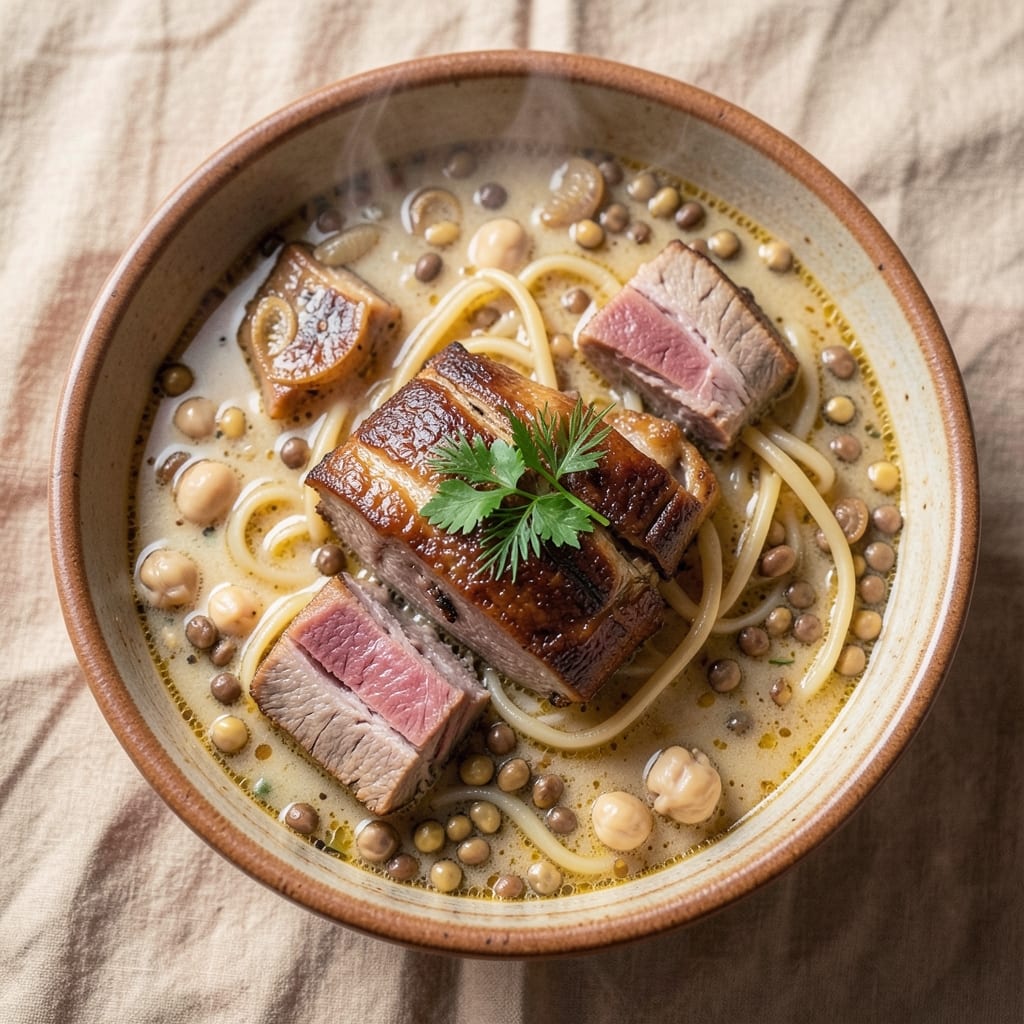
This ash e reshteh soup recipe transforms a simple weeknight into a taste of Persian tradition, where fragrant saffron-infused broth cradles tender lamb, chickpeas, and delicate noodles in a symphony of spices. This is the soup that warms souls during winter gatherings—each spoonful carries the depth of slow-cooked lamb, the earthiness of chickpeas, and the delicate aroma of saffron that makes it unforgettable. The secret lies in layering flavors: starting with a rich lamb broth, then building complexity with dried lentils, herbs, and noodles that absorb every nuance of the broth.
The beauty of ash e reshteh is in its balance—where smoky lamb meets the bright tang of lemon and the subtle warmth of cinnamon. Traditional Persian technique involves simmering the broth for hours to develop its depth, while the noodles are added just before serving to maintain their delicate texture. This isn’t just soup; it’s a comforting embrace, perfect for family dinners or special occasions when you want to share a taste of Persian heritage.
What sets this recipe apart is the harmony of textures: tender lamb that falls apart, chickpeas that add heartiness, and noodles that soak up the aromatic broth. The result is a bowl that’s rich yet light, savory with a hint of sweetness from the spices. Every ingredient plays a role—from the toasted cumin that grounds the flavors to the saffron threads that transform the broth into liquid gold.
Whether you’re serving it to guests or treating yourself to a homemade version, this ash e reshteh delivers restaurant-quality results with a touch of home. The process is straightforward once you understand the key steps—building the broth, layering the spices, and timing the noodles perfectly. Let’s bring this classic Persian dish to your kitchen.
Ingredients for ash e reshteh soup
Six servings of Persian comfort in one pot—where lamb and spices dance together.
| Ingredient | Amount | Notes |
|---|---|---|
| Lamb Shoulder 🍖 | 2 lb | Bone-in for richer broth |
| Chickpeas 🌱 | 1 ½ cups | Canned, drained and rinsed |
| Persian Noodles (Reshteh) 🍜 | 1 ½ cups | Dried, thin noodles (or sub angel hair) |
| Dried Lentils 🍛 | ½ cup | Green or brown lentils |
| Yellow Split Peas 🌿 | ½ cup | Dried, rinsed well |
| Onions 🧅 | 2 whole | Yellow, chopped fine |
| Garlic Cloves 🧄 | 6 cloves | Minced for depth |
| Fresh Cilantro 🌿 | ½ cup | Chopped, stems removed |
| Fresh Dill 🌿 | ¼ cup | Chopped, stems removed |
| Saffron Threads 🧡 | ¼ tsp | High-quality, soaked in 2 tbsp warm water |
| Ground Cumin 🌶️ | 1 tbsp | Toasted for warmth |
| Ground Coriander 🌿 | 1 tbsp | Freshly ground preferred |
| Ground Turmeric 🧂 | ½ tsp | Bright yellow color |
| Ground Cinnamon 🌿 | ½ tsp | Sweet, not spicy |
| Salt 🧂 | 1 ½ tsp | Kosher or sea salt |
| Lemon Juice 🍋 | 2 tbsp | Freshly squeezed |
| Vegetable Oil 🫒 | ¼ cup | For sautéing |
The lamb shoulder is the heart of this soup—bone-in gives the broth incredible depth. Look for cuts with good marbling at Middle Eastern markets or your butcher's counter. If you can't find lamb, beef chuck works in a pinch (it'll be less tender but still flavorful). The chickpeas should be low-sodium canned—rinsed well to cut back on salt. For the noodles, Persian reshteh is ideal, but angel hair pasta is a great substitute if you're in a hurry. The dried lentils and split peas add texture and body—don't skip rinsing them before adding to the pot.
No saffron? Turmeric at double the amount gives color, but you'll miss that floral aroma. The herbs—fresh cilantro and dill—are non-negotiable for that bright Persian flavor. If you're using dried, use half the amount but toast them lightly in a dry pan first. For the spices, toast the cumin and coriander in the oil for 30 seconds before adding water—this brings out their natural oils. The lemon juice at the end? Fresh is a must—bottled won't cut it. And if you're worried about the lamb being too gamey, soak the meat in buttermilk for 30 minutes before cooking.
This soup tastes even better the next day—make a double batch if you can. Store in the fridge for up to 5 days in an airtight container, or freeze for 3 months. The broth reduces as it sits, so add a splash of water when reheating. For serving, I like to garnish with extra herbs and a drizzle of olive oil—makes it look restaurant-worthy. The noodles should go in just before serving so they don't get mushy. Trust me, the wait is worth it.
Why You'll Love This Recipe
- One-Pot Wonder: I swear by this recipe because it’s literally one pot—no chopping chaos, no last-minute prep. Toss in the lamb shoulder (already slow-cooked or pressure-cooked for melt-in-your-mouth texture), dried lentils, and split peas, then let the broth work its magic. By the time the reshteh noodles soften, you’re done.
- Umami Bomb: That lamb shoulder? It’s the star—deep, rich, and lingering in the best way. But here’s the secret: the chickpeas and dried lentils soak up the flavor like a sponge, turning every spoonful into a perfect balance of meaty, earthy, and slightly sweet. Honestly, I’ve made it with cheaper cuts, and it still tastes like a restaurant dish.
- Leftovers That Shine: Between us, this soup improves the next day. The flavors meld, the noodles get that perfect chewy texture, and the lamb stays tender. I make a double batch on Sundays, freeze half, and heat it straight from the freezer when I’m too tired to cook. (Yes, even on a Tuesday night.)
- Budget-Friendly Feast: Dried lentils, split peas, and lamb shoulder? That’s a steal for a meal that feels special. I stretch the broth with water, let the dried beans do their thing, and end up with enough to feed four for under $15. Plus, the reshteh noodles add that restaurant-worthy touch without breaking the bank. My wallet and my family thank me.
Step-by-step instructions for ash e reshteh soup
Here's how to build this hearty Persian soup layer by layer—rich lamb broth, tender noodles, and fragrant herbs.
Sear the Lamb Shoulder for Deep Flavor
Pat the 2 lb lamb shoulder dry with paper towels and season generously with 1.5 tsp salt and 1 tbsp ground cumin. Heat 0.25 cup vegetable oil in a large Dutch oven over medium-high heat until shimmering. Add the lamb and sear on all sides for 8-10 minutes until deeply browned—this creates the flavor foundation. Remove and set aside.
Real talk: Don't skip this step. Browning locks in meaty flavor that infuses the broth. If the oil starts smoking too much, reduce heat slightly—you want color, not char. The lamb will cook low and slow later, so this initial sear is all about building depth.
Build the Spiced Vegetable Base
In the same Dutch oven, add 2 whole onions chopped fine and cook for 8-10 minutes until soft and translucent. Stir in 6 cloves garlic cloves (minced) and cook for 30 seconds until fragrant. Add 1 tbsp ground coriander, 0.5 tsp ground turmeric, 0.5 tsp ground cinnamon, and cook for 1 minute until spices bloom and fill your kitchen with warmth.
Here's where it gets aromatic. The spices should smell toasty and inviting—not burnt. If they darken too quickly, reduce heat. This spice blend is the soul of ash e reshteh, so don't rush it. The turmeric will give the broth its signature golden hue while cinnamon adds subtle sweetness.
Simmer the Legume and Herb Mixture
Add 1.5 cups chickpeas, 0.5 cup dried lentils, 0.5 cup yellow split peas, and 1.5 cups Persian noodles (reshteh) to the pot. Pour in 8 cups water (enough to cover everything by 2 inches) and bring to a boil. Reduce heat to low and simmer uncovered for 45 minutes, stirring occasionally to prevent sticking. The mixture should cook until all legumes are tender and the broth reduces slightly.
I check for doneness by tasting a chickpea—it should be soft but not mushy. The noodles will finish cooking later when we add them to hot broth, so they don't get soggy. If the broth looks too thin, reduce it by 10 minutes uncovered before adding the lamb back. This concentrated flavor makes all the difference.
Cook the Lamb and Finish the Broth
Return the seared lamb shoulder to the pot along with 2 tbsp lemon juice and the soaked 0.25 tsp saffron threads (with their soaking water). Bring to a gentle simmer and cook covered for 1.5 hours until the lamb is fork-tender. Remove the lamb, shred the meat, and return it to the broth. Stir in 0.5 cup fresh cilantro and 0.25 cup fresh dill just before serving.
The saffron adds that signature floral note, so don't skip soaking it first—this releases maximum color and aroma. The lamb should shred easily with two forks. If the broth seems too thick, add 1 cup hot water to reach your desired consistency. The herbs should be added last to preserve their bright flavors.
Adjust and Serve Warm
Taste the soup and adjust seasoning with additional salt if needed. Ladle into bowls, garnishing each serving with extra fresh dill and a sprinkle of cilantro. Serve immediately with crusty bread to soak up every last drop of that fragrant broth.
This is the moment you've been waiting for. The soup should be rich with lamb flavor, slightly tangy from the lemon, and aromatic from the herbs. Each bite delivers a perfect balance of tender meat, chewy noodles, and earthy legumes—all wrapped in that golden, spiced broth. Leftovers keep well for 3 days in the fridge, though I doubt they'll last that long!
Pro Tips For Making Ash E Reshteh Soup
- Brown the Lamb Properly: After chopping the lamb shoulder into chunks, don’t just throw it in the pot—sear it in batches over medium-high heat until deep golden. I learned this the hard way: skipping this step leaves the broth pale and the meat bland, no matter how long you simmer.
- Soak Reshteh Separately: The Persian noodles (reshteh) absorb flavor like sponges, so soak them in warm water for 10 minutes before adding to the pot. This prevents them from turning mushy later—trust me, your soup will thank you.
- Don’t Overcrowd the Pot: When adding chickpeas, lentils, and split peas, resist the urge to dump everything in at once. Cook them in stages—start with lentils and peas, then add chickpeas later—to avoid a watery, underflavored broth.
- Skim Early, Skim Often: The first 20 minutes of simmering are when the broth gets cloudy from impurities. Skim the foam off the surface regularly—yes, it’s tedious, but it guarantees a silky-smooth texture by the end.
Common mistakes when making great ash e reshteh soup
Skipping the Sear
One of the most common mistakes is skipping the lamb sear, which is crucial for building deep, meaty flavor in the broth. That golden crust on the lamb releases Maillard reaction compounds that infuse the broth with richness. If you rush this step or use pre-cooked lamb, your soup will taste flat. I always take 10-15 minutes to properly brown the meat—it makes all the difference in the final result. 🔥
Overcrowding the Pot
Adding all ingredients at once can lead to uneven cooking and a diluted flavor. The legumes (chickpeas, lentils, split peas) need space to absorb the broth properly. Start by cooking the lamb and vegetables first, then add the legumes in stages. If your pot is too crowded, the chickpeas won't soften evenly, and the broth may turn watery instead of rich and concentrated.
Ignoring the Saffron Soak
Many people forget to soak the saffron threads in warm water before adding them to the soup. This step is essential—soaking releases the crocetin and safranal compounds that give saffron its signature aroma and color. Without soaking, you'll end up with a pale broth and miss that floral, honey-like depth. Always use high-quality saffron (like Bibikou) and let it steep for at least 10 minutes before adding it to the pot.
Rushing the Simmer Time
The beauty of ash e reshteh lies in its slow-cooked richness, which develops over time. Skipping the 1.5-hour simmer for the lamb or the 45-minute simmer for the legumes results in tough meat and undercooked beans. Patience is key—this isn't a dish where you can speed things up. The longer the broth simmers, the more the flavors meld together, creating that unforgettable depth that defines Persian soups.
Adding Noodles Too Early
Persian reshteh noodles should be added just before serving to maintain their delicate texture. If you add them too early, they'll turn mushy and lose their bite. I like to cook the noodles separately for 2-3 minutes in the hot broth right before serving. This ensures they're al dente and soak up the flavorful broth without becoming a soggy mess. Trust me, the wait is worth it for that perfect texture. 💫
Neglecting the Herbs
Fresh herbs like cilantro and dill are non-negotiable in ash e reshteh—they provide the bright, fresh contrast to the rich lamb and spices. Adding them too early can mute their flavor, while adding them too late means they won't infuse properly. Stir them in just before serving to preserve their vibrant taste. If you're using dried herbs, toast them lightly in a dry pan first to enhance their aroma—it makes a world of difference in the final dish.
Nutrition facts
Frequently asked questions
Can I make ash e reshteh with chicken instead of lamb?
Yes, but the flavor will be milder. Use 2 lb bone-in chicken thighs (dark meat stays juicier) and reduce the cooking time to 1 hour after searing. The broth will be lighter, so add an extra 0.25 tsp saffron for depth. For authenticity, lamb is traditional, but chicken works well for a quicker version.
What if I can't find Persian noodles (reshteh)?
Use angel hair pasta or capellini as a substitute—they cook quickly and have a similar delicate texture. Add them just before serving (like the recipe) to prevent mushiness. For extra authenticity, toast the noodles in a dry pan for 1 minute before adding to the broth to enhance their nutty flavor.
How do I make this soup vegetarian?
Replace the lamb with 1.5 lb extra-firm tofu or 2 cups dried mushrooms (soaked and drained). Boost umami with 1 tbsp soy sauce and 1 tsp smoked paprika. Use vegetable broth instead of water, and add 1 tbsp tomato paste to deepen the flavor. The legumes and spices will still provide hearty texture and warmth.
Can I prepare ash e reshteh ahead of time?
Make the broth and legume mixture up to 3 days ahead and store in an airtight container in the fridge. Reheat gently on the stove, then add fresh herbs and noodles just before serving. For freezing, package the broth and legumes separately (without noodles) for up to 3 months. The lamb can be cooked and shredded ahead, then reheated in the broth.
Why does my broth taste bland?
Bland broth usually means insufficient searing or simmering time.