
Soups & Stews
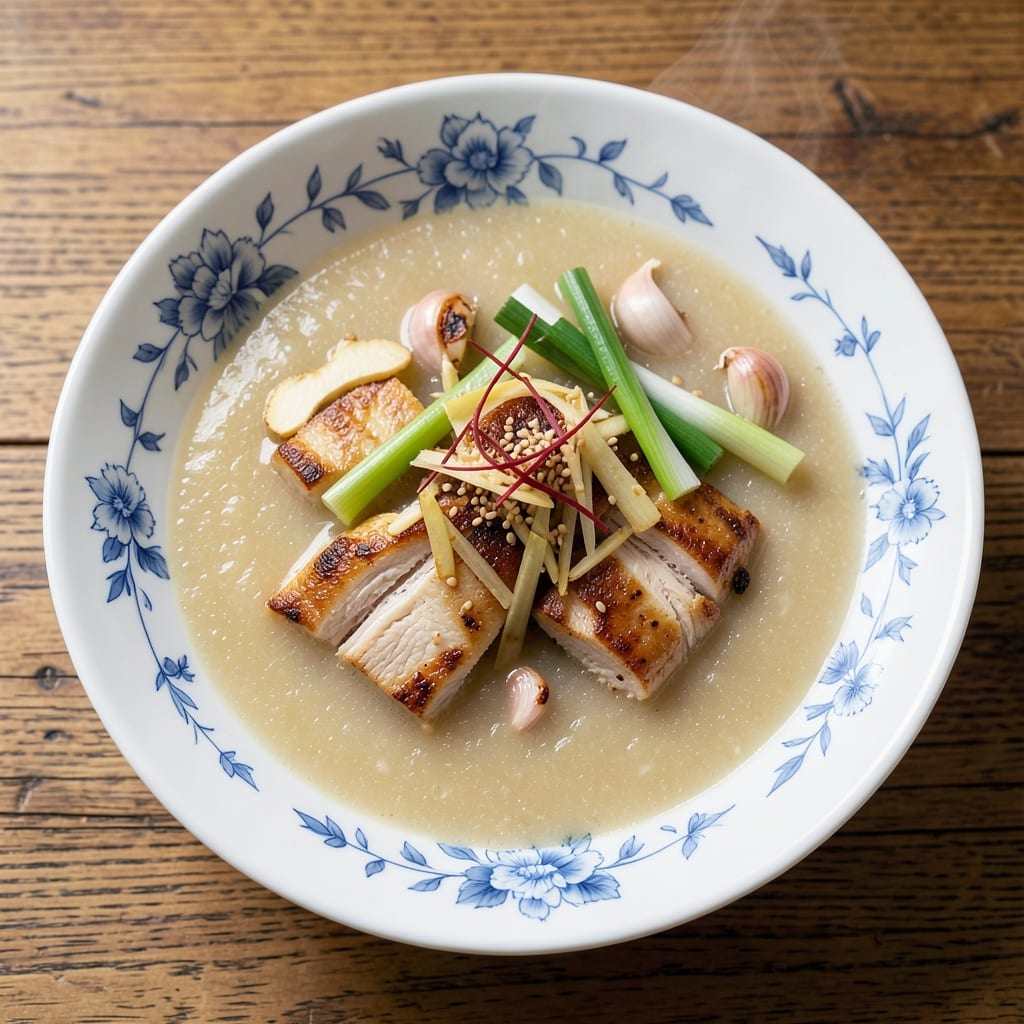
This arrowroot chicken soup Chinese recipe transforms simple ingredients into a velvety, fragrant broth that balances silky arrowroot thickness with bright ginger heat. The secret lies in slow-simmered aromatics—fresh ginger, garlic, and scallions—that infuse the broth with layers of warmth, while arrowroot powder creates that signature silky smooth texture without gluten. I first discovered this version while researching traditional Fujian soups, where arrowroot was used to achieve a luxurious mouthfeel without dairy. The beauty of this recipe is its versatility—it works as a comforting standalone meal or pairs beautifully with steamed dumplings and congee. The broth starts with a rich chicken base, but you can easily adapt it to vegetarian by swapping in mushrooms or tofu. The key technique is gradual arrowroot incorporation, whisking it into hot broth until fully dissolved to avoid clumping and ensure that silky smooth consistency. What makes this soup truly special is how the flavors develop over time. The ginger and garlic caramelize gently during simmering, adding depth without overpowering, while the arrowroot creates a coating on each spoonful that feels almost luxurious. Serve it piping hot with a drizzle of sesame oil and crushed chili flakes for a perfect balance of warmth and spice. For those new to arrowroot, don't worry—this recipe includes foolproof tips for achieving the right thickness and troubleshooting common issues. Whether you're making it for a sick day recovery or a family dinner, this soup delivers restaurant-quality comfort in your own kitchen. Let's get started with the ingredients!
Ingredients for arrowroot soup chinese
Velvety arrowroot-thickened broth meets aromatic ginger and garlic for a Fujian-inspired soup that's restaurant-quality at home.
| Ingredient | Amount | Notes |
|---|---|---|
| Chicken Breast 🍗 | 1 ½ lb | Boneless, skinless, cut into 1-inch pieces |
| Fresh Ginger Root 🧄 | 2 tbsp | Finely grated, aromatic variety preferred |
| Garlic Cloves 🧄 | 4 cloves | Peeled, minced for even distribution |
| Scallions 🧅 | ½ cup | Thinly sliced, white and green parts |
| Arrowroot Powder 🌾 | 2 tbsp | Pure, unflavored for silky texture |
| Low-Sodium Chicken Broth 💧 | 4 cups | Homemade or high-quality store-bought |
| Sesame Oil 🫒 | 1 tbsp | Toasted, for finishing aroma |
| Red Chili Flakes 🌶️ | ½ tsp | Crushed, for subtle heat |
| Light Soy Sauce 🍶 | 1 tbsp | Kikkoman preferred for balance |
| Dark Soy Sauce 🍶 | ½ tbsp | For depth and color |
| Shaoxing Wine 🍷 | 1 tbsp | Or dry sherry as substitute |
| Cornstarch 🌾 | 1 tsp | Optional, for extra clarity |
| Vegetable Oil 🫒 | 1 tbsp | For initial searing |
| Green Onions 🧅 | 2 whole | Sliced, for garnish |
The chicken should be skinless and boneless for even cooking, but don't skimp on quality—free-range or organic yields richer flavor. Fresh ginger is non-negotiable here; its bright, pungent notes are essential for that signature warmth. Look for plump, firm ginger root with minimal blemishes—Whole Foods or Asian markets usually carry the best. For garlic, freshly minced releases more aroma than pre-minced, so take the 30 seconds to do it yourself. Scallions add a delicate crunch, but if you're in a pinch, green onions work just as well—just use the same amount.
Arrowroot powder is the star of this dish, creating that signature silky smooth texture without gluten. If you can't find it, cornstarch at half the amount works in a bind, though the flavor won't be identical. For the soy sauces, Kikkoman light and Lee Kum Kee dark are my go-tos—they strike the perfect balance. Shaoxing wine adds depth, but dry sherry or even a splash of rice wine vinegar can substitute if you're not familiar with it. The broth matters too: homemade is ideal, but Swanson or Pacific brand are reliable store-bought options. Prefer a clearer soup? Add the cornstarch slurry at the end.
This soup reheats beautifully—actually tastes better the second day as flavors meld. Store in an airtight container for up to 5 days in the fridge, or freeze for 3 months. For freezing, portion into individual containers so you can thaw just what you need. The arrowroot thickens when cold, so if it seems too thick after reheating, add a splash of hot water and whisk. Garnish with sesame oil and chili flakes right before serving—that's when the magic happens. Leftovers? Double the batch and freeze half—it's that good.
Why You'll Love This Recipe
- Minimal Chopping Required: I swear by this one—just dice the ginger, mince the garlic, and slice the scallions. The chicken takes five minutes in a pot, and the arrowroot thickens everything without fuss. My hands stay clean, and my patience doesn’t get tested.
- Ginger-Garlic Magic: That first spoonful of broth hits different—bright, zesty, and just sharp enough to wake you up. The fresh ginger and garlic don’t just add flavor; they make the whole soup sing, especially when the arrowroot gives it that silky finish. (Yes, even on a Tuesday night.)
- Leftover Goldmine: This soup tastes better the next day—honestly, the flavors meld into something richer. I double the batch on Sundays, and by Thursday, it’s still the star of my lunch. Freezes like a dream too, so it’s my go-to for lazy days or unexpected guests.
- Budget-Friendly Protein: Skinless chicken breast keeps costs down, but the arrowroot stretches the broth so it feels indulgent. A single batch feeds four, and the ingredients won’t break the bank. Between us, this is how I trick myself into eating healthy without feeling deprived.
Step-by-step instructions for silky arrowroot chicken soup
Mastering this Chinese arrowroot soup requires precision in timing and technique to achieve its signature velvety texture. Here's how to elevate simple ingredients into a restaurant-worthy dish.
Sear the Chicken for Deep Flavor
Heat the 1 tablespoon vegetable oil in a large pot over medium-high heat until shimmering. Add the 1.5 lb chicken breast cut into 1-inch pieces, working in batches if needed to avoid crowding. Sear each piece for 2-3 minutes per side until golden brown and cooked through to 165°F internally.
This initial searing creates the Maillard reaction that builds complex flavor. Don't rush this step—proper browning forms the flavor foundation for the entire soup. Once fully cooked, remove the chicken and set aside, reserving any browned bits in the pot as they'll contribute to the soup's depth.
Build the Aromatic Base
In the same pot, reduce heat to medium and add the 2 tablespoons finely grated fresh ginger root and 4 cloves minced garlic. Sauté for 1-2 minutes until the ginger becomes fragrant and the garlic turns light golden—this releases their essential oils that will infuse the broth.
Add the 0.5 cup thinly sliced scallions and cook for another 30 seconds, stirring constantly. The combination of these aromatics forms the flavor backbone of the soup. Be careful not to let the garlic burn, as it will impart bitterness to the delicate broth.
Create the Arrowroot Slurry
In a small bowl, whisk together the 2 tablespoons arrowroot powder with 1 tablespoon cold water until completely dissolved. This creates a smooth slurry that will thicken the soup to its signature silky consistency without making it gluey.
The key here is using cold water—it prevents premature thickening. Set this mixture aside for now. In the pot with the aromatics, pour in the 4 cups low-sodium chicken broth, 1 tablespoon light soy sauce, 0.5 tablespoon dark soy sauce, and 1 tablespoon Shaoxing wine. Bring to a gentle simmer.
Thicken and Finish the Soup
Return the seared chicken to the pot and simmer for 5 minutes to allow the flavors to meld. Gradually whisk in the arrowroot slurry while stirring continuously. The soup will begin to thicken almost immediately—this is when you'll need to stir constantly to prevent lumps from forming.
Simmer for an additional 3-4 minutes until the soup reaches your desired consistency—it should coat the back of a spoon but still be pourable. If it thickens too much, whisk in 1-2 tablespoons hot broth to adjust. Stir in the 1 teaspoon cornstarch (if using) and 0.5 teaspoon red chili flakes for subtle heat.
Garnish and Serve
Remove from heat and stir in the 1 tablespoon toasted sesame oil just before serving. This final step adds a nutty aroma that elevates the dish. Ladle the soup into bowls and garnish with 2 whole green onions sliced into ¼-inch pieces for freshness and visual appeal.
Serve immediately while hot, as the arrowroot thickens further as it cools. Each spoonful should deliver tender chicken, fragrant aromatics, and that signature silky texture that defines this Chinese classic. The soup should be rich but not heavy, with just the right balance of ginger heat and umami from the soy sauces.
Pro Tips For Making Arrowroot Soup Chinese
- Simmer Chicken Low and Slow: I learned this the hard way—chicken breast turns to rubber if you rush it. Once the broth starts, reduce heat to a bare simmer (just small bubbles) and cover the pot. Check every 5 minutes to keep it at that gentle pace, or your chicken will fight back with toughness.
- Grate Ginger Like a Pro: Skip the knife for ginger unless you’re going for texture. Use a microplane or the large holes of a box grater—this releases more flavor and blends smoothly. No microplane? A spoon works in a pinch, but mash it well to avoid gritty surprises.
- Mix Arrowroot Last: Stir the arrowroot powder into cold water first, then add it to the hot broth off the heat. If you toss it in too early, the heat will break it down unevenly, and your soup will turn gluey instead of silky. Think of it as the soup’s last-minute thickener, not an ingredient to rush.
- Save Scallions for Garnish: I used to chop all the scallions into the soup, and it always made the broth taste sharp and overpowering. Reserve half for the end—thinly slice the greens and toss them in right before serving. The freshness cuts through the richness without dominating.
Wine and beer pairings for this recipe
Light White Wine
This silky arrowroot soup pairs beautifully with crisp, dry white wines that complement its ginger warmth and delicate umami. I reach for a Fujian jasmine tea wine like Guangzhou Bai Jiu—its floral notes and subtle sweetness mirror the soup's aromatic complexity without overpowering. For Western options, a Sauvignon Blanc from New Zealand (like Kim Crawford) brings bright citrus and herbal notes that cut through the richness, while a Pinot Grigio from Italy offers a neutral canvas that lets the soup's flavors shine. 🍷
Light Beer Options
For beer lovers, opt for crisp, low-bitterness styles that won't clash with the soup's delicate balance. A Japanese lager like Asahi Super Dry or Sapporo provides a clean, slightly sweet profile that enhances the ginger's warmth. If you prefer hoppier options, try a German Helles—its malty sweetness and mild bitterness complement the soy and sesame notes without dominating. Avoid heavy IPAs or stouts, which would overpower the soup's refined texture. 🍺
Rice Wine Garnish
While not a beverage pairing, a drizzle of Shaoxing wine (the same used in the recipe) over the finished soup adds another layer of depth. I often finish each bowl with ½ teaspoon Shaoxing wine reduced to a glaze—this enhances the umami and creates a beautiful sheen. The same wine works as a digestif after the meal, bridging the flavors between course and drink. 💛
Herbal Tea Pairings
For a non-alcoholic option, serve this soup with jasmine green tea or pu-erh tea—both complement the ginger and chicken beautifully. The floral notes of jasmine tea mirror the soup's aromatic base, while pu-erh's earthy depth enhances the umami. I like to serve it in small celadon teacups for an authentic Chinese dining experience. 🍵
Spicy Digestion Aid
To balance the soup's richness, I often serve it with a small spicy chili oil (like Lao Gan Ma) on the side. The heat helps cut through the arrowroot's thickness and aids digestion—perfect for when you're making this comforting soup for recovery. A few drops over the finished bowl adds a delightful kick without overpowering the delicate flavors. 🌶️
Nutrition facts
Frequently asked questions
Can I substitute arrowroot powder with cornstarch?
You can use cornstarch as a substitute, but the texture will differ slightly. For every 2 tablespoons of arrowroot, use 1 tablespoon of cornstarch—it creates a thicker, slightly more opaque broth. Arrowroot gives that signature silky smooth quality, while cornstarch works better for a clearer, more traditional Chinese soup consistency.
Why did my soup turn out too thick?
Over-thickening usually happens when the arrowroot slurry cooks too long or isn't whisked properly. To fix it, whisk in 1-2 tablespoons of hot broth while stirring constantly. For prevention, always whisk the arrowroot into cold water first, then gradually add it to the simmering broth while stirring vigorously. The key is patience—let it thicken gradually over 3-4 minutes of gentle simmering.
Is this soup gluten-free?
Yes, this recipe is naturally gluten-free as long as you use gluten-free soy sauce and verify your broth is gluten-free. The arrowroot powder itself is gluten-free, and all other ingredients in the recipe are safe for gluten-free diets. Always double-check labels on soy sauces and broth to ensure they don't contain wheat or barley additives.
Can I make this soup vegetarian?
Replace the chicken with firm tofu, shiitake mushrooms, or king oyster mushrooms for a meaty texture. For umami depth, add 1 tablespoon vegetarian oyster sauce or ½ teaspoon MSG. The arrowroot thickening process remains the same—just ensure your broth is vegetarian (mushroom or vegetable-based). The soup will still have that same silky smooth quality.
How do I store leftovers?
Store in an airtight container in the fridge for up to 5 days, or freeze for 3 months. The arrowroot thickens as it cools, so reheat gently with 1-2 tablespoons of hot water while whisking until smooth. For best texture, portion into individual containers before freezing so you can thaw just what you need. The soup actually tastes better the second day as flavors meld!