
Soups & Stews
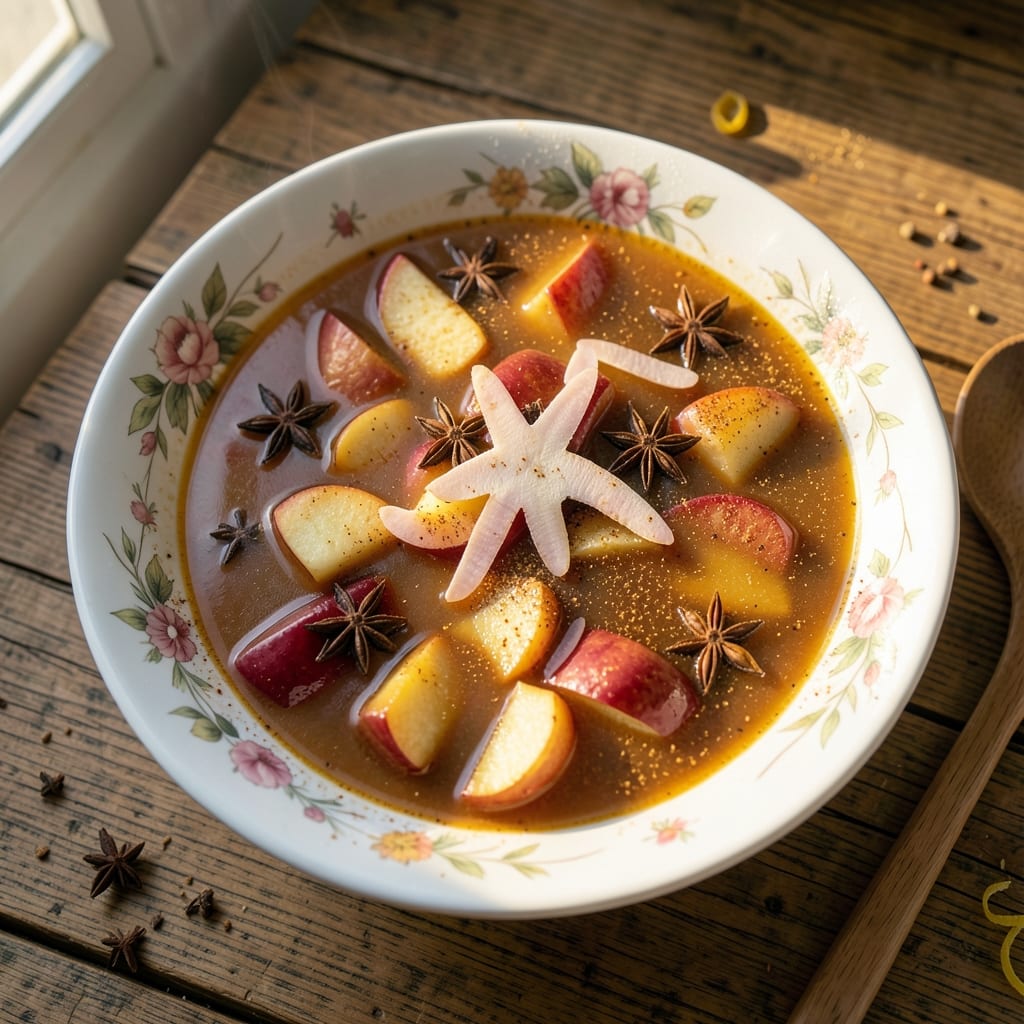
This Chinese-style apple soup transforms humble apples into a fragrant, aromatic dish that balances sweet and savory notes beautifully. The secret lies in five-spice powder, which infuses the simmering apples with warm, earthy depth—something you won’t find in typical Western soups. I developed this recipe after discovering how Chinese households elevate simple ingredients through slow simmering and layered spices.
The process is straightforward yet rewarding: apples are gently braised until tender, then combined with a light broth and aromatic spices. Unlike sweet apple desserts, this version stays subtly sweet while delivering complex umami flavors from soy sauce, ginger, and star anise. The result is a comforting soup that’s both hearty and delicate, perfect for chilly evenings or as a light lunch.
What makes this recipe special is its versatility—serve it as a starter with dumplings or pair it with steamed rice for a complete meal. The five-spice blend isn’t just about flavor; it’s a cultural touchstone that ties this dish to traditional Chinese cooking. Whether you’re new to Chinese cuisine or a seasoned fan, this soup will become a staple in your repertoire.
The key to success? Patience. Simmering the apples low and slow ensures they absorb the spices without losing their natural texture. Garnish with cilantro or a drizzle of sesame oil for extra brightness. Ready in about 45 minutes, this soup is simple yet impressive—proof that comfort food can be elegant too.
Ingredients for apple soup recipe chinese
Five-spice powder and ginger transform simple apples into fragrant, aromatic Chinese-style soup.
| Ingredient | Amount | Notes |
|---|---|---|
| Apples (Honeycrisp or Fuji) 🍎 | 4 medium | Peeled and cored |
| Five-Spice Powder 🌶️ | 1 tbsp | For authentic warmth |
| Fresh Ginger 🧄 | 1 inch | Slice into thin coins |
| Light Soy Sauce 🥢 | ½ cup | For umami depth |
| Star Anise 🌟 | 2 whole | Crushed lightly |
| Chicken Broth 💧 | 4 cups | Low-sodium preferred |
| Brown Sugar 🍚 | 2 tbsp | Balances flavors |
| Cilantro 🌿 | ¼ cup | Chopped for garnish |
| Sesame Oil 🫒 | 1 tbsp | For finishing |
| Garlic Cloves 🧄 | 2 cloves | Minced for aroma |
| Green Onions 🧅 | 2 whole | Sliced for garnish |
| Salt 🧂 | ½ tsp | Adjust to taste |
| White Pepper 🌶️ | ¼ tsp | Freshly ground |
The star anise and five-spice powder are non-negotiable for that authentic Chinese flavor. Buy whole star anise from the bulk section at Whole Foods or Asian markets—it keeps for months and you can crush it fresh. Five-spice powder is usually in the international aisle at Walmart or Target, but check the spice section too. For ginger, grab the fresh root—Trader Joe's sells pre-sliced coins, which saves time. The apples should be firm but ripe—Honeycrisp or Fuji hold up best during simmering. If you can't find those, Granny Smith works too, but it'll be tartier.
No five-spice powder? Mix cinnamon, cloves, fennel, star anise, and black pepper in equal parts—it's the same thing. Out of star anise? Anise seeds are a direct swap. Fresh ginger too strong? Ground ginger at half the amount works in a pinch. The soy sauce is key—light soy for brightness, dark soy if you want deeper color. Brown sugar can be swapped for white sugar or maple syrup, but brown adds that caramel note. Skip the honey—this isn't a dessert. For extra depth, add a dash of Shaoxing wine if you've got it.
This soup tastes even better the next day as flavors meld. Store in the fridge for 4-5 days—it reheats beautifully. For freezing, portion into ice cube trays first, then transfer to a bag. Thaw overnight in the fridge. The ginger and star anise can be removed after simmering if you prefer a cleaner texture, but I leave them in for extra flavor. Garnish with cilantro and sesame oil right before serving—that's when it looks restaurant-worthy. Make a double batch; it disappears fast.
Why You'll Love This Recipe
- One-Pot Wonder: I swear by this recipe when I’m too tired to wash another dish. Just toss chopped apples, ginger, and star anise into a pot with water—no peeling, no fuss—then let the spices work their magic while you sip tea.
- Five-Spice Magic: That earthy, slightly sweet warmth from the five-spice powder? It’s what makes this soup ridiculously good. Pair it with a crisp Honeycrisp apple, and you’ve got a balance of bright and spicy that’ll have you reaching for seconds.
- Weeknight to Dinner Party: Between us, this soup is my secret weapon for busy nights and impressing guests. Serve it warm with crusty bread for a cozy meal, or chill it for a refreshing summer dish—no one will guess how little effort it took.
- Budget-Friendly Pantry Staple: Apples and ginger are cheap, and a tiny pinch of five-spice powder goes a long way. I’ve made this soup for under $5 per serving, and it’s still the most flavorful thing on the table—no fancy ingredients required.
Step-by-step instructions for fragrant five-spice simmered apples
This Chinese-inspired apple soup delivers rich, aromatic flavors with minimal effort.
Prepare the Apples and Aromatics
Peel and core the 4 medium Apples (Honeycrisp or Fuji) and cut them into even ½-inch chunks. I like to keep them consistent so they cook at the same rate. In a separate small bowl, combine the 1 tbsp Five-Spice Powder, 1 inch Fresh Ginger (sliced into thin coins), 2 whole Star Anise (lightly crushed), 2 cloves Garlic Cloves (minced), 0.5 tsp Salt, and 0.25 tsp White Pepper. This aromatic blend will infuse the soup with deep, complex flavors.
Here's the thing—don't skip crushing the star anise. Lightly smash it with the side of your knife so the essential oils can release into the broth. The ginger should be sliced thinly so it softens completely during cooking, adding a subtle warmth to balance the sweetness of the apples.
Sauté the Aromatics in the Broth
In a medium pot, combine the 4 cups Chicken Broth with the prepared aromatic blend. Bring to a gentle simmer over medium heat. You'll notice the star anise and ginger begin to release their fragrance almost immediately—that's your first sign everything's working. Let the broth simmer uncovered for 10 minutes to allow the spices to steep fully.
I always use low-sodium chicken broth here to control the seasoning. If you're using regular broth, you might want to reduce the salt slightly since the soy sauce will add additional umami. The broth should smell like a spice market by this point—warm, earthy, and just a touch sweet from the star anise.
Simmer the Apples Until Tender
Add the apple chunks to the simmering broth and stir gently to combine. The apples should be mostly submerged, but that's okay if a few float—they'll cook through. Bring the mixture back to a gentle simmer and cook uncovered for 15-20 minutes, stirring occasionally, until the apples are fork-tender but still hold their shape.
You'll know they're done when a knife slides in easily but the apples don't fall apart. If they're browning too quickly, add a splash of water to keep them from caramelizing before they're fully tender. The broth should reduce slightly, becoming more concentrated with flavor. This is where the magic happens—the apples absorb all those aromatic spices while maintaining their natural sweetness.
Finish with Sweet and Umami Depth
Stir in the 0.5 cup Light Soy Sauce and 2 tbsp Brown Sugar. Let the soup simmer for another 5 minutes to allow the flavors to meld completely. The soy sauce will deepen the umami while the brown sugar balances the acidity from the apples and ginger. Taste and adjust seasoning if needed—you might want to add a pinch more salt or sugar depending on your apples' natural sweetness.
Here's where it gets good: Remove the pot from heat and let it sit for 2-3 minutes. This resting period allows the flavors to settle and the spices to fully infuse. I like to give it a final taste before proceeding—you should detect layers of sweetness, warmth from the five-spice, and that deep umami from the soy sauce.
Finish and Serve with Fresh Herbs
Just before serving, stir in the 1 tbsp Sesame Oil. This adds a nutty depth and helps bind the flavors together. Divide the soup among bowls and garnish with the 0.25 cup chopped Cilantro and sliced 2 whole Green Onions. The fresh herbs provide a bright contrast to the warm, spiced broth.
Serve immediately while still hot. Each spoonful should deliver tender apples swimming in a fragrant broth that's perfectly balanced between sweet, savory, and spiced. The sesame oil finish ties everything together beautifully. This soup tastes even better the next day as the flavors continue to develop, so consider making extra for leftovers!
Pro Tips For Making Apple Soup Recipe Chinese
- Peel Ginger Thin: I learned this the hard way—thick slices of ginger just sit there, stubborn and underwhelming. For this soup, you want paper-thin shavings so they dissolve into the broth without leaving chewy bits. Use a microplane or sharp knife and work in one direction like you’re shaving a pencil.
- Keep Star Anise Whole: Sounds weird, but it works: toss the whole pod into the broth early and let it steep for at least 15 minutes. If you crack it open or remove it too soon, you’ll miss that deep, licorice-like aroma that ties the five-spice flavors together. Strain it out later—no one wants a mouthful of anise seeds.
- Sweat Apples First: High heat. Seriously, crank it up until the apples release their juice and start to caramelize at the edges before adding liquid. This isn’t just about flavor—it’s about texture. Undercooked apples turn mushy; a quick sear locks in their natural sweetness and keeps the soup from tasting like applesauce.
- Balance Soy Sauce Last: I skip this when I’m lazy, but the dish is noticeably better when I don’t: add the light soy sauce after the soup has simmered for 10 minutes. If you dump it in early, the salt will toughen the apples and mute the five-spice notes. Taste as you go—you can always add more, but you can’t take it out.
Essential equipment for great apple soup recipe chinese
Medium Pot Essentials
You’ll need a 3-4 quart medium pot with a tight-fitting lid for even simmering—enamel or stainless steel work best to prevent sticking. I use my All-Clad stainless steel pot because it distributes heat evenly and resists discoloration from the ginger and star anise. If you’re on a budget, a Cuisinart MultiClad or Calphalon pot will do just as well. Avoid nonstick unless it’s high-quality like GreenPan Cerama—cheap nonstick can’t handle the prolonged simmering without releasing toxins. 🔥
Precision Tools for Spices
A mortar and pestle is your best friend for crushing star anise—it releases the essential oils better than a knife. I keep a small KitchenAid stainless steel mortar on hand for this purpose. For measuring five-spice powder, a spice scoop (like the OXO Good Grips) ensures accuracy—1 tbsp is crucial for balance. A microplane for ginger is a game-changer too—it creates thin, even slices that infuse perfectly without overpowering. 🧄
Broth Control Gear
Low-sodium chicken broth is key, but you’ll need a way to adjust seasoning precisely. A small ladle (like the OXO Good Grips) helps you taste and add salt or sugar incrementally. For simmering, a digital thermometer (I use the Thermoworks ThermoPop) ensures your broth stays at 185-195°F—too hot and the apples cook unevenly. A fine-mesh strainer (like OXO’s) comes in handy if you want to remove the star anise and ginger after simmering for a cleaner presentation. ⚡
Garnish and Finish Tools
Fresh cilantro and green onions need sharp scissors or a chef’s knife for clean cuts. I use my Wüsthof Classic for chopping cilantro—it’s precise and stays sharp. For sesame oil, a small squeeze bottle (like EZ Pour) lets you drizzle evenly without overdoing it. A slotted spoon helps remove the aromatic spices from the broth if you prefer a smoother texture. Don’t skip the tasting spoon—I use a stainless steel serving spoon to check seasoning before serving. 🌿
Optional Upgrades
If you love this soup, consider a slow cooker (like Instant Pot’s 6-quart) for hands-off simmering—just set it to Low for 3-4 hours. A fine-mesh infuser (like Tea Forte) lets you steep the spices separately for stronger flavor without straining. For presentation, a soup ladle with a strainer (like OXO’s) makes plating effortless. And if you’re making this often, a spice grinder (like Magic Mill) keeps your five-spice blend fresh and potent. 💫
Nutrition facts
Frequently asked questions
Can I use tart apples like Granny Smith for this Chinese-style soup?
Yes, but you'll need to adjust the sweetness. Granny Smith apples are tart and hold their shape well, but their acidity can overpower the five-spice blend. Add an extra 1 tbsp brown sugar or ½ tsp more to balance the flavors. The tartness actually pairs beautifully with the umami from the soy sauce—it creates a refreshing contrast!
What's the best way to store leftovers and reheat them?
Store in an airtight container in the fridge for up to 5 days. The flavors actually deepen overnight! To reheat, warm on the stove over medium-low heat until bubbling, stirring occasionally. Avoid microwaving—it can make the apples mushy. For best texture, reheat just until hot through, then add a splash of water if needed. Garnish with fresh cilantro and sesame oil before serving.
Can I make this soup vegetarian or vegan?
Replace the chicken broth with 4 cups vegetable broth and use vegan soy sauce (like Kikkoman Vegan). For umami depth, add 1 tbsp mushroom powder or a splash of Shaoxing wine substitute (like dry white wine). The five-spice powder and ginger will still shine through beautifully. The soup will have a lighter flavor profile but maintain its comforting warmth.
Why does my soup taste too sweet or salty?
This happens when the apple sweetness or soy sauce overpowers the broth. For sweetness, add a splash of rice vinegar (½ tsp) to balance. For saltiness, stir in 1-2 tbsp cold water to dilute the broth slightly. Taste as you go—Chinese soups should have harmony between sweet, salty, and umami. The five-spice powder bridges these flavors, so don't overadjust it.
How can I make this soup spicier for heat lovers?
Add ½ tsp chili flakes or 1 sliced Thai chili when simmering the apples. For deeper heat, stir in 1 tsp chili bean paste (like Doubanjiang) with the soy sauce. Remove the chili before serving if you prefer visible garnishes. The five-spice powder already adds warmth, so start with small amounts—you can always add more.