
Soups & Stews
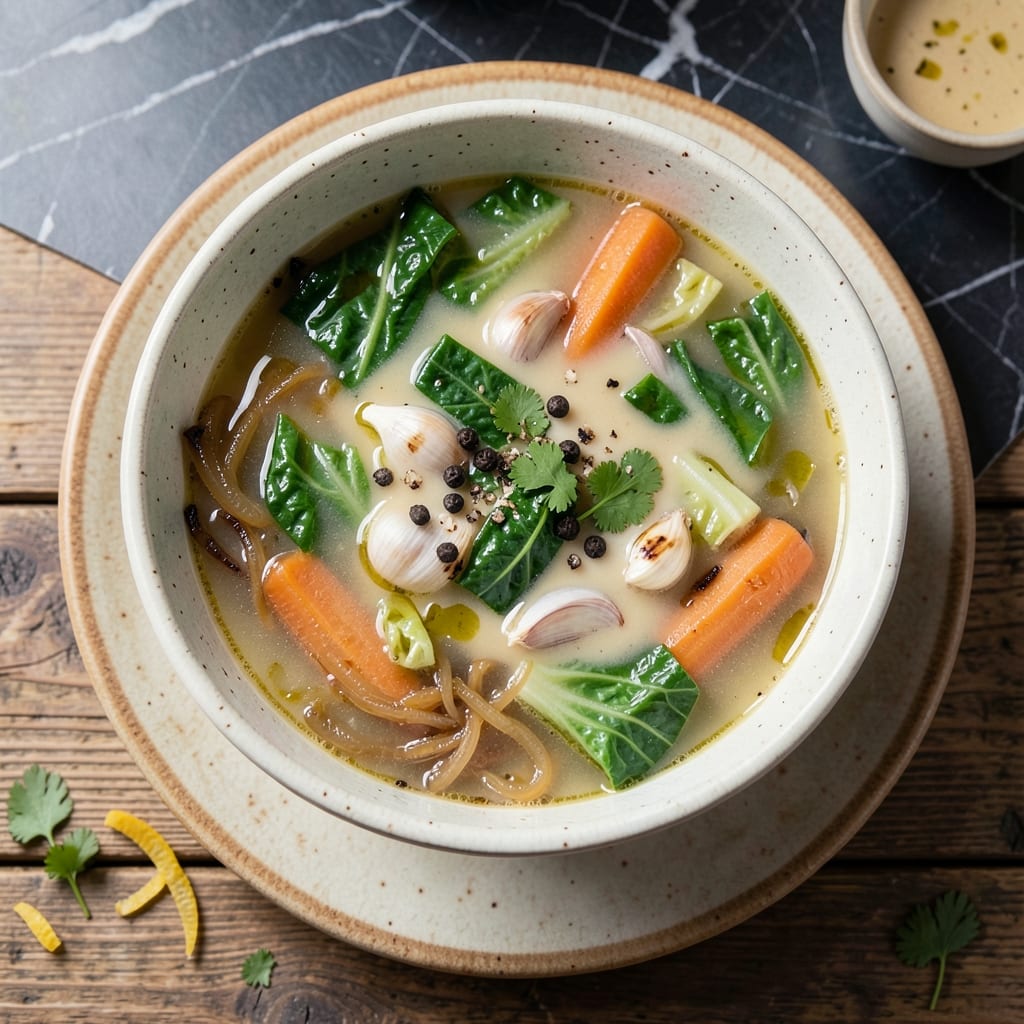
This anti-inflammatory cabbage soup recipe transforms humble ingredients into a gut-healing powerhouse packed with turmeric, ginger, and garlic. The secret lies in simmering cabbage, carrots, and lean protein (if using) with anti-inflammatory spices for 30 minutes, creating a broth so nourishing it feels like medicine. My version skips processed ingredients entirely—just whole foods working together to reduce inflammation naturally.
The magic happens when you let the spices bloom in olive oil before adding vegetables, unlocking their full medicinal potential. Cabbage provides sulfur compounds that support liver detox, while turmeric and ginger work together to calm digestive discomfort. This isn't just soup—it's a flavorful way to support your body's natural healing processes without sacrificing taste.
What you'll end up with is a deeply aromatic, slightly sweet soup with tender cabbage, caramelized onions, and a velvety broth that coats every spoonful. The spices create warmth without heat, making it perfect for chilly days or whenever your body needs gentle nourishment. Each bowl delivers fiber, antioxidants, and anti-inflammatory compounds in every bite.
Serve this soup as a light meal or alongside grilled fish for a complete anti-inflammatory dinner. The recipe scales easily—double it for meal prep and store leftovers for up to 5 days. Your gut will thank you after just one bowl.
Ingredients for anti inflammatory cabbage soup
Whole foods that work together to calm inflammation and soothe digestion naturally.
| Ingredient | Amount | Notes |
|---|---|---|
| Extra-Virgin Olive Oil 🫒 | 2 tbsp | Cold-pressed for maximum flavor |
| Yellow Onion 🧅 | 1 whole | Diced into small pieces |
| Carrots 🥕 | 2 medium | Converted to 1 cup when chopped |
| Green Cabbage 🥬 | 1 lb | Core removed, chopped thin |
| Fresh Garlic Cloves 🧄 | 4 cloves | Minced for maximum potency |
| Fresh Ginger Root 🌿 | 1 inch | Peeled and grated finely |
| Ground Turmeric 🌶️ | 1 tsp | Freshly ground preferred |
| Ground Cumin 🌿 | ½ tsp | Toasted for deeper flavor |
| Ground Coriander 🌶️ | ½ tsp | For earthy complexity |
| Vegetable Broth 💧 | 4 cups | Low-sodium preferred |
| Fresh Parsley 🌿 | ¼ cup | Chopped for garnish |
| Lemon Juice 🍋 | 1 tbsp | Freshly squeezed |
| Sea Salt 🧂 | 1 tsp | Diamond Crystal preferred |
| Black Peppercorns 🌶️ | ½ tsp | Freshly cracked |
The turmeric and ginger are non-negotiable here—look for fresh ginger root at Whole Foods or your local market, as it packs more punch than powder. Organic turmeric from bulk bins at natural grocery stores has the deepest flavor. For the cabbage, green cabbage is ideal—it's more tender than red and holds up better during simmering. If you prefer red, use it, but expect slightly more texture. The onions? Yellow onions caramelize best, but white works in a pinch—just add an extra pinch of salt. Fresh garlic and ginger should smell vibrant, not musty, and the turmeric should be a bright, warm orange.
No fresh ginger? Powdered ginger at half the amount works, but you'll lose some depth. Substitute cumin with smoked paprika for warmth, though it changes the flavor profile. Running low on vegetable broth? Water plus 1 tbsp soy sauce adds umami. The parsley is purely for garnish—skip it if you're short, but the lemon juice is essential for brightness. For extra protein without meat, add white beans or lentils—just simmer them with the soup for the last 10 minutes. The carrots can be baby carrots if that's what you have, but regular carrots caramelize more beautifully.
This soup tastes even better the next day as flavors meld—store in glass jars for up to 5 days. Freeze portions for 3 months by portioning into ice cube trays before transferring to a bag. The broth reduces slightly when reheated, so add a splash of water if it gets too thick. For meal prep, double the recipe and freeze half—perfect for those days when inflammation flares up. The spices keep their potency for 6 months if stored in airtight containers away from light.
Why You'll Love This Recipe
- One-Pot Magic: Just a big pot, a few chops, and 30 minutes later—done. No fancy gadgets, no stress. The onions caramelize in that olive oil while you chop, and the garlic? It infuses everything with this warm, golden depth that makes the whole kitchen smell like comfort.
- Garlic-Glazed Crunch: That crisp-tender cabbage with the sweet caramelized carrots? It’s ridiculously good. The olive oil and garlic create this savory edge that cuts through the natural bitterness of the cabbage, leaving you with bites that are both hearty and refreshing—like a hug in soup form.
- Lunchbox Hero: Between us, this soup is my weeknight lifesaver. Pack it in jars for work lunches (it stays fresh for days), or serve it cold as a summer side—still packed with flavor. Honestly, I’ve taken it to potlucks, game days, and even my mom’s house, and no one’s ever questioned why it’s on the menu.
- Pocketbook-Friendly Power: A whole head of cabbage and a bag of carrots feed my family for days. The olive oil is the only splurge, but it’s worth it for that rich finish. Leftovers? They’re my secret weapon—I just reheat and eat, or toss them into grain bowls when I’m bored of soup. Budget-friendly doesn’t get much better than this.
Step-by-step instructions for anti-inflammatory cabbage soup
This gut-healing soup combines powerful spices and fresh vegetables for a flavorful, nutrient-packed meal.
Sauté the Aromatic Base
Heat the 2 tablespoons extra-virgin olive oil in a large pot over medium heat. Add the 1 whole yellow onion and 2 medium carrots (chopped into small pieces) and sauté for 5-6 minutes until the onions become translucent and the carrots begin to soften.
Here's where the magic starts: Add the 4 cloves minced fresh garlic and 1 inch finely grated fresh ginger root. Cook for another 1-2 minutes until the garlic becomes fragrant and just begins to turn golden. This step unlocks the full flavor potential of these anti-inflammatory powerhouses. Watch closely—garlic burns quickly, so keep the heat at medium and stir frequently.
Add Spices and Vegetables
Lower the heat to medium-low and stir in the 1 teaspoon ground turmeric, 0.5 teaspoon ground cumin, and 0.5 teaspoon ground coriander. Let these spices toast for 30 seconds until their aromas fill your kitchen—this activates their anti-inflammatory compounds. The turmeric will develop a warm, earthy scent, while the cumin adds a subtle smokiness.
Add the 1 pound chopped green cabbage (with core removed) and stir to coat the vegetables evenly with the spice mixture. Cook for 3-4 minutes until the cabbage begins to wilt slightly—this preserves its crisp texture while allowing it to absorb the flavorful oil. I like to press down gently with a wooden spoon to ensure even cooking throughout the large cabbage pieces.
Simmer with Broth and Season
Pour in the 4 cups vegetable broth and bring the mixture to a gentle boil. Once boiling, reduce heat to low and let it simmer uncovered for 15-20 minutes until the vegetables are tender but still retain some bite. You'll know it's ready when the carrots can be pierced easily with a fork and the cabbage leaves are soft but not mushy.
Season with the 1 teaspoon sea salt and 0.5 teaspoon freshly cracked black peppercorns. The salt should enhance all the flavors without overpowering them, while the pepper adds a subtle heat that complements the earthy spices. Taste and adjust if needed—this is your chance to balance the flavors before finishing.
Finish with Bright Flavors
Remove the pot from heat and stir in the 1 tablespoon fresh lemon juice. This bright citrus note cuts through the richness of the spices and adds a refreshing contrast. The lemon juice also helps balance the meal's anti-inflammatory properties while adding a pop of freshness that makes the soup feel complete.
Finally, sprinkle the 0.25 cup chopped fresh parsley over the top just before serving. The parsley not only adds visual appeal but also brings a fresh, slightly peppery note that ties all the flavors together. Let the soup sit for 5 minutes before serving to allow the flavors to meld completely—this resting period makes a noticeable difference in how all the elements come together.
Pro Tips For Making Anti Inflammatory Cabbage Soup
- CUT ONIONS SMALLER THAN YOU THINK: I learned this the hard way—big onion chunks turn into mushy bits that disappear into the soup. Dice them into 1/4-inch pieces so they soften evenly without turning to paste. Same goes for carrots: thin half-moons cook faster and stay recognizable.
- SWEAT GARLIC LOW AND SLOW: After burning three batches, I finally figured out garlic needs patience. Cook it in the olive oil over medium-low heat until it’s golden but not brown—about 3-4 minutes. Too high, and you’ll taste bitter smoke; too low, and it won’t release its flavor. Medium-low is the sweet spot.
- SALT THE CABBAGE BEFORE COOKING: This isn’t the prettiest method, but it’s the tastiest. Toss shredded cabbage with 1/2 teaspoon salt per pound and let it sit for 10 minutes. It’ll wilt and soften faster, and the flavor will be brighter. Skip this, and your soup will taste flat, even if everything else is perfect.
- USE THE WHOLE CABBAGE, CORE AND ALL: I was skeptical until I tried it—yes, even the core. Trim the tough outer leaves, but leave the rest intact. The core adds subtle sweetness and structure. Chop it into 1-inch chunks, and it’ll hold its shape while infusing flavor. (Your future self will thank you for not wasting it.)
Pro cooking tips for great anti inflammatory cabbage soup
Spice Blooming
Toast your spices in the olive oil for 30 seconds before adding vegetables—this unlocks their full anti-inflammatory power. The turmeric should smell warm and earthy, while cumin adds a subtle smokiness. I use a medium-low heat to prevent burning, stirring constantly with a wooden spoon. This step transforms ordinary spices into flavor bombs that reduce inflammation naturally. 🌶️
Cabbage Texture Control
Chop cabbage into ¼-inch thick slices for even cooking—thicker pieces stay crunchy while thinner ones turn mushy. I press down gently with a spoon during the 3-4 minute sauté to ensure all pieces absorb the spiced oil. For extra tenderness, add ½ cup water with the broth and simmer 5 minutes longer. The goal is tender but still slightly crisp cabbage that holds its shape. 🥬
Broth Reduction
Simmer uncovered on low heat to reduce the broth slightly—this intensifies flavors without overcooking vegetables. I check every 5 minutes starting at 15 minutes to prevent drying out. If it gets too thick, add ¼ cup water and adjust seasoning. The perfect consistency coats the spoon but leaves room for garnishes. 💧
Lemon Juice Timing
Add fresh lemon juice off the heat to preserve its bright flavor and vitamin C content. Stir immediately to distribute evenly—this balances the earthy spices and adds a refreshing contrast. I like to add it just before serving so the acidity doesn't break down the cabbage further. A splash of extra lemon at the table lets everyone customize their tang level. 🍋
Resting Period
Let the soup rest for 5 minutes before serving—this allows flavors to meld completely and the broth to thicken slightly. I cover it loosely with a lid to prevent skin formation. This resting time transforms a good soup into an exceptional one by letting all the anti-inflammatory compounds fully integrate. The difference is noticeable in both flavor and texture. ⏳
Equipment Essentials
Use a heavy-bottomed pot (like All-Clad) to prevent scorching during the spice toasting phase. A wooden spoon helps distribute heat evenly when pressing down on cabbage. For precision, a measuring spoon set ensures accurate spice amounts—too much turmeric can make the soup bitter. I keep these tools nearby when making this recipe regularly. 🔥
Nutrition facts
Frequently asked questions
Can I make this soup without fresh ginger?
Yes, you can substitute ½ teaspoon powdered ginger for the fresh version, though you'll lose some depth of flavor. For extra warmth, add a pinch of ground cinnamon—it pairs beautifully with the turmeric and cumin. The anti-inflammatory benefits will still be present, just slightly less potent.
How do I make this soup more substantial?
Add 1 cup cooked white beans or ½ cup cooked lentils during the final 10 minutes of simmering for plant-based protein. For meat lovers, stir in ½ pound shredded chicken or ½ cup cooked diced turkey at the end. The broth will absorb the flavors beautifully while keeping the dish light.
Will this soup help with specific inflammatory conditions?
While this soup contains powerful anti-inflammatory ingredients like turmeric, ginger, and cabbage, it's not a substitute for medical treatment. The combination supports overall gut health and may help with mild digestive inflammation, but consult your healthcare provider for specific conditions. Think of it as a flavorful, nutrient-dense addition to your wellness routine.
Can I use red cabbage instead of green?
Red cabbage works beautifully and adds vibrant color. It has a slightly sweeter taste and holds its shape well during cooking. Just note it may stain your soup slightly pink—completely harmless and delicious. For best results, chop it slightly thinner than green cabbage to ensure even cooking.
How do I prevent the cabbage from turning mushy?
Chop cabbage into ¼-inch thick slices and sauté for only 3-4 minutes before adding broth. Avoid overcooking—simmer for 15-20 minutes maximum. If needed, add ½ cup water with the broth to create steam that tenderizes without overcooking. The goal is tender but still slightly crisp cabbage.