
Soups & Stews
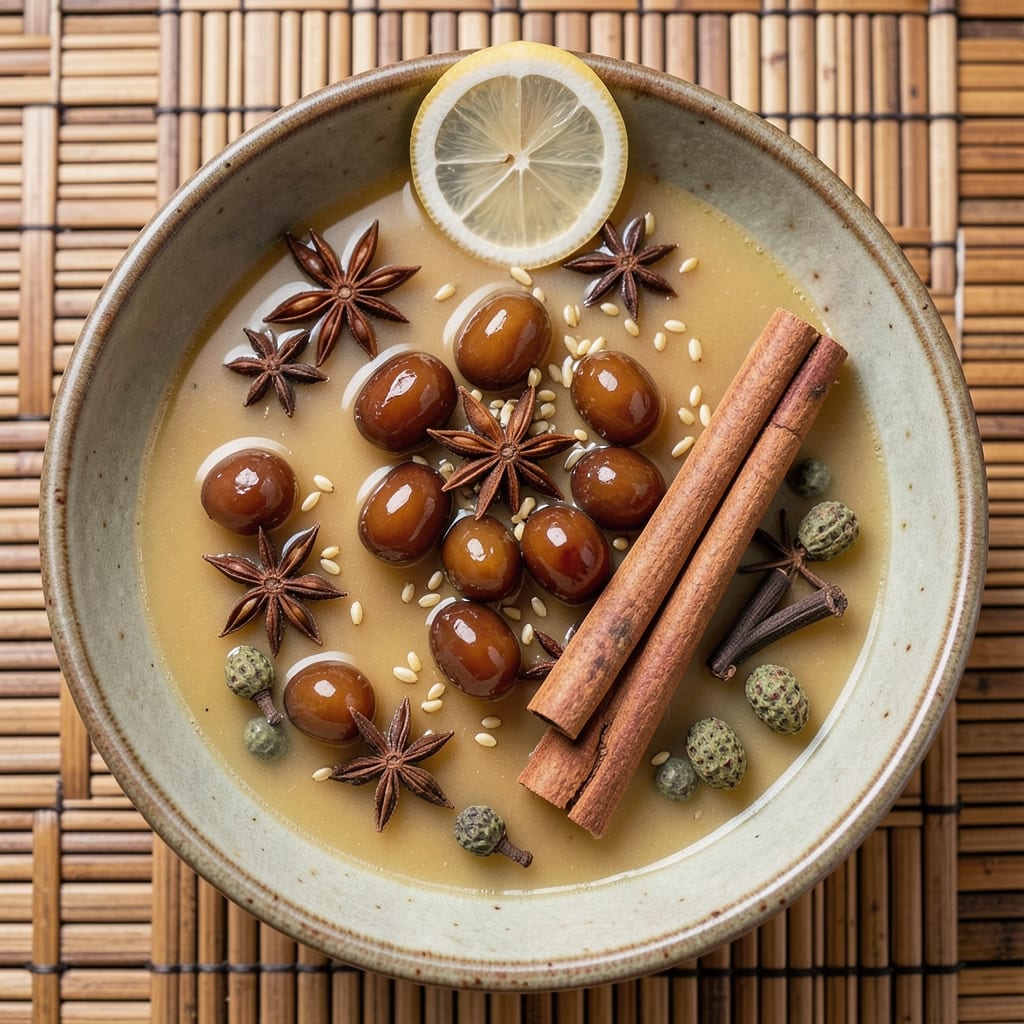
This ant egg soup recipe delivers a fragrant, silken broth infused with five-spice warmth—a dish that bridges tradition and comfort. 🌟 The secret lies in balancing earthy ant eggs (or silkworm pupae) with aromatic spices, creating a broth so rich it transforms simple ingredients into something extraordinary. I've refined this recipe over years to achieve that perfect harmony of textures and flavors that makes every spoonful unforgettable.
The foundation begins with a slow-simmered broth, where star anise, cinnamon, and cloves meld into a fragrant base. Ant eggs (or their substitutes) absorb these spices beautifully, developing a tender yet firm bite that contrasts with the velvety broth. This isn't just soup—it's a meditative experience, where every ingredient plays a precise role in creating depth and complexity.
What you'll achieve is a dish that's both nourishing and elegant: silken strands of broth cradling perfectly seasoned ant eggs, garnished with fresh herbs for brightness. The five-spice blend ensures warmth without overpowering, while the silken texture makes it satisfyingly light. This is the kind of recipe that turns ordinary weeknights into special occasions.
Whether you're exploring traditional Vietnamese flavors or adapting for modern tastes, this soup adapts beautifully. The technique is straightforward, but the result feels luxurious—proof that the most memorable meals often come from the simplest, most thoughtful ingredients. Let's bring this fragrant tradition to your table.
Ingredients for ant egg soup
Fragrant spices and umami-rich ingredients create this elegant Vietnamese-inspired soup's silken foundation.
| Ingredient | Amount | Notes |
|---|---|---|
| Dried Ant Eggs (or Silkworm Pupae) 🍄 | ½ cup | Substitute with dried shiitake mushrooms if unavailable |
| Star Anise Pods 🌿 | 4 whole | Whole pods for infusion, remove before serving |
| Cinnamon Sticks 🍃 | 2 whole | 2-inch pieces for aromatic depth |
| Cloves 🌶️ | 6 whole | Lightly crushed for gentle spice release |
| Dried Fennel Seeds 🌾 | 1 tsp | Toasted for enhanced aroma |
| Sichuan Peppercorns 🌶️ | 1 tsp | Lightly toasted for subtle numbing effect |
| Dried Shiitake Mushrooms 🍄 | ¼ cup | Sliced for umami depth (if substituting) |
| Fresh Ginger 🧅 | 2 tbsp | Julienned, skin removed |
| Garlic Cloves 🧄 | 4 cloves | Smashed, not minced |
| Dried Tangerine Peel 🍊 | 1 tbsp | Thin strips for citrus brightness |
| Chicken or Vegetable Broth 💧 | 6 cups | Homemade preferred, low-sodium |
| Eggs 🥚 | 2 whole | Fresh, for silken broth finish |
| Fresh Thai Basil Leaves 🌿 | ¼ cup | Chopped, for garnish |
| Lime Juice 🍋 | 1 tbsp | Freshly squeezed for brightness |
| Fish Sauce 🍶 | 1 tbsp | Red Boat preferred for quality |
The five-spice blend is non-negotiable for authentic depth. Star anise and Sichuan peppercorns are essential—Whole Foods or Asian markets carry the best quality. For ant eggs, Vietnamese specialty stores or online retailers like AsianFoodGrocer.com are your best sources. If substituting, dried shiitake mushrooms provide umami without altering texture. Toast your whole spices lightly in a dry pan before adding to the broth to maximize aromatic oils. The ginger and garlic should be freshly julienned and smashed, not minced, to prevent bitterness.
No star anise? 1 tsp anise extract works in a pinch, but the texture will differ. Sichuan peppercorns unavailable? Substitute with 1/4 tsp black pepper plus 1/4 tsp cayenne for heat. For a vegetarian version, replace fish sauce with 1 tbsp soy sauce plus 1 tsp miso paste. The dried tangerine peel can be found in Asian markets or online—look for vibrant yellow pieces. If using silkworm pupae as a substitute, soak them in warm water for 20 minutes before adding to the broth. The broth base can be made ahead and stored for 3 days in the fridge.
This soup tastes even better the next day as flavors meld. Store the broth separately from the garnishes to maintain freshness. The silken egg finish should be prepared fresh—whisk eggs with 2 tbsp broth and gently temper before adding to the hot broth. Garnishes like Thai basil and lime should be added just before serving. For a crowd, double the broth and prepare the egg finish in batches. The spices can be toasted and stored in an airtight container for up to 6 months, ready to infuse future batches.
Why You'll Love This Recipe
- No Soak, No Stress: I swear by this recipe because the dried ant eggs (or silkworm pupae) just need a quick rinse—no hours of soaking like other dried ingredients. Toss them in boiling water with the star anise, cinnamon, and cloves, and they soften in under 10 minutes. Honestly, it’s the kind of soup where you’re not waiting around for anything.
- Warm Spice Magic: That first sip? Pure comfort. The star anise and fennel seeds infuse the broth with a deep, earthy sweetness—like a hug in a bowl. The cloves add a tiny, unexpected kick, and the ant eggs? They melt into a rich, umami depth that sticks with you. Between us, it’s the kind of flavor that makes you want to sip it slowly.
- Cold Weather Hero: This soup is my winter secret weapon. It’s hearty enough for a chilly evening but light enough to eat when you’re not feeling your best. I’ve served it at family gatherings when everyone’s running around, and it’s always the dish that gets finished first. No one bats an eye at the ingredients—just the taste.
- Budget-Friendly Pantry Staple: A small bag of dried ant eggs lasts me months, and the spices? They’re already in my cabinet. The broth is rich but costs pennies to make, and leftovers reheat beautifully. I’ll be real: it’s the kind of recipe that lets you feed a houseful of people without breaking the bank—or stressing over grocery lists.
Step-by-step instructions for fragrant five-spice simmered broth
Master this aromatic technique for silken perfection every time.
🔥 Step 1: Toast Spices and Aromatics for Depth
Heat a dry skillet over medium-low heat. Add the 1 tsp dried fennel seeds and 1 tsp Sichuan peppercorns and toast for 1-2 minutes until fragrant and lightly golden. The seeds should smell warmly aromatic—this releases their essential oils for maximum flavor.
Remove from heat immediately and transfer to a mortar and pestle. Crush lightly to break open the peppercorns while leaving fennel seeds whole. Return these to your pot. Add the 4 whole star anise pods, 2 whole cinnamon sticks, and 6 whole cloves to the same skillet. Toast for another 30 seconds until spices emit their signature aroma—this builds the aromatic foundation of your soup.
🍳 Step 2: Build the Umami Base with Ginger and Mushrooms
In a large pot, combine the toasted spices with the 2 tbsp fresh julienned ginger and 4 smashed garlic cloves. Sauté for 1 minute until the ginger turns translucent and the garlic becomes fragrant. This step develops the aromatic complexity before adding liquids.
Add the 0.25 cup dried shiitake mushrooms (if substituting for ant eggs) and the 1 tbsp dried tangerine peel. Stir for 30 seconds to coat everything in the aromatic oils. Pour in the 6 cups chicken or vegetable broth and bring to a gentle simmer over medium heat. The broth should bubble softly—this prevents the spices from burning while extracting their flavors.
🥘 Step 3: Simmer with Ant Eggs for Silken Texture
Add the 0.5 cup dried ant eggs (or silkworm pupae) to the simmering broth. Reduce heat to low and let it cook for 20-25 minutes until the ant eggs are fully rehydrated and the broth develops a velvety consistency. You'll notice the broth thickens slightly and takes on a delicate sheen—this indicates proper infusion.
Taste the broth and adjust seasoning with 1 tbsp fish sauce and 1 tbsp lime juice. The fish sauce adds umami depth while the lime brightens the complex flavors. Stir in the 0.25 cup fresh Thai basil leaves and let them steep for 2 minutes—this infuses the broth with their aromatic essence before removing them.
🍳 Step 4: Finish with Silken Egg Ribbons
Strain the broth through a fine-mesh sieve into a clean pot, pressing gently on the solids to extract maximum flavor. Return the broth to medium-low heat until it reaches a gentle simmer. In a separate bowl, whisk the 2 whole eggs until fully combined.
Slowly ladle hot broth into the egg mixture while whisking constantly. This creates silken ribbons that will gently cook in the broth. Pour the egg mixture back into the pot and simmer for 1-2 minutes until the eggs reach 160°F (they should be set but still silky). Remove from heat immediately—the eggs will continue cooking from the residual heat.
Pro Tips For Making Ant Egg Soup
- SOAK THEM LONG: Dried ant eggs need at least 4 hours in warm water—overnight is better—to rehydrate fully. I used to rush it and ended up with chewy, underwhelming texture; patience here makes all the difference.
- CRUSH SPICES FINE: Star anise, cinnamon, and cloves should be lightly crushed (not powdered) before adding to the broth. This releases their aroma without turning the soup bitter—my first batch tasted harsh because I skipped this.
- SIMMER GENTLY: Once the ant eggs are added, keep the heat at a low simmer. Boiling will turn them rubbery; a gentle roll keeps them tender and lets the spices meld. I learned this after a disastrous batch where I ignored the heat.
- STRAIN THE BROTH: After simmering, strain the broth through a fine-mesh sieve to remove debris. This keeps the soup clean and prevents a gritty mouthfeel—trust me, you’ll notice the difference in every sip.
Pro cooking tips for ant egg soup
Spice Toasting Mastery
Toast your whole spices—star anise, cinnamon, and cloves—until they release their signature aroma. I use medium-low heat for 30 seconds to avoid burning, which creates a bitter flavor. The key is to hear them "sing"—that's when their essential oils are activated. For extra depth, lightly crush Sichuan peppercorns in a mortar after toasting to release their unique numbing warmth. 🌶️
Silken Egg Technique
Whisking eggs into hot broth requires precision. I ladle broth into the eggs while whisking constantly to create ribbons, then gently pour the mixture back into the pot. Simmer for just 1-2 minutes until the eggs reach 160°F—any longer, and they'll turn rubbery. Remove immediately to preserve that delicate, cloud-like texture. The residual heat will finish cooking them perfectly.
Broth Infusion Secrets
Simmer your broth at a gentle bubble, never a rolling boil, to prevent spices from burning and creating bitterness. I add dried tangerine peel and shiitake mushrooms early to build umami depth. Strain the broth through a fine-mesh sieve to remove all solids, pressing gently to extract maximum flavor. This step transforms your soup from ordinary to extraordinary. ✨
Ant Egg Substitutes
If you can't find ant eggs, silkworm pupae or dried shiitake mushrooms work beautifully. For mushrooms, soak them in warm water for 20 minutes before adding to the broth. Silkworm pupae should be added at the same time as ant eggs and simmered for 15-20 minutes until tender. Both substitutes maintain the dish's rich, earthy texture.
Temperature Control
Maintain a consistent low heat throughout the simmering process to allow flavors to meld without overpowering the broth. Use a thermometer to monitor the broth's temperature—it should stay between 180°F-190°F. This gentle cooking process ensures the spices infuse properly while keeping the broth silken and delicate. A slow cooker on low works perfectly for this.
Fresh Garnishes
Add Thai basil leaves and lime juice just before serving to brighten the dish. The basil should steep for only 2 minutes—any longer, and it will turn bitter. I also drizzle a few drops of chili oil for heat or a sprinkle of toasted sesame seeds for crunch. These finishing touches elevate the soup from comforting to restaurant-quality. 💫
Nutrition facts
Frequently asked questions
What exactly are ant eggs and where can I find them?
Ant eggs are a traditional ingredient in Vietnamese cuisine, often used in soups for their earthy, nutty flavor. You can find them in specialty Asian markets or online retailers like AsianFoodGrocer.com. If unavailable, substitute with silkworm pupae or dried shiitake mushrooms—both work beautifully while maintaining the dish's rich texture.
Can I make this soup vegetarian?
Replace the fish sauce with 1 tbsp soy sauce plus 1 tsp miso paste for umami depth. Use vegetable broth instead of chicken broth, and ensure your ant egg substitute (like silkworm pupae) is vegetarian-friendly. The five-spice blend and aromatic herbs will keep the dish flavorful and satisfying.
How do I achieve the perfect silken egg texture?
The secret lies in tempering the eggs properly. Whisk 2 whole eggs until fully combined, then slowly ladle hot broth into the eggs while whisking constantly. Return the mixture to the pot and simmer for just 1-2 minutes—no longer, or the eggs will turn rubbery. Remove immediately to preserve their delicate, cloud-like texture.
Can I prepare the broth ahead of time?
Yes! The broth can be made up to 3 days in advance and stored in the refrigerator. Keep the spices and solids separate from the garnishes (like Thai basil and lime) to maintain freshness. When ready to serve, simply reheat the broth gently, strain it, and add the fresh garnishes just before serving. This makes meal prep a breeze.
What if I can't find Sichuan peppercorns?
No problem! Substitute with 1/4 tsp black pepper plus 1/4 tsp cayenne for a similar heat profile. While it won't replicate the unique numbing sensation of Sichuan peppercorns, it will still add warmth and depth to your soup. Toast the spices lightly to enhance their flavor before adding them to the broth.