
Soups & Stews
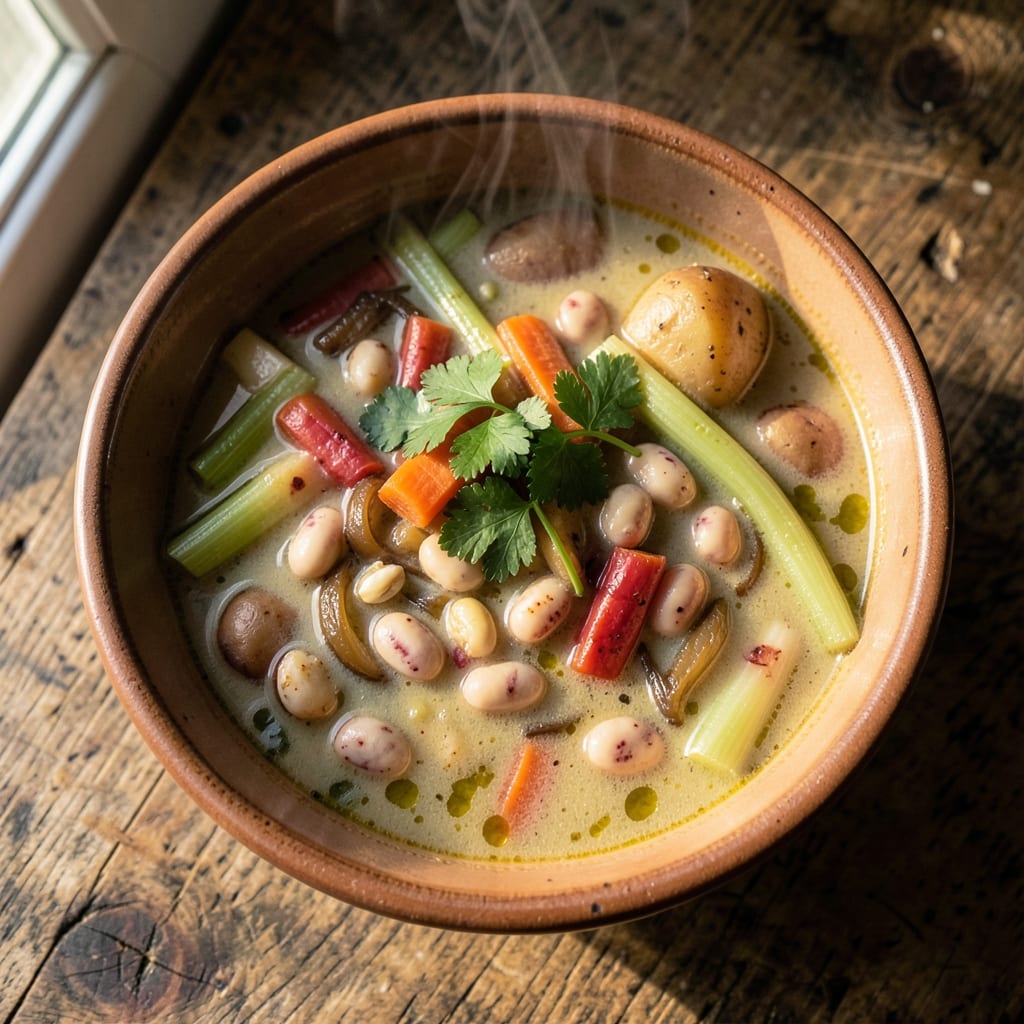
Amy's vegetable soup recipe delivers a hearty garden harvest in just 30 minutes, transforming simple ingredients into a deeply comforting bowl. The secret lies in layering flavors—sautéing aromatic vegetables until fragrant, then simmering them in rich broth until tender and infused with earthy depth. This isn’t your basic vegetable soup; it’s a restaurant-quality dish that’s surprisingly easy to recreate at home, with room to customize for dietary preferences.
What sets this recipe apart is the balance of textures and flavors: crisp carrots and celery hold their bite, while potatoes and beans soften into velvety perfection. A touch of garlic and thyme adds aromatic complexity, while a splash of lemon brightens the finish. The soup is naturally vegetarian—no meat or fish required—and can be made vegan with simple swaps. It’s the kind of dish that feels nourishing without being heavy, perfect for chilly evenings or quick weeknight meals.
The beauty of this recipe is its adaptability. Use store-bought broth for convenience or homemade for deeper flavor; swap in seasonal vegetables like zucchini or spinach; or stir in protein like white beans or lentils for extra heartiness. Every bowl is customizable, yet the core technique remains foolproof. By the time you’re done, you’ll have a steaming pot of soup that’s as satisfying as it is simple—ready to be served with crusty bread or a sprinkle of fresh herbs.
Leftovers keep beautifully in the fridge for up to 5 days, making this an ideal make-ahead meal. Whether you’re feeding a family or meal prepping for the week, this vegetable soup delivers warmth, nutrition, and that home-cooked feeling. Let’s get started—your kitchen will smell like comfort in no time.
Ingredients for amy's vegetable soup
Transform these 14 ingredients into a restaurant-quality vegetable soup with layered flavors and textures.
| Ingredient | Amount | Notes |
|---|---|---|
| Yellow Onion 🧅 | 1 whole | Diced into 1/4-inch pieces |
| Carrots 🥕 | 3 medium | Peeled and cut into 1/4-inch slices |
| Celery Stalk 🧄 | 3 whole | Cut into 1/4-inch slices |
| Garlic Cloves 🧄 | 4 cloves | Minced for aromatic depth |
| Russet Potatoes 🥔 | 2 medium | Cubed into 1-inch pieces |
| Canned White Beans 🫘 | 1 15-oz can | Drained and rinsed |
| Vegetable Broth 💧 | 4 cups | Low-sodium preferred |
| Tomato Paste 🍅 | 2 tbsp | For rich umami flavor |
| Fresh Thyme Leaves 🌿 | 1 tbsp | Or 1 tsp dried thyme |
| Fresh Parsley 🌿 | ¼ cup | Chopped for garnish |
| Lemon Juice 🍋 | 1 tbsp | Freshly squeezed |
| Olive Oil 🫒 | 2 tbsp | Extra-virgin preferred |
| Salt 🧂 | 1 tsp | Diamond Crystal preferred |
| Black Pepper 🌶️ | ½ tsp | Freshly ground |
The foundation starts with your vegetables. Organic produce from the farmers market delivers the best flavor, but even conventional grocery store vegetables work—just ensure they're firm and free of blemishes. Carrots and celery should snap when bent, while potatoes should feel heavy for their size. For the broth, Pacific Foods or Imagine brands are excellent low-sodium options, but homemade is ideal if you have time. The white beans add protein and creaminess—cannellini or great northern work perfectly, but any white variety will do. Thyme and parsley should be vibrant green; if they're wilted, skip them and use dried at one-third the amount.
No fresh thyme? Dried thyme at one-third the amount works perfectly. Short on carrots? Substitute with sweet potatoes or butternut squash—just increase cooking time by 5 minutes. The tomato paste can be replaced with 1/4 cup crushed tomatoes—it'll be slightly thinner but just as flavorful. For extra richness, stir in 2 tbsp nutritional yeast—it adds that umami depth without dairy. Lemon juice can be swapped for white wine vinegar if you prefer a tangier finish, but fresh lemon brightens the soup beautifully. The olive oil matters here—use something fruity and peppery for the best flavor.
This soup tastes even better the next day as flavors meld together. Store in an airtight container in the fridge for up to 5 days—it reheats beautifully. For meal prep, portion into individual containers and freeze for up to 3 months. The beans and potatoes will soften further upon reheating, so add a splash of broth if needed. Garnish with fresh parsley or a drizzle of olive oil before serving to elevate the presentation. Leftovers can be repurposed into frittatas, soups, or even vegetable patties for a quick lunch.
Why You'll Love This Recipe
- I’ll be real: this recipe costs me about $3 for a full pot. Onions, carrots, celery—those are the veggies that never go bad, and the potatoes stretch it into a filling meal. Leftovers? Even better the next day, if that’s possible.
- No Chopping Stress: I swear by this one—just dice the onion and celery roughly, toss them in, and let the pot do the work. The carrots and potatoes soften beautifully without fuss, and honestly? My kids think I’m a hero because they barely recognize it as "veggies."
- Garlic-Potato Magic: That crispy edge on the russets with the creamy, caramelized center? Chef’s kiss. The garlic cloves, lightly toasted in the oil first, turn this from good soup to oh-my-god soup—simple but packed with depth.
- Lunchbox Hero: Between us, this is my go-to for meal prep. I make a big batch on Sundays, portion it into jars, and boom—healthy lunches for the week. The potatoes hold up perfectly, and the flavors only get better overnight.
Step-by-step instructions for amy's vegetable soup recipe
Aromatic vegetables transform into a velvety, hearty soup with layers of flavor and texture.
Sauté the Aromatic Vegetable Base
Heat the 2 tablespoons olive oil in a large pot over medium-high heat. Add the diced yellow onion, carrot slices, celery slices, and minced garlic cloves. Sauté for 5-6 minutes until the vegetables soften and the onion becomes translucent.
This foundational step develops the soup's depth of flavor. Stir occasionally to prevent browning—you want the vegetables to caramelize slightly but not burn. The garlic should release its signature aroma without turning bitter. If the vegetables release too much moisture, reduce heat to medium to prevent steaming.
Build the Flavor Foundation
Stir in the 2 tablespoons tomato paste and cook for 1-2 minutes until it darkens slightly and blends with the vegetables. Add the 1 tablespoon fresh thyme leaves, 1 teaspoon salt, and ½ teaspoon black pepper, stirring to combine. Pour in the 4 cups vegetable broth and bring the mixture to a gentle boil.
The tomato paste adds umami richness while the thyme infuses earthy notes. This is where the soup's character begins to develop. Once boiling, reduce heat to medium-low and add the cubed russet potatoes. Let the soup simmer for 10 minutes to allow the potatoes to begin softening.
Incorporate the Beans and Simmer
Add the drained and rinsed canned white beans to the pot. Stir gently to distribute them evenly. Return the soup to a gentle simmer and cook uncovered for 12-15 minutes, until the potatoes are fork-tender and the carrots can be easily pierced with a knife.
This simmering time ensures the vegetables reach perfect tenderness while maintaining their shape. Taste the soup and adjust seasoning if needed—vegetable broth can vary in saltiness. The beans should be heated through but still hold their texture. Real talk: this is where patience pays off—rushing leads to mushy vegetables.
Finish with Fresh Herbs and Brightness
Remove the pot from heat and stir in the 1 tablespoon lemon juice. This brightens the soup's flavor profile and balances the earthy vegetables. Add the ¼ cup chopped fresh parsley and let the soup sit for 5 minutes to allow the flavors to meld. Taste again and adjust seasoning if necessary.
The lemon juice cuts through the richness while the parsley adds freshness. Here's the thing—don't skip the resting time. It allows the flavors to integrate fully, resulting in a soup that tastes even better the next day. Serve warm with crusty bread for the ultimate comfort experience.
Pro Tips For Making Amy'S Vegetable Soup
- SWIM THE POTATOES: Cut the Russets into 1-inch chunks—not thin slices—and add them last. I learned this the hard way: potatoes left in too long turn to mush, while chunks added at the end stay tender but hold their shape. (Yes, even if you’re impatient like me, resist the urge to toss them in early.)
- SWEAT THE AROMATICS LOW: Cook the onion, celery, and carrots at medium-low heat for 10 minutes before adding garlic. Too hot, and the garlic burns before the veggies soften; too low, and you’re staring at the clock. The goal? Onion should be translucent, celery slightly limp—then garlic gets its turn without drama.
- SALT THE WATER LIKE THE SEA: Use 2 teaspoons of salt per quart of water, no excuses. Under-salted soup tastes bland no matter how much you season later. (I know, I know—you’ll add more at the end. But you won’t. Trust me.)
- STIR THE GARLIC RIGHT AWAY: As soon as you add the minced garlic, give the pot a quick stir and reduce the heat. Garlic burns faster than you think, and once it’s bitter, you’re fighting a losing battle. A 30-second stir and a heat drop saves the whole dish—no need for fancy techniques, just attention.
Creative variations of amy's vegetable soup
Seasonal Swaps
Summer brings an abundance of zucchini and corn—swap 1 cup diced zucchini and ½ cup corn kernels for half the carrots. For fall, roast 1 cup butternut squash cubes until tender, then add them with the potatoes. Winter calls for heartier veggies like kale or cabbage—chop 2 cups kale and stir in during the final 5 minutes of simmering. 🌿
Protein Upgrades
Add ½ cup cooked quinoa or ½ cup lentils for extra protein and texture. For a meaty twist, stir in ½ cup shredded rotisserie chicken or ½ cup crumbled tempeh in the last 5 minutes of cooking. I love adding ½ cup chickpeas for a Mediterranean vibe—they hold their shape beautifully. 🥘
Global Twists
Transform this into a French-style soup by adding 1 bay leaf and ½ cup pearl onions with the potatoes. For an Indian-inspired version, stir in 1 teaspoon cumin and ½ teaspoon turmeric with the tomato paste. A Spanish touch comes from adding ½ cup diced roasted red peppers and a pinch of smoked paprika. 🌍
Dairy-Free Creaminess
Skip the beans and blend ½ cup of the soup with ¼ cup coconut milk for a velvety texture. Alternatively, stir in 2 tablespoons nutritional yeast and 1 tablespoon arrowroot powder to thicken naturally. For extra richness, add ¼ cup silken tofu blended until smooth. These swaps keep the soup creamy without dairy. 🥥
Spice Infusions
Add ½ teaspoon chili flakes or 1 teaspoon harissa paste for heat. For smoky depth, stir in ½ teaspoon smoked paprika with the tomato paste. A Mediterranean twist comes from adding ½ teaspoon dried oregano and ¼ teaspoon cinnamon. Always taste as you go—spices intensify during simmering! 🌶️
Nutrition facts
Frequently asked questions
Can I make this soup without potatoes?
Swap the potatoes for 2 cups chopped sweet potatoes—they’ll add natural sweetness and thicken the soup naturally. Or use 1 cup diced butternut squash for a lighter texture. Just reduce simmering time by 5 minutes—squash and sweet potatoes cook faster than russets.
How do I make this recipe vegan?
Use vegan vegetable broth—check labels for hidden dairy. Replace the white beans with chickpeas or lentils for extra protein. For creaminess, stir in ¼ cup blended silken tofu or 2 tablespoons nutritional yeast after cooking. The lemon juice and olive oil are already vegan-friendly!
Why does my soup taste bland?
Broth flavor is key—always use low-sodium broth—it’s easier to adjust salt than remove excess. Boost umami by adding 1 extra tablespoon tomato paste or ½ teaspoon soy sauce. Finish with a squeeze of lemon or fresh herbs—bright flavors balance earthy vegetables. Taste as you go!
Can I prep this soup ahead of time?
Yes! Store in an airtight container in the fridge for up to 5 days—flavors deepen overnight. For freezing, portion into containers and freeze for 3 months. Reheat gently on the stove with a splash of broth to restore creaminess. Never microwave directly from frozen.
What’s the best way to reheat leftovers?
Gently reheat on the stove over low-medium heat—never boil or the soup will break. Add 1-2 tablespoons broth or water per bowl to restore texture. For extra richness, stir in a pat of butter or olive oil. Avoid microwaving—it makes vegetables mushy.