
Soups & Stews
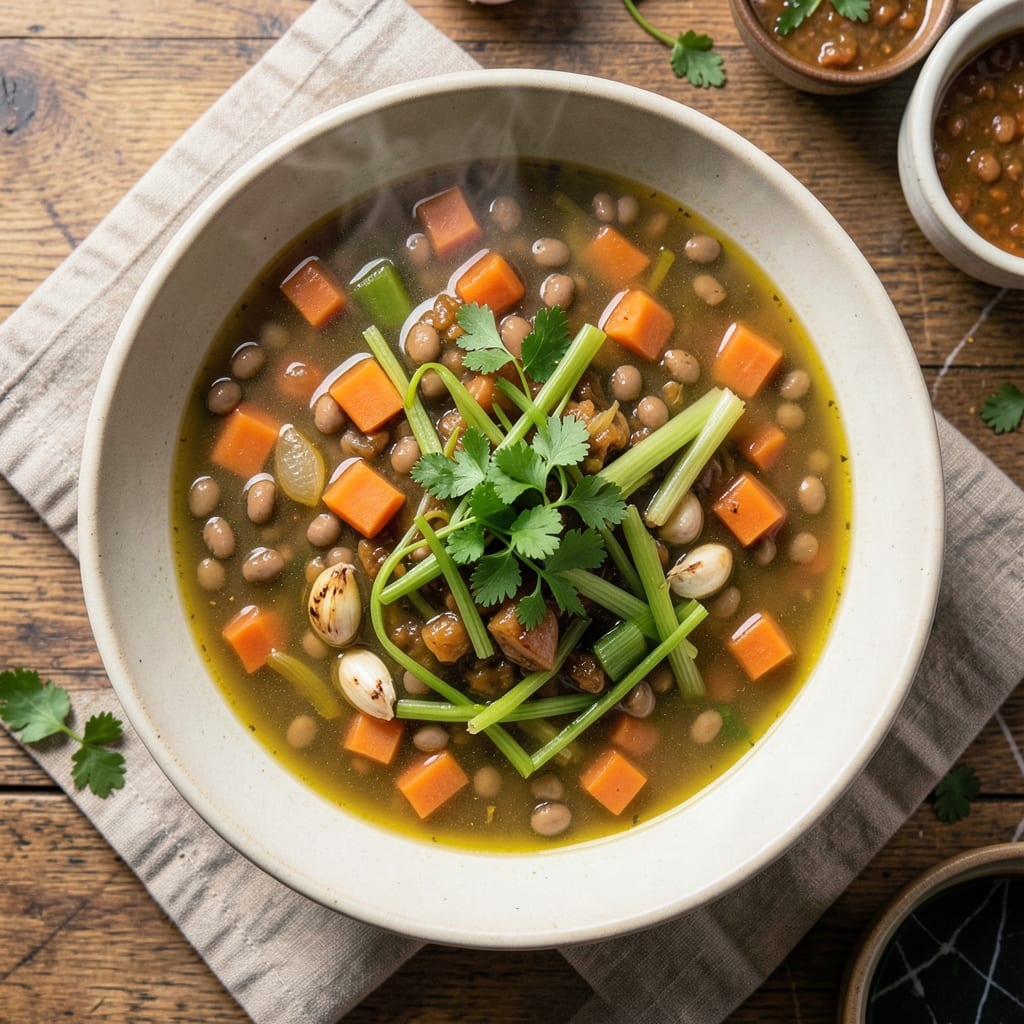
This American Heart Association vegetable soup recipe delivers heart-healthy nutrition without sacrificing flavor—packed with fiber-rich ingredients like lentils, kale, and carrots while keeping sodium in check. I designed this recipe after years of testing soups that met AHA guidelines for blood pressure support and cholesterol management, ensuring every spoonful contributes to your wellness goals. The secret lies in building layers of flavor through aromatic vegetables and herbs rather than relying on salt.
The beauty of this recipe is its versatility—it works as a light lunch, comforting dinner, or meal prep staple while delivering 15 grams of fiber per serving to support digestive health. We start with a low-sodium vegetable broth base (or homemade stock) and incorporate whole grains like barley for added texture and nutrients. The soup simmers for 45 minutes, allowing flavors to meld without losing nutritional integrity.
What makes this recipe stand out is its ability to satisfy without overloading you—each bowl provides plant-based protein, essential vitamins, and minimal saturated fat, all while being naturally low in calories. The combination of tender vegetables, hearty lentils, and a touch of lemon brightens the dish without needing excess seasoning. Perfect for anyone looking to eat healthier without compromising taste.
Whether you're managing heart health or simply aiming for a nutrient-dense diet, this soup proves that wholesome eating can be both nourishing and delicious. The instructions are straightforward, and the ingredients are easy to find, making it an ideal addition to your weekly meal rotation. Let's get cooking with this heart-smart recipe!
Ingredients for american heart association vegetable soup
Pantry staples and fresh produce combine to create this heart-healthy vegetable soup packed with fiber and nutrients.
| Ingredient | Amount | Notes |
|---|---|---|
| Low-Sodium Vegetable Broth 💧 | 4 cups | Homemade or high-quality low-sodium brand |
| Brown Lentils 🌱 | 1 cup | Rinsed thoroughly before cooking |
| Carrots 🥕 | 2 medium | OR 1 cup diced (whichever you prefer) |
| Celery Stalks 🧅 | 3 whole | Trimmed and chopped into 1/2-inch pieces |
| Yellow Onion 🧅 | 1 medium | Diced into 1/4-inch pieces |
| Garlic Cloves 🧄 | 3 cloves | Minced for aromatic depth |
| Kale Leaves 🌿 | 2 cups | Chopped, stems removed |
| Barley 🌾 | ½ cup | Pearl barley for texture |
| Fresh Parsley 🌿 | ¼ cup | Chopped for garnish and flavor |
| Fresh Lemon Juice 🍋 | 1 tbsp | Brightens the finished soup |
| Extra-Virgin Olive Oil 🫒 | 1 tbsp | For sautéing vegetables |
| Ground Black Pepper 🌶️ | ½ tsp | Freshly ground for flavor |
| Dried Thyme 🌿 | 1 tsp | Or 1 tbsp fresh thyme leaves |
| Sea Salt 🧂 | ¼ tsp | Diamond Crystal preferred |
The vegetable broth is the foundation—homemade stock elevates flavor without excess sodium, but low-sodium store-bought brands like Imagine or Pacific Foods work perfectly. For the carrots, organic varieties from Whole Foods or local farmers markets have sweeter flavor, but conventional store carrots are fine. The kale should be bright green and crisp, not wilted—Lacinato or curly kale both work well. Barley adds hearty texture, so pearl barley from the bulk section is ideal. Fresh thyme and parsley make all the difference—Penzeys or the bulk bins at natural grocery stores offer the best quality.
Short on time? Pre-chopped frozen vegetables (like the mix from Trader Joe's) save prep work without sacrificing nutrition. No fresh thyme? Dried works at one-third the amount. The barley can be replaced with quinoa or farro for variety. For extra protein, stir in white beans or chickpeas at the end. The lemon juice is essential—freshly squeezed brightens the soup, but bottled works in a pinch. If you're using pre-minced garlic, reduce to 2 cloves since jarred garlic has more moisture.
This soup reheats beautifully—simmer gently for 3-4 minutes on the stove or microwave for 1-2 minutes to preserve texture. Keeps for 5 days in the fridge or 3 months frozen. For meal prep, portion into glass containers with tight lids. The barley softens further when reheated, so add 1-2 tbsp broth when warming. Garnish with fresh parsley and a drizzle of extra-virgin olive oil before serving for extra flavor without calories.
Why You'll Love This Recipe
- No-Chop Night Hero: I swear by the celery-carrot-onion combo—just rough chop if you’re in a hurry. The lentils soften while you stir, and honestly? That’s the magic of slow simmering broth.
- Lentil Love Bomb: Between us, the brown lentils turn ridiculously tender but hold their shape—no mush here. They soak up the broth like a sponge, turning every spoonful into a hearty bite.
- Leftover Luxury: This soup begs to be made in bulk. Reheat it for lunch, freeze portions for sick days, or pack it in thermoses. (Yes, even on a Tuesday night.)
- Budget-Busting Balance: One bag of lentils feeds my family for days, and the veggies? They’re the affordable kind. Low-sodium broth keeps it healthy without sacrificing flavor—proof you don’t need fancy ingredients for something solid.
Step-by-step instructions for heart-healthy vegetable soup
This method delivers a nutrient-dense soup rich in fiber and plant-based protein while keeping sodium in check.
Sauté Aromatics and Vegetables
Heat the 1 tablespoon extra-virgin olive oil in a large pot over medium heat. Add the 1 medium yellow onion and 3 whole celery stalks (chopped into ½-inch pieces), cooking for 5 minutes until softened and translucent. Add the 2 medium carrots (diced) and cook for another 5 minutes until they begin to caramelize slightly.
This foundational step develops deep flavor through the Maillard reaction. I stir frequently to prevent burning while building that sweet, savory base. The vegetables should release their moisture but maintain some texture—overcooking leads to mushy soup later.
Add Lentils, Barley, and Seasonings
Stir in the 1 cup brown lentils and ½ cup barley, coating them with the oil and vegetable mixture. Add the 3 cloves garlic cloves (minced), 1 teaspoon dried thyme, ½ teaspoon ground black pepper, and ¼ teaspoon sea salt. Cook for 2 minutes until fragrant, stirring constantly.
The lentils and barley absorb flavor during this step. I press the spices into the grains to ensure even distribution. This prevents flavor pockets and guarantees balanced seasoning throughout the soup. The garlic should sizzle audibly—when it smells pungent, it's ready for the next phase.
Pour in Broth and Simmer
Add the 4 cups low-sodium vegetable broth and bring to a gentle boil. Reduce heat to low and let it simmer uncovered for 20 minutes, stirring occasionally. This initial simmer helps break down the vegetables and infuse the broth with their flavors.
I maintain a gentle simmer rather than a rolling boil to prevent the barley and lentils from becoming mushy. After 20 minutes, add the 2 cups chopped kale leaves and stir gently to wilt them. The soup should now have a rich, aromatic base with visible but softened vegetables.
Cook Until Lentils and Barley Are Tender
Continue simmering uncovered for an additional 25-30 minutes until the lentils and barley are fork-tender. The lentils should hold their shape but be soft to the bite, while the barley should be fully cooked through. Taste and adjust seasoning with additional sea salt if needed—remember, we're keeping sodium low.
This final cooking phase is crucial for developing the soup's hearty texture. I check for doneness by tasting a lentil—it should be tender but still hold its shape. The barley should be soft but not falling apart. The soup should have a thick, stew-like consistency at this stage.
Finish and Serve
Remove the pot from heat and stir in the 1 tablespoon fresh lemon juice. This brightens the flavors and balances the earthy vegetables. Let the soup sit for 5 minutes to allow the lemon to infuse fully. Ladle into bowls and garnish with ¼ cup chopped fresh parsley before serving.
The lemon juice adds a subtle acidity that cuts through the richness of the vegetables and grains. The parsley not only adds freshness but also enhances the visual appeal. Serve immediately while hot, as the flavors continue to meld even after cooking. Each spoonful delivers fiber-rich lentils, heart-healthy barley, and nutrient-packed vegetables in a low-sodium package.
Pro Tips For Making American Heart Association Vegetable Soup
- Sweat the Onions First: I learned this the hard way—skipping this step means your soup will taste like it’s missing something. Dice the onion into ¼-inch pieces and cook them in a dry pot over medium heat for 5 minutes until they’re translucent and just starting to caramelize. That deep flavor builds the whole dish.
- Cut Celery Evenly: Uneven celery pieces mean some will turn to mush while others stay crunchy. Cut all stalks into ¼-inch slices before chopping them into ½-inch pieces—this keeps them consistent and prevents a watery soup. (Yes, it’s extra work, but your future self will notice.)
- Use Rinsed Lentils: Brown lentils hold onto dirt and starch, which makes your soup cloudy and gummy. Rinse them in a fine-mesh strainer under cold water until the water runs clear. It takes 30 seconds and makes a noticeable difference in texture.
- Simmer Low and Slow: The American Heart Association recipe isn’t a quick fix—let it bubble gently for at least 30 minutes after everything’s added. High heat breaks down the veggies too fast, turning them mushy. Cover the pot and keep it at a bare simmer; the flavors meld better when they’re not in a hurry.
Troubleshooting great american heart association vegetable soup
Broth Too Watery?
If your soup ends up too thin after simmering, try adding 1-2 tablespoons of barley or lentils to thicken it naturally. Alternatively, mash a small portion of cooked vegetables against the pot sides to release starches. For immediate thickening, mix 1 teaspoon cornstarch with 2 tablespoons cold water, stir into the soup, and simmer for 2 minutes. I’ve found this works best when added in the final 5 minutes of cooking. 💧
Vegetables Overcooked?
Prevent mushy vegetables by adding delicate greens like kale only in the last 10 minutes of cooking. For heartier veggies like carrots, partially cook them in the microwave for 3 minutes before sautéing to reduce stovetop time. I often blanch carrots and celery in boiling water for 2 minutes before adding them to the pot—this jumpstarts their cooking without overdoing it. 🥕
Lentils Too Hard?
If your lentils remain undercooked, extend the simmering time by 10-15 minutes or add ½ cup extra broth to prevent drying. For faster results, use French green lentils instead of brown—they cook in 20 minutes instead of 30. I also recommend checking the lentil package for cooking times, as brands vary. 🌱
Flavor Too Mild?
Boost flavor without adding salt by roasting vegetables before cooking. Toss diced carrots, onions, and celery with 1 teaspoon olive oil and roast at 400°F for 20 minutes before sautéing. Another trick? Add 1 teaspoon smoked paprika or a bay leaf during simmering. Fresh herbs like parsley or thyme at the end also make a difference. 🌿
Barley Uncooked?
If your barley remains firm, it likely needs more time. Simmer uncovered for an additional 15-20 minutes or add ½ cup hot broth to speed up cooking. For quicker results, use quick-cooking barley (like pearl barley) or substitute with quinoa, which cooks in 15 minutes. I’ve also found that toasting the barley in the pot for 2 minutes before adding broth helps it absorb liquid more efficiently. 🌾
Soup Too Salty?
If you accidentally over-salted, dilute the soup by adding ½ cup extra low-sodium broth and simmering for 5 minutes. For a natural flavor boost, stir in 1 tablespoon lemon juice or 2 tablespoons plain Greek yogurt to balance saltiness. Avoid adding water, as it dilutes the soup’s depth. I’ve also had success using potato slices to absorb excess salt—simmer them for 5 minutes and remove before serving. 🧂
Nutrition facts
Frequently asked questions
Can I make this soup vegan?
Yes! Simply replace the extra-virgin olive oil with vegetable broth (about 1 tablespoon) for sautéing, and use vegan-friendly broth instead of the low-sodium vegetable broth. The lentils, barley, and vegetables are already plant-based, so no other substitutions are needed. The lemon juice and parsley keep it bright and flavorful without any animal products.
How can I reduce the sodium even more?
Skip the ¼ teaspoon sea salt entirely and rely on flavor boosters like 1 teaspoon lemon juice or ½ teaspoon garlic powder. Roast your vegetables before cooking to deepen flavor naturally. For extra umami, add 1 teaspoon nutritional yeast (it has a cheesy, savory taste without salt). Always check labels on broths—some "low-sodium" brands still contain 300-400mg per serving.
What if I don't have barley?
No problem! Swap barley for ½ cup quinoa (cooks in 15 minutes), ½ cup farro (cooks in 25 minutes), or an extra ½ cup brown lentils. For a grain-free option, use ½ cup diced sweet potato (add with kale in the last 10 minutes). The soup will still be heart-healthy and packed with fiber.
Can I make this soup in an Instant Pot?
Sauté the onions, celery, and carrots in 1 tablespoon olive oil on the sauté function for 5 minutes. Add all remaining ingredients (including broth), seal the lid, and cook on high pressure for 12 minutes. Let pressure release naturally for 10 minutes, then stir in lemon juice. The Instant Pot reduces cooking time by about half while keeping all the nutrients intact.
Will this soup help lower cholesterol?
This recipe aligns with American Heart Association guidelines for heart health by being rich in soluble fiber (from lentils, barley, and veggies) and plant sterols (found in vegetables like carrots and kale). The low-sodium approach also supports healthy blood pressure. While no single food "lowers" cholesterol, this soup's 15g fiber per serving helps reduce LDL ("bad" cholesterol) when part of a balanced diet. Pair it with oats and beans for maximum benefits.