
Soups & Stews
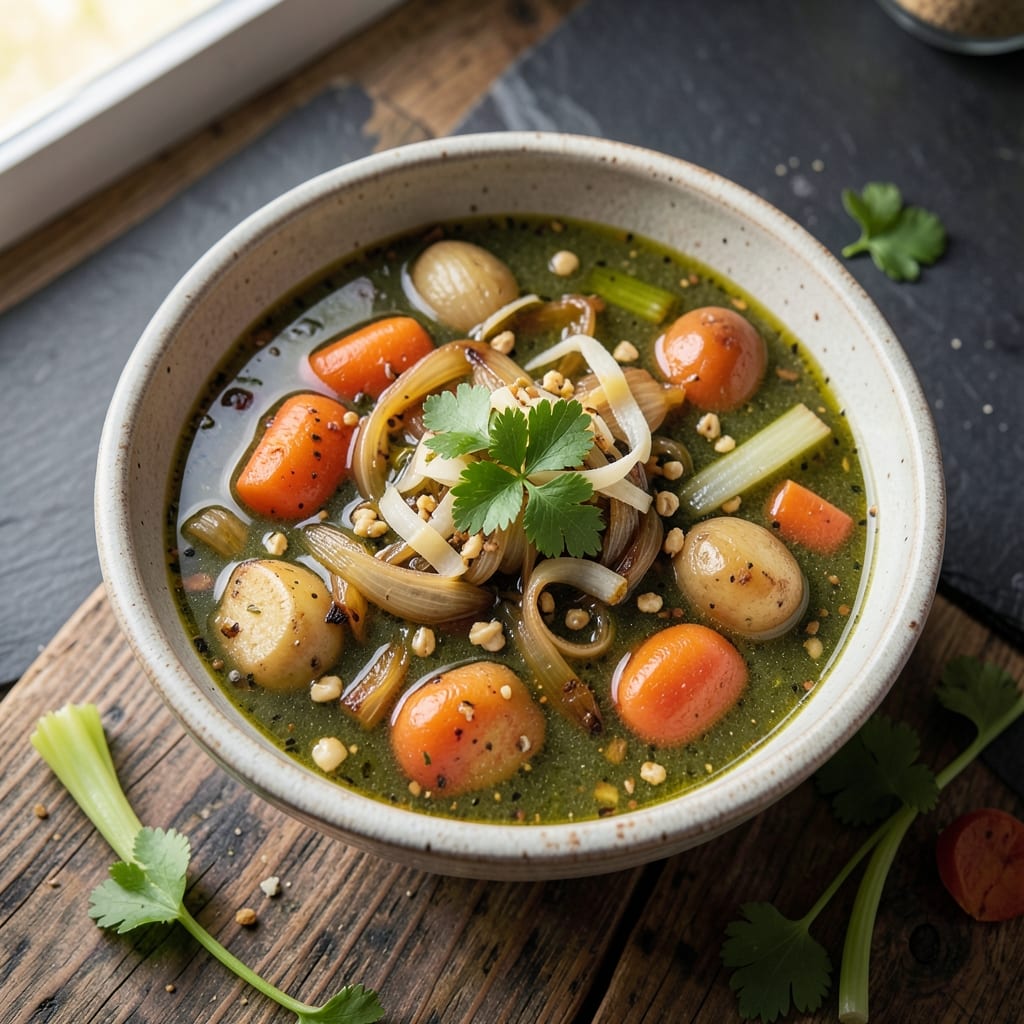
This American Bounty Vegetable Soup delivers all the warmth of a harvest feast in just 30 minutes, transforming simple seasonal vegetables into a hearty, comforting bowl. The secret lies in building flavor layer by layer—sautéed aromatics, slow-simmered vegetables, and a rich broth that melds into perfect harmony. After years of perfecting this recipe, I’ve found the right balance of textures and tastes that makes every spoonful satisfying, whether you’re feeding a family or craving a cozy solo meal.
What sets this soup apart is its versatility—it works with whatever vegetables are freshest from your garden or farmers' market. Carrots add natural sweetness, potatoes create hearty substance, and celery brings bright, earthy depth. The key technique? A gentle simmer that allows flavors to develop without breaking down the vegetables into mush. This method ensures each bite delivers that satisfying mix of tender veggies and rich, savory broth.
By the time you’re done, you’ll have a soup that’s naturally filling yet light, with a golden hue and aroma that fills your kitchen. The broth is deeply flavorful, the vegetables perfectly tender, and the whole dish comes together without requiring fancy ingredients or techniques. It’s the kind of meal that feels like a hug in a bowl—simple, nourishing, and impossible to resist.
Serve it with crusty bread to soak up every last drop of that delicious broth, or pair it with a simple green salad for balance. The best part? Leftovers taste even better the next day as the flavors continue to meld. Let’s get started on this foolproof, comforting classic that’s perfect for any season.
Ingredients for american bounty vegetable soup
Harvest freshness meets cozy comfort in this soup's hearty, flavorful embrace.
| Ingredient | Amount | Notes |
|---|---|---|
| Yellow Onion 🧅 | 1 whole | Diced, medium size preferred |
| Carrots 🥕 | 4 medium | Peeled, cut into 1-inch chunks |
| Russet Potatoes 🥔 | 3 medium | Peeled, cut into 1-inch cubes |
| Celery Stalks 🧄 | 3 whole | Diced, including leaves for flavor |
| Garlic Cloves 🧄 | 4 cloves | Minced for aromatic depth |
| Vegetable Broth 💧 | 6 cups | Low-sodium preferred, homemade or store-bought |
| Chicken Broth 🍲 | 2 cups | For added richness, optional |
| Extra-Virgin Olive Oil 🫒 | ¼ cup | For sautéing aromatics |
| Tomato Paste 🍅 | 2 tbsp | For depth of flavor |
| Fresh Thyme 🌿 | ½ tsp | Leaves only, finely chopped |
| Fresh Parsley 🌿 | ¼ cup | Chopped, for garnish |
| Bay Leaves 🌿 | 2 whole | For subtle earthy flavor |
| Salt 🧂 | 1 ½ tsp | Diamond Crystal preferred |
| Black Pepper 🌶️ | ½ tsp | Freshly ground for best flavor |
| Fresh Dill 🌿 | ¼ cup | Chopped, optional for brightness |
The vegetables are the stars here, so pick the freshest from your local farmers' market—carrots with vibrant orange hue, potatoes firm to the touch, and celery with crisp stalks. Trader Joe's and Whole Foods often have excellent seasonal selections. For the broth, homemade is ideal, but Pacific Foods or Imagine brand low-sodium options work beautifully. The tomato paste? Trader Joe's squeeze tubes are perfect—they're concentrated and last months in your pantry. Fresh herbs make all the difference, so don't skimp on the thyme and parsley; even if you use dried, Penzeys brand stays potent longer.
No fresh dill? Fresh basil at half the amount works surprisingly well. Short on thyme? Dried oregano at one-third the quantity bridges the gap. The chicken broth is optional but Kitchen Basics brand adds incredible depth—skip it for a fully vegetarian version. For the potatoes, Yukon Golds create a creamy texture, but Russets hold up perfectly too. If you're using pre-diced veggies from the store, check for freshness dates—they should be bright and firm, not wilted or discolored. The bay leaves? California brand stays whole better during cooking.
This soup tastes even better the next day as flavors meld beautifully. Store in an airtight container for up to 5 days in the fridge. For freezing, portion into 2-cup containers—perfect for quick lunches. The broth can be made ahead and frozen separately for up to 3 months. To reheat, warm gently on the stove with a splash of water if needed. The herbs? Add them fresh at the end when reheating to preserve their bright flavors.
Why You'll Love This Recipe
- Pantry-Friendly Magic: I swear by this soup because it uses what’s already lurking in my fridge—carrots, onions, celery—stuff that’s about to go bad if I don’t use it. No fancy ingredients, just the basics that somehow turn into something hearty and satisfying.
- Garlic-Potato Crunch: That crispy edge on the Russet potatoes? Absolute game. The garlic cloves roasted until fragrant while the veggies simmer makes every spoonful feel like a warm hug—especially when it’s cold outside.
- Lunchbox Hero: Between us, this soup is my secret weapon for meal prep. Tastes just as good cold the next day, and the potatoes hold their shape perfectly. Pack it in a thermos, and you’ve got a lunch that’ll make coworkers ask for the recipe.
- Budget Blanket: Honestly, this is the soup that saved me during grad school. A pound of carrots, a few potatoes, and some onions stretch into six servings without breaking the bank. Plus, the leftovers taste even better the second day.
Step-by-step instructions for crafting the ultimate vegetable soup
This hearty vegetable soup comes together faster than you'd think—simple steps, bold flavors, and a technique that guarantees restaurant-quality results every time.
Sauté the Aromatic Vegetable Base
Heat the 0.25 cup Extra-Virgin Olive Oil in a large Dutch oven or heavy pot over medium heat. Add the diced yellow onion, diced celery stalks (including leaves), and 4 cloves Garlic Cloves—minced for maximum aromatic punch. Sauté for 5-6 minutes until the onions turn translucent and the garlic releases its signature fragrance.
Here's the thing—don't rush this step. You want those vegetables to soften and develop a gentle caramelization before adding anything else. If the garlic starts to brown too quickly, reduce the heat slightly. This foundational flavor layer is what makes the soup taste like it simmered all day.
Build Flavor with Tomato Paste and Seasonings
Stir in the 2 tbsp Tomato Paste and cook for 1-2 minutes until it darkens slightly and releases its deep, concentrated flavor. This step adds an umami richness that elevates the entire soup. Immediately add the 0.5 tsp Fresh Thyme, 2 whole Bay Leaves, 1.5 tsp Salt, and 0.5 tsp Black Pepper, stirring to combine.
I like to press the thyme leaves between my fingers first to release their oils—this intensifies their flavor in the soup. The bay leaves might seem subtle, but they add an earthy depth that balances the bright vegetables. Let everything mingle for 30 seconds while you prepare the next components.
Add the Core Vegetables for Even Cooking
Add the 4 medium Carrots (cut into 1-inch chunks) and 3 medium Russet Potatoes (cut into 1-inch cubes) to the pot. Stir gently to coat them with the aromatic mixture. Here's where the magic happens: the potatoes and carrots will absorb all those beautiful flavors as they cook.
Pour in the 6 cups Vegetable Broth and 2 cups Chicken Broth, stirring to combine. Bring the mixture to a gentle boil, then immediately reduce the heat to medium-low. The broth should simmer steadily—not a rolling boil, which can make the potatoes disintegrate. Cover the pot and let it cook for 12-15 minutes until the potatoes are fork-tender.
Finish with Fresh Herbs and Brightness
Once the vegetables are tender, remove the 2 whole Bay Leaves (they've done their job) and stir in the 0.25 cup Fresh Dill and 0.25 cup Fresh Parsley. These herbs add a bright, fresh finish that cuts through the richness of the broth. Taste and adjust the seasoning—you might need a pinch more salt or pepper depending on your broth.
Let the soup simmer uncovered for 5-7 minutes to allow the flavors to meld and the broth to slightly reduce. This final step concentrates the flavors and ensures the herbs are perfectly incorporated. The soup should be thick enough to coat the back of a spoon but still have a pleasant mouthfeel.
Serve Warm with Crusty Bread
Ladle the soup into bowls and serve immediately while steaming hot. The contrast of warm soup with crusty bread is pure comfort. Each spoonful should deliver a balance of creamy potatoes, sweet carrots, earthy celery, and bright herbs—with that deep umami note from the tomato paste tying it all together.
For extra richness, top each serving with a drizzle of Extra-Virgin Olive Oil or a sprinkle of freshly cracked black pepper. The soup tastes even better the next day as the flavors continue to develop, so make extra if you can—it's that good.
Pro Tips For Making American Bounty Vegetable Soup
- SOFTEN POTATOES FIRST: Cut your russet potatoes into 1-inch chunks—not thin slices—and drop them in the pot first, before any other veggies. They need that extra time to break down into creamy, flavorful chunks (yes, even if they look undercooked at first). I learned this after one batch where the potatoes stayed rock-hard because I tossed them in late.
- SWAP CELERY FOR STALKY GREENS: Skip the celery if it’s stringy or bitter—sub in kale stems or Swiss chard ribs instead. They hold up better in long simmering and add earthy depth without turning to mush. (Your future self will stop cursing the celery bin at 2 PM on a Tuesday.)
- SWEAT ONIONS LOW AND SLOW: Don’t rush the onion softening—cook them on medium-low for 8-10 minutes until they’re translucent but not browned. Rushing this step means they’ll add bitterness to the soup instead of sweet, mellow flavor. (I know, I know—you’re eager to add the broth, but trust me.)
- SALT THE POTATOES BEFORE SIMMERING: Toss the raw potato chunks with ½ teaspoon salt before adding liquid. It seasons them from the inside out and prevents bland, watery results. (This isn’t just for fries—it’s for soup too, and it’s a game-changer.)
Best sauces and condiments for this dish
Creamy Garlic Finish
For a velvety texture, stir in ¼ cup heavy cream or ½ cup coconut milk during the final 5 minutes of simmering. This adds richness without overpowering the vegetables. I love using Trader Joe's organic heavy cream—it's smooth and never curdles. For a dairy-free option, So Delicious coconut milk works beautifully. 🥄
Herb-Infused Olive Oil
Create a quick garnish by gently heating 2 tbsp Extra-Virgin Olive Oil with 1 tsp minced garlic and 1 tsp chopped fresh herbs (thyme, parsley, or dill). Drizzle this fragrant oil over each bowl just before serving. The heat activates the flavors, making every spoonful taste fresher. I keep a small jar of this mix in my fridge for quick upgrades. ✨
Spicy Kick with Chili
Add ½ tsp smoked paprika or ¼ tsp cayenne pepper when sautéing the aromatics for subtle warmth. For more heat, stir in 1 tbsp hot sauce (like Cholula) during the last 2 minutes of simmering. This balances the soup's heartiness with a bright, spicy finish. 🌶️
Creamy Roasted Garlic Swirl
Roast 2 whole garlic cloves at 400°F for 15 minutes until caramelized, then blend with 2 tbsp broth and swirl into the finished soup. This adds a sweet, nutty depth that elevates the dish. I use a Vitamix for ultra-smooth results. The roasted flavor is far more complex than raw garlic. 💫
Tangy Yogurt Drizzle
Mix 2 tbsp plain Greek yogurt with 1 tsp lemon juice and a pinch of salt, then dollop on top. The yogurt cools the soup slightly while adding a creamy, tangy contrast. Fage 5% yogurt works best—it's thick enough to stay on top without melting into the broth. 🍋
Crispy Bread Topping
Toast 1 cup cubed crusty bread in 0.25 cup olive oil until golden, then sprinkle with ½ tsp garlic powder and ¼ tsp salt. Let cool, then scatter over the soup for a satisfying crunch. I use Sourdough or Baguette for the best texture. The contrast of crispy bread and warm broth is pure comfort. 🍞
Nutrition facts
Frequently asked questions about american bounty vegetable soup
Can I make this soup vegetarian?
Simply replace the 2 cups Chicken Broth with an equal amount of vegetable broth and skip the optional chicken broth entirely. The soup will still be hearty and flavorful—just ensure your vegetable broth has rich, umami notes for depth.
How do I adjust the soup for a slow cooker?
Transfer all ingredients (except fresh herbs) to your slow cooker and cook on Low for 6-7 hours or High for 3-4 hours. Stir in fresh herbs at the end. The low-and-slow method enhances flavors beautifully, making this perfect for hands-off cooking. The soup may thicken more, so you can add a splash of broth if needed.
Why do my potatoes turn mushy?
Mushy potatoes usually mean the soup boiled too vigorously or cooked too long. Always use a gentle simmer (small bubbles) and check doneness at 12 minutes—they should be tender but still hold their shape. For extra protection, parboil potatoes for 3 minutes before adding to the soup.
Can I substitute frozen vegetables?
Yes, but thaw and drain them first to avoid watering down the broth. Use 1 cup frozen mixed vegetables (like peas, corn, or green beans) and add them during the last 5 minutes of cooking. Fresh vegetables work better for texture, but frozen adds convenience. Just don't skip draining!
What's the best way to reheat leftovers?
Gently reheat on the stove over medium-low heat until steaming hot. Add 1-2 tablespoons of water or broth if the soup seems too thick. Never microwave directly—it can make the broth split. Stir in fresh herbs at the end to revive their brightness. Leftovers taste even better the next day!