
Soups & Stews
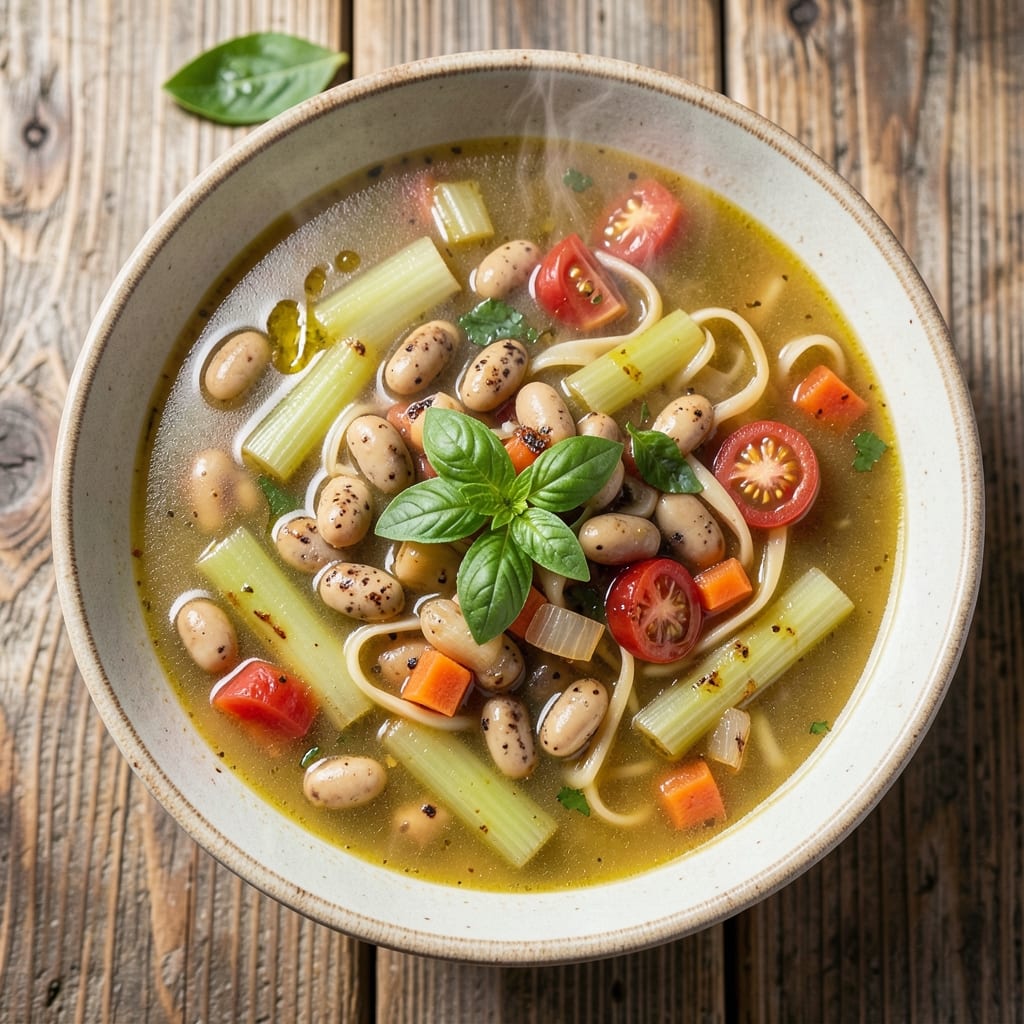
This amazing minestrone soup recipe transforms humble ingredients into a bowl of cozy, vegetable-packed perfection that tastes like a warm hug on a chilly day. The secret lies in balancing creamy beans, al dente pasta, and tender vegetables in a rich tomato-herb broth—simmered just long enough to let flavors meld without losing texture. I developed this version after years of experimenting with shortcuts (like canned beans and pre-chopped veggies) that still deliver restaurant-quality depth.
What makes this minestrone special is the textural contrast—crisp carrots and celery, tender white beans, and perfectly chewy pasta all in one hearty spoonful. Traditional Italian methods like toasting garlic and herbs in olive oil build layers of umami, while a splash of white wine brightens the tomato base. The best part? It’s foolproof—even beginners can nail it, and leftovers taste even better the next day.
By the time you’re done, you’ll have a steaming bowl of vibrant green and brown soup with golden-brown edges on the pasta and a garnish of fresh basil or grated Parmesan. The aroma alone will have everyone gathering around the table, and each bite delivers a perfect mix of savory, herby, and slightly tangy flavors. This is the kind of soup that turns a simple weeknight into a cozy Italian feast.
Serve it with crusty bread for dipping or a sprinkle of extra cheese for richness. The beauty of minestrone is its flexibility—add spinach at the end for freshness or swap in your favorite vegetables. Let’s make this comforting classic your new go-to recipe!
Ingredients for amazing minestrone soup
Six servings of cozy, vegetable-packed perfection in one pot—just these ingredients, no shortcuts needed.
| Ingredient | Amount | Notes |
|---|---|---|
| Extra-Virgin Olive Oil 🫒 | ½ cup | High-quality, fruity variety |
| Yellow Onion 🧅 | 1 whole | Diced into small pieces |
| Garlic Cloves 🧄 | 4 cloves | Minced for aromatic base |
| Carrots 🥕 | 4 medium | Chopped into bite-sized pieces |
| Celery Stalks 🧅 | 3 whole | Chopped into small dice |
| Dry White Wine 🍷 | ½ cup | Sauvignon Blanc preferred |
| Canned Diced Tomatoes 🍅 | 2 cups | San Marzano preferred |
| Vegetable Broth 💧 | 4 cups | Low-sodium preferred |
| Canned Cannellini Beans 🌿 | 2 cups | Drained and rinsed |
| Ditalini Pasta 🍝 | 1 ½ cups | Uncooked, al dente preferred |
| Fresh Basil Leaves 🌿 | ¼ cup | Chopped for garnish |
| Parmesan Cheese 🧀 | ½ cup | Freshly grated |
| Fresh Spinach 🍃 | 2 cups | Chopped for last-minute addition |
| Salt 🧂 | 1 ½ tsp | Diamond Crystal preferred |
| Black Pepper 🌶️ | ½ tsp | Freshly ground |
| Dried Oregano 🍃 | 1 tsp | Italian variety preferred |
The foundation starts with San Marzano tomatoes—their sweetness is unmatched. Trader Joe's carries them in cans, and they're worth the splurge. For the broth, low-sodium is key—you'll be adding plenty of salt later. The cannellini beans should be drained well; I always rinse them to remove excess sodium. Fresh herbs matter here—the basil should be bright green with no wilting, and the oregano should be from a reputable brand like Penzeys for that authentic Italian flavor. The carrots and celery can be pre-chopped to save time, but freshly chopped gives better texture.
No white wine? Substitute extra broth—just skip the deglazing step. No fresh basil? Dried oregano at half the amount works in a pinch. Pre-chopped veggies are fine, but if you've got time, chopping your own makes the soup taste more vibrant. The spinach goes in last—don't skip this step, as it wilts quickly. For the pasta, ditalini holds up best to long simmering, but any small pasta shape works. If you're watching carbs, reduce the pasta by half—the soup is still hearty with just the beans and veggies.
This soup tastes even better the next day—make extra if you can. Store in an airtight container for 5 days in the fridge or freeze for 3 months. I always portion mine into individual containers so I can grab a bowl straight from the freezer. The pasta reheats beautifully, but if it feels too soft, just add a splash of broth when warming. For extra richness, stir in a spoonful of Parmesan when serving—it's the perfect finishing touch.
Why You'll Love This Recipe
- Pantry-Friendly Start: I swear by this recipe because it never leaves me stranded. No fancy ingredients—just olive oil, onion, garlic, carrots, and celery (the holy trinity of flavor) that I always have lurking in my fridge or pantry. Toss them in a pot, add beans and pasta, and boom—dinner’s sorted.
- Garlic-Infused Magic: That first sizzle of olive oil with onion and garlic? Pure gold. The slow caramelization of the onion and the sharp bite of garlic—it’s the backbone of this soup. Honestly, if I skip the garlic, it’s just not the same. (Yes, even on a Tuesday night.)
- Weeknight to Potluck: This soup works for everything—a rushed weeknight when I’m too tired to think, a cozy Sunday with friends, or even a potluck where I can bring a big batch. The flavors only get better the next day, so it’s my go-to for meal prep too.
- Budget That Feeds: A single pot costs me pennies but stretches to feed the whole family. The carrots and celery bulk it up, beans add protein, and pasta makes it filling. Between us, I’ve turned $5 worth of ingredients into five hearty bowls—no guilt, just satisfaction.
Step-by-step instructions for hearty minestrone soup
This one-pot wonder delivers restaurant-quality minestrone with layers of flavor and satisfying texture.
Sauté the Aromatic Vegetable Base
Heat the 0.5 cup extra-virgin olive oil in a large Dutch oven over medium heat. Add the diced yellow onion, chopped celery stalks, and chopped carrots, stirring occasionally for 8-10 minutes until the vegetables soften and begin to release their natural sugars.
Here's the thing—don't rush this step. You want the vegetables to caramelize slightly, building deep flavor that will carry through the entire soup. When the vegetables are tender but still hold their shape, add the minced garlic cloves and cook for just 30 seconds—garlic burns in seconds, so keep an eye on it.
Deglaze and Build the Flavor Foundation
Pour in the 0.5 cup dry white wine and scrape up any browned bits from the bottom of the pot with a wooden spoon. This deglazing step captures all that concentrated flavor that would otherwise go down the drain. Let the wine simmer for 2-3 minutes until it reduces by half and the alcohol cooks off completely.
Next, add the 2 cups canned diced tomatoes, 4 cups vegetable broth, 1.5 teaspoons salt, 0.5 teaspoon black pepper, and 1 teaspoon dried oregano. Bring everything to a gentle boil, then reduce heat to medium-low and let it simmer for 15 minutes. This gives the flavors time to meld and creates the perfect base for the remaining ingredients.
Add Beans and Pasta for Hearty Texture
Stir in the 2 cups drained cannellini beans and 1.5 cups ditalini pasta. The reason we add the pasta now is that it'll finish cooking in the soup itself, absorbing all those wonderful flavors. Increase heat to medium-high and bring the soup back to a boil, then reduce heat to medium-low again.
Simmer uncovered for 12-15 minutes, stirring occasionally, until the pasta is al dente and the soup has thickened slightly. You'll know it's ready when the pasta holds its shape but is tender to the bite. If the soup gets too thick, add a splash of water or broth to reach your desired consistency.
Finish with Fresh Greens and Garnish
In the final 2 minutes of cooking, stir in the 2 cups chopped fresh spinach. The spinach wilts almost instantly, adding a vibrant green color and fresh flavor to the soup. Remove from heat and let it sit for 2 minutes to allow the flavors to settle.
Ladle the minestrone into bowls and top each serving with 1 tablespoon freshly grated Parmesan cheese and 1 teaspoon chopped fresh basil leaves. The Parmesan adds a salty, umami richness, while the basil brings bright, herbal notes that cut through the heartiness of the soup. Serve immediately with crusty bread for dipping.
Pro Tips For Making Amazing Minestrone Soup
- Sweat, Don’t Burn: Your onions and celery should glisten like wet pavement by the end—not turn into crispy hockey pucks. Keep the heat at medium-low and stir every 30 seconds. I learned this the hard way after one batch tasted like charred campfire instead of Italian comfort.
- Slice Carrots Thin: Quarter-length, paper-thin slices cook faster and stay tender. Thick chunks turn mushy and release starch like a bad date. Use a sharp knife or mandoline if you’re impatient (I am), but don’t skip this—it’s the thing that matters most for texture.
- Salt the Pot Early: Add 1 teaspoon of salt to the broth before dumping in the veggies. It seasons the water itself, not just the surface. I used to wait until the end, and my soup always tasted like it needed a shot of umami. (Your future self will thank you.)
- Toast the Garlic: Sauté those garlic cloves in olive oil for 30 seconds until they smell like heaven, not like a hospital. They’ll mellow out later but add depth that raw garlic can’t. Skip this, and your soup tastes like it’s missing something—even if you can’t put your finger on it.
Wine and beer pairings for amazing minestrone soup
Italian White Wines
For minestrone, I always reach for a crisp Vermentino from Sardinia or a Pinot Grigio from Alto Adige. These whites have bright acidity that cuts through the soup's richness while complementing the tomato and herb flavors. A chilled glass of Soave from Veneto also works beautifully—its almond notes pair perfectly with the beans and pasta. 🍷
Crisp Lager Pairings
A light Italian lager like Peroni or Moretti is my go-to beer pairing. The subtle maltiness balances the soup's earthy vegetables while the carbonation cleanses your palate between bites. For something more interesting, try a Belgian witbier with its citrusy coriander notes—it adds a refreshing contrast to the hearty minestrone.
Red Wine Alternatives
If you prefer red, go for a light-bodied Chianti or Valpolicella. The acidity in these wines mirrors the tomato base, while their cherry notes complement the herbs. I'd avoid heavy reds like Cabernet—stick to Italian varieties under 13% ABV to avoid overpowering the soup's delicate flavors.
Seasonal Beer Swaps
In summer, I switch to a radler—half lager, half lemon soda—for a lighter, more refreshing pairing. For winter, a dark lager like Dunkel adds a malty depth that stands up to the soup's heartiness. The key is matching the beer's body to the soup's temperature—lighter beers for summer, darker for winter.
Non-Alcoholic Options
Don't drink alcohol? Sparkling San Pellegrino with a lemon twist works perfectly—its bubbles and citrus refresh the palate. For something richer, try a sparkling apple cider like Martinelli's. Both options enhance the soup's flavors without competing with them.
Serving Temperature Tips
Serve white wines and beers slightly chilled—around 45-50°F—to enhance their crispness. Red wines should be at 60-65°F to preserve their fruitiness. I always chill my wine glasses in the freezer for 10 minutes before pouring to get the perfect temperature quickly. 💡
Nutrition facts
Frequently asked questions
Can I make this minestrone soup vegan?
Simply omit the Parmesan cheese and use vegetable broth instead of any meat-based broth. For extra umami, add 1 tablespoon soy sauce or 1 teaspoon nutritional yeast to the broth. The cannellini beans and tomatoes already provide plenty of plant-based protein and heartiness.
Why does my minestrone taste bland?
Blandness usually means the flavors didn't meld enough. Try these fixes: Simmer longer (up to 30 minutes total) for deeper flavor, add a pinch of red pepper flakes or balsamic vinegar for acidity, or boost umami with 1 teaspoon miso paste or 1 tablespoon tomato paste when sautéing the vegetables.
Can I use frozen vegetables instead of fresh?
Yes, but with adjustments! Use 1 cup frozen mixed vegetables (like peas, corn, or green beans) instead of fresh spinach. Add them 5 minutes before serving so they don't turn mushy. Frozen veggies work great for convenience, but fresh spinach adds that vibrant color and texture.
How do I prevent the pasta from getting mushy?
Cook the pasta just until al dente (about 12-15 minutes in the soup), then remove it with a slotted spoon and return it to the pot 2 minutes before serving. This keeps it firm while letting it absorb flavors. Also, use 1.5 cups uncooked pasta (not pre-cooked) for better texture control.
What's the best way to reheat leftovers?
Reheat gently on the stove over low heat with 1/4 cup water or broth to prevent drying. Stir frequently and add more liquid if needed. For microwave reheating, cover with a damp paper towel and heat in 1-minute intervals until hot. Never reheat to a boil—this can make the pasta mushy.