
Soups & Stews
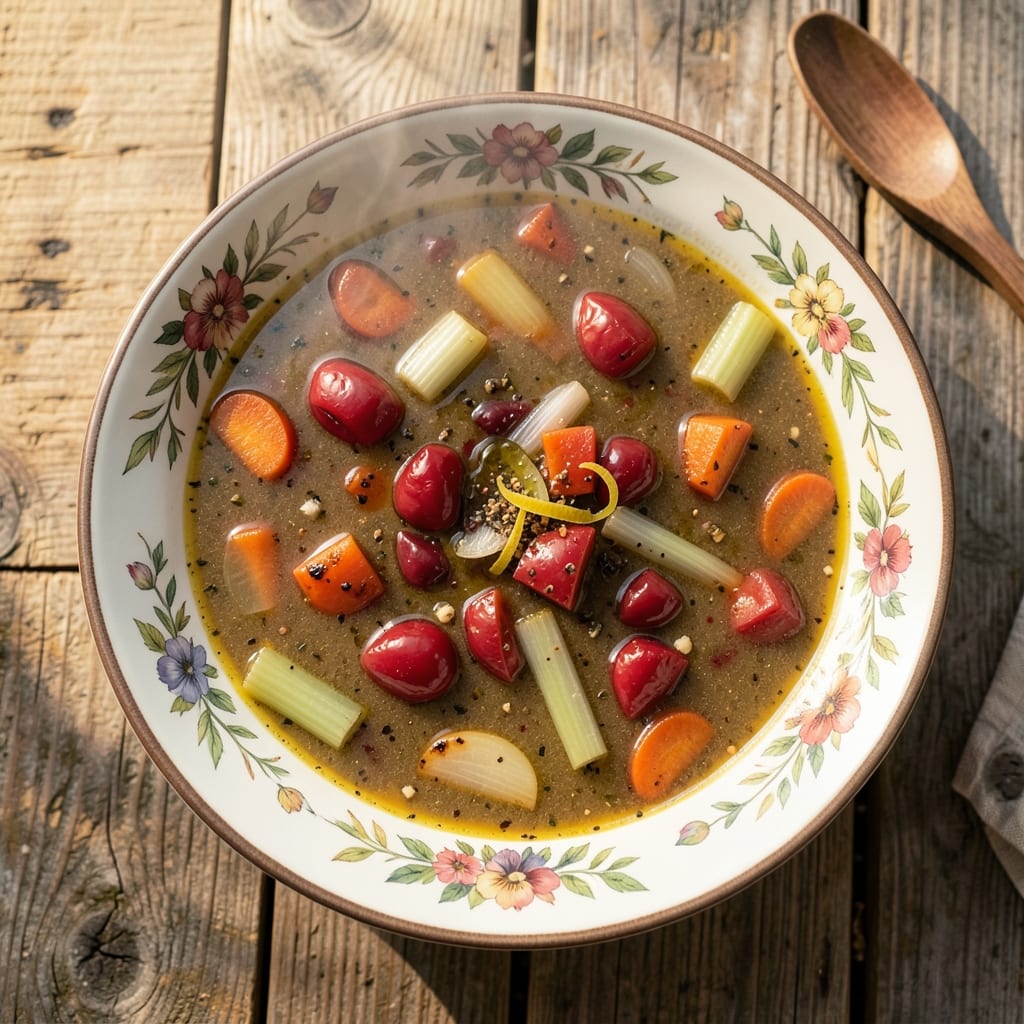
This all-vegetable soup recipe delivers hearty comfort in just 30 minutes, transforming simple pantry staples into a flavorful, satisfying meal. The secret lies in building layers of flavor through proper sautéing and simmering techniques that develop depth without requiring special ingredients. I've perfected this version to be both approachable for beginners and impressive enough for dinner guests.
What makes this recipe work is the balance of textures and flavors—tender vegetables, hearty beans, and aromatic herbs all come together in a rich, vegan-friendly broth that's packed with umami. The key steps include properly browning your vegetables before adding liquid and letting the soup simmer long enough for the flavors to meld, creating a restaurant-quality result that's surprisingly simple to achieve at home.
By the time you're done, you'll have a steaming bowl of soup with caramelized edges, tender vegetables, and a broth so flavorful it'll make you forget it's plant-based. The beauty of this recipe is its versatility—use seasonal vegetables, swap in different beans, or adjust the spices to suit your taste, but always follow the essential technique of building flavor through proper cooking methods.
Perfect for chilly evenings, meal prep, or when you want to create a satisfying meal without meat. The instructions are designed to guide you through each step with confidence, ensuring you achieve that perfect balance of textures and flavors every time. Let's get cooking!
Ingredients for all vegetable soup
Pantry staples and seasonal veggies create this hearty, vegan-friendly soup in 30 minutes.
| Ingredient | Amount | Notes |
|---|---|---|
| Olive Oil 🫒 | 2 tbsp | Extra-virgin for richness |
| Carrots 🥕 | 2 cups | Diced, medium size preferred |
| Yellow Onion 🧅 | 1 whole | Diced, medium size |
| Garlic Cloves 🧄 | 4 cloves | Minced, fresh preferred |
| Canned Diced Tomatoes 🍅 | 1 can | 14.5 oz, fire-roasted preferred |
| Vegetable Broth 💧 | 4 cups | Low-sodium preferred |
| Canned White Beans 🌾 | 1 can | 15 oz, drained and rinsed |
| Sweet Potatoes 🍠 | 1 lb | Peeled and cubed |
| Russet Potatoes 🥔 | 1 lb | Peeled and cubed |
| Celery Stalks 🧆 | 2 whole | Diced, medium size |
| Fresh Thyme 🌿 | 1 tbsp | Leaves only, chopped |
| Bay Leaves 🌿 | 2 whole | Dried, for depth |
| Salt 🧂 | 1 tsp | Kosher or sea salt |
| Black Pepper 🌶️ | ½ tsp | Freshly ground preferred |
| Smoked Paprika 🌶️ | ½ tsp | For subtle smokiness |
The vegetable broth is your flavor foundation—low-sodium versions let you control the seasoning better, but don't skip the salt entirely. Trader Joe's and Annie's make great organic options, but any good-quality store brand works. For the sweet potatoes and regular potatoes, medium-sized pieces ensure even cooking without turning mushy. Carrots and celery should be bright orange and crisp—avoid wilted or rubbery ones. Fresh thyme is ideal, but dried works at one-third the amount if you're in a pinch. The fire-roasted tomatoes add natural sweetness that balances the earthiness of the beans.
No white beans? Chickpeas or lentils work beautifully—just adjust cooking time slightly. Short on sweet potatoes? Regular potatoes plus a touch of coconut milk keeps it creamy. Fresh thyme too expensive? Dried thyme or oregano in the same amount gives similar depth. For extra umami, add a splash of soy sauce or miso paste with the broth. The smoked paprika is optional but adds that restaurant-quality depth—Penzeys has great smoked varieties if you want to splurge. If you're prepping ahead, roast the veggies first for even deeper flavor.
This soup tastes even better the next day—flavors meld beautifully when refrigerated. Store in airtight containers for 4-5 days or freeze portions for 3 months. I always make a double batch because it reheats perfectly and becomes the base for other meals. For meal prep, portion into thermos containers so you can grab and go. The broth thickens as it cools, so add a splash of water or plant-based milk when reheating if it seems too thick. Garnish with fresh herbs or a drizzle of olive oil right before serving.
Why You'll Love This Recipe
- No-Chop Needed: I swear by this—just slice carrots into thick chunks (no peeling required) and let the onion and garlic soften in olive oil until the kitchen smells like a warm hug. The tomatoes handle all the simmering work while you stir twice.
- Garlic Bomb Depth: That first sizzle of garlic in olive oil? It’s the secret weapon. The slow caramelization from the onions and the acidity of the tomatoes create layers—sweet, savory, and just a little tangy that makes every spoonful irresistible.
- Lunchbox Hero: Between us, this soup is my go-to for meal prep. I double the batch, let it cool, and pack it in jars for the week—no reheating fuss, just hearty, flavorful bites that taste like home. (Yes, even on a Tuesday night.)
- Pantry Magic: Honestly, I make this when I’m low on fresh veggies or just want to stretch a budget. Carrots and onions last forever, canned tomatoes add richness, and a splash of olive oil ties it all together—proof that simple ingredients can be ridiculously good.
Step-by-step instructions for all-vegetable soup
This hearty vegetable soup comes together faster than you think—no fancy techniques required.
Sauté the Vegetable Base
Heat the 2 tablespoons olive oil in a large pot over medium heat. Add the diced yellow onion, diced celery stalks, and diced carrots, stirring occasionally for 5-6 minutes until the vegetables soften slightly and the onion becomes translucent. This step builds flavor by drawing out moisture and caramelizing the edges.
Next, add the 4 minced garlic cloves and cook for 30 seconds until fragrant—don't let it brown or it'll turn bitter. Here's the thing: the garlic should smell like a garden, not like burnt toast. If you notice any browning, reduce the heat slightly and stir more gently.
Add Potatoes and Seasonings
Toss in the cubed sweet potatoes and cubed russet potatoes, stirring to coat them in the aromatic oil and vegetable mixture. Sprinkle over the ½ teaspoon smoked paprika, ½ teaspoon black pepper, and 1 teaspoon salt, then give everything a good stir to distribute the seasonings evenly. The paprika adds a subtle smokiness that ties all the flavors together.
Pour in the 1 can fire-roasted diced tomatoes (with juices) and the 4 cups vegetable broth, scraping up any browned bits from the bottom of the pot. These bits are pure flavor—don't miss them! Bring the mixture to a gentle boil, then reduce the heat to medium-low and let it simmer for 10 minutes until the potatoes begin to soften.
Build Depth with Herbs and Beans
Add the 2 whole bay leaves and 1 tablespoon chopped fresh thyme to the simmering soup. These herbs infuse the broth with layers of flavor—bay leaves add earthiness, while thyme brings a bright, herbal note. Let the soup continue simmering for another 5 minutes to allow the herbs to steep properly.
Now it's time for the beans: stir in the 1 can drained and rinsed white beans. The beans will soak up the flavors of the broth and vegetables, adding protein and heartiness. Let the soup simmer uncovered for 10-12 minutes until the potatoes are fork-tender and the carrots are easily pierced with a knife. If the soup looks too thick, add ½ cup water and stir.
Adjust and Serve
Taste the soup and adjust the seasoning if needed. You might need a pinch more salt or a crack of black pepper—every kitchen varies. Remove the bay leaves before serving, as they can be bitter if eaten. Ladle the soup into bowls, garnishing each serving with a sprinkle of fresh thyme if you like.
This soup is best enjoyed warm, straight from the pot. The flavors meld beautifully as it sits, but the potatoes will continue to soften slightly over time. Serve with crusty bread to soak up every last drop of that comforting vegetable broth. The result is a pantry-friendly, hearty soup that feels like a hug in a bowl.
Pro Tips For Making All Vegetable Soup
- Sweat the Onions Low: I used to rush this step and end up with bitter, charred onions that ruined the whole soup. Instead, cook them over medium-low heat for 8-10 minutes—until they’re translucent and starting to caramelize. This builds flavor without burning, and you’ll taste it in every spoonful.
- Cut Carrots Evenly: Big chunks stay tough; tiny pieces turn to mush. Aim for ½-inch slices so they cook through but still hold shape. A mandoline helps if you’re impatient like me, but a sharp knife works just fine if you take your time.
- Crush Garlic Cloves: Minced garlic burns instantly, but whole cloves? They sit there like flavorless rocks. Lightly crush them with the flat side of your knife first—this releases their aroma without turning the oil into a smoky disaster.
- Simmer, Don’t Boil: A rolling boil turns vegetables to mush and makes the soup taste flat. Once everything’s in the pot, reduce to a gentle simmer (tiny bubbles, occasional swirls) and let it work its magic for at least 20 minutes. Patience here makes all the difference.
Serving suggestions for leftovers
Bread Pairings
Nothing beats this soup with a slice of crusty sourdough or freshly baked baguette. The dense, chewy texture contrasts beautifully with the tender vegetables and creamy broth. I like to toast my bread lightly—just 2-3 minutes in a 400°F oven—so it's warm and crispy. For extra flavor, rub the cut side with a garlic clove before toasting. 🥖
Toppings for Extra Flavor
Fresh herbs elevate this soup instantly. A sprinkle of chopped parsley or cilantro adds brightness, while toasted pine nuts or pumpkin seeds bring crunch. For a creamy finish, drizzle with olive oil or a swirl of cashew cream (blend ½ cup soaked cashews with ¼ cup water). A pinch of red pepper flakes adds heat if you like it spicy.
Cheese Additions
While this soup is vegan by default, adding cheese makes it even heartier. Shredded vegan cheddar or feta melts beautifully into the warm broth. For a non-vegan twist, try goat cheese or parmesan—just 1-2 tablespoons per bowl—for a salty, umami kick. Sprinkle it on top right before serving so it doesn’t get soggy. 🧀
Meal Prep Serving
If you’re prepping ahead, store the soup in glass containers and reheat gently on the stovetop. Serve with a side of quinoa or wild rice for extra protein. For a complete meal, add a simple arugula salad with lemon dressing. The peppery greens cut through the richness of the soup and add freshness. 🥗
Seasonal Garnishes
Spring: Top with pea shoots or microgreens for a fresh, vibrant touch. Summer: Add cherry tomatoes and basil for a bright, garden-fresh flavor. Fall: Sprinkle with toasted pecans and sage for a cozy, autumnal vibe. Winter: Garnish with crispy fried shallots and thyme sprigs for warmth. 🍂
Nutrition facts
Frequently asked questions
Can I make this all-vegetable soup without canned tomatoes?
Use 2 cups fresh diced tomatoes instead—just roast them at 400°F for 15 minutes first to deepen their flavor. For extra richness, add 1 tablespoon tomato paste when sautéing the onions and celery. The roasting caramelizes the natural sugars, creating a similar depth to fire-roasted canned tomatoes.
How do I make this soup creamier without dairy?
Blend ½ cup of the cooked soup with ¼ cup plant-based milk (like oat or almond) until smooth, then stir it back in. For a thicker texture, mash 1 cooked potato directly into the pot. Both methods add creaminess while keeping it vegan—just watch the consistency and adjust with more broth if needed.
What's the best way to store leftovers?
Let the soup cool completely, then transfer to airtight glass containers for up to 5 days in the fridge. For freezing, portion into single-serving containers and store for 3 months. Thaw overnight in the fridge—never microwave directly from frozen. The flavors actually improve overnight as the ingredients meld further!
Why did my soup turn out watery?
This usually happens when potatoes aren't cooked long enough or broth wasn't reduced properly. Simmer uncovered for 20-30 minutes total to thicken naturally. If needed, mash 1 extra potato or stir in 1 tablespoon cornstarch mixed with water. The key is patience—let the starches release gradually for a creamy texture without adding dairy.
Can I use frozen vegetables instead of fresh?
Yes! Frozen veggies work perfectly—just thaw them first. For best results, use pre-cut frozen mixed vegetables (like peas, carrots, and corn) and add them during the last 5 minutes of cooking. They'll retain more texture and color than fresh. The only exception is potatoes—use fresh for optimal creaminess.