
Soups & Stews
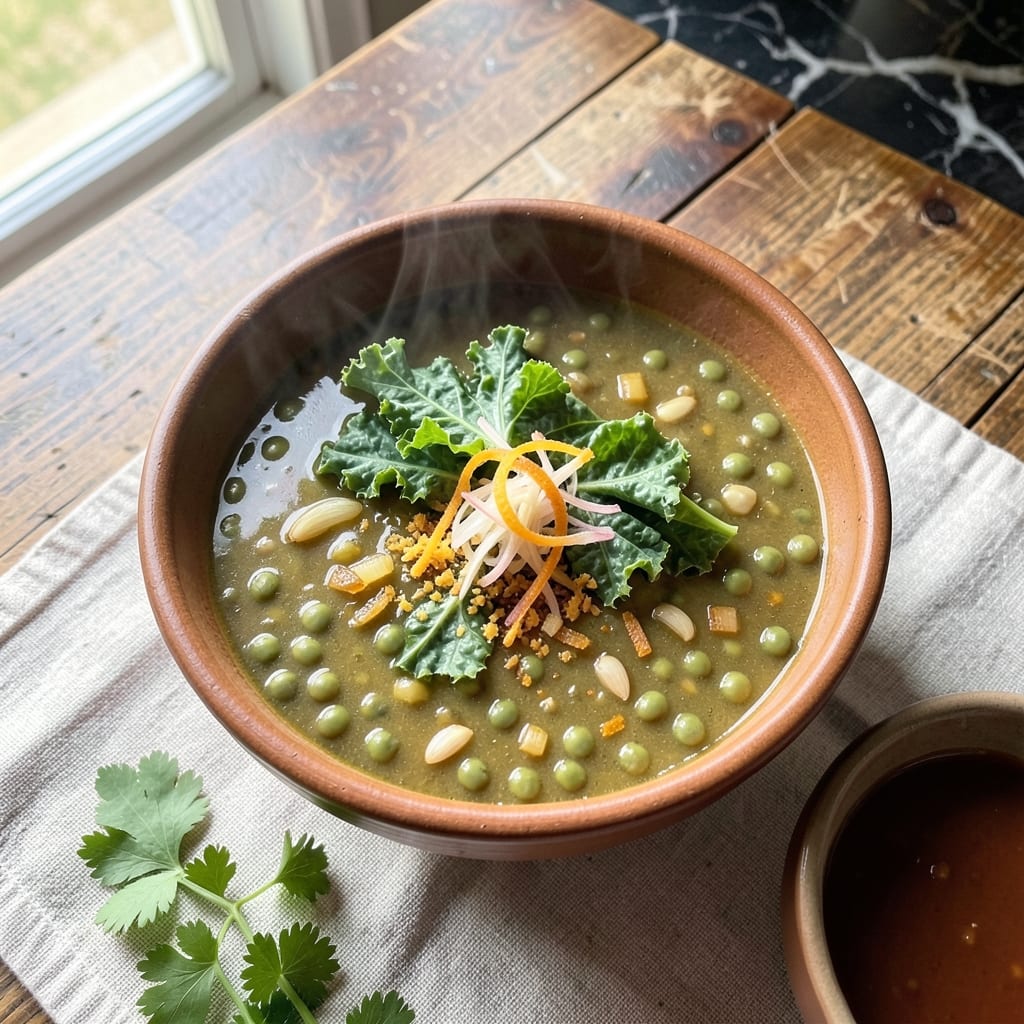
This alkaline lentil soup recipe transforms simple ingredients into a gut-friendly, ph-balancing meal that supports overall wellness. The key lies in carefully selected alkaline-forming ingredients like leafy greens, citrus, and lentils—nature's powerhouse for maintaining a healthy pH balance. What sets this recipe apart is the gentle cooking method that preserves nutrients while creating a deeply satisfying, hearty broth.
The foundation of this soup begins with lentils, which are naturally alkaline and packed with plant-based protein and fiber. Combined with turmeric for anti-inflammatory benefits and fresh herbs for brightness, this recipe delivers both flavor and functional benefits. The slow simmering process ensures the lentils remain tender while the broth develops a rich, savory depth that keeps you coming back for more.
What you'll end up with is a vibrant, nutrient-dense soup that's as good for your body as it is for your taste buds. The alkaline properties come from ingredients like kale, lemon juice, and fresh ginger, all working together to create a meal that supports digestion and overall vitality. This is the kind of soup that feels like medicine but tastes like comfort food.
Perfect for meal prepping or serving warm on a chilly day, this alkaline lentil soup is versatile enough to pair with crusty bread or enjoy as a standalone dish. The recipe includes detailed instructions for balancing flavors and achieving the ideal alkaline properties without compromising on taste. Let's get started on creating this nourishing one-pot meal.
Ingredients for alkaline lentil soup
Nature's alkaline powerhouse ingredients combine to create this nutrient-dense, gut-supportive lentil soup.
| Ingredient | Amount | Notes |
|---|---|---|
| Green Lentils 🌾 | 1 ½ cups | Rinsed thoroughly before cooking |
| Kale Leaves 🥬 | 4 cups | Chopped, stems removed |
| Yellow Onion 🧅 | 1 whole | Diced finely for even cooking |
| Garlic Cloves 🧄 | 4 cloves | Minced for aromatic release |
| Fresh Ginger Root 🌿 | 2 tbsp | Grated finely for zesty kick |
| Fresh Turmeric Root 🌿 | 1 tbsp | Grated for vibrant color |
| Lemon Juice 🍋 | 2 tbsp | Freshly squeezed for alkalinity |
| Extra-Virgin Olive Oil 🫒 | ¼ cup | Cold-pressed for nutritional integrity |
| Vegetable Broth 💧 | 6 cups | Low-sodium for flavor control |
| Fresh Cilantro 🌿 | ¼ cup | Chopped for fresh herbal finish |
| Fresh Parsley 🌿 | ¼ cup | Chopped for additional brightness |
| Sea Salt 🧂 | 1 tsp | Diamond Crystal preferred |
| Black Peppercorns 🌶️ | ½ tsp | Freshly cracked for depth |
| Cumin Seeds 🌿 | ½ tsp | Toasted for enhanced aroma |
| Ground Cinnamon 🌿 | ¼ tsp | For subtle warmth |
The lentils are the foundation—green lentils hold their shape beautifully while delivering plant-based protein and fiber. For optimal quality, look for organic lentils from brands like Bob's Red Mill or Trader Joe's—their higher mineral content enhances the alkaline properties. Kale is non-negotiable here; Lacinato or curly kale both work, but avoid wilted leaves. Fresh turmeric root provides superior anti-inflammatory benefits compared to powdered turmeric, though organic turmeric powder from Frontier Co-op is a convenient alternative. Ginger and garlic should be organic when possible to maximize phytonutrient content, which you can find in the produce section at Whole Foods or local farmers' markets.
No fresh ginger? Powdered ginger at half the amount works, though fresh offers superior flavor and alkalinity. Substitute kale with spinach or Swiss chard if needed—just reduce the quantity by 25% as they wilt more. For the broth, homemade vegetable broth is ideal, but low-sodium store-bought like Pacific Foods or Imagine works in a pinch. The lemon juice is critical for balancing ph levels—Meyer lemons provide a sweeter profile, while regular lemons offer more tartness. If you're using dried herbs, organic dried cilantro from Penzeys maintains potency better than store brands. For the spices, toast your cumin seeds in a dry pan for 30 seconds before grinding to intensify their flavor profile.
Store the soup in glass containers with a tight seal to preserve freshness. It keeps for 4-5 days in the refrigerator, though the flavors deepen after the first day. For longer storage, freeze in portion-sized containers for up to 3 months. The lentils rehydrate beautifully when reheated—simply add a splash of water or broth. This soup reheats best on low heat to prevent the kale from turning mushy. Portion into meal prep containers with a side of quinoa or brown rice for a complete alkaline meal.
Why You'll Love This Recipe
- No-Chop Night: I swear by this when I’m too tired to even think about dicing onions. The green lentils hold their shape perfectly, and the kale wilts down fast—no fancy prep required. Honestly, I’ll often just tear the greens by hand while chatting with someone, and it still turns out rich and satisfying.
- Ginger-Garlic Magic: That fresh ginger and garlic combo? It’s what makes this soup ridiculously good. The ginger adds a bright, zesty kick that cuts through the earthiness of the lentils, while the garlic deepens the flavor without overpowering. Between us, I’ve had people ask for the recipe just because of how addictive that aroma is.
- Meal Prep MVP: This soup tastes even better the next day—yes, even on a Tuesday night. I’ll make a big batch on Sundays, and by Wednesday, it’s my go-to lunch. The lentils stay tender, the kale keeps its bite, and it reheats like a dream. (Yes, even my picky teenager will finish his bowl.)
- Budget-Friendly Powerhouse: Green lentils and kale are cheap, but this soup feels like a fancy meal. A single batch feeds four for under $10, and the leftovers stretch into lunches for days. I’ll be real: it’s my secret weapon for cutting grocery bills without sacrificing flavor. Plus, the alkaline boost from the ginger and greens? Just a happy bonus.
Step-by-step instructions for alkaline lentil soup
Transform simple ingredients into a nutrient-rich, gut-supportive soup that balances pH naturally.
Sauté Aromatics for Flavor Foundation
Heat the 0.25 cup extra-virgin olive oil in a large pot over medium heat. Add the 1 whole yellow onion and cook for 5 minutes until translucent, stirring occasionally. This step develops sweetness and removes raw onion bite.
Add the 4 cloves garlic cloves, 2 tbsp fresh ginger root, and 1 tbsp fresh turmeric root. Stir constantly for 2 minutes until fragrant—this releases their full aromatic potential. Watch closely; garlic burns quickly. The ginger and turmeric will infuse the broth with warmth and vibrant color.
Toast Spices for Enhanced Depth
Add the 0.5 tsp cumin seeds to the pot and toast for 30 seconds until they darken slightly and release their nutty aroma. Immediately add 1 tsp sea salt and 0.5 tsp black peppercorns, stirring to distribute evenly. This step unlocks the spices' full flavor profile.
Pour in the 1.5 cups green lentils and stir to coat them in the aromatic oil and spices. This ensures even flavor distribution throughout the soup. The lentils will absorb these flavors as they cook, creating a harmonious base.
Simmer Lentils Until Tender
Add the 6 cups vegetable broth and bring to a boil over high heat. Once boiling, reduce to low heat and simmer uncovered for 25-30 minutes until the lentils are fork-tender. Stir occasionally to prevent sticking at the bottom of the pot.
You'll know they're ready when they hold their shape but are soft enough to crush between your fingers. The liquid should reduce slightly but remain brothy. This cooking time ensures maximum nutrient retention while achieving perfect texture.
Finish with Alkaline Balance
Stir in the 2 tbsp lemon juice and 0.25 tsp ground cinnamon. The lemon juice not only adds brightness but also helps balance the soup's pH, creating an alkaline effect that supports digestive health. The cinnamon adds subtle warmth that complements the earthy lentils.
Add the 4 cups chopped kale leaves and simmer for an additional 5 minutes until wilted. The kale will absorb the flavorful broth while maintaining its nutritional benefits. Remove from heat and let sit for 5 minutes to allow flavors to meld completely.
Garnish and Serve Warm
Ladle the soup into bowls and garnish with 0.25 cup fresh cilantro and 0.25 cup fresh parsley. These herbs add freshness and visual appeal while providing additional nutrients. Serve immediately while still warm to enhance the aromatic experience.
The soup should have a rich, earthy flavor with a perfect balance of tangy, spicy, and herbal notes. Each bite delivers protein-rich lentils, nutrient-dense greens, and digestive-supporting alkalinity in one harmonious dish.
Pro Tips For Making Alkaline Lentil Soup
- Soak Lentils First: Green lentils cook faster when pre-soaked for 30 minutes—this keeps them from turning mushy later. I learned this the hard way after ending up with a gluey mess; the soup should be tender, not pudding.
- Blanch Kale Properly: Chop kale into ½-inch pieces, then blanch for 2 minutes in boiling water before adding to the soup. This softens it without wilting into oblivion—no one wants a sad, limp pile of greens.
- Sauté Onions Low and Slow: Cook onions over medium-low heat until deeply golden, about 10 minutes. Rushing this step burns them fast, leaving a bitter aftertaste that ruins the whole dish—patience here actually changes the outcome.
- Add Ginger Last: Grate ginger fresh and stir it in during the final 5 minutes of cooking. This preserves its bright, zesty flavor instead of letting it turn bitter from overcooking—your taste buds will notice the difference.
Perfect pairings for this dish
Herbal Side Pairings
Fresh arugula salad with lemon vinaigrette (2 tbsp olive oil, 1 tbsp lemon juice, pinch of salt) cuts through the soup's earthiness beautifully. The peppery bite of arugula balances the lentils' richness while adding a refreshing contrast. I also love serving this soup alongside steamed asparagus with a sprinkle of nutritional yeast for a pop of umami that complements the turmeric's warmth. 🌿
Crusty Bread Options
A slice of sourdough bread with a generous drizzle of olive oil and a sprinkle of flaky sea salt is my go-to pairing. The tangy crunch contrasts perfectly with the soup's creamy texture. For a gluten-free option, try garlic-infused cauliflower rice—it soaks up the broth beautifully while adding a satisfying bite. 🥖
Protein Boosters
For a complete alkaline meal, add a side of grilled tofu cubes marinated in soy sauce, garlic, and ginger. The protein boosts satiety while keeping the dish plant-based. Alternatively, steamed tempeh with a sprinkle of smoked paprika adds a smoky depth that pairs wonderfully with the soup's spices. 🍛
Beverage Pairings
A chilled hibiscus tea with a squeeze of lemon enhances the soup's alkaline properties while refreshing your palate. For coffee lovers, a light roast with cinnamon complements the soup's warm spices. Sparkling water with a splash of apple cider vinegar adds a tangy contrast that cleanses between bites. 🍵
Toppings for Extra Flavor
Finish each bowl with a dollop of avocado slices for healthy fats and creaminess. A drizzle of tahini sauce (2 tbsp tahini, 1 tbsp lemon juice, 1 tbsp water) adds a nutty richness. For heat lovers, a sprinkle of chili flakes or a dash of hot sauce elevates the dish without overpowering the alkaline balance. 🌶️
Meal Prep Add-Ons
When prepping for the week, store the soup in glass meal prep containers with a side of quinoa or brown rice in separate compartments. Reheat the grains separately to maintain texture, then assemble with the soup for a balanced, alkaline-friendly meal. Add a small container of pickled red onions for a tangy crunch that brightens every bite. 📦
Nutrition facts
Frequently asked questions
What makes this soup alkaline?
The alkaline properties come from key ingredients like kale, lemon juice, fresh ginger, and turmeric. These ingredients help balance pH levels when consumed, supporting digestive health. The green lentils also contribute naturally alkaline-forming minerals.
Can I substitute baking soda for the lemon juice?
While baking soda can raise pH levels, it's not recommended as a direct substitute for lemon juice. Lemon juice adds flavor and acidity that baking soda can't replicate. Use only ¼ tsp baking soda if needed, but rely on lemon juice for both taste and alkalinity.
How do I prevent the lentils from becoming mushy?
Simmer the lentils uncovered at low heat for 25-30 minutes and stir occasionally. Avoid overcooking—they're done when tender but still hold their shape. Rinsing them before cooking also helps maintain texture.
What's the best way to store leftovers?
Store in glass containers with a tight seal in the fridge for 4-5 days. For longer storage, freeze in portions for up to 3 months. Reheat gently on low heat to preserve texture and nutrients.
Can I make this soup spicier?
Add ½ tsp cayenne pepper or 1 tbsp hot sauce during the simmering stage. For heat lovers, top with chili flakes or a dash of Sriracha just before serving.