
Soups & Stews
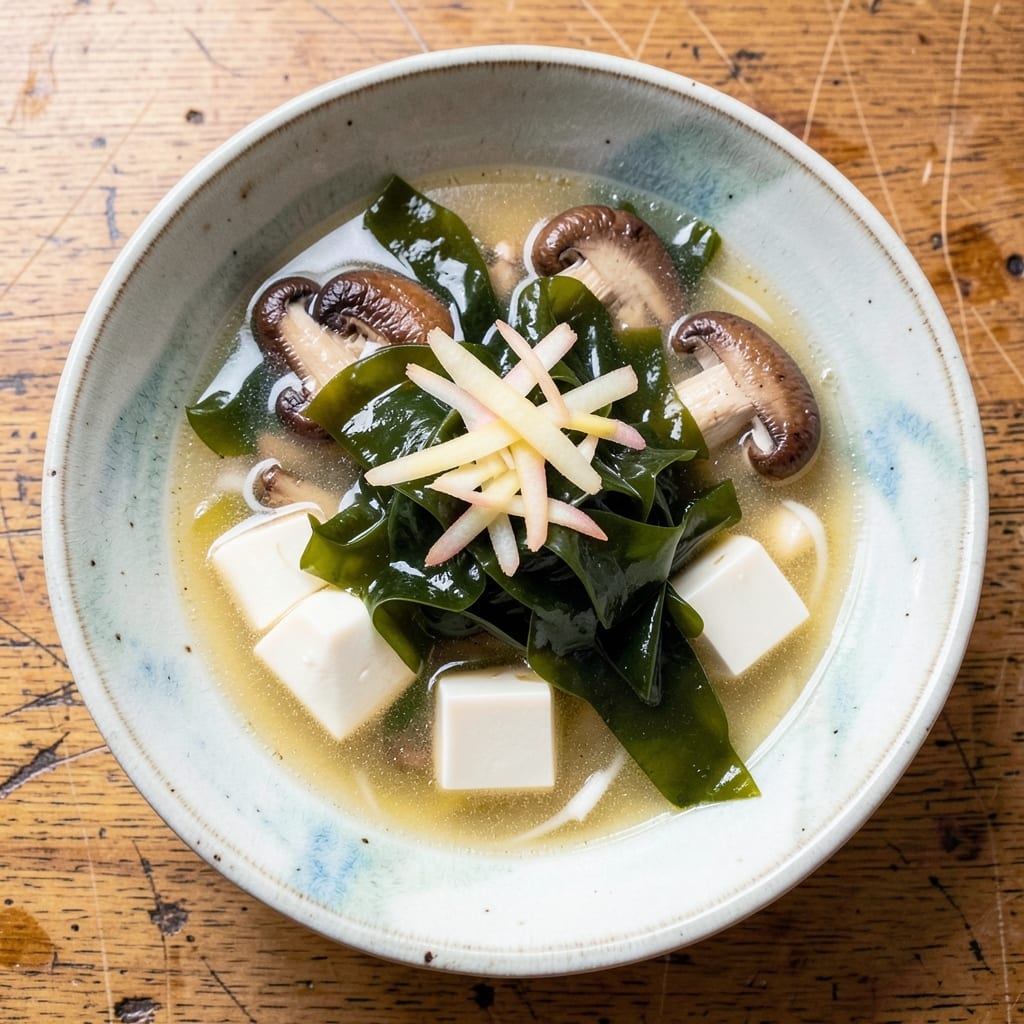
This algae soup recipe transforms oceanic flavors into a silky, nutrient-packed dish that balances earthy umami and delicate seaweed textures. The secret lies in carefully rehydrating dried seaweed and building a broth that highlights its natural brininess without overpowering it. I developed this recipe after discovering how versatile algae could be—packed with protein, iodine, and a depth of flavor that rivals traditional miso or kombu soups.
The foundation is a simple yet flavorful broth, where rehydrated nori or wakame infuses the liquid with its signature oceanic taste. Adding mushrooms and tofu introduces hearty texture, while a touch of citrus brightens the dish and cuts through the richness. This isn’t just a soup; it’s a nutrient-dense meal that delivers restaurant-quality umami with minimal effort.
What makes this recipe stand out is its adaptability—whether you’re making a light Japanese-inspired miso algae soup or a heartier Korean-style version with added vegetables. The key is balancing saltiness, acidity, and umami, ensuring every spoonful is harmonious. Garnish with sesame seeds or scallions for a final touch of freshness and crunch.
Perfect for vegans, seafood lovers, or anyone craving a nutrient boost, this soup is as nourishing as it is delicious. Ready in under 30 minutes, it’s the ideal weeknight meal that feels special enough for company. Let’s get cooking!
Ingredients for algae soup
Transform oceanic flavors into a nutrient-packed dish with these carefully balanced ingredients.
| Ingredient | Amount | Notes |
|---|---|---|
| Dried Wakame Seaweed 🌊 | 2 oz | Cut into 1-inch strips for even rehydration |
| Shiitake Mushrooms 🍄 | 8 whole | Stems removed, sliced thin |
| Silken Tofu 🧀 | 8 oz | Extra-firm preferred for texture |
| Dashi Broth 💧 | 4 cups | Store-bought or homemade kombu-based |
| White Miso Paste 🧂 | 2 tbsp | High-quality, fermented miso |
| Fresh Ginger 🧄 | 1 tbsp | Grated, organic preferred |
| Lemon Juice 🍋 | 1 tbsp | Freshly squeezed, bright flavor |
| Sesame Oil 🫒 | 1 tsp | Toasted, for aroma |
| Green Onions 🧅 | 3 whole | Thinly sliced, for garnish |
| Toasted Sesame Seeds 🥜 | 1 tbsp | For garnish, optional |
| Diamond Crystal Kosher Salt 🧂 | 1 tsp | Adjust to taste |
| Extra-Virgin Olive Oil 🫒 | 1 tbsp | For finishing drizzle |
The wakame seaweed is the heart of this soup—look for vibrant green, not grayish dried sheets at Asian markets or specialty grocers. Marukyu brand is my go-to for consistent quality. Shiitake mushrooms should be plump and firm, not shriveled. If using dried, rehydrate them first. The silken tofu adds protein and silkiness; extra-firm holds up better during cooking. For the dashi broth, store-bought kombu-based works perfectly if you're short on time, but homemade with kombu and bonito flakes delivers deeper umami. Whole Foods or Trader Joe's carry reliable options.
No wakame? Nori sheets work in a pinch—just tear them finely, but expect a stronger flavor. Substitute shiitake with cremini mushrooms if needed, though they lack the same earthy depth. For the ginger, freshly grated is non-negotiable—dried loses its brightness. The miso paste should be white or red, but avoid sweet miso. Lemon juice can be swapped for rice vinegar if you prefer a milder tang. Sesame oil is optional but adds nutty aroma—skip if avoiding raw sesame. Always toast your sesame seeds in a dry pan for 2-3 minutes before using; it enhances their flavor dramatically.
Store dried wakame in an airtight container away from light for up to 6 months. Rehydrated seaweed keeps 3 days in the fridge, but use it within 24 hours for peak texture. The broth can be prepped ahead and stored for 5 days. For meal prep, assemble the soup day-of—the tofu and mushrooms soften when reheated. Garnishes like sesame seeds and green onions stay fresh 5 days in the fridge if stored properly. This soup freezes beautifully for 3 months, though texture may slightly soften upon thawing—best for reheating as a quick lunch.
Why You'll Love This Recipe
- Five-Ingredient Magic: I swear, this soup comes together with just a handful of ingredients—no fancy prep, no stress. Soak the wakame for 10 minutes, slice the shiitakes, and you’re basically done. That’s it. The miso and dashi do all the heavy lifting.
- Umami Bomb: Between the shiitakes’ earthy depth, the wakame’s briny punch, and that creamy silken tofu—oh man, every spoonful is a flavor party. Honestly, I’ve made miso soup before, but this? It’s next-level without trying too hard.
- Lunchbox Hero: This soup reheats like a dream, so I make a big batch on Sundays and stash it for work lunches. Cold? Still delicious. Warm? Even better. My coworker asked for the recipe after one taste—(yes, even on a Tuesday night).
- Budget Meal Winner: Dried wakame and shiitakes last forever, and a little miso goes a long way. I’ve fed four people for under $10 with this—no compromises on taste, just smart shopping. Leftovers? They’re my secret weapon for lazy days.
Step-by-step instructions for algae soup with oceanic umami
Transform simple ingredients into a velvety algae soup where delicate textures meet deep umami.
Rehydrate and Prepare the Wakame Seaweed
Place the 2 oz dried wakame seaweed in a heatproof bowl and cover it completely with 4 cups hot dashi broth (just off the boil). Let it soak for 10-15 minutes until it expands to 3-4 times its original size and becomes tender but still holds its shape. The seaweed should look vibrant green and slightly translucent.
While the wakame soaks, remove stems from the 8 whole shiitake mushrooms and slice them thinly into ¼-inch pieces. Set aside in a separate bowl. This preparation ensures even cooking and maximum flavor extraction when we combine everything later. The mushrooms will release their earthy aroma as they rehydrate, so keep them covered until ready to use.
Build the Umami Base with Miso and Ginger
In a clean saucepan, combine the 2 tbsp white miso paste with 1 tbsp freshly grated ginger and stir until fully dissolved into the miso, creating a smooth paste. This step is crucial—it ensures the ginger's bright notes integrate perfectly into the soup's depth without clumping. Keep the mixture at room temperature to prevent the ginger from releasing bitterness.
Add the 4 cups dashi broth (now containing the rehydrated wakame) to the saucepan and bring to a gentle simmer over medium-low heat. Let it cook for 5 minutes, allowing the miso-ginger mixture to meld with the broth. You'll notice the liquid develop a rich, golden hue and a complex aroma that blends oceanic brininess with earthy warmth. This is where the soup's signature umami profile begins to form.
Incorporate Mushrooms and Silken Tofu
Add the sliced shiitake mushrooms to the simmering broth and cook for 4-5 minutes until they soften slightly but retain their shape. The mushrooms should release their juices, which will deepen the soup's earthy character. Avoid overcooking—they should remain tender with a slight chew, not mushy.
Reduce heat to low and gently fold in the 8 oz silken tofu, cutting it into ½-inch cubes with a sharp knife just before adding. The tofu's delicate texture will create a luxurious mouthfeel, contrasting beautifully with the seaweed's chewiness. Simmer for an additional 3 minutes, being careful not to let the tofu curdle—it should remain silky and intact.
Finish with Brightness and Garnishes
Remove the soup from heat and stir in 1 tbsp freshly squeezed lemon juice and 1 tsp sesame oil. The lemon juice cuts through the richness, adding a bright, citrusy finish that balances the soup's deep flavors. The sesame oil introduces a nutty aroma that enhances the overall complexity. Taste and adjust seasoning with 1 tsp diamond crystal kosher salt, adding more if needed to achieve a perfect balance of umami, saltiness, and acidity.
Ladle the soup into bowls and garnish each serving with thinly sliced green onions and a sprinkle of toasted sesame seeds. Drizzle with 1 tbsp extra-virgin olive oil just before serving to add a final layer of richness and visual appeal. The contrast of textures—silky tofu, chewy seaweed, and crisp garnishes—makes each spoonful a harmonious experience.
Pro Tips For Making Algae Soup
- SOAK WAKAME FIRST: Dried wakame absorbs liquid like a sponge—toss it in cold water for 10 minutes before cooking, not just a quick rinse. I learned this the hard way when my soup tasted like sawdust because I skipped it.
- SLICE SHIITAKES THIN: Thin shiitake slices (1/8-inch max) cook faster and stay tender—no one wants chewy mushrooms in broth. Use a sharp knife, or they’ll tear instead of slice cleanly.
- DILUTE MISO GRADUALLY: Whisk white miso into warm (not boiling) dashi first, then add broth—this prevents clumps that ruin the soup’s silky texture. Stir like you’re angry at the paste until it dissolves completely.
- CUBE TOFU LAST: Add silken tofu cubes right before serving so they stay intact and creamy, not turning to mush in the simmer. If you’re impatient, use a spoon to gently press them into the hot broth for 30 seconds.
Storing and reheating this dish
Broth Storage Secrets
The dashi broth is the soul of your algae soup, so store it properly to preserve its oceanic depth. After making the broth, let it cool to room temperature within 2 hours, then transfer to an airtight container with a lid. It keeps in the fridge for 5 days—the wakame flavor actually intensifies over time. For longer storage, freeze the broth in 1-cup portions using ice cube trays. Thaw overnight in the fridge before reheating. 💧
Rehydrated Seaweed Care
Rehydrated wakame loses its ideal texture after 24 hours, so use it fresh for the best chew. If you prepped ahead, store it in its broth in a sealed container and refrigerate. When reheating, gently warm the seaweed with broth on low heat for 3-4 minutes—never microwave it directly, or it’ll turn mushy. I like to reheat just the seaweed and mushrooms separately, then combine with fresh broth and tofu at the end.
Tofu Texture Hacks
Silken tofu is delicate when reheated, so handle it with care. If storing the soup, add the tofu fresh when reheating—it only needs 2-3 minutes on low heat to warm through. For extra insurance, cube the tofu slightly larger (¾ inch) before adding to the hot soup, as it shrinks during cooking. If your tofu curdles, it was exposed to too much heat—always reheat gently and never boil.
Garnish Freshness
Green onions and sesame seeds are best added fresh when serving, but you can prep them ahead. Store sliced green onions in a damp paper towel inside a sealed container for 5 days—the moisture keeps them crisp. Toast sesame seeds in a dry pan for 2-3 minutes and store in an airtight container at room temperature for up to 2 weeks. A drizzle of extra-virgin olive oil (stored in the fridge) adds richness without reheating.
Freezer-Friendly Tips
This soup freezes beautifully for 3 months, but texture changes are inevitable. Freeze the broth and rehydrated seaweed separately, then store the mushrooms and tofu in a separate container. When ready to eat, thaw everything overnight in the fridge, then reheat the broth and seaweed together on low heat. Add fresh tofu and mushrooms just before serving to restore their ideal texture. 🥶
Microwave Shortcuts
For quick reheating, transfer soup to a microwave-safe bowl and heat on 50% power for 1-2 minutes, stirring halfway. Add 1-2 tbsp water or broth if the soup looks too thick. If using leftovers, I recommend reheating only the broth and seaweed, then combining with fresh tofu and garnishes—this keeps the dish light and vibrant. Always taste after reheating and adjust salt or lemon juice as needed.
Nutrition facts
Frequently asked questions
Can I substitute wakame with other types of seaweed?
For a milder flavor, use nori sheets (tear into small pieces) or arame. Spirulina powder works too but has a stronger, grassier taste—start with ½ teaspoon and adjust. Avoid kelp (too fibrous) unless you're making a heartier broth. Each type brings different textures: wakame stays chewy, while nori dissolves slightly for a smoother finish.
How do I prevent the tofu from getting rubbery?
Use extra-firm silken tofu and cut it into ½-inch cubes right before adding to the hot soup. Never boil the tofu—keep heat at low and simmer for just 2-3 minutes. For extra tenderness, soak the tofu in cold water for 10 minutes before cubing. The key is gentle heat and minimal cooking time.
Can I make this soup spicier?
Yes! Add ½ teaspoon red pepper flakes or 1 teaspoon gochujang when finishing the soup. For heat without spice, try ½ teaspoon sriracha or a dash of chili crisp. Balance with extra lemon juice to brighten the flavors. Start with small amounts—seaweed already has a bold taste that can be overpowered by too much spice.
What if my broth tastes too salty?
Dilute with ½ cup water or vegetable broth and adjust seasoning with a splash of lemon juice or 1 teaspoon rice vinegar. If using store-bought dashi, check the label—some brands are saltier than homemade. For future batches, reduce miso to 1 tablespoon and taste as you go. The wakame itself adds natural saltiness, so go light on the miso.
Is this soup gluten-free?
Mostly! Check your miso paste and dashi broth labels—some contain wheat. For a gluten-free version, use tamari (gluten-free soy sauce) instead of miso and make kombu-based dashi without wheat. The recipe is naturally vegan, nut-free, and soy-free unless you add tofu (which contains soy). Always verify ingredient sources for hidden gluten.