
Soups & Stews
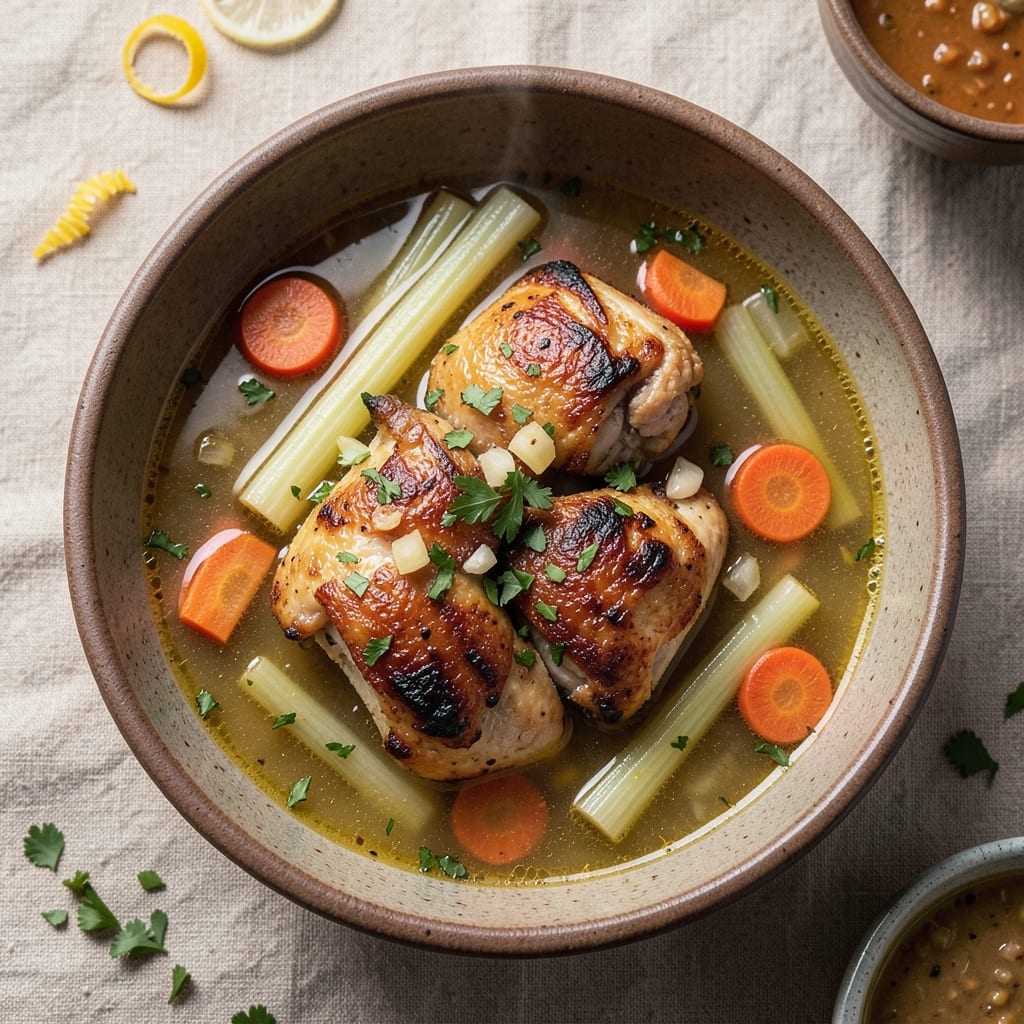
Aldi chicken soup recipe transforms simple pantry staples into hearty, comforting bowls of homestyle warmth that taste like they simmered all day. The secret lies in building rich flavor from affordable ingredients—think golden chicken thighs, carrot-orange depth, and celery's earthy backbone—all balanced with just the right pinch of thyme and bay leaf. This isn't your basic canned broth; it's a slow-built, aromatic foundation that turns basic vegetables into something extraordinary.
What makes this recipe work is the technique: browning the chicken first for deep color and flavor, then simmering it low and slow until the meat falls off the bone. The vegetables soften just enough to melt into the broth, while the pasta absorbs all that savory goodness. No fancy ingredients here—just smart shopping at Aldi and a little patience for maximum reward. The result? A bowl of soup so satisfying it feels like a hug on a chilly evening.
This recipe delivers restaurant-quality comfort without the restaurant price tag, using Aldi's budget-friendly essentials to create something truly special. The broth develops layers of flavor as it simmers, while the chicken becomes fork-tender and the vegetables caramelize slightly at the edges. Every spoonful is packed with homestyle warmth, proving that great soup doesn't require expensive ingredients—just good technique and a little love.
Perfect for meal prep or serving to a crowd, this chicken soup scales beautifully while maintaining its rich, balanced flavors. The leftovers actually taste better the next day as the flavors continue to meld. Whether you're feeding a family or just craving a comforting bowl, this recipe delivers hearty, satisfying results that will have everyone asking for seconds.
Ingredients for aldi chicken soup
These budget-friendly staples from Aldi transform into rich, comforting chicken soup that tastes homemade.
| Ingredient | Amount | Notes |
|---|---|---|
| Chicken Thighs, Bone-In 🍗 | 2 ½ lb | Skin-on, trimmed of excess fat |
| Carrots 🥕 | 4 medium | Peeled, cut into 1-inch chunks |
| Celery Sticks 🧅 | 4 whole | Trimmed, cut into 1-inch pieces |
| Yellow Onion 🧅 | 1 whole | Peeled, chopped into wedges |
| Garlic Cloves 🧄 | 4 cloves | Peeled, lightly smashed |
| Chicken Broth 💧 | 6 cups | Low-sodium preferred, or water |
| Dried Thyme 🌿 | 1 tsp | Or 1 tbsp fresh thyme leaves |
| Bay Leaves 🍃 | 2 whole | Dried, standard size |
| Salt 🧂 | 1 ½ tsp | Kosher or sea salt, adjust to taste |
| Black Peppercorns 🌶️ | ½ tsp | Freshly cracked preferred |
| Uncooked Pasta 🍝 | 1 lb | Small shapes like ditalini or orzo |
| Olive Oil 🫒 | 2 tbsp | For browning chicken |
| Orange Peel 🍊 | 1 tbsp | Finely grated, organic preferred |
| Fresh Parsley 🌿 | ¼ cup | Chopped, for garnish (optional) |
Aldi's chicken thighs are the star here—bone-in, skin-on for maximum flavor, and they're often priced just right. Look for the pre-cut bone-in thighs in the meat section, usually around $1.50/lb or less. The carrots and celery should be firm with vibrant color—skip any with soft spots or wilted tops. Yellow onions work best for this recipe; red onions are too sharp. For the broth, Great Value low-sodium chicken bouillon is a game-changer (just add water), but if you're using water, add an extra pinch of salt later. The bay leaves are non-negotiable for that classic soup depth, and dried thyme is more affordable than fresh for this application.
No chicken broth? Water plus 2 chicken bouillon cubes works perfectly—just check the sodium content. Swap the thyme for 1 tbsp fresh thyme leaves if you've got them, but dried works just as well. The orange peel adds a bright note that cuts through the richness; if you don't have an orange, 1 tsp orange zest from a bagged variety works in a pinch. For the pasta, ditalini or small shells hold up best in soups, but any small shape works. The carrots and celery can be prepped ahead and stored in the fridge for up to 5 days—just keep them dry in a sealed container. And if you're feeling fancy, add a splash of white wine (about 2 tbsp) when browning the chicken for extra depth.
This soup tastes even better the next day as the flavors meld, so make a double batch if you can. Store leftovers in the fridge for up to 5 days in an airtight container, or freeze for 3 months—the broth actually improves with time. For meal prep, portion into soup jars with the pasta on top so it doesn't get mushy. The chicken thighs will keep in the fridge for 3 days before cooking, and the vegetables stay fresh for 1 week if stored properly. Garnish with fresh parsley just before serving to keep it vibrant—it's the perfect finishing touch that makes this feel restaurant-quality.
Why You'll Love This Recipe
- One-Pan Wonder: I swear by this recipe because it’s literally one pot—no chopping boards, no extra pans. Toss in the bone-in chicken thighs, dump in the Aldi carrots and celery (pre-cut if you’re lazy), and let the onion and garlic mellow into the broth. By the time the chicken falls off the bone, your kitchen’s cleaner than if you’d made a fancy casserole.
- Crispy-Creamy Magic: That bone-in chicken? It’s the secret weapon—juicy, tender, and the broth gets rich from the marrow. The carrots stay slightly crisp while the celery softens just enough, and the garlic? Oh, it’s there—like a warm hug in every spoonful. (Yes, even on a Tuesday night.)
- Lunchbox Hero: Between us, this soup is my go-to for meal prep. The leftovers reheat like a dream—no soggy veggies, no dry chicken. Pack it in jars for work or school, and it’s still hearty enough to fill you up. My kids actually ask for seconds, and that’s saying something.
- Budget That Works: Aldi’s bone-in thighs and fresh veggies make this soup ridiculously affordable—no fancy ingredients, just good stuff. A single batch feeds four, and the leftovers stretch for another meal. Honestly, it’s the kind of recipe that makes grocery shopping feel like a win.
Step-by-step instructions for pantry-to-pot chicken soup
This hearty soup transforms simple pantry staples into a comforting meal with rich layers of flavor.
Brown the Chicken for Deep Flavor
Heat the 2 tablespoons olive oil in a large Dutch oven over medium-high heat. Pat the 2.5 pounds chicken thighs dry with paper towels—this ensures a good sear. Place the thighs skin-side down and cook undisturbed for 8-10 minutes until the skin is deep golden brown and crispy.
Flip the thighs and cook for another 5-6 minutes until the meat reaches 165°F internally. Remove the chicken from the pot and set aside on a plate. The browned skin and meat will infuse the broth with rich, savory depth—don't skip this step. Leave the rendered fat in the pot; it's the foundation of your soup's flavor.
Sauté Vegetables and Aromatics
In the same Dutch oven, add the 1 whole yellow onion, 4 medium carrots, and 4 whole celery sticks, all cut as specified. Cook over medium heat for 8-10 minutes, stirring occasionally, until the vegetables soften and the onion becomes translucent.
Add the 4 cloves garlic and 1 tablespoon orange peel to the pot. Stir for 1 minute until the garlic is fragrant—this releases its sweet, aromatic oils. The orange peel adds a subtle citrus brightness that balances the hearty flavors. Be careful not to let the garlic burn; it should sizzle gently rather than darken.
Build the Broth with Herbs and Seasonings
Pour in the 6 cups chicken broth and scrape up any browned bits from the bottom of the pot with a wooden spoon. This deglazing step captures all the flavor locked in those crispy chicken bits. Add the 2 whole bay leaves, 1 teaspoon dried thyme, 1.5 teaspoons salt, and 0.5 teaspoon black peppercorns. Bring the mixture to a gentle boil over high heat, then reduce to a simmer.
Return the chicken thighs to the pot, skin-side up. Partially cover and simmer for 30 minutes. This allows the chicken to cook through gently while infusing the broth with its juices. The soup should smell rich and aromatic—like a warm hug in a bowl. If the liquid reduces too much, add ½ cup water to maintain the right consistency.
Cook the Pasta to Perfection
While the chicken simmers, prepare the 1 pound uncooked pasta according to package instructions for al dente texture. Drain and set aside, reserving ½ cup pasta water. The starchy water helps create a silky soup texture.
Remove the chicken thighs from the broth and let them rest on a cutting board for 5 minutes. Shred the meat using two forks, discarding any bones or excess fat. Return the shredded chicken to the pot and stir in the cooked pasta. If the soup seems too thick, add 2-3 tablespoons of reserved pasta water to loosen it to your desired consistency.
Finish and Serve with Fresh Herbs
Remove the bay leaves from the soup and discard them. Taste and adjust the seasoning with additional salt or pepper if needed. The soup should be well-seasoned but not overly salty—balance is key. Stir in the ¼ cup chopped fresh parsley just before serving to add a bright, fresh finish.
Ladle the soup into bowls and serve immediately. Each spoonful should deliver tender chicken, hearty vegetables, and a rich, aromatic broth that warms from the inside out. The orange peel and herbs create a subtle complexity that elevates this simple pantry soup into something truly special. Enjoy with crusty bread to soak up every last drop of flavor.
Pro Tips For Making Aldi Chicken Soup
- CRISP THE SKIN FIRST: If your bone-in chicken thighs are still attached, sear them skin-side down in a dry pot for 6-8 minutes before adding broth. I used to skip this step with Aldi’s budget-friendly thighs, and the soup always tasted underwhelming—now they render fat and flavor into the broth like a pro.
- CHOP VEGETABLES UNIFORM: Cut carrots into ½-inch chunks and celery sticks into ¼-inch slices—no need for perfection, but avoid leaving any piece larger than a nickel. I learned this the hard way when my first batch had one stubborn carrot chunk that stayed rock-hard while everything else melted into the broth.
- DON’T BOIL THE GARLIC: Add whole garlic cloves to the pot after the chicken and veggies have simmered for 15 minutes, then remove them before serving. I was skeptical until I tried it—burnt garlic ruins the whole dish, and this keeps it mellow but flavorful without the bitterness.
- SALT THE BROTH LATE: Hold off on adding salt until the soup has simmered for at least 20 minutes—this lets the chicken and veggies release their natural flavors first. I used to salt early, and the broth always tasted flat; now it’s rich and balanced every time.
Troubleshooting this recipe
Broth Too Weak?
If your broth tastes bland, it’s likely because the chicken wasn’t browned enough or the vegetables weren’t cooked long enough to release their natural sweetness. For next time, sear the chicken skin until deep golden brown—this adds rich, savory depth. Also, simmer uncovered for an extra 10-15 minutes after adding broth to let the flavors concentrate. A splash of white wine (2 tbsp) when deglazing can also add complexity. 💡
Pasta Mushy?
Overcooking pasta in soup happens when it absorbs too much liquid. Cook pasta al dente (1 minute less than package instructions) and reserve ½ cup pasta water—this starchy liquid helps thicken the soup naturally. Add pasta directly to the simmering broth for just 2-3 minutes to finish cooking, stirring occasionally. If it still seems mushy, drain and rinse briefly under cold water before adding back. 🍲
Vegetables Too Crunchy?
Hard vegetables mean the soup didn’t simmer long enough. After adding broth, cover and simmer for 20-25 minutes before adding pasta—this ensures carrots and celery soften while retaining shape. For extra tenderness, cut vegetables slightly smaller (¼-inch pieces) or add a pinch of baking soda (⅛ tsp) to the pot—it helps break down fibers. 🥕
Chicken Too Tough?
Overcooked chicken happens when it simmers too long. Remove thighs after 30 minutes (not 45+), even if they don’t shred easily. Let them rest 10 minutes before shredding—they’ll become fork-tender. For extra juiciness, cover the pot tightly while simmering to trap steam. If the meat is still tough, blend ½ cup broth with 1 tbsp butter and swirl it into the soup for richness. 🍗
Soup Too Salty?
Prevent over-salting by tasting the broth before adding pasta. If it’s too salty, add 1-2 potatoes (peeled and cubed)—they absorb excess salt as they cook. For a quick fix, stir in ½ cup plain Greek yogurt or sour cream (tempered with broth first) to balance flavors. If using bouillon, reduce to 1 cube instead of 2 for low-sodium control. 🧂
Grainy Texture?
This usually means the broth wasn’t strained or the chicken wasn’t shredded finely enough. Strain the broth through a fine-mesh sieve after simmering to remove any sediment. For shredding, use two forks and pull the meat apart against the grain—this creates tender strands. If the texture is still off, blend 1 cup broth until smooth and stir it back in for a velvety finish. 💫
Nutrition facts
Frequently asked questions
Can I use chicken breasts instead of thighs for this soup?
Chicken breasts will work, but thighs are ideal for this recipe because they stay juicier and more flavorful during long simmering. If using breasts, cut them into 1-inch cubes and cook them for only 15-20 minutes after adding to the broth to prevent drying out. For extra richness, marinate the breasts in 1 tbsp olive oil, 1 tsp garlic powder, and ½ tsp paprika for 30 minutes before cooking.
How can I make this soup vegetarian?
Swap the chicken for 1 lb extra-firm tofu or 12 oz mushrooms (cremini or portobello). For tofu, press and cube it, then pan-fry until golden before adding to the broth. Use 6 cups vegetable broth instead of chicken broth and add 1 tsp smoked paprika for depth. The orange peel and herbs will still shine in a plant-based version!
Can I prep this soup ahead of time?
This soup tastes even better the next day as flavors meld. Cook everything except the pasta, then store the broth, chicken, and vegetables in an airtight container for up to 5 days in the fridge. When ready to serve, cook the pasta separately and add it to the hot soup just before serving. For freezing, package the soup (without pasta) for up to 3 months—just reheat gently and add fresh pasta when serving.
What's the best pasta shape for this soup?
Small shapes like ditalini, orzo, or small shells work best because they hold up well in broth without turning mushy. For extra heartiness, try ½ lb ditalini and ½ lb small pasta shells—the shells catch broth beautifully. Avoid long pasta like spaghetti, as it breaks easily. Cook pasta al dente and add it to the soup just 2-3 minutes before serving to prevent overcooking.
Why does my soup taste different from yours?
Flavor variations come from ingredient quality and technique! Use bone-in, skin-on chicken thighs for maximum richness, and always brown the chicken well before adding broth. Aldi's Great Value chicken bouillon adds depth, but if using water, add an extra pinch of salt. The orange peel and fresh herbs make a big difference—don't skip them! Taste as you go and adjust seasoning gradually.