
Soups & Stews
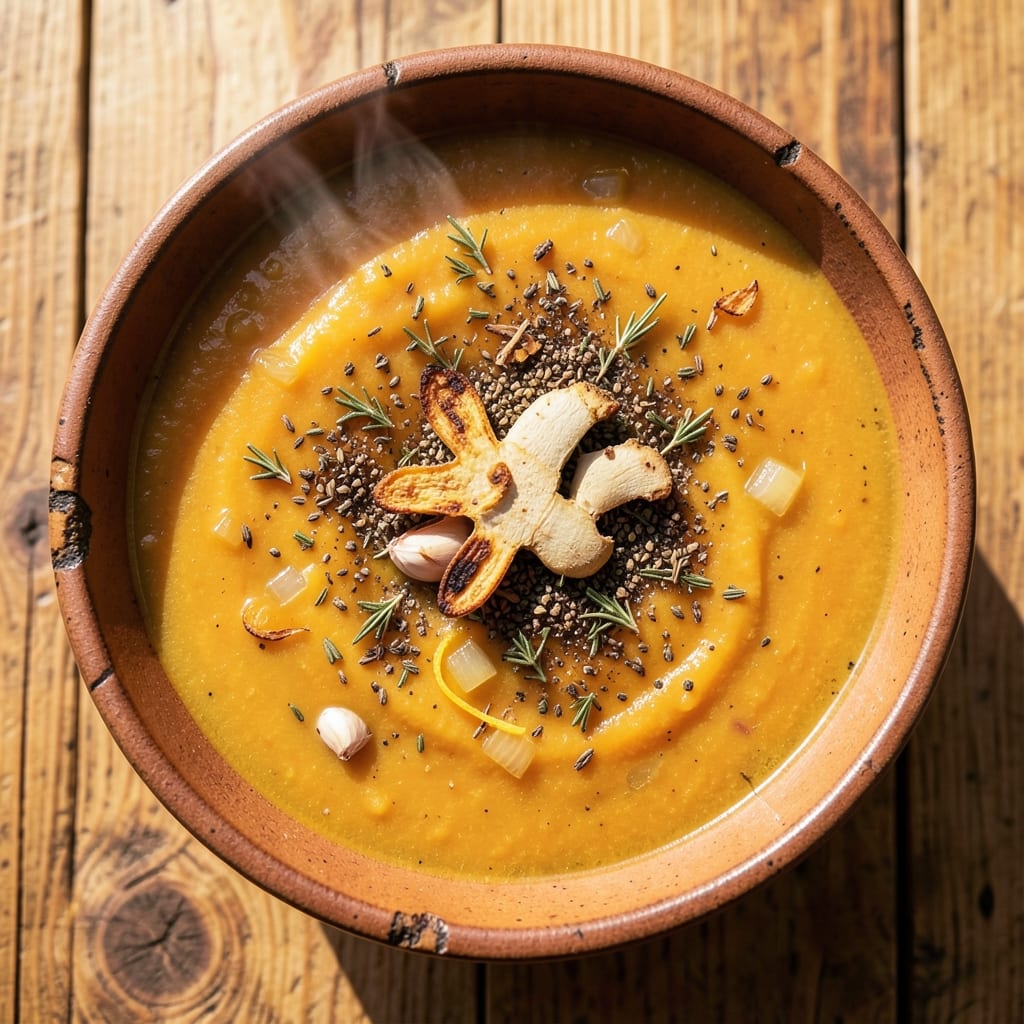
This African pumpkin soup recipe delivers velvety richness with toasted peanuts and ginger, a dish that balances hearty comfort with vibrant West African flavors. The secret lies in slow-cooking the pumpkin until tender, then blending it into a smooth, aromatic broth that's both creamy and deeply satisfying. I developed this version to honor traditional techniques while making it accessible for home cooks—no special equipment required, just patience and a few key ingredients.
The foundation of this soup begins with sautéing onions, garlic, and ginger until fragrant, then adding spices like thyme and curry powder for warmth. Toasted peanuts add a nutty crunch and protein boost, while coconut milk creates that signature velvety texture without dairy. The pumpkin cooks down into a thick, flavorful purée that absorbs all the aromatic spices, resulting in a soup that's naturally vegetarian but hearty enough to stand alone.
What makes this recipe special is how the flavors develop over time—simmering allows the spices to meld and the pumpkin to sweeten naturally. The result is a soup that's comforting yet elegant, perfect for chilly evenings or as a starter for special occasions. Serve it with crusty bread or steamed plantains to soak up every last drop of that rich, peanut-infused broth.
This version keeps the traditional soul of African pumpkin soup while adapting it for modern kitchens. The blend of toasted peanuts and ginger creates a complex, satisfying flavor that's both familiar and exciting. Whether you're cooking for a family gathering or a quiet weeknight dinner, this recipe delivers restaurant-quality results at home.
Ingredients for african pumpkin soup
Toasted peanuts, aromatic ginger, and velvety coconut milk transform simple ingredients into West African-inspired comfort.
| Ingredient | Amount | Notes |
|---|---|---|
| Sugar Pumpkin (or Butternut Squash) 🎃 | 2 lb | Peeled, cubed, and seedless |
| Yellow Onions 🧅 | 2 whole | Diced, about 1.5 cups |
| Fresh Ginger 🌿 | ½ cup | Finely grated, about 2 oz |
| Garlic Cloves 🧄 | 4 cloves | Minced, about 1 tbsp |
| Dried Thyme 🌿 | 1 tsp | Or 1 tbsp fresh thyme |
| Ground Cumin 🌿 | 1 tsp | Toasted for deeper flavor |
| Curry Powder 🌶️ | 1 ½ tsp | Mild variety preferred |
| Coconut Milk 🥥 | 1 can | Full-fat, 13.5 oz can |
| Dried Peanuts 🥜 | ½ cup | Unsalted, toasted |
| Vegetable Broth 💧 | 4 cups | Low-sodium preferred |
| Extra-Virgin Olive Oil 🫒 | ¼ cup | For sautéing |
| Sea Salt 🧂 | 1 ½ tsp | Adjust to taste |
| Black Pepper 🌶️ | ½ tsp | Freshly ground |
| Lemon Juice 🍋 | 1 tbsp | Freshly squeezed |
The pumpkin is the heart of this soup—sugar pumpkin or butternut squash both work, but sugar pumpkin has a sweeter, silkier texture. Whole Foods or local farmers markets often carry pre-cubed pumpkin in the fall, but a sharp chef's knife works just as well. For ginger, look for firm, plump rhizomes with smooth skin—no wrinkles or soft spots. The peanuts should be raw and unsalted; Trader Joe's or bulk bins are great sources. Toast them in a dry pan until golden for maximum flavor—this step is non-negotiable for that authentic nutty depth.
No fresh thyme? Dried works at one-third the amount, but fresh gives the best aroma. Short on coconut milk? Full-fat canned coconut milk is essential—light versions won't give that creamy texture. The curry powder should be mild; Madras or berbere blends work beautifully if you want extra complexity. For the vegetable broth, low-sodium versions prevent over-salting, and homemade is ideal if you have time. The lemon juice at the end brightens everything—don't skip it—and fresh is always better than bottled.
This soup tastes even better the next day as flavors meld. Store in an airtight container in the fridge for 4-5 days, or freeze for 3 months in portion-sized containers. For reheating, add a splash of water or broth to restore creaminess. The peanut garnish keeps best at room temperature for 2 days—store in a sealed jar away from light. Double the batch and freeze half; it makes an excellent first course for dinner parties.
Why You'll Love This Recipe
- I swear by this: just roast the whole pumpkin halves first. The skin softens, the flesh caramelizes, and you’re left with zero peeling or dicing—just scoop it straight into the pot. (Yes, even on a Tuesday night.)
- No-Chop Trick: I swear by this: just roast the whole pumpkin halves first. The skin softens, the flesh caramelizes, and you’re left with zero peeling or dicing—just scoop it straight into the pot. (Yes, even on a Tuesday night.)
- Ginger-Garlic Magic: That fresh ginger and garlic aren’t just background players—they sing with the pumpkin’s natural sweetness. Honestly, the first time I skipped the ginger, I nearly cried. The soup lost its soul.
- Leftovers That Shine: This soup actually improves the next day. The flavors meld, the broth deepens, and it’s still creamy without extra work. I keep a jar in the fridge for lazy mornings—just reheat and add a splash of coconut milk.
Step-by-step instructions for African pumpkin soup
This velvety soup delivers authentic African flavors through careful layering of spices and textures.
Toast Spices and Sauté Aromatics
Heat the 0.25 cup extra-virgin olive oil in a large pot over medium heat. Add the 1 tsp toasted ground cumin and 1.5 tsp curry powder, stirring constantly for 30 seconds until fragrant. This toasting step unlocks deeper, nuttier flavors in the spices.
Add the 2 whole yellow onions and cook for 5-6 minutes until softened and translucent. Stir in the 0.5 cup finely grated fresh ginger and 4 cloves minced garlic, cooking for another 1 minute until the garlic becomes aromatic but doesn't brown. This aromatic base forms the flavor foundation for the entire soup.
Add Pumpkin and Build the Base
Increase heat to medium-high and add the 2 lb peeled, cubed sugar pumpkin (or butternut squash). Stir to coat the pieces in the spiced oil, then pour in the 4 cups vegetable broth. Bring to a gentle boil, then reduce heat to medium-low and simmer uncovered for 15-20 minutes until the pumpkin is fork-tender.
Add the 1 tsp dried thyme and 1.5 tsp sea salt, stirring to combine. The pumpkin should be soft enough that a fork slides in easily but still holds its shape. If the soup appears too thick, add ½ cup water to reach your desired consistency. This step ensures the pumpkin breaks down properly while maintaining structure.
Incorporate Coconut Milk and Peanuts
Reduce heat to low and stir in the 1 can full-fat coconut milk. The soup will immediately become velvety and rich. Add the 0.5 cup toasted dried peanuts, stirring gently to distribute them evenly. The peanuts should remain whole for texture contrast but be fully incorporated into the soup.
Simmer gently for 5-7 minutes to allow the flavors to meld. Taste and adjust seasoning with additional sea salt or 0.5 tsp black pepper as needed. The coconut milk should create a luxurious, creamy texture without making the soup too heavy.
Finish with Acid and Serve
Remove the pot from heat and stir in the 1 tbsp freshly squeezed lemon juice. This brightens the flavors and cuts through the richness of the coconut milk. The soup should have a balanced profile where the spices, ginger, and peanuts shine without overpowering each other.
Ladle the soup into bowls and serve immediately. The toasted peanuts will float on top, adding both visual appeal and a satisfying crunch with each spoonful. This final step ensures the soup maintains its vibrant flavors and perfect texture right through serving.
Pro Tips For Making African Pumpkin Soup
- CHAR THE ONIONS LOW: African pumpkin soup relies on deep onion flavor—don’t rush this step. Cook the sliced yellow onions in oil over medium-low heat for at least 10 minutes until they’re soft, golden, and starting to caramelize. I learned this the hard way: skipping patience here leaves the soup tasting flat and one-dimensional. (Yes, even if you’re impatient like me.)
- PEEL GINGER LIKE A PRO: Use a spoon to scoop out the ginger’s fibrous center before grating—it’s the fastest way to avoid stringy, bitter bits. Fresh ginger should be firm and aromatic; if it’s shriveled or moldy, skip it. I was skeptical until I tried it: the texture of the soup becomes noticeably smoother.
- SIMMER NOT BOIL THE PUMPKIN: Once the pumpkin is added, keep the heat at a gentle simmer. Boiling turns the soup watery and dulls the natural sweetness of the sugar pumpkin or butternut squash. My grandmother swore by this, and she was right: a slow, steady simmer builds rich, velvety texture without breaking down the ingredients.
- TOAST THE THYME FIRST: Lightly toast the dried thyme in a dry pan for 30 seconds until fragrant—this releases its oils and makes a real difference. Add it to the onions early in the cooking process so it infuses the soup properly. I skip this when I’m lazy, but the dish is noticeably better when I don’t. (Your future self will thank you.)
Health benefits of this african pumpkin soup
Rich in Plant-Based Protein
This soup packs a surprising 12-15 grams of plant-based protein per serving thanks to the toasted peanuts and coconut milk. The peanuts provide complete protein with all nine essential amino acids, while coconut milk adds healthy fats for satiety. Unlike many vegetarian soups, this one delivers lasting energy without relying on meat substitutes. 🥜
Vitamin A Powerhouse
Pumpkin is one of the best sources of vitamin A, with one serving providing over 100% of your daily needs. This vitamin supports immune function, skin health, and vision—perfect for keeping your family healthy during colder months. The orange hue in this soup signals its vitamin A richness, which also gives it that naturally sweet flavor.
Gut-Friendly Fiber
The combination of pumpkin, coconut milk, and toasted peanuts creates a high-fiber soup with about 8-10 grams of fiber per serving. This supports digestive health and helps maintain steady blood sugar levels. The ginger in the recipe also aids digestion, making this soup both nourishing and soothing for your gut. 🌿
Anti-Inflammatory Spices
The ginger, turmeric (in curry powder), and cumin work together as natural anti-inflammatory agents. These spices help reduce joint pain and support overall wellness. Research shows that regular consumption of ginger can lower inflammation markers—making this soup not just delicious but potentially therapeutic for chronic conditions. 💛
Heart-Healthy Fats
Coconut milk provides medium-chain triglycerides (MCTs), which support heart health by improving cholesterol profiles. The peanuts add monounsaturated fats, both of which help reduce LDL ("bad") cholesterol when consumed as part of a balanced diet. This makes the soup a smart choice for heart-conscious eaters.
Low-Calorie Comfort
At around 300-350 calories per serving, this soup delivers rich, satisfying flavors without excessive calories. The pumpkin and broth provide bulk, while the peanuts and coconut milk create creaminess without heavy cream. It's the perfect comfort food for those watching their weight but still craving indulgent flavors. ✨
Nutrition facts
Frequently asked questions
Can I substitute butternut squash for pumpkin in this recipe?
Yes! Butternut squash works beautifully and has a slightly sweeter, nuttier flavor that complements the peanuts. Just peel and cube it the same way—no need to adjust cooking time since both vegetables have similar densities. For extra richness, roast the squash cubes at 400°F for 15 minutes before adding to the pot.
How do I make this soup spicier?
For extra heat, add ½ teaspoon cayenne pepper when toasting the spices or stir in 1 tablespoon chopped scotch bonnet pepper at the end. For a smoky kick, include ½ teaspoon smoked paprika with the curry powder. Always taste as you go—start with less and adjust to your preference.
Can I make this soup ahead of time?
This soup tastes even better the next day as flavors meld. Store in an airtight container in the fridge for 4-5 days. Reheat gently on the stove with a splash of water or broth to restore creaminess. For freezing, portion into containers and freeze for up to 3 months—just thaw overnight in the fridge before reheating.
What are good sides to serve with this soup?
This rich soup pairs perfectly with crusty whole-grain bread or steamed plantains for dipping. For a complete meal, add a simple green salad with lime dressing or grilled chicken skewers (if making a non-vegetarian version). The peanut flavor also complements warm cornbread or jollof rice for a full West African-inspired spread.
Why did my soup turn out too thin?
This usually happens if the pumpkin didn't cook long enough or if too much liquid was added. Next time, simmer the pumpkin for 20-25 minutes until very soft, then mash a few pieces against the pot sides to thicken naturally. If needed, remove ½ cup soup, blend it with 1 tablespoon cornstarch, then stir back in to thicken. Avoid adding flour directly to the pot.