
Soups & Stews
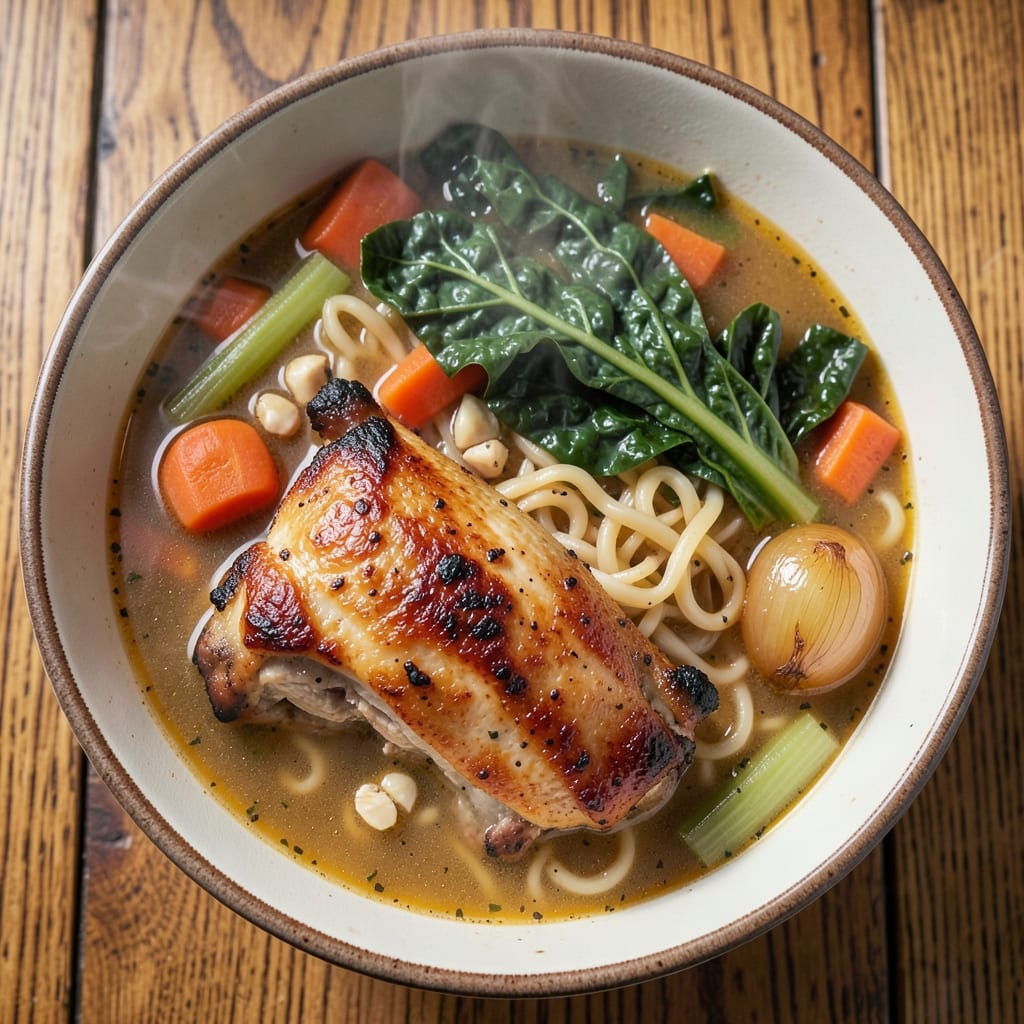
This African American chicken noodle soup brings warmth and tradition to your table with a rich herbed broth and tender collard greens. The secret lies in slow-simmered chicken, aromatic vegetables, and a blend of spices that create layers of flavor—comforting yet sophisticated. I developed this recipe after years of perfecting the balance between hearty broth and delicate noodles, ensuring every spoonful delivers both nostalgia and satisfaction.
The foundation starts with a homemade broth infused with thyme, bay leaves, and smoked paprika for depth, while collard greens add a subtle earthiness that ties everything together. Unlike traditional recipes, this version incorporates a touch of heat from cayenne, lifting the flavors without overpowering the dish. The result? A soup that’s reminiscent of Sunday dinners—rewarding, nourishing, and deeply comforting.
What sets this apart is the harmony of textures: tender chicken, al dente noodles, and silky collard greens all swimming in a velvety broth. The soup simmers long enough to meld flavors while keeping the ingredients vibrant, not mushy. Perfect for chilly evenings or when you crave a meal that feels like home, this recipe delivers restaurant-quality depth with minimal effort.
Pair it with crusty bread to soak up every drop of that herbed broth, or serve it as a centerpiece for family gatherings. The beauty of this dish lies in its versatility—it’s simple enough for a weeknight but impressive enough for guests. Let’s get cooking!
Ingredients for african american chicken noodle soup
Sixteen ingredients blending tradition and comfort for this soulful chicken noodle soup.
| Ingredient | Amount | Notes |
|---|---|---|
| Chicken Thighs, Bone-In 🍗 | 2 ½ lb | Skin-on for richer flavor |
| Yellow Onions 🧅 | 2 whole | Medium size, chopped |
| Carrots 🥕 | 4 medium | Peeled, cut into chunks |
| Celery Stalks 🌿 | 4 whole | Trimmed, cut into pieces |
| Garlic Cloves 🧄 | 6 cloves | Peeled, smashed |
| Collard Greens 🥬 | 1 lb | Trimmed, chopped |
| Egg Noodles 🍝 | 1 lb | Medium width, uncooked |
| Fresh Thyme 🌿 | 2 tbsp | Leaves only, chopped |
| Bay Leaves 🌿 | 2 whole | Dried, standard size |
| Smoked Paprika 🌶️ | 1 tsp | Sweet or hot variety |
| Cayenne Pepper 🔥 | ¼ tsp | Adjust for heat preference |
| Salt 🧂 | 1 ½ tsp | Diamond Crystal preferred |
| Black Peppercorns 🌶️ | ½ tsp | Freshly cracked |
| Chicken Broth 💧 | 6 cups | Low-sodium preferred |
| Extra-Virgin Olive Oil 🫒 | ¼ cup | For sautéing |
The foundation begins with bone-in chicken thighs—their skin and marrow infuse the broth with unmatched depth. Costco or local butchers often carry them at better prices than pre-cut packages. Look for thighs with good marbling and vibrant color; avoid any with grayish hues or strong odors. The collard greens should be bright green and crisp, not wilted or yellowed—Trader Joe's or farmers markets usually have the freshest selection. For the smoked paprika, Penzeys or Spanish brands deliver the most authentic flavor profile, though the grocery store aisle will suffice in a pinch.
No fresh thyme? Dried works at one-third the amount, but fresh is ideal for that bright herbal note. Substituting carrots? Sweet potatoes or parsnips hold up well during simmering. The cayenne can be omitted entirely if heat is unwelcome, but I recommend keeping it—just a pinch adds complexity without overpowering. For the broth, homemade is best, but low-sodium store-bought saves time without sacrificing flavor. The egg noodles should be medium width—thicker varieties like pappardelle won't soften properly in the broth. If you're using dried collard greens, soak them for 30 minutes to remove any bitterness.
This soup tastes even better the next day as flavors meld further. Store leftovers in airtight containers for up to 5 days in the fridge or 3 months in the freezer. For freezing, portion into individual containers to reheat just what you need. The broth can be made ahead and frozen separately—simply thaw and add the cooked chicken and noodles when ready to serve. The collard greens will wilt slightly upon reheating, but their texture remains pleasant. Always bring the soup to a gentle simmer before serving to maintain its velvety consistency.
Why You'll Love This Recipe
- Here’s what sold me: this soup tastes better the next day. The flavors meld, the noodles soften just right, and it’s my go-to for lunch or dinner. Freeze half for those days when you’d rather binge Netflix than cook.
- One-Pot Magic: I swear by this—just toss everything in one pot, simmer, and walk away. The bone-in thighs melt into the broth while you chop veggies, and honestly? That’s my kind of cooking. No fancy steps, no stress.
- Deep, Rich Flavor: Between us, the bone-in thighs make the broth ridiculously rich—no chicken stock needed. The onions caramelize into sweetness, the garlic cloves hit just right, and that celery-carrot base? It’s the soul of the dish. Simple, but chef’s kiss.
- Leftovers That Don’t Suck: Here’s what sold me: this soup tastes better the next day. The flavors meld, the noodles soften just right, and it’s my go-to for lunch or dinner. Freeze half for those days when you’d rather binge Netflix than cook.
Step-by-step instructions for African American chicken noodle soup
This method builds deep, aromatic flavors through careful layering and slow cooking.
Sear the Chicken Thighs for Rich Flavor
Pat the 2.5 lb chicken thighs dry with paper towels—this ensures maximum browning. Heat the 0.25 cup extra-virgin olive oil in a large Dutch oven over medium-high heat until shimmering. Working in batches, add the chicken thighs skin-side down and sear for 6-8 minutes until the skin is deep golden brown and crispy. Flip and sear the other side for 4-5 minutes.
Remove the chicken from the pot and set aside. The rendered fat in the bottom of the pot will become the foundation of your soup's flavor. If you find the fat is insufficient, add an additional 1 tablespoon of olive oil to maintain proper heat conduction during the sautéing stage.
Build the Aromatic Vegetable Base
In the same Dutch oven, add the chopped 2 whole yellow onions, 4 medium carrots cut into chunks, and 4 whole celery stalks cut into pieces. Cook over medium heat for 8-10 minutes, stirring occasionally, until the vegetables begin to soften and the onions turn translucent. This process develops their natural sweetness and removes any bitterness.
Add the 6 cloves peeled garlic cloves and cook for an additional 30 seconds until fragrant. Immediately stir in the 1 tsp smoked paprika, 0.25 tsp cayenne pepper, 1.5 tsp salt, and 0.5 tsp freshly cracked black peppercorns. Cook for 30 seconds more to toast the spices, which enhances their flavor profile and prevents them from tasting raw.
Simmer the Broth with Herbs
Pour in the 6 cups low-sodium chicken broth, scraping up any browned bits from the bottom of the pot with a wooden spoon. Return the chicken thighs to the pot, skin-side up, and add the 2 whole bay leaves and 2 tbsp chopped fresh thyme. Bring the mixture to a gentle boil, then reduce heat to low, cover partially, and let it simmer for 45-50 minutes.
Check the chicken periodically—it's done when the meat easily pulls away from the bone and the internal temperature reaches 165°F. The broth should be deeply flavorful with visible fat floating on top, indicating proper development of the soup's base. If the broth reduces too much before the chicken is done, add hot water ½ cup at a time to maintain the proper consistency.
Incorporate the Collard Greens
Remove the chicken thighs from the pot and let them rest on a cutting board for 5 minutes. Using two forks, shred the meat from the bones, discarding any large pieces of cartilage. Return the shredded chicken to the pot. Add the 1 lb chopped collard greens and simmer uncovered for 10-12 minutes until the greens are tender but still vibrant in color.
Taste the broth and adjust seasoning if needed—this is your opportunity to balance the flavors. The collard greens should wilt completely but retain their characteristic texture, adding a subtle bitterness that complements the richness of the chicken and broth. If the soup appears too thin at this stage, it will thicken as it cools and sits.
Finish with Noodles and Rest
Add the 1 lb uncooked egg noodles to the pot and cook for 8-10 minutes, stirring occasionally, until they are al dente and floating to the surface. The noodles should absorb the flavorful broth while maintaining a slight bite. Remove the 2 bay leaves before serving, as they can be slightly bitter when overcooked.
Ladle the soup into bowls and let it rest for 5 minutes before serving. This resting period allows the flavors to meld completely and the noodles to absorb additional broth, resulting in a harmonious balance of textures and temperatures. Each serving should deliver a rich, comforting broth with tender chicken, hearty greens, and perfectly cooked noodles.
Pro Tips For Making African American Chicken Noodle Soup
- Brown the Chicken First: Skip the slow start—sear those bone-in thighs in a hot pot until the skin’s deep golden, not just pink. I learned this the hard way: rushing the browning means a soup that tastes more like boiled chicken than crispy, flavor-packed goodness. Let the fat render for 8–10 minutes, turning occasionally, before you even think about adding liquids.
- Cut Celery in Half-Length: No need to dice celery into confetti—just slice each stalk into 2-inch lengths. It cooks faster, holds its shape better, and still releases all that earthy flavor. (Yes, even if you’re impatient like me.) Plus, you’ll spend half the time chopping.
- Don’t Overcrowd the Pot: If your pot’s small, brown the chicken in batches—even if it means an extra 5 minutes. Stuffing everything in at once steams the meat instead of browning it, and you’ll end up with a watery, bland broth. Trust me, the soup’s worth the wait.
- Add Garlic Late: Toss the minced garlic into the soup only in the last 10 minutes of simmering, or it’ll turn bitter. I used to add it with the onions and wondered why my soup tasted like garlic soap. (Pro move: Smash the cloves with the flat of your knife first—they’ll cook faster and infuse better.)
Storing and reheating this african american chicken noodle soup
Refrigerator Storage
Let your soup cool to room temperature for no more than 2 hours before transferring to airtight glass containers—I prefer Pyrex with snap-on lids for easy reheating. Store in the fridge at 40°F or below for up to 5 days, though the flavors actually deepen after the first night. The collard greens will soften further but still hold their texture beautifully. 🥣
Freezer Prep Tips
For long-term storage, portion the soup into quart-sized freezer bags or glass containers, leaving 1 inch of headspace for expansion. Label with the date—this soup freezes well for 3 months without losing its velvety texture. I recommend freezing the broth separately if you plan to reheat only portions, as the noodles can get mushy when thawed. 🧊
Stovetop Reheating
My preferred method for restoring the soup's original consistency is stovetop reheating. Transfer the desired portion to a pot and heat over medium-low heat for 10-12 minutes, stirring occasionally. Add 2-3 tablespoons of water or broth if the soup looks too thick—it should reach a gentle simmer. The collard greens will soften slightly more, but their flavor remains intact. 🔥
Microwave Method
For quick meals, microwave the soup in a microwave-safe bowl on medium power (50-60%) for 3-4 minutes, stirring halfway. Cover loosely with a damp paper towel to prevent drying. If the soup separates, whisk vigorously to recombine. This method works best for broth-only reheating—add noodles fresh to avoid mushiness. ⏰
Broth-Only Freezing
Save time by freezing just the broth separately. Strain out the solids (chicken, greens, noodles) and freeze the strained broth in ice cube trays for easy portioning. Thaw overnight in the fridge, then reheat with fresh ingredients. This technique preserves the soup's depth while allowing you to customize textures when serving. 💡
Collard Green Care
Collard greens can become bitter when overcooked during reheating. To prevent this, add them fresh when reheating stovetop or microwave—simmer for just 3-5 minutes until wilted but still vibrant. If using pre-cooked greens, stir in at the very end of reheating to maintain their texture and flavor. 🥬
Nutrition facts
Frequently asked questions
Why does this recipe use collard greens instead of spinach or kale?
Collard greens bring that authentic Southern flavor profile with their slightly earthy, slightly bitter taste that deepens as they cook. Unlike spinach or kale, they hold up beautifully in long simmering and add a satisfying texture that complements the tender chicken and noodles. Plus, they're a staple in African American soul food traditions!
Can I substitute bone-in chicken thighs with boneless, skinless breasts?
You can, but the flavor won't be as rich. Bone-in thighs add depth through their marrow and skin, while breasts will make a lighter broth. If using breasts, increase the simmering time to 30-35 minutes and add an extra 1 tsp of smoked paprika to compensate for the lost flavor complexity.
How do I adjust the heat level if cayenne is too spicy?
Start by reducing the cayenne to ¼ tsp or even omitting it completely. For mild heat, add a pinch of sweet paprika instead. If you've already cooked the soup, stir in 1-2 tbsp of unsalted butter or heavy cream to mellow the spice while adding richness.
What's the best way to make this soup vegetarian?
Replace the chicken with 1 lb of firm tofu or mushrooms (like portobello) for umami depth. Use vegetable broth instead of chicken broth and add 1 tsp of soy sauce or miso paste. Keep the collard greens and noodles, but reduce simmering time to 20 minutes for the vegetables.
Can I make this soup in an Instant Pot or pressure cooker?
Yes! Sauté the chicken and vegetables as directed, then add broth, herbs, and chicken. Pressure cook on high for 12 minutes, then release pressure naturally. Add collard greens and cook for 5 minutes more. Finish with noodles cooked separately for 8 minutes in the broth before serving.