
Soups & Stews
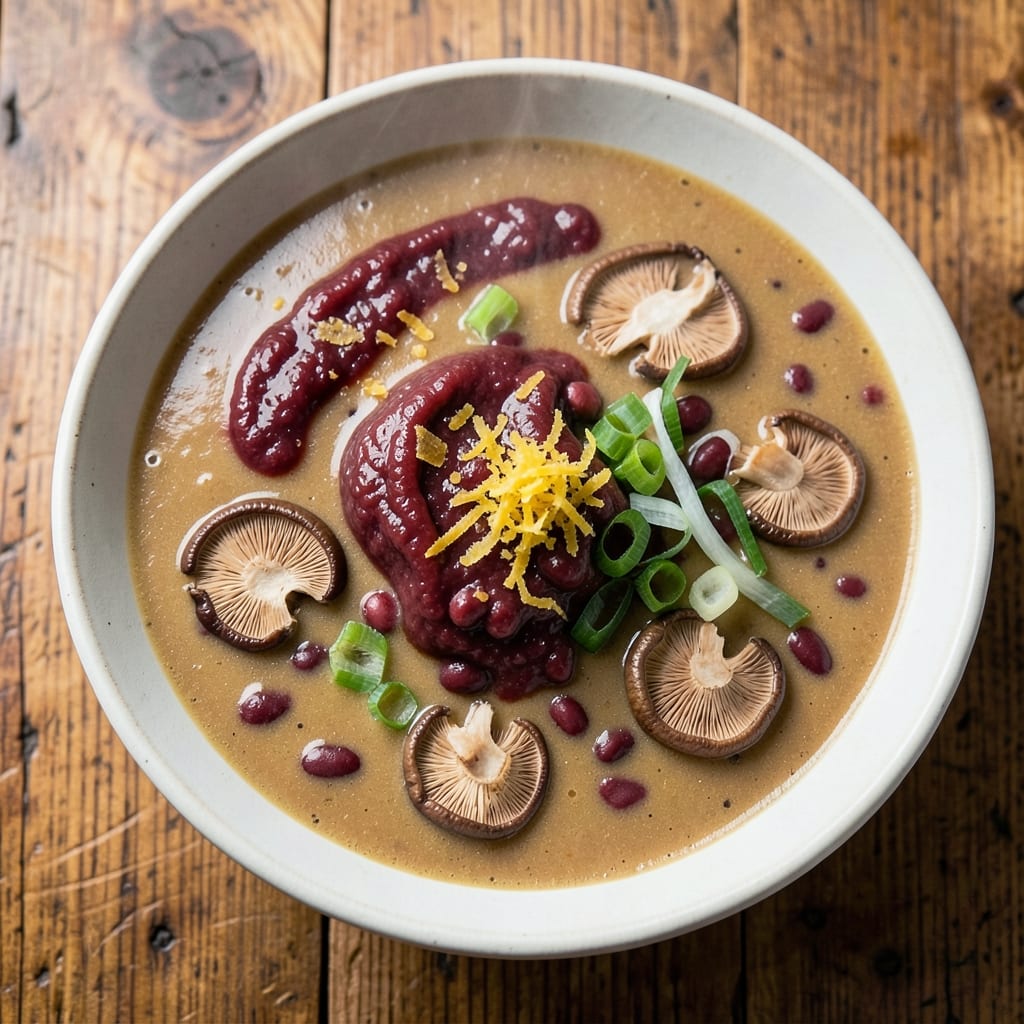
This adzuki bean soup recipe delivers deep umami, natural sweetness, and comforting warmth in every spoonful—no complicated techniques required. The key lies in properly soaking the beans (overnight or quick-soak) and balancing sweet and savory flavors through simple pantry staples. I developed this version after years of experimenting with traditional Japanese ankake soup, but simplified for home cooks who want restaurant-quality results without fuss.
The beauty of this recipe is its versatility—start with the classic sweet-savory base, then customize with optional additions like spicy miso, coconut milk for creaminess, or crispy tofu for protein. The broth develops rich flavor as it simmers, while the beans soften just enough to release their natural sugars. What makes this truly beginner-friendly is that you can prepare everything in one pot, with minimal prep and no special equipment beyond a heavy-bottomed saucepan.
By the time you're done, you'll have a velvety, aromatic soup with tender adzuki beans, fragrant ginger, and a touch of sweetness that balances the savory depth. The scent alone will transform your kitchen into a cozy haven—perfect for chilly evenings or as a light yet satisfying meal. This soup keeps well in the fridge for up to 5 days, making it ideal for meal prep.
Whether you stick to the traditional version or experiment with modern twists, this recipe proves that comforting flavors don't require complexity. The secret is patience—letting the flavors meld during simmering—and a few simple techniques that elevate ordinary ingredients. Let's get cooking!
Ingredients for adzuki bean soup
Simple pantry staples and umami-rich ingredients transform into velvety, aromatic adzuki bean soup.
| Ingredient | Amount | Notes |
|---|---|---|
| Adzuki Beans 🌱 | 1 ½ cups | Dried, soaked overnight or quick-soaked |
| Dried Shiitake Mushrooms 🍄 | 4 whole | Rehydrated in warm water |
| Fresh Ginger Root 🧅 | 2 tbsp | Finely grated, peeled |
| Green Onions 🧅 | 3 whole | White and green parts separated |
| Red Miso Paste 🧈 | 2 tbsp | Aged, for umami depth |
| Coconut Milk 🥥 | 1 cup | Full-fat for creaminess |
| Dried Kombu Seaweed 🌊 | 1 piece | 2x3 inch sheet, for broth |
| Dried Bonito Flakes 🐟 | 1 tbsp | Optional, for traditional umami |
| White Miso Paste 🧈 | 1 tbsp | For balanced sweetness |
| Brown Sugar 🍯 | 2 tbsp | Light, for subtle sweetness |
| Sesame Oil 🌿 | 1 tsp | Toasted, for aroma |
| Toasted Sesame Seeds 🌰 | 1 tbsp | For garnish, optional |
| Vegetable Broth 💧 | 6 cups | Homemade or low-sodium |
| Rice Vinegar 🍶 | 1 tbsp | For brightness, optional |
Adzuki beans are the heart of this soup—dried works best for authentic texture, but canned in a pinch. Soak overnight or quick-soak by boiling 2 minutes, then resting 1 hour. Trader Joe's carries excellent dried beans, or check the bulk section at Whole Foods. The shiitake mushrooms add deep earthiness—dried rehydrates perfectly and lasts months in the pantry. For the kombu, look for organic sheets at Asian markets or the seaweed aisle. Toast your sesame seeds in a dry pan for 2 minutes until fragrant—game-changer for aroma.
No miso? Substitute soy sauce at half the amount, but you'll lose that complex umami. Coconut milk can be swapped for cashew cream (soaked cashews blended with water) if you prefer less richness. The bonito flakes are optional but traditional—vegan fish sauce works if you want to keep it umami-packed. For extra protein, add crispy baked tofu cubes at the end. Ginger can be substituted with galangal if you're feeling adventurous, but fresh ginger is ideal. The white and green onion parts serve different purposes—white for flavor, green for garnish.
This soup tastes even better the next day as flavors meld. Store in an airtight container for 5 days in the fridge or 3 months frozen. I always double the batch—freeze half in portions for quick meals. For serving, keep the broth hot and beans warm separately, then combine just before eating. The sesame oil should be added last to preserve its delicate aroma. Garnish with extra green onions and sesame seeds right before serving—freshness matters here.
Why You'll Love This Recipe
- Few Ingredients, Big Payoff: I swear by this recipe because it’s the kind of dish where you don’t need 10 pantry staples—just adzuki beans, shiitake mushrooms, and a spoonful of miso. Honestly, the simplicity makes it feel like a cheat code for flavor without the fuss.
- Umami Bomb: That red miso paste? It’s the MVP here, turning a basic broth into something rich and savory. The shiitake mushrooms soak up the flavor like sponges, and the ginger adds a bright kick—every spoonful is packed with depth.
- Weeknight & Meal Prep: Between us, this soup is my go-to when I’m too tired to think. Make a big batch on Sunday, and you’ve got lunch or dinner covered all week. It reheats beautifully, and the beans stay tender—no mushy surprises.
- Budget-Friendly Staple: Adzuki beans and dried shiitake are cheap but feel luxurious. I’ve made this for potlucks, sick days, and even as a side for takeout—it’s always a hit. Plus, leftovers taste just as good the next day.
Step-by-step instructions for adzuki bean soup
This one-pot wonder delivers deep umami, subtle sweetness, and velvety texture—no shortcuts needed.
Prepare the Base Ingredients
Start by soaking the 1.5 cups adzuki beans overnight in cold water (or quick-soak by boiling for 2 minutes, then letting them sit for 1 hour). This ensures they cook evenly and retain their creamy texture. Meanwhile, rehydrate the 4 whole dried shiitake mushrooms by soaking them in warm water for 20 minutes—they'll plump up dramatically and contribute earthy depth to the soup.
Finely grate the 2 tbsp fresh ginger root (peeled) and separate the 3 whole green onions into white and green parts. The white portions will cook into the broth, while the greens will garnish at the end. For the kombu seaweed, rinse the 1 piece thoroughly to remove any grit, then tear it into rough strips—this will infuse the broth with mineral-rich oceanic notes as it simmers.
Build the Umami Foundation
In a large pot, combine the soaked adzuki beans, shiitake mushrooms (with their soaking liquid), 6 cups vegetable broth, and the torn kombu seaweed. Bring everything to a gentle boil over medium-high heat, then immediately reduce to a low simmer. Let it cook uncovered for 45 minutes, stirring occasionally—this allows the beans to soften and the broth to develop complexity.
After 45 minutes, add the 2 tbsp red miso paste and 1 tbsp white miso paste, stirring until fully dissolved. The miso will mellow slightly as it cooks, creating a smooth, savory-sweet balance. Here's the thing—don't rush this step. The miso needs time to integrate completely, so let it simmer another 15 minutes while you prepare the remaining ingredients. The soup should smell rich and inviting, with a subtle sweetness from the miso.
Add Aromatics and Sweetness
Stir in the grated ginger, 2 tbsp brown sugar, and 1 tbsp dried bonito flakes (if using). The bonito adds a delicate, fishy umami that elevates the dish—skip it if you prefer a vegetarian version. Simmer for another 10 minutes until the beans are tender but not mushy (they should hold their shape but be easily crushed with a fork). Taste the broth now—it should be deeply flavorful, with a harmonious blend of sweet, salty, and umami notes.
Pour in the 1 cup coconut milk and 1 tbsp rice vinegar, stirring gently to avoid breaking the beans. The coconut milk adds creaminess without overpowering the broth, while the vinegar brightens the flavors. Let the soup simmer for another 5 minutes—this is where the magic happens. The coconut milk will emulsify slightly, creating a naturally velvety texture. If the soup looks too thick, add ½ cup water to reach your desired consistency.
Finish with Depth and Garnish
Remove the pot from heat and stir in the 1 tsp sesame oil—this adds a nutty aroma and helps balance the richness. Let the soup sit off the heat for 5 minutes to allow the flavors to meld. The kombu seaweed can be removed at this point (it's done its job), though you can leave it in if you prefer a slightly brinier taste.
Ladle the soup into bowls, garnishing each serving with the reserved green onion tops and 1 tbsp toasted sesame seeds. The contrast of the fresh green onions against the deep, savory broth is what makes this dish sing. Serve immediately while the soup is steaming hot—this is when the flavors are at their peak. The adzuki beans should be creamy yet hold their shape, and the broth should coat the back of your spoon with a luxurious, umami-rich finish.
Pro Tips For Making Adzuki Bean Soup
- SOAK BEANS 2 HOURS MINIMUM: I learned this the hard way—skipping the soak leaves you with tough, mealy beans that won’t soften no matter how long you simmer. Use room-temperature water (not cold) and add a pinch of salt to prevent bloating. If you’re in a rush, pressure cook for 10 minutes instead, but the texture won’t be as tender.
- REHYDRATE SHIITAKES FAST: Dried shiitakes need a quick soak in hot—not boiling—water (about 10 minutes) to wake up their flavor. Toss the soaked mushrooms in a little oil and sear them for 2 minutes before adding to the soup. This step makes a real difference—raw shiitakes just don’t deliver the same umami punch.
- STIR MISO LAST MINUTE: Adding red miso paste too early turns your soup into a thick paste instead of a glossy, balanced broth. Wait until the beans are nearly done, then whisk in the miso with a splash of the hot broth first—this prevents clumping and lets the flavor meld without overpowering. (Yes, even if you’re impatient like me.)
- GINGER SLICES THIN, NOT MINCED: Thin, even slices of fresh ginger (about 1/8-inch thick) infuse the soup without bitterness or muddiness. Skip the mincing—it turns to mush and makes the soup taste harsh. Remove the slices after 10 minutes of simmering; they’ve done their job by then. (Your future self will thank you.)
Pro cooking tips for adzuki bean soup
Bean Soaking Mastery
Never skip soaking your adzuki beans—this is where texture magic happens. I always soak 1.5 cups dried beans overnight in cold water (or quick-soak by boiling 2 minutes, then resting 1 hour). The overnight method yields creamier beans with fewer digestive issues. For extra insurance, add ½ tsp baking soda to the soaking water—this softens the beans faster and prevents gas. Drain and rinse thoroughly before cooking to remove excess starch that can make the soup gummy. 🌱
Umami Layering
The secret to restaurant-quality depth lies in layering umami sources. Start with red and white miso pastes—the red adds richness while white provides sweetness. For extra complexity, add 1 tbsp dried bonito flakes (or vegan fish sauce) during the final 10 minutes of simmering. The kombu seaweed should simmer uncovered for the first 45 minutes to release its mineral-rich essence. Pro tip: Toast your shiitake mushrooms in a dry pan for 2 minutes before adding them—they'll contribute a deeper, nuttier flavor. 🍄
Sweet-Savory Balance
Finding the perfect sweet-savory ratio takes practice. I recommend starting with 2 tbsp brown sugar and adjusting to taste. For extra brightness, add 1 tbsp rice vinegar in the final 5 minutes—this cuts through the richness beautifully. If your soup tastes too sweet, balance it with a pinch of sea salt or more miso. The coconut milk should be stirred in gently at the end to maintain its creamy texture without breaking the beans. Taste as you go—this is where home cooks often go wrong by over-seasoning too early. 🍯
Texture Control
Adzuki beans should be tender but hold their shape—think creamy yet intact. If they're mushy, you've overcooked them. For perfect texture, simmer uncovered for 45 minutes after adding the miso, then check for doneness. The beans should be easily crushable with a fork but still hold together. For extra creaminess, mash ¼ cup beans lightly with a spoon before serving—this thickens the broth naturally. If your soup is too thick, add ½ cup water gradually while stirring. 🥄
Finishing Touches
The final steps make all the difference. Stir in 1 tsp sesame oil just before serving—this adds nutty aroma and helps balance flavors. Let the soup rest off heat for 5 minutes before serving to allow flavors to meld. Garnish with toasted sesame seeds and fresh green onions right before eating (never ahead of time—they'll wilt). For a smoky twist, add a pinch of smoked paprika at the end. The contrast of crisp garnishes against the velvety broth is what makes this dish truly special. ✨
Nutrition facts
Frequently asked questions
Can I use canned adzuki beans instead of dried?
Yes, but with adjustments! Canned beans save time, but they're pre-cooked and much softer. For this recipe, use 2 cups canned adzuki beans (drained and rinsed) and reduce the simmering time to just 15-20 minutes after adding the miso. The texture will be creamier but less intact—great for blending into a velvety soup if that's your preference.
How do I make this soup spicier?
Add heat by stirring in ½ tsp gochugaru (Korean chili flakes) or ¼ tsp red pepper flakes during the final 5 minutes of simmering. For a smoky kick, toast ½ tsp smoked paprika in a dry pan for 30 seconds before adding it to the soup. Pro tip: Balance the heat with extra coconut milk if needed—it helps mellow the spice while keeping the soup creamy.
Why does my soup taste bitter?
Bitterness usually comes from overcooked beans or miso. First, check if your beans are mushy—if so, reduce simmering time next attempt. Second, balance bitterness by adding 1 tsp brown sugar or ½ tsp honey to sweeten, or stir in 1 tbsp rice vinegar for brightness. For future batches, use slightly less miso (start with 1 tbsp total) and simmer uncovered to prevent over-reduction.
Can I make this soup in an Instant Pot?
Use the Soup/Broth setting for 15 minutes after adding all ingredients (including miso). Quick-release the pressure, then let it sit for 5 minutes before opening. The beans may need an extra 5-10 minutes of simmering on the stove to reach perfect tenderness. For best results, add coconut milk and sesame oil at the end to prevent curdling from the pressure change.
What's the best way to store leftovers?
Store in an airtight container in the fridge for up to 5 days. The flavors actually improve overnight as they meld! For freezing, portion into 2-cup containers and freeze for up to 3 months. Thaw in the fridge overnight—never microwave directly from frozen. Reheat gently on the stove with ½ cup water to restore creaminess, and add fresh sesame seeds and green onions when serving.