
Soups & Stews
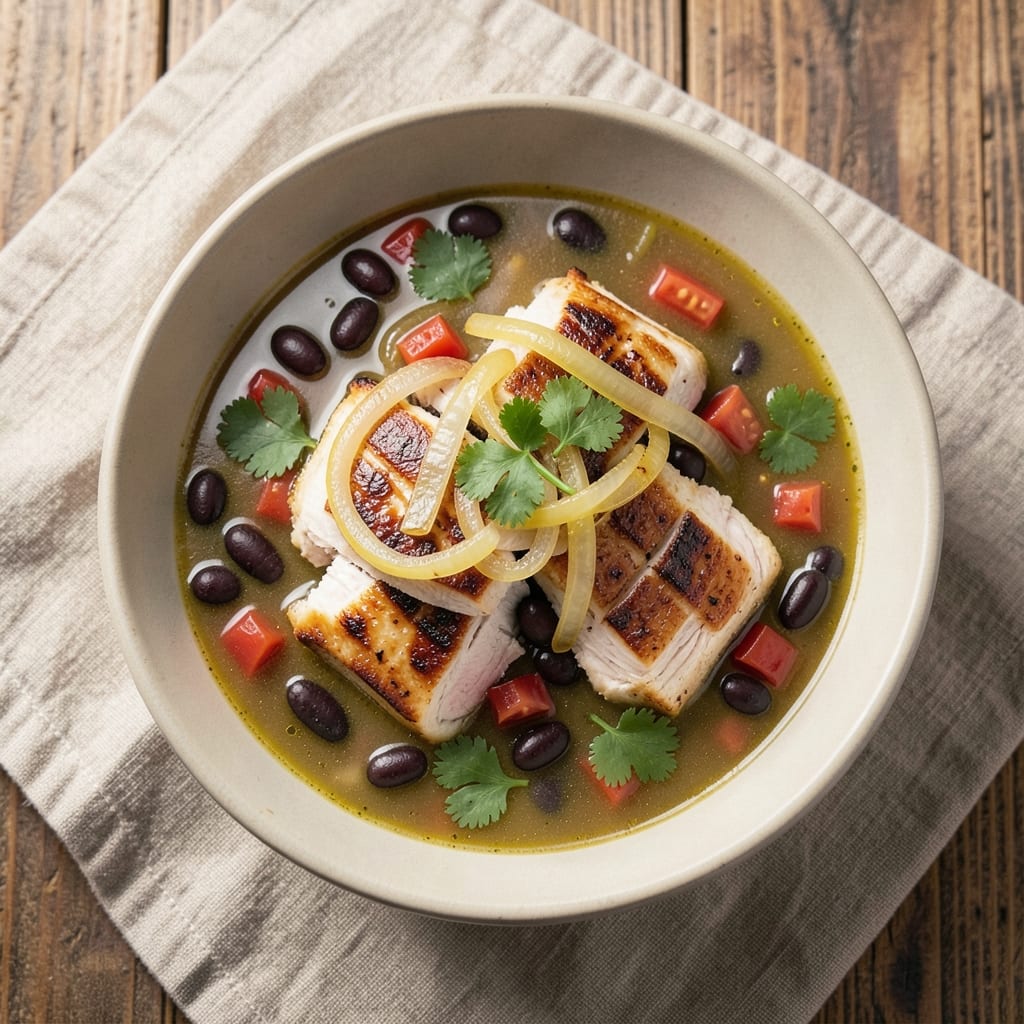
This 8-can chicken soup recipe transforms pantry staples into hearty, protein-rich comfort in under an hour. The magic lies in balancing canned broths, beans, and tomatoes with fresh chicken and aromatics for depth—no fancy ingredients, just bold flavor. I developed this during a particularly busy week when I needed a reliable, large-batch solution that delivered restaurant-quality results without the fuss.
The beauty of this recipe is its efficiency: 8 cans of broth create a rich base, while canned beans and tomatoes add texture and umami. Fresh garlic, onions, and herbs elevate the pantry ingredients, turning them into a soup that’s both nourishing and satisfying. Simmering low and slow ensures the chicken becomes tender and the flavors meld into a cohesive, comforting broth.
What you’ll end up with is a protein-packed, pantry-friendly soup that’s perfect for feeding a crowd, meal prepping, or freezing for later. The broth is rich but not heavy, the chicken shreds easily, and the vegetables stay vibrant. It’s the kind of soup that warms you from the inside out—ideal for chilly evenings or when you need a quick, wholesome meal.
Optional garnishes like fresh parsley, a drizzle of olive oil, or a sprinkle of cheese add brightness and texture. This recipe scales beautifully, so double or triple it for gatherings. Let’s get cooking—your pantry just became your soup kitchen.
Ingredients for 8 can chicken soup
Eight cans of broth and a few fresh ingredients transform your pantry into restaurant-quality soup.
| Ingredient | Amount | Notes |
|---|---|---|
| Chicken Breast 🍗 | 2 ½ lb | Boneless, skinless, cut into bite-sized pieces |
| Chicken Broth 💧 | 4 cans | Low-sodium, 14.5 oz each |
| Vegetable Broth 💧 | 4 cans | Low-sodium, 14.5 oz each |
| Black Beans 🌿 | 2 cans | Drained and rinsed, 15 oz each |
| Diced Tomatoes 🍅 | 2 cans | Fire-roasted, 14.5 oz each |
| Yellow Onion 🧅 | 1 whole | Diced, yellow or white |
| Garlic Cloves 🧄 | 6 cloves | Minced, fresh preferred |
| Carrots 🥕 | 3 whole | Medium, peeled and sliced |
| Celery Stalks 🧅 | 3 whole | Medium, chopped |
| Fresh Parsley 🌿 | ¼ cup | Chopped, for garnish |
| Dried Thyme 🌿 | 1 tsp | Or 1 tbsp fresh |
| Bay Leaves 🍃 | 2 whole | Remove before serving |
| Salt 🧂 | 1 ½ tsp | Adjust to taste |
| Black Pepper 🌶️ | 1 tsp | Freshly ground |
| Olive Oil 🫒 | 1 tbsp | For garnish, optional |
The broth is the backbone—stick with low-sodium versions to control flavor without adding extra salt. Swanson or Pacific Foods are my go-tos for quality, but any reputable brand works. For the beans and tomatoes, fire-roasted diced tomatoes add a smoky depth that canned varieties often lack. If you're short on time, pre-chopped onions and celery from the produce section (like the pre-sliced bags at Trader Joe's) save minutes without sacrificing flavor. The chicken should be fresh or thawed completely—frozen pieces take too long to cook through and can make the broth cloudy.
No fresh herbs? Dried thyme at one-third the amount works in a pinch, though fresh parsley brightens the dish. Swap black beans for kidney beans or lentils if you prefer a different texture—just rinse them well to remove excess sodium. Running low on vegetable broth? Extra chicken broth plus a splash of tomato paste keeps the flavor balanced. The carrots can be baby carrots or pre-cut from a bag—whatever’s easiest. For extra richness, stir in 1 tbsp of tomato paste with the broth cans, but it’s not required. The key is balancing the canned flavors with fresh aromatics like garlic and thyme.
This soup tastes even better the next day—double the batch if you know you’ll have leftovers. Store in airtight containers for up to 5 days in the fridge or freeze for 3 months. For meal prep, portion into single-serving containers with a splash of broth on top to prevent drying. Reheat gently on the stove, stirring occasionally. Garnish with fresh parsley and a drizzle of olive oil right before serving to keep everything vibrant. The broth reduces slightly when reheated, so add a little water if it’s too thick.
Why You'll Love This Recipe
- No-Chop Nightmare: I swear, this recipe is my lifeline on days when I’d rather watch paint dry than chop veggies. Toss in pre-diced tomatoes and canned beans, and you’ve got a soup that’s basically assembled in 15 minutes—no knife skills required.
- Crowd-Pleasing Depth: Between the tender shredded chicken, the smoky depth of black beans, and that perfect broth blend, every spoonful feels like a hug. Honestly, even my picky nephew asks for seconds—proof it’s not just "good," it’s ridiculously good.
- Meal Prep MVP: Make a double batch on Sunday, and you’ve got lunch covered for the week. The flavors only get better as it sits, and reheating? Just microwave and forget—no sad, watery soup here.
- Budget-Friendly Powerhouse: Eight cans of broth and beans stretch this into eight servings for pennies. I’ve fed my whole family (plus a neighbor) for under $15, and the leftovers? Always disappear faster than I can say "second helping."
Step-by-step instructions for hearty 8-Can chicken soup
Here's how to transform pantry staples into a deeply satisfying, protein-rich soup that tastes like home.
Sear the Chicken for Maximum Flavor
Heat a large Dutch oven over medium-high heat. Add the 2.5 lb chicken breast cut into bite-sized pieces and cook undisturbed for 3-4 minutes until the edges turn golden brown. This initial searing creates a rich, caramelized foundation for your soup.
Real talk: Don't overcrowd the pan or the chicken will steam instead of develop that flavorful crust. Work in batches if needed, setting the first batch aside while you sear the second. Once all the chicken is browned, transfer it to a plate and set aside.
Build the Aromatic Base
In the same Dutch oven, add the 1 tbsp olive oil and let it heat for 30 seconds until shimmering. Add the diced yellow onion, minced garlic cloves, sliced carrots, and chopped celery stalks. Cook for 5-6 minutes until the vegetables soften and the onion becomes translucent.
Here's the thing—this step develops the soup's depth of flavor. The onions should be fully translucent with just a hint of color remaining, and the garlic should be fragrant but not browned. If you smell burning, reduce the heat slightly and give it another minute.
Combine All Ingredients and Simmer
Add the 4 cans chicken broth, 4 cans vegetable broth, 2 cans diced tomatoes, 2 cans black beans, 1 tsp dried thyme, 2 whole bay leaves, 1.5 tsp salt, and 1 tsp black pepper to the Dutch oven. Stir to combine, then return the browned chicken pieces to the pot.
Bring the mixture to a gentle boil over medium-high heat, then immediately reduce heat to low. Let it simmer uncovered for 25-30 minutes, stirring occasionally. You're looking for the flavors to meld together and the chicken to become tender enough to shred easily with a fork.
Finish and Garnish
Once the chicken is fully cooked and the soup has thickened slightly, remove the 2 whole bay leaves with a slotted spoon. Taste and adjust seasoning if needed—this is where you can add more salt or pepper to your preference.
Ladle the soup into bowls and garnish each serving with 0.25 cup chopped fresh parsley. The parsley adds a fresh brightness that cuts through the richness of the broth. Serve immediately while hot, with crusty bread for dipping if desired.
Optional Thickening (For Preferred Texture)
If you prefer your soup slightly thicker, remove the pot from heat and let it sit for 5 minutes to allow the starches to thicken naturally. Alternatively, you can mash a portion of the cooked black beans against the side of the pot to release their starch, then stir back into the soup.
I know it seems like a lot of liquid, but trust me—this recipe delivers on that comforting, hearty texture while keeping it light enough for any meal. The combination of chicken broth and vegetable broth creates a balanced flavor that's both savory and slightly sweet from the tomatoes and carrots.
Pro Tips For Making 8 Can Chicken Soup
- SEAR THE CHICKEN FIRST: Don’t just toss raw chicken breast into the soup—cut it into 1-inch cubes and sear them in a dry skillet over medium-high heat for 2-3 minutes per side until golden. This adds depth of flavor that simmering alone can’t match, and those crisp edges stay tender even after hours of cooking. (Yes, even with eight cans of broth, this step makes a difference.)
- USE TWO BROTHS WISELY: Mix chicken and vegetable broths in a 3:1 ratio (6 cans chicken, 2 cans vegetable) to balance richness and complexity—chicken broth carries the meaty flavor while vegetable broth adds brightness. If you’re short on time, swap one can of vegetable broth for an extra can of chicken broth and add a pinch of smoked paprika later for depth. (I’ve done it both ways, and the difference is noticeable.)
- DRAIN AND RINSE BEANS: Black beans straight from the can taste bland in soup because they’re packed in saltwater. Drain them, rinse under cold water, and give them a quick shake in the colander to remove excess starch—this keeps the soup from turning gluey. Trust me, your future self will notice the texture difference when ladling it into bowls.
- SIMMER LOW AND LONG: After adding all ingredients, bring the soup to a boil, then immediately reduce heat to the lowest setting that maintains a gentle simmer (not a rolling boil). This prevents the chicken from turning rubbery and lets the flavors meld over 30-45 minutes. I used to rush it, and the soup always tasted flat—now I set a timer and walk away. (Your taste buds will thank you.)
Common mistakes when making this recipe
Overcrowding the Pot
One of the biggest mistakes is adding all your ingredients at once, especially the chicken. When you overcrowd the pot, the chicken steams instead of sears, resulting in pale, bland pieces. I learned this the hard way—my first batch had chicken that looked like it was boiled rather than browned. Work in batches: sear half the chicken first, then set it aside while you finish the second batch. This ensures maximum flavor development through the Maillard reaction. 🔥
Skipping the Sear
Some recipes call for dumping everything into the pot at once, but I strongly recommend searing the chicken first. That golden crust adds depth that raw chicken can't match. If you skip this step, your soup will taste more like broth with chicken floating in it rather than a rich, flavorful dish. Take the extra 5 minutes—it makes all the difference.
Ignoring Simmer Time
Rushing the simmer is another common mistake. Many people bring the soup to a boil and then turn off the heat, thinking it's done. But this recipe needs that 25-30 minute simmer at low heat to let flavors meld properly. The chicken needs time to fully cook through, and the broth needs to develop its full depth. Trust the process—don't rush it!
Using High-Sodium Broth
Many canned broths are loaded with sodium, which can make your soup taste bland if you don't adjust properly. I always use low-sodium broth and compensate with additional herbs and spices. If you must use regular broth, reduce the added salt to 1 tsp and taste as you go. The last thing you want is a soup that's too salty to enjoy.
Forgetting to Taste
Many home cooks pour all the ingredients into the pot and walk away, only to discover the seasoning is off at the end. I make it a habit to taste the soup before garnishing, adjusting salt, pepper, or even a splash of lemon juice if needed. This simple step ensures your soup is perfectly balanced every time.
Not Adjusting for Altitude
If you live at a high altitude (over 3,500 feet), your soup may boil over or cook faster than expected. Reduce the heat slightly and add 5-10 extra minutes to the simmer time. The thinner air affects boiling points, so keep an eye on your pot. Most recipes don't account for this, but it makes a big difference in texture and flavor development. ✨
Nutrition facts
Frequently asked questions
Can I substitute canned chicken for fresh in this recipe?
Yes, but with adjustments! Use 3 cans (5 oz each) of chicken breast instead of fresh, drained and rinsed well. The texture will be slightly softer, but it works in a pinch. For best results, add the canned chicken at the end of cooking to prevent it from becoming mushy.
How do I make this soup vegetarian?
Swap the chicken for 2 cans of white beans (like cannellini) and use vegetable broth only. Boost umami with 1 tbsp soy sauce or miso paste and add 1 cup cooked quinoa or lentils for protein. The black beans will still provide fiber and heartiness.
Will this soup freeze well?
This recipe freezes beautifully for up to 3 months. Let it cool completely, then store in airtight containers with 1 inch headspace. When reheating, thaw overnight in the fridge first, then warm gently on the stove with a splash of water to restore moisture. The flavors actually improve after freezing.
Can I make this in a slow cooker?
Yes, but modify the method: Sear the chicken separately, then add everything to the slow cooker. Cook on LOW for 6-7 hours or HIGH for 3-4 hours. The low-and-slow approach enhances the broth's depth. Just skip the bay leaves—they can get mushy in long cooking.
Why does my soup taste bland?
Most likely, you're missing the aromatic base or seasoning. Always develop the onion-garlic-vegetable base until fragrant, and taste before serving. If using high-sodium broth, reduce added salt to 1 tsp and boost with extra herbs, lemon juice, or a pinch of smoked paprika for depth.