
Soups & Stews
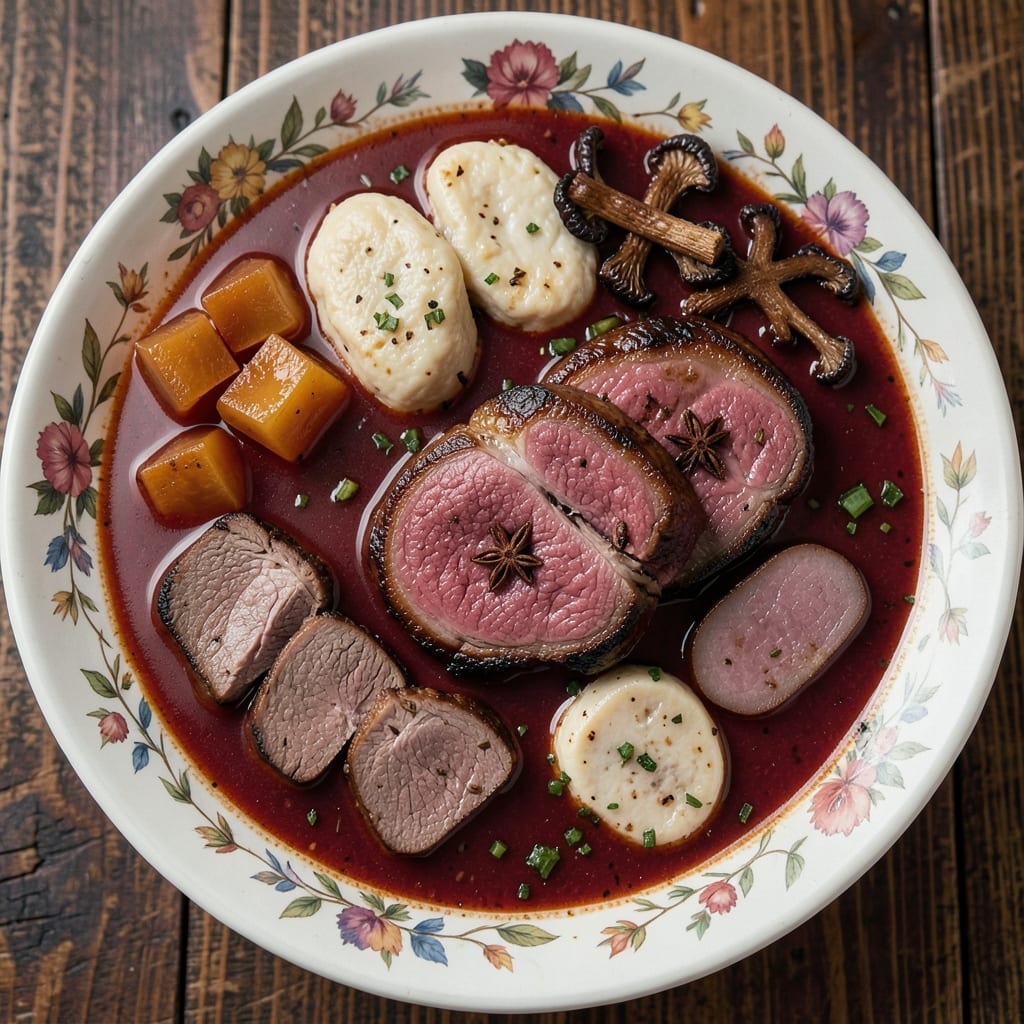
The 7-organ soup recipe transforms humble offal into a deeply flavorful, nutrient-rich dish that honors traditional techniques while delivering restaurant-quality results. This recipe respects the rich culinary heritage of Eastern European and Asian traditions, where organ meats are celebrated for their intense umami and iron-rich properties. Proper preparation—cleaning, trimming, and careful cooking—transforms these ingredients into a harmonious, savory experience that's both comforting and sophisticated.
What sets this soup apart is the balance of textures and flavors: tender organs, aromatic broth, and carefully selected vegetables create a symphony of tastes. The key lies in slow simmering to break down connective tissues while preserving natural richness, and using acidity—like vinegar or lemon—to neutralize any bitterness. Traditional garnishes like fresh herbs or a drizzle of high-quality oil elevate the dish without overpowering its natural depth.
This recipe delivers a nutrient-dense, deeply satisfying meal that's perfect for special occasions or when you want to elevate everyday cooking. The process may require extra attention, but the results—a bowl brimming with complex, savory flavors—are well worth the effort. Each ingredient plays a crucial role, ensuring every spoonful is packed with both taste and tradition.
Safety is paramount when working with organ meats, so we'll cover proper handling techniques to ensure your kitchen remains clean and your soup turns out perfect. Whether you're new to organ cooking or a seasoned pro, this method will guide you through every step with confidence. Let's begin with the foundational ingredients that make this soup extraordinary.
Ingredients for 7 organ soup
Seven organ meats and nine aromatic ingredients create a symphony of savory depth in every spoonful.
| Ingredient | Amount | Notes |
|---|---|---|
| Beef Heart 🍖 | 1 ½ lb | Trimmed of fat and connective tissue |
| Beef Liver 🍖 | 1 lb | Fresh, trimmed of connective tissue |
| Beef Kidneys 🍖 | 1 lb | Trimmed, cored, and sliced thin |
| Beef Sweetbreads 🍖 | ½ lb | Cleaned and blanched |
| Chicken Livers 🐔 | ½ lb | Trimmed and cleaned |
| Pork Tongue 🐷 | ½ lb | Poached and sliced |
| Chicken Gizzards 🐔 | ½ lb | Cleaned and sliced |
| Yellow Onions 🧅 | 2 whole | Diced, yellow or red variety |
| Carrots 🥕 | 4 whole | Peeled and sliced into rounds |
| Celery Stalks 🌿 | 4 whole | Trimmed and chopped |
| Garlic Cloves 🧄 | 6 cloves | Minced, fresh preferred |
| Tomatoes 🍅 | 4 whole | Ripe, San Marzano preferred |
| Fresh Thyme 🌿 | ¼ cup | Leaves only, stems removed |
| Fresh Parsley 🌿 | ¼ cup | Chopped, for garnish |
| Bay Leaves 🌿 | 2 whole | Fresh or high-quality dried |
| Extra-Virgin Olive Oil 🫒 | ½ cup | For searing and finishing |
| White Wine Vinegar 🍶 | ¼ cup | For acidity balance |
| Beef or Vegetable Broth 💧 | 6 cups | Homemade preferred, low-sodium |
| Salt 🧂 | 2 tsp | Diamond Crystal kosher salt |
| Black Peppercorns 🌶️ | 1 tsp | Freshly cracked |
Organ meats demand freshness and proper handling. Source from a reputable butcher—look for bright red beef heart, firm kidneys, and livers with a vibrant hue, not graying edges. The sweetbreads should be translucent when blanched properly. Pork tongue should be firm and free of blemishes. Chicken livers and gizzards should be fresh, with no off smells. Whole Foods Market or specialty butchers often carry the best selection. If prepping ahead, store organs in the coldest part of your fridge, submerged in cold water, and use within 2 days. For the vegetables, organic carrots and celery provide cleaner flavors, but conventional is fine if peeled thoroughly. The tomatoes should be ripe but firm—San Marzano cans are ideal for consistency, but fresh works beautifully when in season.
Substitutions require careful consideration to maintain balance. No beef heart? Substitute with an extra pound of beef liver, but reduce cooking time by 10 minutes. Chicken livers can be swapped for duck livers, but adjust salt accordingly—they're richer. Vegetarian? Replace organs with mushrooms (like shiitake or portobello) and extra tofu for texture, though the dish will lose its traditional depth. For the broth, homemade is non-negotiable—store-bought often contains excess sodium. The vinegar can be swapped for lemon juice at a 1:1 ratio, though white wine vinegar offers a more complex acidity. Fresh herbs are ideal, but dried thyme at one-third the amount works in a pinch. The olive oil should be extra-virgin—cheaper varieties can impart bitter notes when heated.
This soup tastes even better the next day as flavors meld, so plan ahead. Store in airtight containers in the fridge for up to 4 days, or freeze for 3 months in portion-sized containers. For reheating, simmer gently on low heat with a splash of broth to restore moisture. The organs should be tender but not mushy—if they're still firm after simmering, extend cooking time by 15-20 minutes. Garnish with fresh parsley just before serving to preserve its vibrant color and bright notes. The soup pairs beautifully with crusty bread or a simple arugula salad to cut through its richness.
Why You'll Love This Recipe
- No-Fuss Prep: The organs take minutes to prep—just a quick trim and slice. No fancy techniques, no stress, just chopping what’s already tender.
- Rich, Deep Umami Bomb: That combo of beef heart and liver? It’s like a flavor explosion—earthy, meaty, and so satisfying you’ll forget it’s "offal." Honestly, the first sip changes minds.
- Meal Prep Goldmine: Make a big batch on Sunday, and you’ve got hearty lunches all week. Freezes like a dream, too—just reheat and enjoy. My freezer’s always stocked with this.
- Budget-Friendly Powerhouse: Organs are the secret weapon for stretching meals without sacrificing quality. A pound of these goes further than any cut of steak, and your wallet thanks you.
Step-by-step instructions for crafting a rich organ soup
Transforming these nutrient-dense offal pieces into a velvety, aromatic soup requires precision timing and careful handling.
Prepare the Organ Meat Components
Begin by thoroughly rinsing all organ meats under cold water to remove any blood or impurities. For the beef heart and beef liver, slice them into ½-inch thick pieces—this ensures even cooking. The beef kidneys should remain as they are after trimming, while the beef sweetbreads, chicken livers, chicken gizzards, and pork tongue should be cut into ¼-inch slices or small bite-sized pieces.
Place each type of organ in separate bowls. For the beef sweetbreads, chicken livers, and chicken gizzards, blanch them in boiling water for 3 minutes to remove any bitter flavors, then shock in ice water. This step is crucial—it prevents the final soup from having an off-putting taste. Drain well and pat dry with paper towels before proceeding.
Sear the Organ Meat in Batches
Heat 0.25 cup of the extra-virgin olive oil in a large Dutch oven over medium-high heat. Working in batches to avoid crowding, sear the beef heart pieces for 2-3 minutes per side until they develop a deep brown crust. Remove and set aside. Repeat with the beef liver, beef kidneys, and pork tongue, each requiring 1-2 minutes per side until well-browned.
In a separate skillet, sear the chicken livers and gizzards for 1-2 minutes per side until lightly browned. The beef sweetbreads should be seared for 3 minutes per side due to their denser texture. This step is essential—it builds deep, meaty flavors that form the foundation of the soup. Keep all seared meats in a warm place while you prepare the aromatics.
Develop the Aromatic Base
In the same Dutch oven, add the remaining 0.25 cup of extra-virgin olive oil and reduce heat to medium. Add the diced yellow onions and cook for 5 minutes until they soften and begin to caramelize. Stir in the sliced carrots, chopped celery stalks, and minced garlic cloves, cooking for another 5 minutes until the vegetables are tender and fragrant.
Add the 6 cloves of minced garlic and cook for 30 seconds until fragrant—don't let it brown or it will turn bitter. Stir in the 4 whole tomatoes, chopped into small pieces, and cook for 3 minutes until they soften. Add the 0.25 cup of fresh thyme leaves, 2 whole bay leaves, and 0.25 cup of white wine vinegar. This combination of acidity and herbs will brighten the rich flavors of the organ meats.
Simmer the Soup to Perfection
Return all seared organ meats to the Dutch oven and pour in the 6 cups of beef or vegetable broth. Bring to a gentle boil, then reduce heat to low and cover partially. Let the soup simmer for 1 hour to 1 hour 15 minutes, stirring occasionally, until all the organ meats are fork-tender and the flavors have melded together.
Taste the soup and adjust seasoning with the 2 tsp of salt and 1 tsp of freshly cracked black peppercorns. The soup should be rich but balanced, with the acidity from the vinegar cutting through the richness of the organ meats. If the soup is too thick, add a bit more broth to reach your desired consistency.
Finish and Serve with Fresh Herbs
Once the soup is fully cooked, remove the bay leaves and discard them. Stir in the 0.25 cup of chopped fresh parsley just before serving to add a bright, fresh finish. Ladle the soup into bowls, ensuring each serving contains a variety of organ meats and vegetables.
Serve immediately while hot, garnished with additional parsley if desired. The soup should be velvety with distinct flavors from each organ, balanced by the aromatic vegetables and herbs. This dish is best enjoyed fresh, as the flavors continue to develop even after cooking.
Pro Tips For Making 7 Organ Soup
- Sear Each Organ Separately: I learned this the hard way—dumping all the organs in one pot to sear means the livers and sweetbreads turn to mush while the heart and kidneys stay raw. Use two pans: high heat for heart, kidneys, and sweetbreads (3-4 minutes per side), then lower heat for livers (just 1-2 minutes). The flavor difference is night and day.
- Trim Sweetbreads Like a Pro: Sweetbreads come with gristle and connective tissue that ruins texture. Score the fat cap first, then peel away the membrane—don’t just rinse. Soak them in cold water for 30 minutes, changing the water twice, to remove any lingering blood. (Yes, even if you’re impatient like me.)
- Don’t Overcrowd the Pot: After burning three batches of liver, I finally figured out: organs release their own fat like crazy. Cook them in batches if needed, or you’ll end up with a greasy sludge instead of a rich broth. A splash of water or stock between batches keeps things moving smoothly.
- Use Cold Water for Blanching: Sounds weird, but it works: plunge hot organs into ice water for 30 seconds after searing to stop cooking instantly. This keeps sweetbreads tender and prevents liver from turning to paste. (Your future self will thank you—trust me.)
Serving suggestions for leftovers
Bread Pairings
Crusty sourdough or a hearty baguette are my go-tos for soaking up the rich broth. The crusty exterior contrasts beautifully with the velvety soup, while the open crumb catches every tender piece of organ meat. For extra texture, try a rustic ciabatta—its airy pockets hold the soup's depth without overwhelming the delicate flavors. 🥖
If you prefer something denser, a dark rye bread adds a malty contrast that complements the soup's umami notes. Toast the bread lightly before serving to enhance its crunch. For a gluten-free option, I recommend corn tortillas or a gluten-free baguette—just ensure they're sturdy enough to handle the soup's richness.
Herb Garnishes
Fresh parsley is a must for brightening the soup's depth, but don’t stop there. A sprinkle of chopped chives adds a mild onion note, while thinly sliced scallions bring a crisp, fresh finish. For a bolder touch, try cilantro—its citrusy flavor cuts through the richness, especially if you’ve used a lot of vinegar in the broth.
For an unexpected twist, add microgreens or peppery arugula just before serving. Their vibrant color makes the soup look restaurant-worthy, and their peppery bite balances the soup’s richness. I like to drizzle a touch of extra-virgin olive oil over the top right before eating—it enhances the herbs and adds a silky finish. 🌿
Acidic Accents
A squeeze of fresh lemon juice right before serving brightens the soup’s flavors, especially if you’re serving it with crusty bread. The acidity helps balance the richness of the organ meats, making each spoonful feel lighter. For a tangier kick, try a red wine vinegar drizzle—it adds depth and a sophisticated touch.
If you’re feeling adventurous, serve the soup with pickled vegetables on the side. Quick-pickled radishes or red onions add a crunchy, tangy contrast that elevates the dish. Even a simple caper garnish can add a briny, salty note that ties everything together. 🍋
Wine Pairings
A bold red wine like Cabernet Sauvignon or Syrah stands up to the soup’s richness and umami depth. The tannins in these wines cut through the fat, cleansing your palate between spoonfuls. For a lighter option, a Pinot Noir offers a smoother, fruitier contrast that won’t overpower the dish.
If you prefer white wine, a dry Riesling or Chardonnay with noticeable acidity works beautifully. The crispness balances the soup’s richness, while the wine’s mineral notes complement the organ meats. For a non-alcoholic pairing, a sparkling water with a lemon twist keeps the palate fresh and light. 🍷
Nutrition facts
Frequently asked questions
Why do some organ meats need blanching before cooking?
Blanching removes impurities and bitterness from organs like sweetbreads, chicken livers, and gizzards. The 3-minute boil followed by ice water shock opens their fibers and prepares them for even cooking. Skipping this step can leave your soup with unpleasant aftertastes—especially noticeable in the liver and gizzards.
Can I substitute any of the organ meats?
Yes, but choose wisely! Replace beef heart with extra liver (reduce cooking time by 10 minutes), or swap chicken livers for duck livers (they're richer, so reduce salt). For texture, add shiitake mushrooms or extra tofu if avoiding meat entirely. Just remember—each organ contributes unique flavor, so substitutions may alter the soup's depth.
How do I know when the organ meats are fully cooked?
They should be fork-tender with no pink centers. Beef heart and liver need 1 hour 15 minutes total cooking time (including searing), while chicken livers and gizzards cook faster (1 hour). Cut a piece open—if it's creamy and opaque with no resistance, it's done. Overcooking makes organs mushy, so check frequently in the last 15 minutes.
What's the best way to store and reheat this soup?
Store in airtight containers for up to 4 days in the fridge or 3 months frozen. For reheating, warm gently on low heat with a splash of broth to restore moisture. Never microwave directly—it breaks down the delicate textures. The soup actually tastes better the next day as flavors meld!
Why does my soup taste bitter?
Bitterness usually comes from overcooked liver or kidneys, or skipping the blanching step. Next time, reduce liver cooking time by 5 minutes and ensure all organs are blanched first. The white wine vinegar helps balance bitterness—add 1 extra tablespoon if needed. Fresh herbs at the end also brighten flavors.