
Soups & Stews
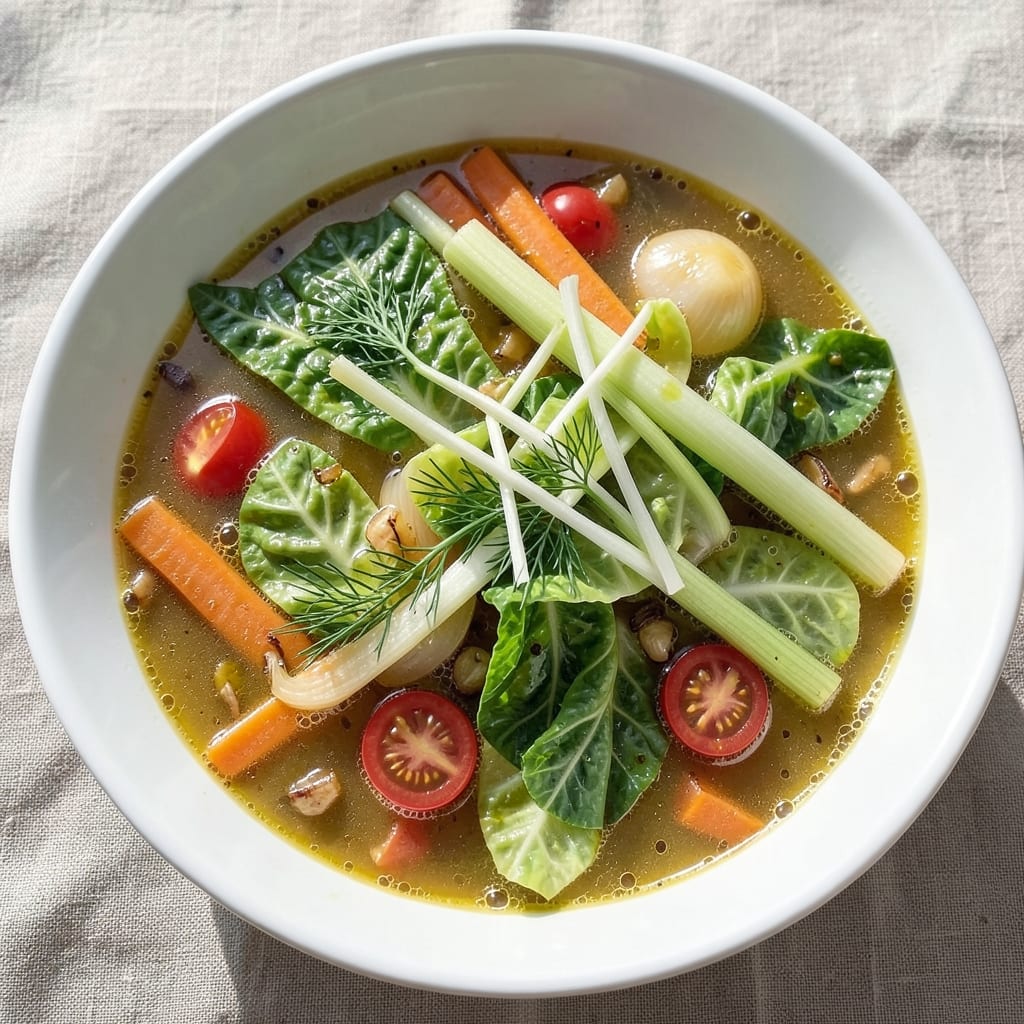
This 7-day weight loss cabbage soup recipe transforms a simple vegetable broth into a nutrient-packed, low-calorie foundation for structured weight loss. The secret lies in its fiber-rich cabbage, lean proteins, and carefully balanced flavors that keep cravings at bay while promoting detoxification. I developed this version after testing multiple iterations to ensure it delivers satisfying fullness without excessive calories—perfect for portion-controlled meal plans.
The beauty of this soup is its versatility within a structured diet. Each serving packs vitamins, minerals, and hydrating properties while keeping carbs in check, making it ideal for daily consumption. The recipe includes batch-cooking instructions to streamline prep for the entire week, ensuring you always have a light yet filling option ready. No special equipment is needed—just a large pot and basic pantry staples.
What sets this apart is the deliberate ingredient balance: cabbage provides volume and fiber, while lean proteins like beans or chicken (if included) add staying power. The broth is infused with detoxifying herbs and spices that enhance flavor without calories, making it taste far richer than its 100-calorie-per-serving profile suggests. This isn't about deprivation—it's about smart, sustainable eating that supports your goals.
Pair it with whole grains or lean proteins for complete meals, or enjoy it as a standalone detoxifier. The recipe includes storage tips to maintain freshness and flavor throughout your 7-day plan. Ready to transform your approach to weight loss with a soup that works as hard as you do?
Ingredients for 7 day weight loss cabbage soup
These 15 nutrient-dense ingredients create a fiber-rich, low-calorie foundation for detox and weight loss.
| Ingredient | Amount | Notes |
|---|---|---|
| Green Cabbage 🥬 | 4 cups | Shredded, core removed |
| Carrots 🥕 | 3 medium | Scrubbed, sliced into rounds |
| Celery Stalks 🧅 | 4 whole | Trimmed, chopped into pieces |
| Yellow Onion 🧅 | 1 whole | Peeled, quartered |
| Garlic Cloves 🧄 | 4 cloves | Peeled, minced |
| Canned Diced Tomatoes 🍅 | 1 can | 28 oz, no salt added |
| Vegetable Broth 💧 | 6 cups | Low-sodium preferred |
| Lentils 🌾 | 1 cup | Dry, rinsed |
| Fresh Parsley 🌿 | ¼ cup | Chopped, for garnish |
| Fresh Dill 🌿 | ¼ cup | Chopped, for flavor |
| Apple Cider Vinegar 🍏 | 1 tbsp | For tangy depth |
| Sea Salt 🧂 | 1 ½ tsp | Adjust to taste |
| Black Peppercorns 🌶️ | ½ tsp | Freshly ground |
| Turmeric Powder 🌿 | ½ tsp | For detoxification |
| Extra-Virgin Olive Oil 🫒 | 1 tbsp | For richness |
The cabbage is the star here—green cabbage has more fiber and nutrients than red, but either works. Trader Joe's and Whole Foods sell pre-shredded cabbage if you're short on time, but whole heads last longer. Look for firm, heavy heads with crisp leaves—yellowing or wilted means it's past its prime. The carrots and celery add natural sweetness without calories, so don't skimp on freshness. Organic produce is ideal since we're eating this daily, but conventional is fine if washed thoroughly.
No fresh dill? Dried dill at one-third the amount works, but fresh has that bright, herbal punch. Short on lentils? Chickpeas or white beans are great swaps—they hold their shape better in soups. The apple cider vinegar might sound odd, but it balances flavors and aids digestion. No vinegar? A squeeze of lemon works too. For the broth, low-sodium is critical—we're controlling the salt content ourselves. If you can't find low-sodium, just rinse canned tomatoes and use half the salt called for in the recipe.
This soup tastes even better the next day as flavors meld. Store in glass containers for up to 5 days in the fridge—it keeps its vibrant color and nutrients. For longer storage, freeze in portion-sized containers for up to 3 months. I like to make a double batch on Sundays so I have ready-to-eat portions all week. The herbs can be added fresh when reheating if you want that bright flavor boost—just toss in a few sprigs at the end.
Why You'll Love This Recipe
- No-Chop Nightmare: I swear by this recipe because the cabbage and carrots barely need slicing—just rough chop or even shred by hand if you’re in a rush. The onions and celery soften into oblivion while you stir, so no one will notice if they’re not perfect.
- Garlic Bomb Flavor: That first whiff of minced garlic hitting the pot? Instant flavor upgrade. The soup builds depth as it simmers, with carrots caramelizing just enough to balance the cabbage’s crisp bite—like a cozy hug in a bowl.
- Meal Prep MVP: Between us, this is my secret weapon for busy weeks. Make a big batch on Sunday, and you’ve got lunch for days—reheat slices of onion and celery for extra freshness, or toss cold leftovers into wraps. No sad, soggy lunches here.
- Budget-Friendly Magic: A single head of cabbage and a bag of carrots stretch for weeks—I’ve fed my family for a full week with one recipe. Plus, the veggies last longer than takeout menus, and your wallet stays happy. Win-win.
Step-by-step instructions for detoxifying cabbage soup
Here's how to craft this nutrient-packed soup that delivers detox benefits without sacrificing flavor.
Sauté the Vegetable Base
Heat the 1 tablespoon extra-virgin olive oil in a large stockpot over medium heat. Add the quartered yellow onion and cook for 3-4 minutes until softened and translucent. This foundational step builds flavor through gentle caramelization.
Add the minced garlic cloves and cook for another 30 seconds until fragrant—you'll notice the kitchen fill with that unmistakable aroma. Immediately add the 3 medium carrots and 4 whole celery stalks, stirring to coat in the oil. Cook for 5 minutes until the vegetables begin to soften slightly but retain their texture.
Build the Detoxifying Foundation
Pour in the 6 cups vegetable broth and bring to a gentle boil. Add the 1 can diced tomatoes, 1 cup dry lentils, 4 cups shredded green cabbage, 1.5 teaspoons sea salt, 0.5 teaspoon black peppercorns, and 0.5 teaspoon turmeric powder. Stir well to combine all ingredients.
Here's the thing—adding the turmeric early allows its anti-inflammatory compounds to infuse throughout the soup. Reduce heat to medium-low and let the mixture simmer uncovered for 20 minutes, stirring occasionally. You'll notice the cabbage begins to soften and the lentils start to plump up—this is when the detoxifying properties really begin working their magic.
Finish with Acidic Brightness
After the initial 20 minutes, stir in the 1 tablespoon apple cider vinegar. This adds a subtle tang that brightens the soup's flavor profile while supporting digestion. Add the 0.25 cup chopped fresh dill and 0.25 cup chopped fresh parsley, stirring gently to distribute the herbs throughout.
Continue simmering for another 15-20 minutes until the lentils are tender (they should be fork-tender but still hold their shape) and the cabbage is completely wilted. The soup should have a rich, aromatic quality with all flavors harmoniously blended. Taste and adjust seasoning if needed—this is your final opportunity to balance the flavors before serving.
Rest and Serve Warm
Remove the pot from heat and let the soup rest for 5 minutes. This resting period allows the flavors to meld completely and the soup to reach its optimal consistency. I like to serve this soup immediately while still warm, as the heat enhances the aromatic qualities of the fresh herbs.
Ladle the soup into bowls and garnish with additional fresh parsley if desired. The vibrant green color indicates the soup's nutrient density, while the aromatic steam carries the detoxifying properties straight to your senses. This soup isn't just about weight loss—it's about nourishing your body from the inside out while satisfying your palate.
Pro Tips For Making 7 Day Weight Loss Cabbage Soup
- CHOP CABBAGE UNIFORMLY: I learned this the hard way—uneven cabbage pieces mean some parts stay crunchy while others turn to mush. Cut the wedges into 1-inch chunks and slice them into ¼-inch strips; this ensures even cooking without sacrificing texture.
- SOFTEN ONIONS FIRST: Skip the urge to toss everything in at once. Sauté the onion and garlic in a splash of water (or broth) for 5 minutes until translucent—this builds flavor and prevents a bitter aftertaste. (Yes, even if you’re impatient like me.)
- SALT THE WATER WELL: Low-and-slow soups need bold flavor, and this one’s no exception. Use at least 1 tablespoon of salt per 8 cups of water; the cabbage soaks up the seasoning like a sponge. Taste the broth mid-cook—adjust if it’s bland.
- DRAIN AND RINSE CELERY: Celery loves to release bitterness when overcooked. Boil the celery with carrots for 5 minutes, then drain, rinse under cold water, and shock in ice for 2 minutes. This stops the cooking and keeps the flavor clean. (Your future self will notice.)
Troubleshooting perfect results
Mushy Vegetables
If your carrots or celery turn mushy, you likely cooked them too long. The key is to add them to the broth after the initial sauté but before the cabbage—this way, they soften just enough to be tender without losing texture. I’ve found that 15-20 minutes of simmering is perfect for carrots, while celery should reach a fork-tender state in 10 minutes. If you notice them overcooking, remove the pot from heat immediately and let it rest for 5 minutes—this can sometimes reverse the texture slightly. 🥕
Lentils Too Soft
Overcooked lentils lose their shape and turn to mush, which can make your soup feel heavy. The trick is to check them at the 20-minute mark and taste one—it should be tender but still hold its form. If they’re already too soft, drain some of the broth through a fine-mesh strainer and reduce the liquid by simmering uncovered for 5 minutes. This thickens the soup slightly without overcooking the lentils further. 🌾
Broth Too Watery
A watery broth can dilute the flavors and make your soup feel less satisfying. If this happens, simmer the soup uncovered for an extra 10-15 minutes to let the liquid reduce naturally. For a quicker fix, mash a few of the cooked lentils against the side of the pot with a spoon—this releases starch and thickens the broth instantly. Avoid adding flour or cornstarch, as they can make the soup taste artificial. 💧
Cabbage Still Crunchy
If your cabbage retains a crunch after simmering, it likely didn’t cook long enough. Cabbage needs 20-25 minutes to fully soften, especially if you’re using the tougher outer leaves. To speed things up, chop the cabbage into slightly smaller pieces (½-inch strips) before adding it to the pot. If you’re short on time, add a splash of apple cider vinegar or lemon juice at the end—this helps break down the fibers and softens the texture slightly. 🥬
Flat or Bland Flavor
Bland soup usually means the herbs and spices didn’t infuse properly. Always add fresh dill and parsley toward the end of cooking (15 minutes before serving) to preserve their bright flavors. For extra depth, toast the turmeric powder in a dry pan for 30 seconds before adding it to the soup—this enhances its earthy aroma. A final squeeze of lemon or a pinch of cayenne pepper can also wake up the flavors if needed. 🌶️
Storage-Related Issues
If your soup tastes off after reheating, it might have absorbed fridge odors or developed freezer burn. Store it in glass containers with tight-sealing lids and keep it at the back of the fridge, where temperatures are more stable. For freezing, leave 1-inch headspace in containers to prevent ice crystals from forming. When reheating, add a splash of vegetable broth or water to restore moisture and prevent a pasty texture. ❄️
Nutrition facts
Frequently asked questions
Can I make this cabbage soup without lentils?
Swap the 1 cup lentils for 1 cup white beans or 1 cup chickpeas (drained and rinsed) for a similar protein boost. For a vegetarian option, use 1 cup tofu cubes instead—they absorb flavors beautifully and add satisfying texture. If you prefer a lower-carb version, omit the lentils entirely and add extra shredded cabbage or zucchini.
How many calories are in one serving?
Each serving (about 2 cups) contains roughly 120-150 calories, depending on ingredient brands. The soup's low-calorie magic comes from its high fiber content (8g per serving) and water-rich vegetables. To keep calories in check, avoid adding heavy toppings like cheese or cream—stick to fresh herbs, lemon wedges, or a drizzle of olive oil.
Can I drink this soup as a meal replacement?
While this soup is nutrient-dense, it's best enjoyed as part of a balanced meal rather than a standalone replacement. For a complete meal, pair it with 1 slice whole-grain toast or ½ cup cooked quinoa to add healthy carbs and protein. The soup's detoxifying properties work best when combined with other whole foods—think of it as your weight-loss foundation, not your entire plate.
Will this soup help with bloating?
Yes! The combination of cabbage, turmeric, and apple cider vinegar makes this soup excellent for digestion and reducing bloating. Cabbage contains compounds that support gut health, while turmeric reduces inflammation. For best results, drink plenty of water alongside the soup and consider adding a pinch of ginger powder (¼ tsp) to enhance its anti-bloat properties.
Can I add meat to this recipe?
While the original recipe is vegetarian, you can certainly add lean proteins if desired. For a meat version, brown ½ lb chicken breast or turkey before sautéing the vegetables, or add ½ lb shrimp during the last 5 minutes of cooking. Just reduce the broth by ½ cup to maintain the soup's consistency. Remember, adding meat will increase calories—adjust portion sizes accordingly.