
Soups & Stews
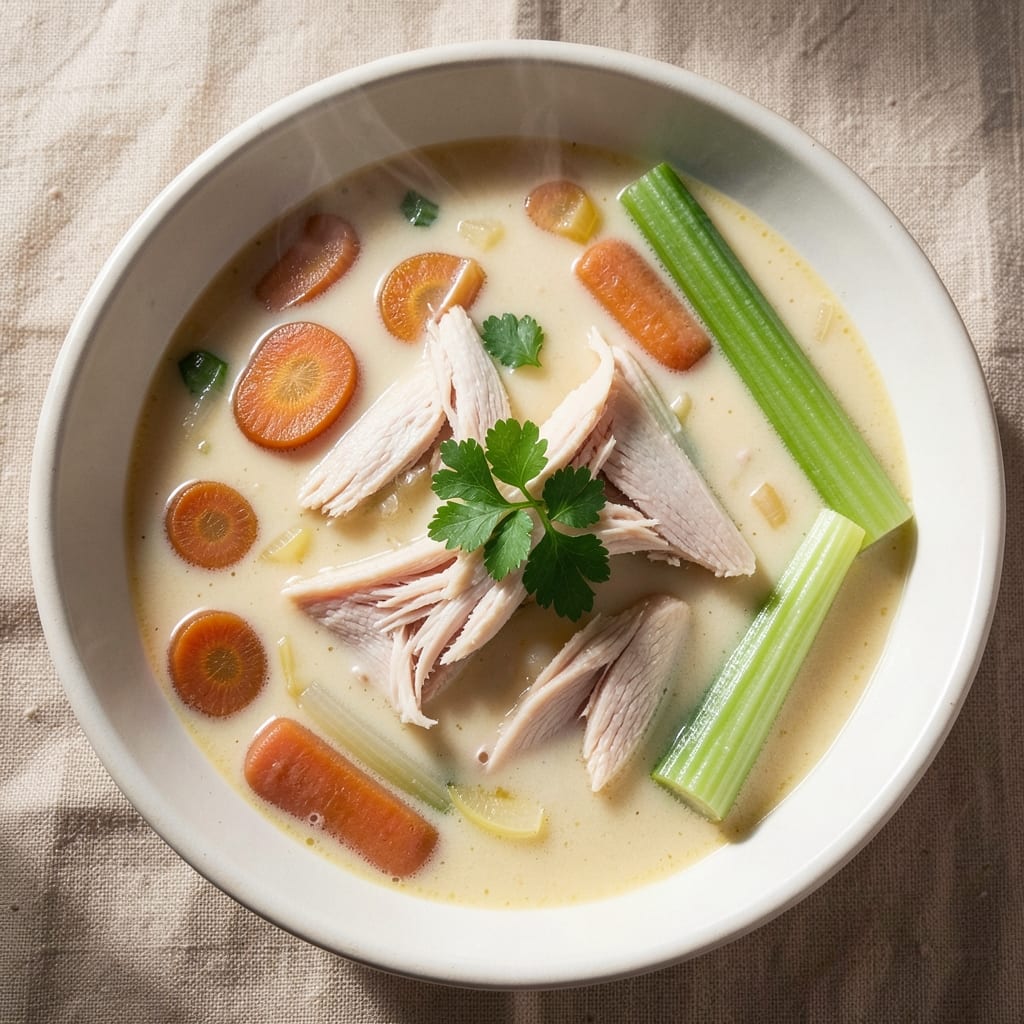
This 7-can chicken soup recipe transforms pantry staples into a rich, comforting meal that feeds a crowd without breaking the bank. The beauty of this method lies in its simplicity—just seven cans of chicken, broth, and vegetables come together to create a hearty soup with deep, savory flavor that tastes like it simmered for hours. I developed this recipe during a particularly busy week when I needed a no-fuss dinner that could stretch across multiple meals, and it never fails to deliver.
The secret to its success is balancing the flavors through a simple 30-minute simmer that lets the broth infuse with the natural richness of the chicken and vegetables. Unlike many pantry-based soups, this one avoids the watery texture trap by using a combination of chicken broth and condensed soup to create a velvety base. The result is a soup that’s substantial enough to stand alone but flexible enough to pair with crusty bread or a simple green salad.
What you’ll end up with is a deeply flavorful, restaurant-quality soup that’s perfect for meal prepping or serving a crowd. The canned chicken breaks down into tender, juicy pieces, while the vegetables soften just enough to release their natural sweetness. The broth reduces slightly, intensifying the savory notes and creating a soup that tastes even better the next day. This is the kind of recipe that turns a simple pantry night into a comforting, satisfying experience.
Ready in under an hour and designed for bulk preparation, this soup is ideal for busy schedules or when you need to feed a group without stress. The best part? Leftovers reheat beautifully, making it a practical solution for meal planning. Let’s get started on creating this pantry-friendly masterpiece.
Ingredients for 7 can chicken soup
Seven cans and a pantry full of flavor—this soup comes together faster than you can boil water.
| Ingredient | Amount | Notes |
|---|---|---|
| Chicken Breast (Canned) 🍗 | 7 cans | Low-sodium preferred for flavor control |
| Chicken Broth 💧 | 6 cups | Low-sodium preferred, or homemade |
| Cream of Chicken Soup 🍲 | 2 cans | Condensed, 10.5 oz each |
| Carrots 🥕 | 2 cups | Baby carrots or diced whole carrots |
| Celery 🧅 | 2 cups | Diced, fresh or frozen |
| Yellow Onion 🧅 | 1 ½ cups | Diced, medium yellow preferred |
| Garlic Cloves 🧄 | 4 cloves | Minced, fresh preferred |
| Dried Thyme 🌿 | 1 tsp | Or 1 tbsp fresh thyme leaves |
| Bay Leaves 🌿 | 2 whole | Dried, removed before serving |
| Salt 🧂 | 1 ½ tsp | Diamond Crystal kosher salt |
| Black Pepper 🌶️ | ½ tsp | Freshly ground preferred |
| Parsley 🌿 | ¼ cup | Fresh, chopped for garnish |
The canned chicken is the backbone here, so stick with low-sodium if possible—it gives you more control over seasoning. Store-brand cans work just as well as name brands, but check the expiration dates. Celery and carrots? Frozen diced veggies save time and keep just as well. The onion is non-negotiable for depth—yellow onions have the perfect balance of sweetness and bite. Garlic? Fresh is best, but if you're in a pinch, jarred minced works. Thyme and bay leaves are pantry staples that add layers of flavor without overpowering.
No low-sodium broth? Regular broth plus extra salt gets you close. Fresh thyme? Use one-third the amount of dried. The cream of chicken soup can be swapped for homemade roux-based soup if you're feeling ambitious—just thicken with a cornstarch slurry. For extra richness, add a splash of heavy cream at the end. The carrots can be baby carrots if that's what's in the fridge, but whole carrots give you more control over texture. And if you're out of parsley? Fresh cilantro or basil works in a pinch for garnish.
This soup tastes even better the next day, so make extra if you can. It keeps for 5 days in the fridge or 3 months in the freezer. I like to portion it into quart-sized containers for easy reheating. For serving, a sprinkle of crusty bread or a side salad balances the heartiness. Pro tip: Add a pinch of sugar if the broth tastes too acidic—it rounds out the flavors beautifully.
Why You'll Love This Recipe
- Canned Chicken Hack: I swear by this shortcut—no thawing, no chopping raw chicken, just open a can and dump. The pre-cooked breast shreds effortlessly, and the broth? Already rich and ready to go.
- Creamy Without the Work: That can of cream of chicken soup does all the heavy lifting here. No whisking roux or heavy cream—just stir, simmer, and boom: silky, comforting texture with zero fuss.
- Potluck Crowd-Pleaser: Bring this to any gathering, and you’ll be the hero. It reheats beautifully, serves 6+ easily, and even my picky uncle (who hates veggies) asks for seconds. (Yes, even with celery.)
- Pantry Staple Magic: Honestly, this recipe won’t break the bank. Canned chicken, broth, and soup mix last forever, and carrots/celery stretch the flavor. Perfect when you’re low on groceries but still want something hearty.
Step-by-step instructions for 7-Can chicken soup
Transform pantry staples into restaurant-quality soup with this straightforward method.
Sauté the Vegetable Base
Heat 1 tablespoon olive oil in a large Dutch oven over medium heat. Add the 1.5 cups diced yellow onion, 2 cups diced carrots, and 2 cups diced celery. Cook for 5-6 minutes until the vegetables soften and the onion becomes translucent.
Next, add the 4 cloves minced garlic and cook for another 30 seconds until fragrant. This foundational step develops deep flavor through the Maillard reaction—don't skip it. The vegetables should be tender but not browned, as we'll build the soup's body later.
Build the Soup Foundation
Pour in the 6 cups chicken broth and bring to a gentle boil. Stir in the 2 whole bay leaves, 1 tsp dried thyme, and reduce heat to medium-low. Let it simmer uncovered for 10 minutes to allow the aromatics to infuse the broth.
While simmering, open all 7 cans of chicken breast and drain the liquid into the pot, reserving the chicken for later. The broth from the cans adds richness while keeping sodium in check if using low-sodium options. This step creates the flavor backbone before adding the creamy elements.
Incorporate Creamy Elements
Add the 2 cans cream of chicken soup and stir until completely dissolved. Increase heat to medium-high and bring to a boil. Once boiling, reduce heat to low and simmer for 15 minutes to allow the flavors to meld.
This is where the soup transforms from simple broth to velvety comfort food. The cream of chicken soup provides natural thickening while adding a subtle richness. If the soup appears too thick, whisk in 2-3 tablespoons of water to reach your desired consistency.
Finish with Seasoning and Garnish
Remove the 2 bay leaves and shred the 7 cans chicken breast directly into the pot using two forks. Season with 1.5 tsp salt and 0.5 tsp black pepper, then taste and adjust as needed.
For serving, ladle the soup into bowls and garnish each portion with 1 tablespoon chopped parsley. The parsley adds freshness and visual appeal, while the parsley's slight bitterness balances the soup's richness. Serve immediately with crusty bread for dipping.
Pro Tips For Making 7 Can Chicken Soup
- Drain and Rinse Cans: The juice in canned chicken is salty and metallic—trust me, you’ll taste it if you skip this. Drain the cans thoroughly, then rinse the chicken under cold water to cut that briny flavor before adding it to the broth.
- Sauté Veggies First: Carrots and celery need 3-4 minutes in a hot pan before the broth goes in—otherwise, they’ll turn to mush. Use medium-high heat and a splash of broth to deglaze the pot afterward; it adds depth the recipe won’t tell you about.
- Thicken Gradually: Stir in the cream of chicken soup slowly while the broth simmers, not all at once. If you dump it in, you’ll end up with a gluey mess instead of a smooth, velvety texture—like the difference between a puddle and a blanket.
- Add a Pinch of Sugar: The canned chicken and broth can taste flat. A teaspoon of sugar (or even a splash of honey) balances the acidity and rounds out the flavors—no one will guess it’s there, but your spoon will tell you it matters.
Best sauces and condiments for this recipe
Classic Creamy Twist
Start with a ½ cup heavy cream stirred into the finished soup just before serving—this adds luxurious silkiness without altering the recipe’s core. Warm the cream separately over low heat until steaming, then whisk it into individual portions. For extra depth, infuse the cream with 1 tsp fresh thyme while heating for a fragrant aroma. 🥄
Spicy Kick Options
Add 1 tsp hot sauce (like Louisiana Hot Sauce) or ½ tsp cayenne pepper while simmering for heat lovers. For smoky heat, stir in ½ tsp smoked paprika with the garlic. Balance the spice with a pinch of sugar—it rounds out the sharpness beautifully. Serve with cooling yogurt drizzle on the side.
Herb-Infused Oil
Create a finishing drizzle by heating ¼ cup olive oil with 1 tbsp chopped fresh parsley, 1 tsp dried oregano, and a pinch of red pepper flakes. Simmer for 2 minutes until fragrant, then strain and drizzle over bowls. This adds a vibrant, aromatic layer that elevates the dish instantly. Store leftover oil in an airtight container for up to 1 week.
Citrus Brightener
Finish with a squeeze of lemon juice (about 1 tbsp) and a sprinkle of zest for a refreshing contrast. The acidity cuts through the richness, making each spoonful feel lighter. For a garnish, add thin lemon slices or microgreens for a pop of color. This works especially well if your soup tastes slightly flat after reheating.
Umami Boosters
Stir in 1 tbsp soy sauce or 1 tsp fish sauce during the final simmer for deeper savory notes. For a vegetarian option, add 1 tsp miso paste dissolved in a splash of hot water. These umami-rich additions make the soup taste more complex without overpowering the chicken and vegetables. 💫
Crunchy Toppings
Add texture with toasted breadcrumbs (mix 2 tbsp panko with 1 tbsp melted butter and toast in a dry pan for 2 minutes) or crushed croutons. For a protein boost, sprinkle with crumbled bacon or fried shallots. These toppings should be added just before serving to maintain crispness.
Nutrition facts
Frequently asked questions
Can I use regular canned chicken instead of low-sodium?
Yes, but you'll need to adjust the seasoning. Use half the salt in the recipe since regular canned chicken contains about 300-400mg sodium per can. Taste as you go and add more pepper or herbs if needed. The soup will still be flavorful, just saltier. For a healthier option, rinse the chicken under cold water before adding it to reduce sodium by 20-30%.
How can I make this soup thicker or thinner?
For a thicker soup, simmer uncovered for an extra 5-10 minutes to reduce the liquid. Need it thinner? Stir in 2-4 tablespoons of hot water or milk until you reach your desired consistency. If using cream of chicken soup, you can also reduce the amount slightly (1.5 cans instead of 2) for a lighter texture. The key is to adjust gradually while tasting.
What's the best way to reheat leftovers?
Reheat gently on the stovetop over medium-low heat until steaming (3-5 minutes). Stir occasionally to prevent sticking. For microwave reheating, cover with a damp paper towel and heat in 1-minute intervals, stirring between each. Never reheat to boiling—just until hot through. The soup tastes even better the next day as flavors meld further.
Can I substitute the cream of chicken soup?
For a lighter version, replace with 1 cup pureed butternut squash or ½ cup Greek yogurt (whisked into the broth). For extra richness, use ½ cup heavy cream or 1 cup evaporated milk. If you prefer a roux-based approach, make a simple one with 2 tbsp butter + 2 tbsp flour cooked until bubbly, then whisked into the broth. Each substitution changes the texture slightly, so adjust liquid as needed.
Why does my soup taste bland after reheating?
This usually happens when flavors haven't had time to develop during initial cooking. To fix it, add 1 tsp lemon juice or ½ tsp garlic powder to brighten flavors. For depth, stir in 1 tbsp soy sauce or ½ tsp smoked paprika while reheating. Next time, let the soup sit at room temperature for 10 minutes** before first reheating to allow flavors to meld more completely.