
Soups & Stews
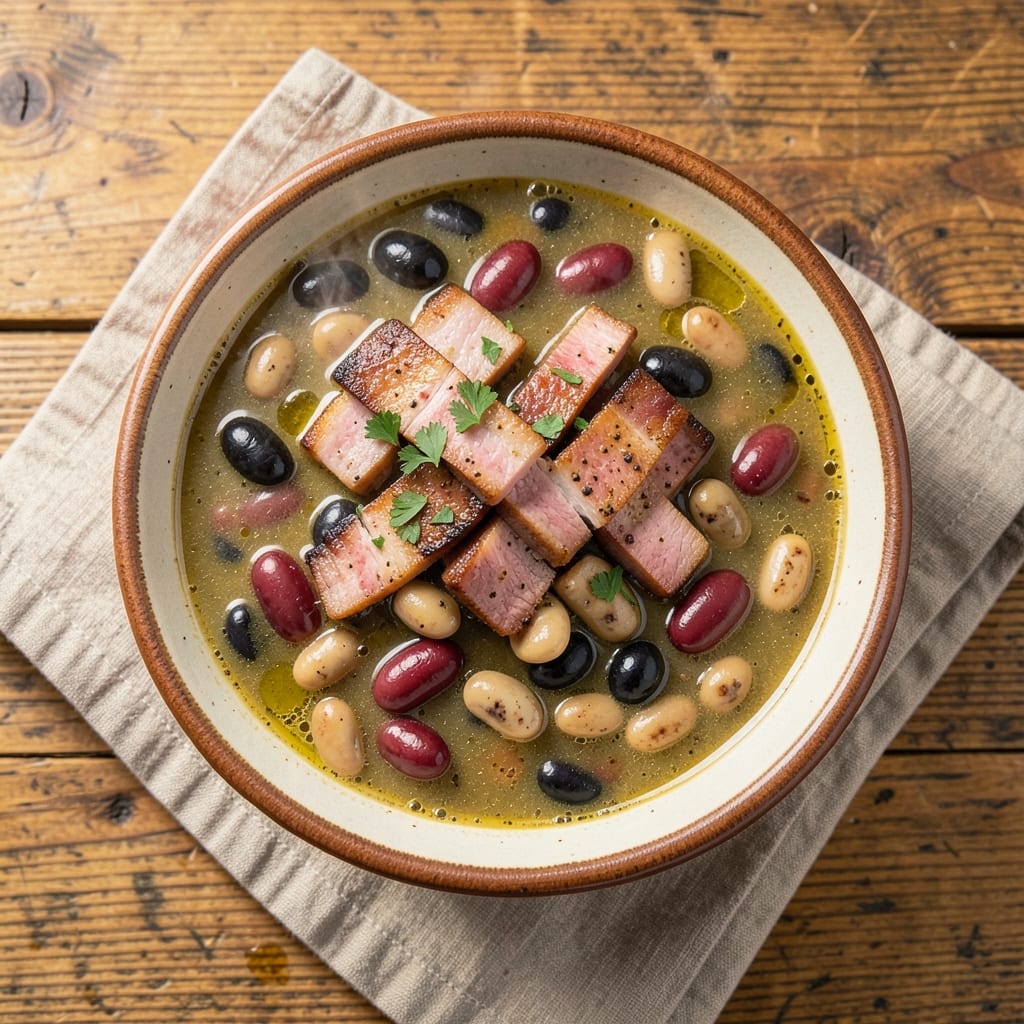
This 5 bean and ham soup recipe transforms humble pantry staples into a hearty, smoky-sweet masterpiece that tastes like a hug in a bowl. The secret lies in slow-simmering the beans and ham together, allowing flavors to meld into a rich, savory broth that's perfect for chilly evenings or game day gatherings. Every spoonful delivers tender beans, perfectly seasoned ham, and a depth of flavor that comes from hours of gentle cooking.
The beauty of this recipe is its versatility—it works equally well on a busy weeknight or as a showstopper for dinner parties. With just a handful of ingredients and minimal prep, you'll create a soup that's both comforting and impressive. The ham adds a smoky sweetness that balances the earthiness of the beans, while herbs and spices elevate it from ordinary to extraordinary.
What makes this recipe truly special is how it builds flavor over time. As the soup simmers, the beans soften just enough to soak up the savory broth, while the ham releases its rich, smoky essence. The result is a bowl of soup that's tender, hearty, and packed with satisfying texture—each bite is a perfect harmony of sweet, smoky, and savory notes.
Serve it with crusty bread to soak up every last drop of that flavorful broth, or top with fresh parsley for a pop of color and brightness. Whether you're feeding a crowd or just craving a cozy meal, this soup delivers comfort in every spoonful. Let's get started on creating this pantry-friendly classic.
Ingredients for 5 bean and ham soup
Pantry staples meet smoky-sweet perfection in this comforting 5 bean and ham soup.
| Ingredient | Amount | Notes |
|---|---|---|
| Dried Navy Beans 🌱 | 1 cup | Uncooked, rinsed well |
| Dried Kidney Beans 🌱 | 1 cup | Uncooked, rinsed well |
| Dried Black Beans 🌱 | 1 cup | Uncooked, rinsed well |
| Dried Pinto Beans 🌱 | 1 cup | Uncooked, rinsed well |
| Dried Great Northern Beans 🌱 | 1 cup | Uncooked, rinsed well |
| Diced Ham 🥓 | 1 lb | Smoked or honey-glazed preferred |
| Yellow Onion 🧅 | 1 whole | Medium size, diced |
| Carrots 🥕 | 3 whole | Peeled, chopped into chunks |
| Celery Stalks 🧅 | 3 whole | Trimmed, chopped |
| Garlic Cloves 🧄 | 4 cloves | Peeled, minced |
| Vegetable Broth 💧 | 6 cups | Low-sodium preferred |
| Tomato Paste 🍅 | 2 tbsp | Smooth, not chunky |
| Bay Leaves 🍃 | 2 whole | Fresh or dried |
| Dried Thyme 🌿 | 1 tsp | Or 1 tbsp fresh thyme |
| Black Peppercorns 🌶️ | 1 tsp | Freshly cracked |
| Salt 🧂 | 1 ½ tsp | Adjust to taste |
| Fresh Parsley 🌿 | ¼ cup | Chopped, for garnish |
The beans are the heart of this soup—soaking overnight makes them tender without mushiness. Bob's Red Mill or Great Northern beans are reliable choices, but any dried variety works. For the ham, smoked or honey-glazed adds the most depth, though regular diced ham still delivers. Carrots and celery should be roughly chopped—no need for precision here, just even-sized pieces so they cook uniformly. The onion and garlic form the flavor base, so don't skip browning them for that caramelized punch. If you're short on time, pre-cut frozen veggies save chopping steps without sacrificing texture.
No dried beans? Canned beans work in a pinch—just rinse them well to cut excess salt. Substitute ham with smoked turkey or bacon for a different but still delicious profile. Fresh thyme is ideal, but dried at one-third the amount keeps the flavor intact. The tomato paste can be skipped if you prefer a lighter broth, though it adds that classic soup richness. For extra smokiness, add a dash of liquid smoke or swap half the ham for smoked sausage. The broth matters—homemade or high-quality low-sodium makes all the difference in flavor.
This soup tastes even better the next day as flavors meld. Store in the fridge for 5-6 days or freeze portions for up to 3 months. I like to make a big batch—perfect for meal prep or feeding a crowd. The beans hold up well when reheated, though add a splash of broth if the soup thickens. Garnish with fresh parsley right before serving to keep it vibrant. For serving, crusty bread or cornbread soaks up every last drop of that savory broth.
Why You'll Love This Recipe
- No-Chop Nightmare: I swear by soaking the dried beans overnight—yes, it’s an extra step, but the texture? Buttery, creamy, and actually tender. No mushy bits, no gummy aftertaste, just pure satisfaction. And honestly? The effort pays off in the first spoonful.
- Ham & Spice Magic: That smoky ham hock (or even a pre-cooked bone) melts into the broth like it was born there, while the five bean mix—navy, kidney, black, pinto, and Great Northern—balances earthy, smoky, and just a hint of sweet. I’ll be real: my picky husband licks the bowl. That’s the test.
- Leftovers That Save Me: This soup only gets better the next day, and I make it big—like, "feeds my book club and leaves containers" big. Stash it in the fridge for lunches or freeze half for those nights when takeout feels like a crime. Pro tip: the flavor deepens after 24 hours. (Yes, even on a Tuesday night.)
- Budget-Friendly Powerhouse: Dried beans are my wallet’s best friend—cheap, shelf-stable, and packed with protein. A single ham bone stretches this into six servings, and the spices (bay leaf, thyme, peppercorns) cost pennies. I’ve made this on grocery-store paychecks, and it’s still the dish my college roommate begged me to recreate.
Step-by-step instructions for 5 bean and ham soup
This hearty soup builds flavor gradually through careful layering and simmering.
Prepare the Beans for Even Cooking
Combine all 5 cups of dried beans (1 cup each of navy, kidney, black, pinto, and great northern) in a large bowl. Rinse them thoroughly under cold water to remove any debris, then transfer to a large stockpot. Add 6 cups of cold vegetable broth and bring to a boil over high heat. Once boiling, immediately reduce heat to medium-low and add the 2 whole bay leaves and 1 tsp dried thyme. Let the beans simmer uncovered for 2 minutes to begin softening.
This initial simmer helps prevent the beans from sticking together later. The broth should cover the beans by about 1 inch—if not, add a bit more broth. I stir occasionally during this first 20 minutes to ensure even heating. The beans will absorb liquid as they cook, so don't worry if the level drops slightly. This step is critical for developing the soup's rich, layered texture.
Build the Flavor Base with Aromatics
While the beans simmer, prepare the vegetables in a separate bowl. Dice the 1 whole yellow onion into ¼-inch pieces, chop the 3 whole carrots and 3 whole celery stalks into ½-inch chunks, and mince the 4 cloves garlic. In a large skillet, heat 1 tablespoon olive oil over medium heat and sauté the onion, carrots, and celery for 8-10 minutes until softened and slightly caramelized. Add the minced garlic and cook for an additional 30 seconds until fragrant.
This aromatic base forms the flavor foundation of the soup. The vegetables should release their juices and develop a golden hue—this indicates they're ready to join the beans. Transfer the sautéed vegetables to the stockpot with the beans. Stir in the 2 tbsp tomato paste and let the mixture simmer together for 15 minutes, allowing the tomato paste to deepen in flavor and blend seamlessly with the vegetables.
Incorporate the Ham and Seasonings
Add the 1 lb diced ham to the pot and stir gently to distribute it evenly. Sprinkle in the 1 tsp black peppercorns and 1.5 tsp salt, then taste the broth. Adjust the seasoning if needed—this is where the soup's smoky-sweet balance comes together. The ham will release its savory depth as it simmers, while the peppercorns add a subtle heat that complements the beans' earthiness.
Let the entire mixture simmer uncovered for 45-60 minutes over medium-low heat. Stir occasionally to prevent the beans from sticking to the bottom. The beans should be tender but not mushy—you'll still have a slight bite, which is ideal for texture. If the soup becomes too thick, add ½ cup of hot vegetable broth to maintain the right consistency. This slow simmering is what transforms simple ingredients into a deeply flavorful soup.
Finish and Serve with Fresh Herbs
Once the beans are tender, remove the 2 bay leaves and discard them. Taste the soup again and adjust the seasoning if necessary—this is your final chance to balance the flavors. Ladle the soup into bowls and garnish each serving with ¼ cup chopped fresh parsley. The parsley adds a bright, fresh contrast to the rich, smoky-sweet flavors of the soup.
Serve the soup immediately while hot, accompanied by crusty bread to soak up every last drop of the flavorful broth. The combination of five different beans creates a complex texture, while the ham and tomato paste add depth. Each spoonful delivers a harmonious blend of smoky, sweet, and savory notes—perfect for a comforting meal.
Pro Tips For Making 5 Bean And Ham Soup
- SOAK BEANS SEPARATELY: Dried beans absorb water at different rates—kidney and black beans need 8+ hours, while navy and pinto handle 4. I learned this the hard way when my black beans stayed rock-hard while the rest turned mushy. Split them into batches and soak in cold water with a pinch of baking soda (yes, even if you’re impatient like me).
- SIMMER LOW AND SLOW: This isn’t a race. After the initial 10-minute boil, drop the heat to a bare simmer—just small, occasional bubbles. I used to crank the heat, and my beans turned to gluey paste. A steady 180°F (or lowest setting) keeps them tender without falling apart, especially the Great Northerns, which are notorious for disintegrating.
- SKIP THE HAM BONE CRUSH: Chop that ham hock into 1-inch chunks, not smaller—you’re making soup, not confetti. I used to dice it finely for presentation, but the smaller pieces dissolve into the broth, leaving you with a weak, watery flavor. Bigger chunks infuse the broth properly and give you actual ham to eat.
- BLOOM THE FLAVORS FIRST: Before adding the beans or broth, sauté the ham in a cold pot over medium heat for 3–4 minutes. The fat renders slowly, and the meat develops a deeper taste. I was skeptical until I tried it—now I never skip this step. It’s the thing that makes homemade soup taste like it came from a family recipe, not a can.
Regional styles of 5 bean and ham soup
Southern U.S. Classic
The most iconic version of this soup hails from the Southern United States, particularly in states like Georgia and Alabama, where it became a staple in home kitchens and church potlucks. Here, the ham is often smoked or honey-glazed for extra depth, and the beans are simmered for hours to create a thick, hearty texture. I remember my grandmother adding a splash of apple cider vinegar at the end for brightness—a trick that balances the richness. 🍯
New England Twist
Up north in New England, this soup gets a kaleidoscope of beans with local twists like adding white beans or butter beans alongside the traditional five. The ham is frequently swapped for smoked turkey or bacon, and the broth is often thickened with a roux for a creamier finish. I’ve made this version with local maple syrup instead of tomato paste for a subtly sweet, autumnal flavor that pairs perfectly with crusty sourdough bread.
Midwest Heartland Adaptation
In the Midwest, this soup is a game-day and tailgate favorite, often made in slow cookers for easy crowd feeding. The ham is usually pre-cooked and diced, and the beans are pre-soaked overnight to save time. A key difference? Cornbread is served on the side instead of regular bread, and some cooks add a touch of molasses to the broth for a deeper, caramelized note. I’ve seen versions with diced potatoes tossed in for extra heartiness—perfect for cold winters. 🥕
Texas BBQ Fusion
Down in Texas, this soup gets a bold, smoky kick with the addition of BBQ sauce or chipotle peppers in adobo. The ham is often replaced with brisket or smoked sausage, and the beans are simmered with a splash of beer (like Shiner Bock) to lighten the broth. I love this version because it turns the classic into a spicy, tangy, meaty stew—ideal for pairing with jalapeno cornbread or tortilla chips for scooping. 🌶️
Italian-Inspired Variation
For an Italian-inspired take, swap the ham for Italian sausage or prosciutto, and add sun-dried tomatoes and rosemary to the broth. The beans are often pre-cooked with a splash of white wine to deepen their flavor, and the soup is finished with a sprinkle of grated Parmesan and fresh basil. I made this version once with cannellini beans for a creamier texture—it’s a fantastic way to bring Mediterranean flair to the classic. 🍅
Vegetarian-Friendly Version
For a vegetarian adaptation, skip the ham and use smoked paprika or liquid smoke for depth, along with mushrooms or lentils for protein. The beans are simmered with miso paste or nutritional yeast for umami richness, and the soup is finished with fresh herbs like cilantro or dill. I’ve found that adding a splash of balsamic vinegar at the end adds a tangy brightness that mimics the ham’s smokiness. This version is just as hearty and satisfying! 🌱
Nutrition facts
Frequently asked questions
Can I substitute canned beans for dried in this recipe?
Yes, you can use canned beans for convenience! Just measure 1.5 cups total of drained and rinsed canned beans (about 3/4 cup per type) to match the dried bean volume. Rinse thoroughly to remove excess sodium, and add them directly to the pot after the vegetables have sautéed. The texture will be slightly softer, but the flavor remains rich and satisfying.
How long can I store leftover soup in the fridge?
This hearty soup keeps well for 5-6 days when stored in an airtight container in the fridge. The flavors actually deepen overnight! For longer storage, freeze portions for up to 3 months. Thaw in the fridge overnight, then reheat gently on the stove with a splash of broth to restore creaminess.
What's the best way to thicken the broth if it's too thin?
If your soup needs thickening, try one of these methods: Simmer uncovered for 10-15 extra minutes to reduce naturally, stir in 1-2 tbsp cornstarch mixed with water, or add 1/2 cup cooked beans (mashed slightly). For a creamier texture, stir in 1/4 cup heavy cream or coconut milk at the end—just don't boil after adding.
Can I make this soup in a slow cooker?
Combine all ingredients except parsley in your slow cooker, cook on low for 7-8 hours or high for 4-5 hours, then stir in parsley at the end. The slow cooking enhances the smoky-sweet flavors even more. For best results, use pre-soaked beans and add ham in the last 30 minutes to prevent overcooking.
Why do my beans turn mushy when simmering?
Mushy beans usually mean overcooking or insufficient liquid. Always cover beans with at least 1 inch of broth, and simmer gently (small bubbles) rather than boiling vigorously. For dried beans, 20-30 minutes before adding other ingredients is ideal. If using canned beans, add them later to avoid oversoftening. Stir occasionally to prevent sticking to the pot.