
Soups & Stews
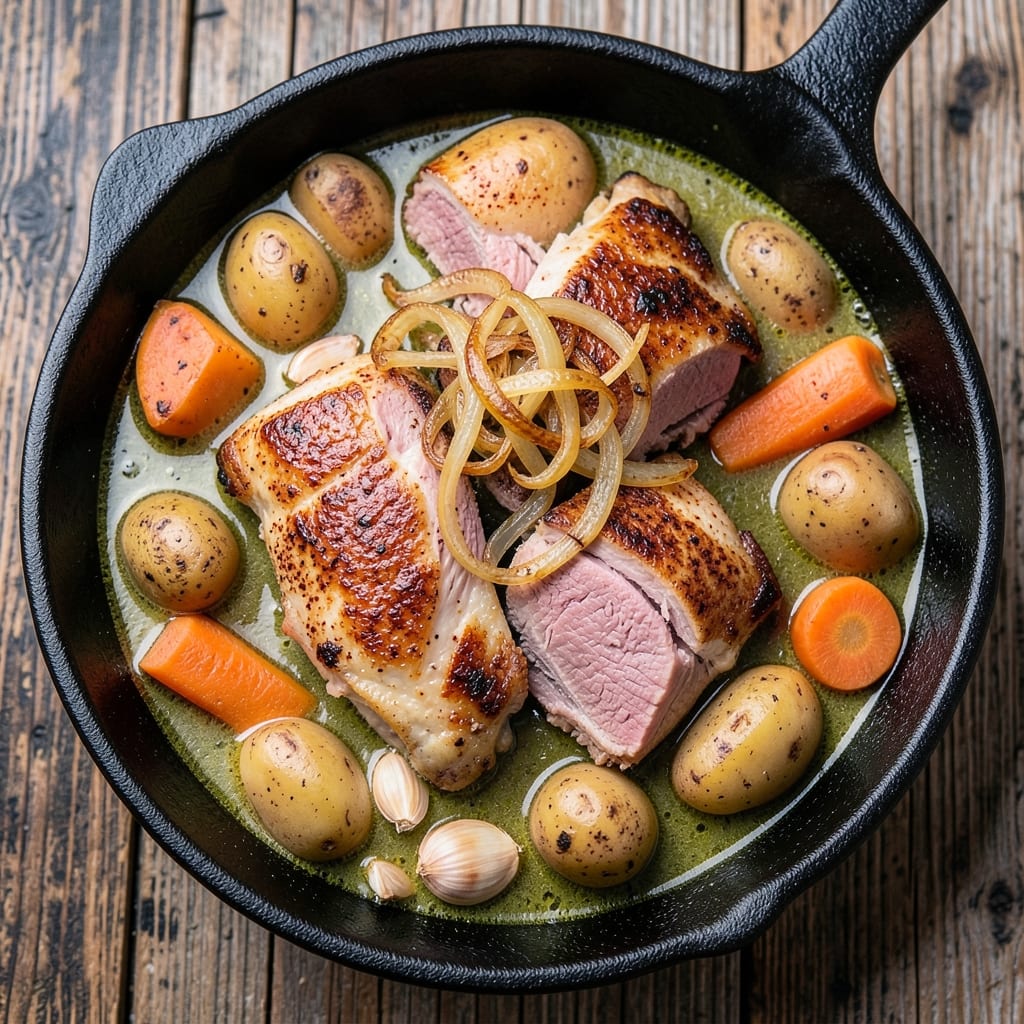
This 2 by 4 soup recipe brings Southern comfort to your table with its rich, slow-cooked layers of flavor—perfect for chilly evenings or family gatherings. The name comes from its traditional ingredients: 2 pounds of meat (chicken, pork, or both) and 4 pounds of vegetables (potatoes, carrots, turnips, and celery) simmered until tender. What makes it special is the deep, toasted spice base that builds flavor over hours of gentle cooking.
The beauty of this soup lies in its simplicity and tradition. You start by sautéing onions and garlic until golden, then add the meat and vegetables in stages, letting each layer infuse the broth. The slow simmer—typically 3 to 4 hours—transforms tough cuts into melt-in-your-mouth tenderness while developing a complex, aromatic depth. This is the kind of soup that tastes even better the next day, as flavors meld and intensify.
By the time you serve it, you’ll have a hearty, velvety broth with perfectly tender vegetables and meat that practically falls apart. The toasted spices add warmth and complexity, making every spoonful satisfying. It’s the kind of dish that feels like a hug in a bowl—comforting, nourishing, and deeply rooted in tradition.
Pair it with warm cornbread or crusty bread to soak up every last drop of that flavorful broth. The best part? This recipe scales easily, so you can make a big batch for a crowd or just enough for a cozy night in. Let’s get cooking!
Ingredients for 2 by 4 soup
Pantry staples meet slow-cooked magic for this classic Southern comfort soup.
| Ingredient | Amount | Notes |
|---|---|---|
| Onions, Yellow 🧅 | 2 whole | Chopped into 1/2-inch pieces |
| Garlic Cloves 🧄 | 8 cloves | Minced for deep flavor |
| Chicken Thighs, Bone-In 🍗 | 2 lb | Skin-on for extra richness |
| Pork Shoulder, Bone-In 🐖 | 2 lb | Cut into 1-inch cubes |
| Russet Potatoes 🥔 | 2 lb | Peeled, cut into 1-inch chunks |
| Carrots 🥕 | 1 ½ lb | Peeled, cut into 1-inch pieces |
| Turnips 🥬 | 1 ½ lb | Peeled, cut into 1-inch chunks |
| Celery Stalk 🌿 | 4 whole | Chopped into 1-inch pieces |
| Chicken Broth 💧 | 8 cups | Low-sodium preferred |
| Ground Black Pepper 🌶️ | 1 tbsp | Freshly cracked for heat |
| Dried Thyme 🌿 | 2 tsp | Toasted in oil for depth |
| Bay Leaves 🍃 | 2 whole | Fresh for best aroma |
| Salt 🧂 | 1 ½ tsp | Kosher or sea salt |
| Olive Oil 🫒 | ½ cup | For sautéing spices |
| Paprika, Smoked 🌶️ | 1 tbsp | Toasted in oil first |
The meat is where the soul of this soup lives. Bone-in chicken thighs and pork shoulder give you that rich, gelatinous broth that turns into velvety perfection after hours of simmering. I always grab family-sized cuts from Costco—they're cheaper per pound and have better marbling. If you're using pre-cut meat, check for any added fillers or anti-caking agents; fresh-cut is always better. The potatoes and turnips? Russets and yellow turnips hold their shape best, but any starchy potato works. Carrots and celery are the flavor anchors—don't skip the celery leaves, they pack extra flavor.
No bone-in meat? Substitute with chicken drumsticks or pork chops, but you'll need to add a little extra broth to compensate. Running low on thyme? Dried oregano at half the amount works in a pinch, but fresh thyme is ideal. The smoked paprika is non-negotiable here—it's what gives that deep, toasted flavor. Trader Joe's has a great affordable jar, or grab it from the international aisle at Walmart. For the broth, low-sodium is key—you'll be adding plenty of salt later. If you're making a big batch, consider doubling the broth and reducing it later for an even richer flavor. The celery? Use the leaves too—they're packed with flavor and often get tossed.
This soup tastes even better the next day, so make it ahead. Store in the fridge for up to 5 days or freeze portions for 3 months. I like to portion it into containers with a little extra broth on top to prevent drying. The meat will keep its tenderness, but the broth might thicken slightly—just add a splash of water when reheating. For serving, I always keep a small pot of broth warm on the stove so I can thin it out if needed. The toasted spices? Save the leftover oil—it's perfect for sautéing greens or topping toast the next day.
Why You'll Love This Recipe
- One-Pot Magic: I swear by this recipe when I’m too tired to scrub pots—just brown the chicken and pork, toss in chopped onions and potatoes, add broth, and let it simmer. No straining, no fuss, and the flavors meld together like they’ve been cooking all day.
- Deep, Rich Taste: That combo of bone-in chicken thighs and pork shoulder? Pure flavor gold. The meat falls off the bone while the potatoes soak up all the savory juices—crispy edges, tender centers, and a broth so rich you’ll want to drink it straight from the pot.
- Leftovers for Days: Between us, this soup only gets better the next day. I double the batch on Sundays so I can reheat a bowl for lunch without thinking. The potatoes stay creamy, the meat stays juicy, and honestly? I’d rather eat it cold from the fridge than takeout.
- Budget-Friendly Feast: Pork shoulder and chicken thighs are cheap cuts that pack serious protein. A single batch feeds my family of four (plus my dog, who steals bites) and costs less than half what I’d spend on pre-made soup. Plus, the potatoes stretch the meal further—win-win.
Step-by-step instructions for slow-cooked 2 by 4 soup
Here's how to build layers of flavor through toasting spices and slow-cooking meats and vegetables.
Toast the Spices in Olive Oil
Heat the 0.5 cup olive oil in a large Dutch oven over medium heat. Add the 1 tablespoon smoked paprika and toast for 1-2 minutes until it darkens slightly and releases a deep, smoky aroma. Remove the pan from heat and stir in the 2 teaspoons dried thyme and 1.5 teaspoons salt, letting the spices absorb the oil's warmth.
This step is where the magic begins. The paprika develops its signature depth, and the thyme releases its earthy notes. Don't rush this—you'll notice the oil shimmering around the spices, which means they're ready to infuse the entire soup with their flavor. Set the spiced oil aside for now; you'll use it later to sauté the aromatics.
Sauté the Aromatics Until Golden
In the same Dutch oven, add the 2 whole chopped yellow onions and cook over medium heat for 8-10 minutes, stirring occasionally, until they soften and begin to caramelize at the edges. Add the 8 cloves minced garlic and cook for another 30 seconds until fragrant.
Here's the thing—caramelizing the onions takes patience. You'll see them turn from pale to deep golden brown, and that's your signal they're ready. If they start to stick, add a splash of water and scrape up those flavorful browned bits from the bottom of the pot. These bits, called fond, are packed with umami that will deepen your soup's complexity.
Brown the Meats for Richness
Working in batches to avoid crowding, add the 2 lb pork shoulder cut into 1-inch cubes to the Dutch oven. Brown on all sides over medium-high heat for 5-7 minutes until deeply golden. Remove and set aside, then repeat with the 2 lb chicken thighs, skin-side down, browning for 4-5 minutes per side until the skin is crispy and golden.
Browning the meats is crucial for developing that deep, meaty flavor. The pork will release its juices as it cooks, and the chicken skin will crisp up beautifully. Don't be tempted to rush this step—proper browning ensures your soup will have layers of flavor that come through in every spoonful. Once browned, remove the meats and set them aside with the onions and garlic.
Build the Vegetable Base
Add the 2 lb peeled russet potatoes, 1.5 lb peeled carrots, 1.5 lb peeled turnips, and 4 whole chopped celery stalks to the Dutch oven. Pour in the 8 cups chicken broth and bring to a simmer over medium-high heat. Add the 2 whole bay leaves and 1 tablespoon ground black pepper, then reduce heat to low and let the soup simmer gently for 30 minutes to soften the vegetables.
This simmering step allows the vegetables to release their natural sweetness and soften just enough to blend seamlessly with the other ingredients. The bay leaves will infuse the broth with their subtle piney aroma, and the pepper will add a gentle warmth. Stir occasionally to prevent the vegetables from sticking to the bottom of the pot.
Combine and Slow-Cook for Depth
Return the browned meats to the Dutch oven and add the spiced oil you prepared earlier. Stir everything together, then bring the soup back to a gentle simmer. Cover the pot and cook on low heat for 2-2.5 hours, stirring occasionally, until the meats are fork-tender and the vegetables are completely soft.
The slow cooking is what transforms this into a truly rich, hearty soup. The meats will fall apart easily, and the vegetables will meld into the broth, creating a harmonious blend of flavors. Here's the secret: check the soup after 2 hours—if the meats aren't tender, give it another 30 minutes. You want every bite to be effortlessly tender, not chewy or tough.
Adjust and Serve
Remove the 2 whole bay leaves and taste the soup. Adjust the seasoning with additional salt or black pepper if needed. If the soup is too thick, add a splash of water or broth to reach your desired consistency. Ladle the soup into bowls and serve immediately, garnished with a sprinkle of fresh herbs if you like.
This soup is best enjoyed fresh, straight from the pot, where the flavors are at their peak. The slow cooking has melded the meats, vegetables, and spices into a cohesive, comforting dish that's perfect for chilly days. Leftovers can be refrigerated for up to 3 days or frozen for 3 months, but honestly, it's even better the next day as the flavors continue to develop.
Pro Tips For Making 2 By 4 Soup
- Brown the Bones First: I learned this the hard way—skipping the deep brown on the pork shoulder and chicken bones means a soup that tastes like broth, not flavor. Sear them in batches over medium-high heat until the edges are dark and crispy, even if it takes 20 minutes. That crust is where the magic happens.
- Cut Potatoes Evenly: Russets break apart when they’re uneven, turning your soup into a mushy mess. Use a mandoline or sharp knife to slice them into 1-inch chunks—same size means even cooking. (Yes, it’s tedious, but your soup will thank you.)
- Don’t Rush the Potatoes: After burning three batches, I finally figured out: potatoes need time to soften after the meat is pulled. Simmer them uncovered for the last 15 minutes so they absorb flavor instead of turning to glue. (Your future self will thank you.)
- Use Whole Garlic Cloves: Sounds weird, but it works: crush the garlic cloves with the flat side of your knife instead of mincing them. They’ll infuse the soup with aroma without burning, and you won’t end up with a bitter aftertaste. (I was skeptical until I tried it.)
Essential equipment for 2 by 4 soup
Dutch Oven Essentials
A heavy-duty Dutch oven like the Le Creuset 5.5-quart is my go-to for this recipe—its thick walls distribute heat evenly and prevent burning during the long simmer. If you don’t have one, a stainless steel stockpot with a tight-fitting lid (like All-Clad) works just as well. The key is a pot with a diameter wide enough to avoid overcrowding when browning meats. 🔥
Meat Thermometer Must-Have
Never guess the doneness of your meats—use a digital instant-read thermometer like the Thermoworks ThermoPop. Insert it into the thickest part of the pork shoulder (it should read 195°F for tender pull-apart texture) and the chicken thigh (165°F). This ensures perfect results every time without overcooking. I keep mine on my stovetop for quick checks during the slow cook.
Chopping Tools
For efficient prep, grab a sharp chef’s knife (I love the Wüsthof Classic 8-inch) and a cutting board with a juice groove (like John Boos Maple). The 2 pounds of meat and 4 pounds of vegetables require precise, even cuts—1-inch chunks for potatoes, carrots, and turnips, and ½-inch pieces for onions. A mandoline (like OXO Good Grips) speeds up veggie prep if you’re making a big batch.
Spice Toasting Pan
A small stainless steel skillet (like Made In) is perfect for toasting the smoked paprika and dried thyme in ½ cup olive oil before mixing into the soup. The high sides prevent splatter, and the metal conducts heat evenly for that deep, nutty aroma. Avoid nonstick pans—they can’t handle the high heat needed for proper toasting. 💫
Broth Measurement Tools
Accurate broth measurement is key—use a liquid measuring cup (like OXO Good Grips) for the 8 cups of chicken broth. For smaller batches, a medicine cup works for precise additions. If you’re scaling up, a large stainless steel measuring pitcher (like Pyrex) helps track the 16 cups needed for a crowd. Always use low-sodium broth—you’ll adjust salt later, and high-sodium broth can make the soup taste flat.
Ladle and Serving Gear
Serve with a heat-resistant ladle (I prefer stainless steel with silicone handles like OXO Good Grips) to scoop the thick, hearty soup without burning your hands. For garnishes, keep fresh parsley or thyme in a small jar with water on the counter—it stays fresh longer. A slotted spoon helps remove bay leaves before serving. Pro tip: Warm your serving bowls in the oven at 200°F for 10 minutes to keep the soup hot longer. ✨
Nutrition facts
Frequently asked questions
Can I make this soup without pork?
Replace the pork shoulder with an extra 2 pounds of chicken thighs or 2 pounds of beef chuck (cut into cubes). For a vegetarian version, use 2 pounds of firm tofu or chickpeas instead of meat, and add 1 tablespoon soy sauce for umami depth. The cooking time may vary slightly depending on your protein choice.
Why does the recipe call for bone-in meat?
The bones release collagen during cooking, which thickens the broth and adds incredible richness. If you prefer boneless meat, use 2 pounds of bone-in chicken thighs + 2 pounds of boneless pork loin (cut into cubes) to compensate. The broth will still be flavorful, though slightly lighter than traditional versions.
How can I make this soup in a slow cooker?
Transfer all ingredients to your slow cooker after browning the meats and sautéing the aromatics. Cook on low for 6-7 hours or high for 3-4 hours, then check for doneness. The slow cooker method actually enhances the flavors since it simmers gently for an extended period. Just be sure to leave room for liquid expansion.
What vegetables can I substitute if I don't have turnips?
Turnips add a pleasant peppery bite, but you can substitute with 2 pounds of parsnips or 1 pound of rutabaga (peeled and cubed). For a sweeter option, use 2 pounds of sweet potatoes instead. Just adjust cooking time if needed—sweet potatoes cook faster than turnips.
Can I freeze this soup?
Yes! Portion the soup into airtight containers, leaving ½-inch headspace at the top. Freeze for up to 3 months. When reheating, thaw overnight in the fridge first, then warm on the stove over medium-low heat. Stir occasionally and add a splash of water if it thickens too much. The texture will be perfect after reheating.