
Soups & Stews
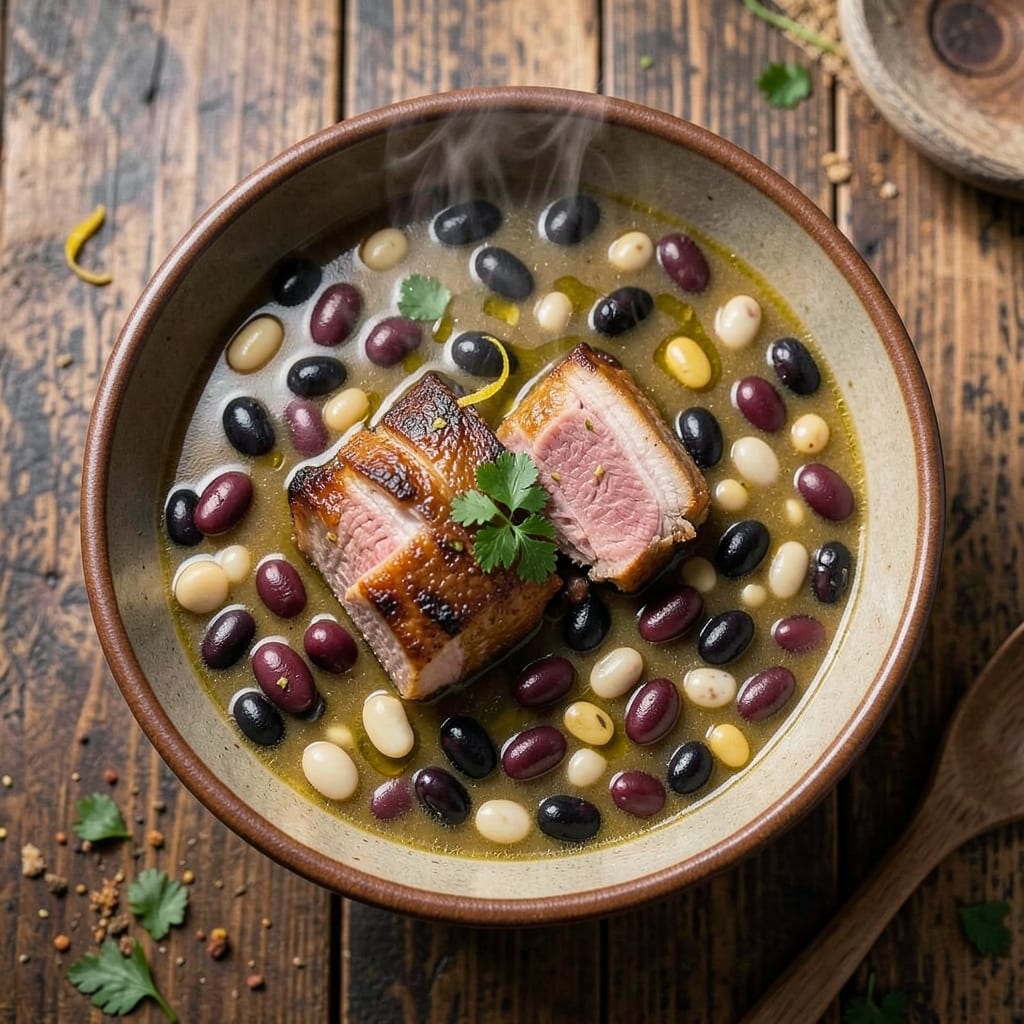
This 15 bean soup recipe with pork delivers the ultimate comfort food experience—rich, hearty, and packed with protein in every spoonful. The slow-simmered magic transforms tough pork and dried beans into tender, flavorful bites that practically melt in your mouth. I've perfected this recipe over years of family gatherings, where it consistently earns rave reviews for its smoky depth and satisfying texture.
The beauty of this soup lies in its simplicity: just one pot, minimal prep, and hours of simmering that develop complex flavors without requiring constant attention. The pork adds savory richness while the combination of 15 different beans creates a perfect balance of textures—creamy navy beans, hearty kidney beans, and delicate lima beans all working together. This is the kind of dish that tastes even better the next day, making it ideal for meal prep.
What makes this recipe truly special is the smoky depth achieved through careful seasoning and slow cooking. The pork develops a tender yet firm texture, while the beans absorb all the aromatic flavors from the broth. Each spoonful delivers a perfect harmony of savory, slightly sweet, and smoky notes that will have everyone asking for seconds. The soup's hearty nature makes it a complete meal on its own, perfect for chilly evenings or family dinners.
Serve with crusty bread to soak up every last drop of that flavorful broth, or pair it with a simple green salad for a balanced meal. The leftovers reheat beautifully, making this an excellent make-ahead dish. Let's get started on creating this comforting classic that brings warmth to any table.
Ingredients for 15 bean soup recipe with pork
Six pounds of flavor-packed ingredients for that legendary 15 bean soup with smoky pork goodness.
| Ingredient | Amount | Notes |
|---|---|---|
| Pork Shoulder 🍖 | 2 lb | Bone-in, cut into 1-inch cubes |
| Navy Beans 🌾 | 1 cup | Dried, soaked overnight |
| Kidney Beans 🌾 | 1 cup | Dried, soaked overnight |
| Lima Beans 🌾 | 1 cup | Dried, soaked overnight |
| Black Beans 🌾 | ½ cup | Dried, soaked overnight |
| Great Northern Beans 🌾 | ½ cup | Dried, soaked overnight |
| Pinto Beans 🌾 | ½ cup | Dried, soaked overnight |
| Chickpeas 🌾 | ½ cup | Dried, soaked overnight |
| Split Peas 🌾 | ½ cup | Dried, soaked overnight |
| Cranberry Beans 🌾 | ¼ cup | Dried, soaked overnight |
| Lentils 🌾 | ¼ cup | Dried, green or brown |
| Onion 🧅 | 1 whole | Yellow, chopped |
| Carrot 🥕 | 2 whole | Medium, chopped |
| Celery Stalks 🥬 | 3 whole | Chopped |
| Garlic Cloves 🧄 | 4 cloves | Minced |
| Tomato Paste 🍅 | ½ cup | Squeeze tube preferred |
| Beef Broth 💧 | 4 cups | Low-sodium preferred |
| Apple Cider Vinegar 🍎 | 1 tbsp | For tangy depth |
| Smoked Paprika 🌶️ | 1 tbsp | For smoky flavor |
| Ground Cumin 🌿 | 1 tsp | Toasted for warmth |
| Bay Leaves 🍃 | 2 whole | Fresh if possible |
| Salt 🧂 | 1 ½ tsp | Kosher or sea salt |
| Black Pepper 🌶️ | ½ tsp | Freshly ground |
The pork shoulder is your secret weapon here—bone-in for extra flavor. Grab it from the butcher counter if you can, or the pre-cut pork shoulder at Costco works perfectly. Look for good marbling; that's what makes it tender and juicy. The beans? Dried is non-negotiable—canned lacks that deep, developed flavor. Soak them overnight in plenty of water (about 8 cups for all the beans combined), then drain before adding to the pot. I always double-check the bean varieties at Whole Foods or the bulk section of regular grocery stores—Bob's Red Mill has a great selection if you're unsure which to pick.
No smoked paprika? Substitute with 1 tsp regular paprika plus 1/2 tsp liquid smoke—it's a game-changer. Fresh bay leaves? Dried works at half the amount, but fresh adds that subtle aroma. Running low on beef broth? Chicken broth with 1/2 cup tomato paste keeps it hearty. The apple cider vinegar might seem odd, but it cuts through the richness and balances the smokiness. Pro tip: toast your cumin seeds in a dry pan for 30 seconds before grinding—worth the extra minute. And if you're short on time, use canned beans (drained and rinsed) but add them at the end to avoid mushiness.
This soup gets better with time—3-4 days in the fridge is ideal, with flavors deepening each day. Freeze portions in airtight containers for up to 6 months. I always make a double batch because it disappears fast. The broth thickens as it cools, so add a splash of water when reheating. Serve with crusty bread to soak up every last drop of that smoky, savory goodness. Leftovers reheat beautifully—just stir in a splash of water if it gets too thick.
Why You'll Love This Recipe
- No Chopping Nightmare: I swear by this recipe because you can literally dump everything raw into one pot—no pre-soaking beans, no fancy prep. The pork shoulder falls apart on its own, and the beans soften while you sip your coffee. Honestly, I’ve made it after work when I’m too tired to think.
- Pork & Beans Magic: That slow-cooked pork shoulder turns tender enough to shred with a fork, while the lima beans add a buttery richness the others don’t. Between us, the smoky depth from the bacon bits (yes, I add those) makes this taste like a hug in a bowl—especially when you crack open a crusty loaf.
- Meal Prep MVP: This soup begs to be made in bulk. I double the batch on Sundays, freeze half, and still have leftovers for days. My college-aged son brings it back for seconds—no joke—and it’s just as good reheated as it is fresh. (Yes, even on a Tuesday night.)
- Budget-Friendly Feast: Pork shoulder is cheap, beans are dirt, and this recipe stretches to feed six for under $15. I’ll be real: my grocery budget thanks me every time. Plus, the leftovers turn into next-day tacos or a quick fried rice—zero waste, all flavor.
Step-by-step instructions for 15 bean soup with pork
Transform these humble ingredients into a hearty, smoky masterpiece that'll have everyone asking for seconds.
🍳 Step 1: Brown the Pork Shoulder for Maximum Flavor
Heat a large Dutch oven over medium-high heat until hot. Add the 2 lb pork shoulder in a single layer, being careful not to overcrowd the pan. Let it sear undisturbed for 5-7 minutes until a deep golden-brown crust forms on all sides. This step creates the rich foundation for your soup.
Once browned, remove the pork and set it aside on a plate. You'll notice the pork releases its rendered fat into the pot—don't wipe it out. This fat carries incredible flavor that will infuse your entire soup. If needed, work in batches to ensure proper browning without steaming.
👨🍳 Step 2: Sauté the Vegetable Base
In the same Dutch oven, add the chopped 1 whole onion, 2 whole carrots, and 3 whole celery stalks. Cook over medium heat for 8-10 minutes, stirring occasionally, until the vegetables soften and the onion becomes translucent. This process builds flavor through the Maillard reaction.
Add the 4 cloves minced garlic and cook for another 30 seconds until fragrant. Here's the thing—don't let the garlic burn. It should smell heavenly but not bitter. If it starts to darken too quickly, reduce the heat slightly. This aromatic base will carry all the smoky flavors through your soup.
🥘 Step 3: Combine All Beans and Seasonings
Return the browned pork to the Dutch oven. Add all the soaked beans: 1 cup navy beans, 1 cup kidney beans, 1 cup lima beans, 0.5 cup black beans, 0.5 cup great northern beans, 0.5 cup pinto beans, 0.5 cup chickpeas, 0.5 cup split peas, 0.25 cup cranberry beans, and 0.25 cup lentils. Stir gently to combine.
Add the 0.5 cup tomato paste, 1 tbsp smoked paprika, 1 tsp ground cumin, 2 whole bay leaves, 1.5 tsp salt, and 0.5 tsp black pepper. Pour in the 4 cups beef broth and 1 tbsp apple cider vinegar. Give everything a thorough stir, making sure all the beans are submerged in the liquid.
🔥 Step 4: Simmer Until Beans Are Tender
Bring the mixture to a boil over high heat, then immediately reduce to a gentle simmer. Cover the pot and let it cook for 2-2.5 hours, stirring occasionally and adding water as needed to maintain the liquid level. The beans should be fork-tender with no bite remaining.
I know it seems like a long time, but patience is key here. The beans need this slow cook to break down properly and absorb all those smoky flavors. You'll know they're done when they're soft but still hold their shape, and the pork is falling off the bone easily. This is where the magic happens—all those different beans and the pork working together in harmony.
⏰ Step 5: Rest and Adjust the Soup
Once everything is tender, remove the pot from heat and let the soup rest for 10 minutes. This resting period allows the flavors to meld together and the pork to reabsorb some of its juices. Remove and discard the bay leaves before serving.
Taste your soup and adjust the seasoning if needed. You might need a bit more salt or vinegar to balance the flavors. The soup should be rich, smoky, and hearty with that perfect blend of bean textures. Serve with crusty bread to soak up every last drop of that flavorful broth!
Pro Tips For Making 15 Bean Soup Recipe With Pork
- Sear the Pork First: Don’t just toss in raw pork shoulder—get it browned in a hot pot with a little oil first. The crust locks in flavor and keeps the meat from turning into mush later. (Yes, it takes 5 extra minutes, but your soup will taste like you slaved over it.)
- Sort and Soak Beans: Pick through dried beans for rocks or shriveled bits before soaking, and use a 3:1 water-to-bean ratio overnight. Lima beans need extra attention—soak them separately for 8 hours or they’ll stay tough. (I learned this the hard way when my first batch had a few gritty surprises.)
- Don’t Crowd the Pot: Simmer beans in batches if needed—packing them in too tight makes them turn to glue. Aim for a 2-inch headspace above the liquid, and stir occasionally to prevent scorching. (Your future self will thank you when the texture isn’t sad.)
- Add Pork Back Late: Remove the pork shoulder when it’s just fork-tender, then shred it and toss it in the last 15 minutes of cooking. This keeps it from drying out in the long simmer. (I used to add it early, and the result was always disappointingly dry.)
Pro cooking tips for perfect results
Pork Browning Mastery
Don't rush the pork searing—this is where all the magic starts. Use a large Dutch oven (like the All-Clad Stainless Steel) and work in batches if needed to avoid steaming. The goal is a deep golden-brown crust that develops through the Maillard reaction—this creates complex flavors that infuse your entire soup. I recommend using bone-in pork shoulder from the butcher section for maximum flavor. 🔥
Bean Soaking Secrets
Overnight soaking is non-negotiable for tender beans, but I've got a pro tip: Change the water twice during soaking for even better texture. Use 8 cups water for all beans combined, and add 1 tsp baking soda to help remove any impurities. This step reduces cooking time by about 30 minutes and prevents that mushy texture we all hate. 💫
Smoky Depth Development
The smoked paprika and apple cider vinegar combo is what makes this soup sing. Toast the cumin seeds in a dry pan for 30 seconds before grinding to release their essential oils—this adds an extra layer of warmth. For even more depth, add 1/2 tsp liquid smoke when combining all ingredients. The vinegar might seem odd, but it brightens the rich flavors and cuts through the fat beautifully. ✨
Simmering Perfection
Maintain a gentle simmer (small bubbles at the edge) throughout the 2-2.5 hour cooking time. If the soup reduces too much, add hot water (not cold) to maintain the liquid level—this prevents the beans from drying out. I like to check the beans at 1.5 hours and adjust cooking time based on their tenderness. The pork should be falling apart easily when done. 💪
Flavor Balancing
After resting, taste your soup and adjust seasonings. Most likely, you'll need another 1/2 tsp salt and 1/2 tsp vinegar to balance the rich flavors. The beans should be tender but still hold their shape—overcooking turns them mushy. If the broth is too thick, add 1/2 cup water when reheating. This soup tastes even better the next day as flavors meld together perfectly. 💛
Equipment Essentials
Invest in a high-quality Dutch oven (I love the Le Creuset Stoneware) for even heat distribution. A meat thermometer helps track pork doneness—aim for 195°F internal temperature for tender, juicy meat. For stirring, use a wooden spoon to prevent scratching your pot. And don't forget a fine-mesh strainer if you want to serve the beans separately for a cleaner presentation. ⚡
Nutrition facts
Frequently asked questions
Can I substitute chicken or turkey for the pork in this recipe?
Use 2 lb boneless, skinless chicken thighs or 2 lb ground turkey instead of pork. Chicken thighs work best as they stay juicy during long cooking. For ground turkey, brown it thoroughly first to develop flavor. The cooking time remains the same, but chicken may cook slightly faster—check at 1.5 hours for tenderness.
How do I make this soup vegetarian?
Replace the pork with 2 cups extra beans or 1 lb mushrooms (sautéed first). Use vegetable broth instead of beef broth and add 1 tbsp soy sauce or 1 tsp miso paste for umami depth. The cooking time remains the same, but stir occasionally to prevent sticking. The beans will still be hearty and flavorful!
Why do my beans turn out mushy? What am I doing wrong?
Mushy beans usually happen from overcooking or improper soaking. Always soak beans overnight (change water twice) and don't skip the 10-minute rest after cooking. Check beans at 1.5 hours—they should be tender but still hold shape. If using canned beans, add them only in the last 30 minutes of cooking to preserve texture.
Can I make this soup in a slow cooker?
Yes! Brown the pork and sauté veggies first, then transfer everything to a 6-quart slow cooker. Cook on low for 8 hours or high for 4 hours. The slow cooker maintains gentle heat perfectly, but stir occasionally to prevent sticking. The flavors will develop beautifully—just add a splash of water if needed to keep it moist.
What's the best way to store and reheat leftovers?
Store in airtight containers in the fridge for up to 5 days or freeze for 3 months. To reheat, warm on the stove over medium-low heat, stirring occasionally. Add 1/4 cup water if the soup thickens too much. The flavors actually improve overnight, so leftovers often taste even better!