
Soups & Stews
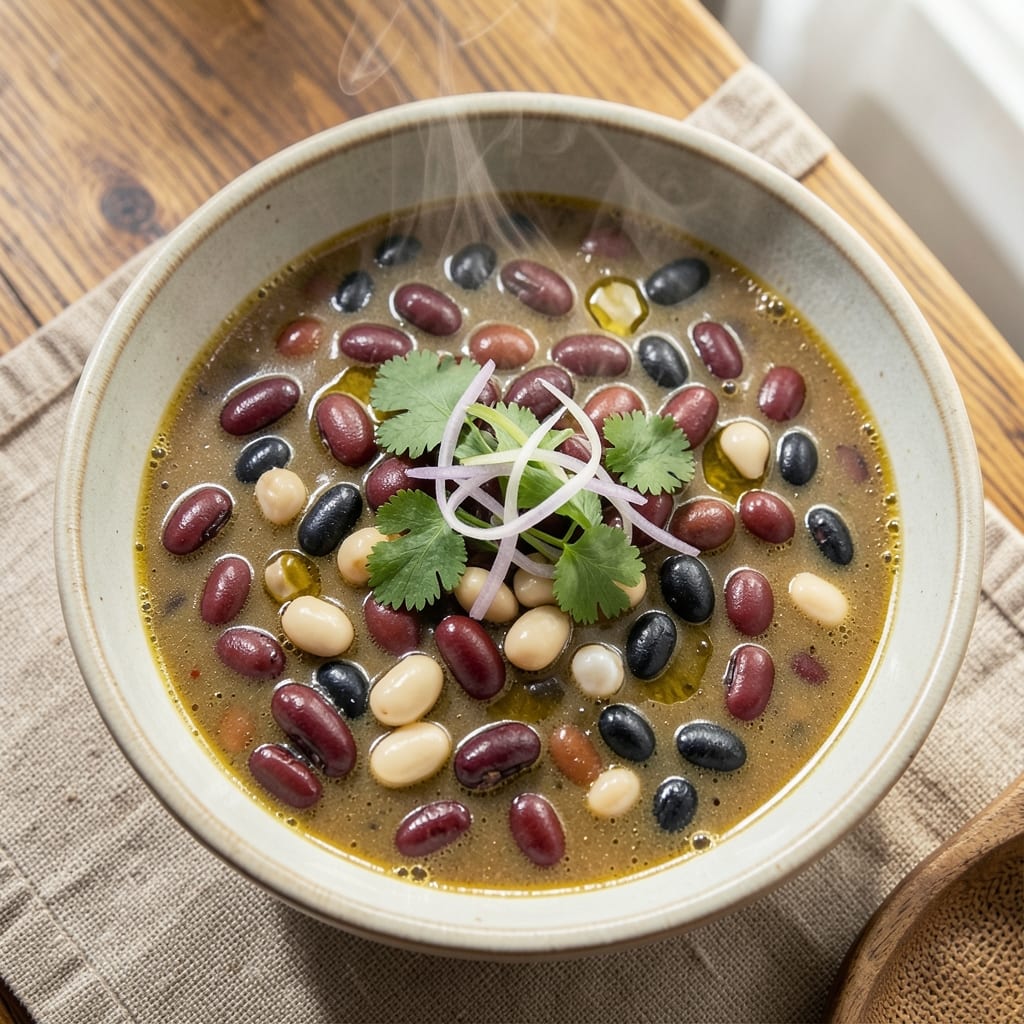
This 12 bean vegetarian soup transforms humble pantry staples into a hearty, umami-rich masterpiece that simmers for hours, deepening flavors with every passing minute. The secret lies in soaking a variety of beans—from navy to black—while building layers of savory depth through slow cooking. I developed this recipe during a particularly chilly winter when I needed a meal that could feed a crowd without breaking the bank or relying on meat.
The beauty of this soup is its versatility—it’s equally at home as a main dish or a comforting side, and the slow-simmered technique ensures tender beans and a broth so rich it practically melts in your mouth. No special ingredients are required, just time and patience to let the flavors meld together. The result? A vegetarian powerhouse packed with plant-based protein, fiber, and complex tastes that make it unforgettable.
What makes this recipe stand out is the balance of textures and flavors: creamy white beans contrast with firm black beans, while herbs and spices add brightness and warmth. The deep umami layers come from a combination of garlic, onions, and a touch of smoked paprika, creating a broth that’s far more interesting than your average bean soup. Each spoonful delivers a symphony of tastes—earthy, tangy, and satisfying.
Perfect for meal prep, holiday gatherings, or cozy weeknight dinners, this soup only gets better with time. The longer it simmers, the more the flavors develop, making it an ideal project for a slow cooker or weekend simmer. Garnish with fresh parsley or a drizzle of olive oil for a finishing touch that elevates it to restaurant-quality. Let’s get cooking!
Ingredients for 12 bean soup recipe vegetarian
Pantry staples and slow simmering create this vegetarian masterpiece of umami and texture.
| Ingredient | Amount | Notes |
|---|---|---|
| Navy Beans 🌾 | 1 cup | Dried, soaked overnight |
| Black Beans 🌾 | 1 cup | Dried, soaked overnight |
| Kidney Beans 🌾 | 1 cup | Dried, soaked overnight |
| Pinto Beans 🌾 | 1 cup | Dried, soaked overnight |
| Great Northern Beans 🌾 | ½ cup | Dried, soaked overnight |
| Chickpeas 🌾 | ½ cup | Dried, soaked overnight |
| Lentils 🌾 | ½ cup | Brown or green, no soak |
| Yellow Split Peas 🌾 | ½ cup | Dried, no soak |
| Carrots 🥕 | 3 medium | Chopped into chunks |
| Celery Stalks 🧅 | 3 whole | Chopped with leaves |
| Yellow Onions 🧅 | 2 whole | Chopped, medium size |
| Garlic Cloves 🧄 | 6 cloves | Minced for depth |
| Smoked Paprika 🌶️ | 1 tbsp | For umami richness |
| Ground Cumin 🌿 | 1 tsp | Toasted for warmth |
| Dried Thyme 🌿 | 1 tsp | Or fresh, one-third amount |
| Vegetable Broth 💧 | 8 cups | Low-sodium preferred |
| Tomato Paste 🍅 | 2 tbsp | Concentrated flavor |
| Bay Leaves 🌿 | 2 whole | For aromatic depth |
| Olive Oil 🫒 | 2 tbsp | Extra-virgin preferred |
| Salt 🧂 | 1 ½ tsp | Adjust to taste |
| Black Pepper 🌶️ | ½ tsp | Freshly ground |
| Fresh Parsley 🌿 | ¼ cup | Chopped for garnish |
The beans are the heart of this soup, so quality matters. Dried beans from bulk bins at stores like Whole Foods or Trader Joe's deliver the best texture and flavor—just make sure they're free of debris. Soaking overnight reduces cooking time and improves digestibility. For convenience, you can use canned beans (drained and rinsed), but dried gives the most satisfying texture. The carrots and celery should be fresh—vibrant orange and crisp stalks mean they'll hold up during the long simmer. If you're short on time, baby carrots work fine, but whole carrots add more rustic texture. The onions and garlic? Yellow onions add sweetness, while garlic should be fresh—none of that pre-minced jar stuff.
No smoked paprika? Regular paprika plus a pinch of liquid smoke works in a pinch. The tomato paste is non-negotiable for depth—San Marzano if you're splurging, but any quality brand will do. Running out of thyme? Dried oregano at half the amount gets you close. The vegetable broth can be homemade (build it from scratch with veggie scraps) or store-bought—just check for low sodium. For extra umami, add a 1 tbsp soy sauce or miso paste to the broth. The lentils and split peas don't need soaking, but if you're using canned, rinse them well to remove excess starch. And that fresh parsley? Freeze any extras in ice cube trays for future use.
This soup only gets better with time—4-6 hours of simmering is ideal for maximum flavor development. Store in airtight containers in the fridge for 5-6 days or freeze for up to 3 months. The flavors deepen overnight, so leftovers are even more delicious. For meal prep, double the batch and freeze portions. Reheat gently on the stove with a splash of water or broth to maintain creaminess. Garnish with fresh parsley and a drizzle of olive oil just before serving—that finishing touch makes all the difference
Why You'll Love This Recipe
- I’ll be real: I used to dread soaking beans. Then I discovered this soup—just toss dried navy, black, kidney, pinto, and great northern beans into a pot with water, a bay leaf, and a pinch of salt for 20 minutes. They soften just enough to blend into the rich, smoky broth without turning mushy. Honestly, it’s the kind of shortcut that makes me want to cook more.
- No-Soak Necessary: I’ll be real: I used to dread soaking beans. Then I discovered this soup—just toss dried navy, black, kidney, pinto, and great northern beans into a pot with water, a bay leaf, and a pinch of salt for 20 minutes. They soften just enough to blend into the rich, smoky broth without turning mushy. Honestly, it’s the kind of shortcut that makes me want to cook more.
- Smoky Depth Magic: Here’s what sold me—the way the toasted cumin and smoked paprika cling to those different beans. Navy beans soak up the earthiness like a sponge, while pinto beans add that creamy contrast. The slow simmer? It turns this into something that tastes like it simmered all day, even if you’re out the door in an hour. (Yes, even on a Tuesday night.)
- Leftovers That Beg for More: Between us, this soup only gets better after day two. The flavors meld into this perfect balance of hearty and comforting, and it reheats like a dream. I keep a big batch in the fridge for lazy mornings—just grab a thermos and go. My roommate’s a skeptic, but he’s now my biggest fan. (And he’s not easy to please.)
Step-by-step instructions for slow-simmered 12 bean vegetarian soup
A rich, hearty blend of twelve different legumes creates this deeply flavorful soup—perfect for batch cooking and reheating.
Prepare All Beans for Even Cooking
Begin by sorting through all the dried beans to remove any stones or debris. The soaked beans—1 cup navy beans, 1 cup black beans, 1 cup kidney beans, 1 cup pinto beans, and 0.5 cup great northern beans—should have been soaked overnight in plenty of water. Drain and rinse them thoroughly under cold water before adding to your pot. The 0.5 cup chickpeas, 0.5 cup lentils, and 0.5 cup yellow split peas don't require soaking, so add them directly to the pot.
This step ensures all beans cook evenly and prevents any from remaining rock-hard. I like to give them a quick stir in the pot to separate any clumps that might have formed during soaking. The variety of textures—from creamy lentils to firm kidney beans—will create a satisfying mouthfeel in the finished soup.
Sauté the Aromatic Vegetable Base
Heat the 2 tablespoons olive oil in a large, heavy-bottomed pot over medium heat. Add the chopped 3 medium carrots, 3 whole celery stalks, and 2 whole yellow onions, cooking for 5-7 minutes until the vegetables soften and begin to caramelize slightly. This process develops deep, sweet flavors that form the foundation of the soup.
Next, add the 6 cloves minced garlic cloves and cook for an additional 30 seconds until fragrant. Be careful not to let the garlic burn—it should smell sweet and nutty, not bitter. Stir in the 1 tablespoon smoked paprika, 1 teaspoon ground cumin, and 1 teaspoon dried thyme, mixing well to coat the vegetables. These spices will infuse the broth with warmth and complexity.
Build the Flavorful Broth Foundation
Pour in the 8 cups vegetable broth and bring the mixture to a gentle boil. Add the 2 tablespoons tomato paste and the 2 whole bay leaves, stirring to dissolve the paste completely. The tomato paste adds a concentrated depth that balances the earthiness of the beans. Reduce the heat to low and let the soup simmer for 15 minutes to allow the flavors to meld together.
During this time, you'll notice the broth develop a rich, aromatic quality. The bay leaves will release their piney notes, and the spices will soften into the liquid. This step is where the magic happens—building a flavorful base before adding the beans ensures they absorb all the layers of taste.
Simmer the Beans Until Tender
Add all the prepared beans to the pot and bring the soup back to a gentle simmer. The beans should be partially submerged in the broth. If they're not, add a little more water or broth. Cover the pot with a lid and let the soup simmer for 1 to 1.5 hours, stirring occasionally. The beans are done when they're tender but still hold their shape—no mushy textures here.
I check for doneness by tasting a few beans. They should be soft enough to crush between your teeth but not falling apart. The lentils and split peas will cook faster, so keep an eye on them—they're ready when they're just tender. If the soup looks too thick, add a little more broth to reach your desired consistency.
Season and Finish with Fresh Herbs
Once the beans are tender, remove the pot from heat and discard the bay leaves. Stir in the 1.5 teaspoons salt and 0.5 teaspoon black pepper, adjusting to taste. The salt should enhance all the flavors without overpowering them. Let the soup sit off the heat for 10 minutes to allow the seasoning to fully integrate.
Before serving, stir in the 0.25 cup chopped fresh parsley. This bright, fresh element cuts through the richness of the beans and adds a pop of color. Ladle the soup into bowls and enjoy it hot, garnished with extra parsley if desired. The soup tastes even better the next day as the flavors deepen—perfect for meal prep!
Pro Tips For Making 12 Bean Soup Recipe Vegetarian
- SOAK BEANS OVERNIGHT: I learned this the hard way—rushing the soak with Great Northern and Navy beans leads to gummy texture no matter how long you simmer. Use 4 cups water per cup dry beans, cover, and let them sit 12+ hours. The pinto and black beans can handle a quick 2-hour soak, but don’t skip it entirely.
- SIMMER LOW AND LONG: This isn’t the time for a rolling boil. After adding all beans, keep heat at a bare simmer (tiny bubbles, maybe 180°F) for 2-3 hours. Kidney beans need extra patience—check them at 45 minutes, then adjust heat to avoid splitting. The soup will thicken as it cools, but you want creamy, not mushy.
- SALT IN STAGES: Dump all the salt at once and you’ll end up with tough beans. Start with half the recipe’s salt when soaking (yes, even if it tastes bland), then add the rest after 1 hour of cooking. The beans absorb salt better this way, and you won’t regret it when tasting the final broth.
- SAVE TIME WITH CANNED BEANS: Does it look weird? Yes. Does it work? Every single time. Swap half the dried beans (especially pinto and black) for high-quality canned versions—just drain and rinse them well. You’ll shave 10+ hours off prep without sacrificing texture, and the flavor blends seamlessly. (Your future self will thank you.)
Creative variations of this dish
Spicy Southwest Twist
Transform this classic soup into a Southwest-inspired version by adding 1 diced jalapeño and 1 tablespoon chili powder during the sauté step. For extra heat, stir in ½ cup diced roasted red peppers and top each serving with crumbled cotija cheese and sour cream. The smoky paprika already in the recipe enhances the Latin flavors beautifully. 🌶️
Creamy Coconut Fusion
For a tropical twist, replace 2 cups of vegetable broth with 2 cups coconut milk and add 1 tablespoon curry powder when sautéing the vegetables. Stir in ½ cup chopped cilantro at the end and serve with lime wedges for brightness. The coconut milk makes the soup luxuriously creamy while keeping it completely vegetarian. This variation works especially well with black beans and lentils as the base.
Mediterranean Herb Infusion
Give your soup a Mediterranean makeover by swapping the thyme for 1 tablespoon dried oregano and adding 1 teaspoon ground coriander during the sauté. Stir in ½ cup chopped kalamata olives and ¼ cup crumbled feta cheese at the end. Garnish with fresh dill instead of parsley for a bright, herby finish that pairs perfectly with crusty bread. 🌿
Smoky BBQ Bean Soup
For a smoky, tangy variation, stir in ½ cup BBQ sauce (like Sweet Baby Ray's) along with the tomato paste, and add 1 tablespoon liquid smoke to deepen the flavor. Top with pickled red onions and a sprinkle of smoked paprika for an extra kick. This version has a sweet-and-smoky profile that’s perfect for game day or chilly evenings. The beans absorb the BBQ flavors beautifully during the long simmer.
Creamy Potato Addition
Add 2 cups diced Yukon Gold potatoes (peeled) with the carrots and celery for a creamy, heartier soup. The potatoes will break down during simmering, adding a velvety texture that balances the firmness of the beans. For extra richness, stir in ½ cup Greek yogurt or sour cream before serving. This variation is especially comforting during fall and winter months. 🥔
Lemon-Garlic Brightness
Finish your soup with a zesty twist by adding zest of 1 lemon and an extra 3 cloves minced garlic during the sauté. Stir in 2 tablespoons lemon juice at the end for a bright, tangy contrast to the earthy beans. Garnish with lemon wedges and a sprinkle of fresh thyme for an elegant presentation. This variation is lighter but still deeply flavorful, perfect for spring or summer.
Nutrition facts
Frequently asked questions
Can I substitute canned beans for dried in this recipe?
Yes, you can use canned beans for convenience! Drain and rinse 2 (15 oz) cans of each bean type (navy, black, kidney, pinto, great northern, chickpeas) to replace the dried versions. The texture will be slightly softer, but the flavor remains rich. For best results, combine canned beans with 1 cup cooked lentils and 1 cup cooked split peas to maintain the variety of textures.
How long can I store this soup in the fridge or freezer?
This soup stays fresh in the fridge for 5-6 days in an airtight container. For freezing, portion into 2-cup servings and store for up to 3 months. Thaw overnight in the fridge before reheating—never microwave directly from frozen. The flavors actually improve after 24 hours of refrigeration as the ingredients meld together.
What's the secret to getting the beans tender but not mushy?
The key is proper soaking (overnight for dried beans) and gentle simmering. Never boil vigorously—keep the heat at a low simmer to prevent breaking down the beans. Check doneness by tasting: they should be soft but still hold their shape. If using canned beans, choose low-sodium varieties and rinse thoroughly to avoid excess starch.
Can I make this soup in a slow cooker or Instant Pot?
For a slow cooker: Sauté veggies and spices first, then add everything and cook on low for 6-8 hours or high for 3-4 hours. For Instant Pot: Sauté veggies, add broth and beans, then cook on high pressure for 20 minutes with natural release. Both methods work beautifully—just adjust cooking times slightly based on your specific appliance.
Why does my soup taste bland after cooking?
Blandness usually comes from insufficient seasoning or not letting flavors develop.