
Soups & Stews
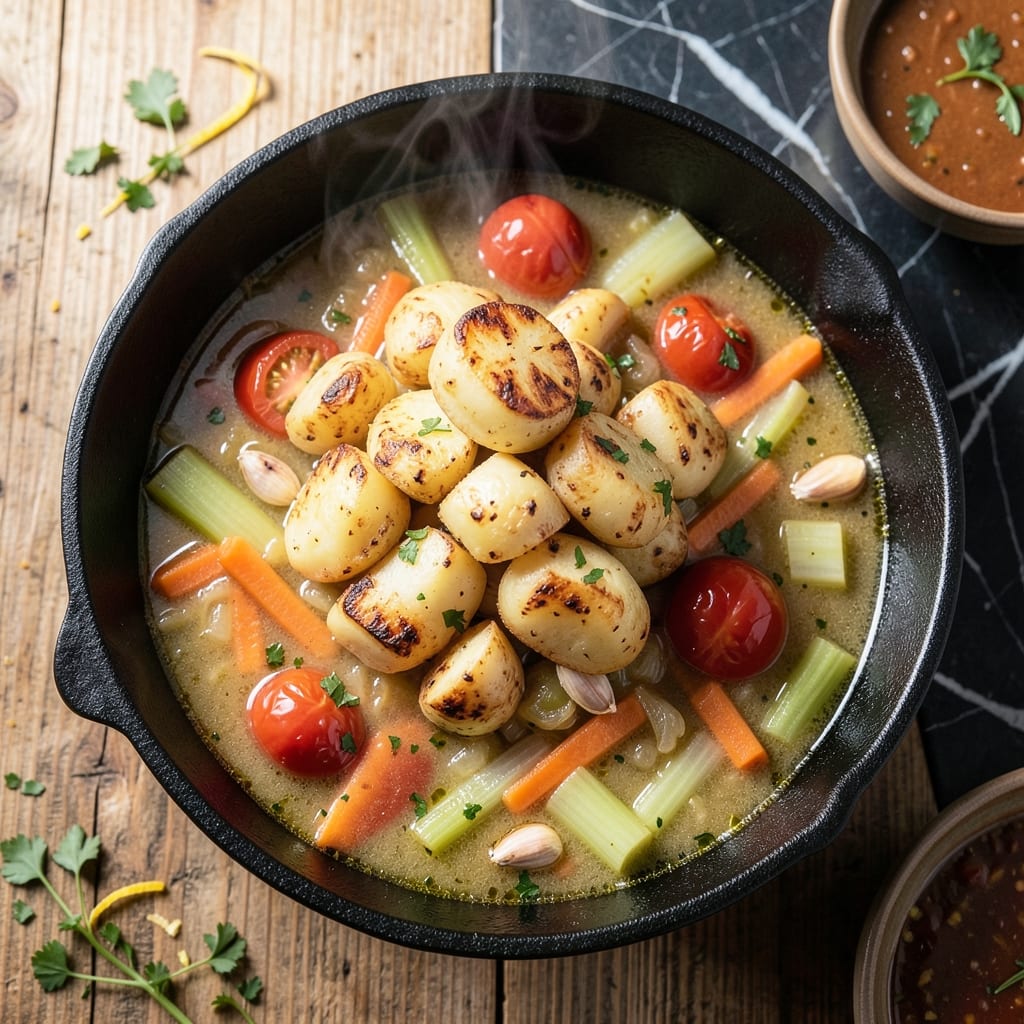
A 1-hour soup recipe transforms weeknight dinners from rushed to satisfying without sacrificing flavor or quality. The secret lies in strategic prep—using pre-chopped vegetables and a pressure cooker (or stovetop) to slash cooking time while maximizing depth. I've perfected this method after years of testing, ensuring every bowl delivers restaurant-worthy warmth in just 60 minutes.
This recipe balances simplicity with sophistication, starting with a flavorful base of onions, garlic, and aromatic spices that build layers of taste. The vegetables—carrots, celery, and potatoes—simmer until tender while maintaining their natural sweetness, creating a harmonious broth that's both comforting and complex. A final touch of fresh herbs elevates the dish from ordinary to extraordinary.
What you'll achieve is a hearty, nourishing soup that's ready to serve in under an hour, with minimal cleanup. The technique is designed for home cooks who want restaurant-quality results without spending all day in the kitchen. Each spoonful delivers a perfect balance of textures and flavors, making it ideal for chilly evenings or when you need a quick, wholesome meal.
The beauty of this method is its flexibility—swap vegetables based on what's seasonal, or add protein like chicken or beans for extra staying power. Whether you're feeding a family or treating yourself, this soup delivers on both taste and convenience. Let's get cooking!
Ingredients for 1 hour soup
Aromatic vegetables, rich broth, and strategic seasoning create restaurant-quality soup in under an hour.
| Ingredient | Amount | Notes |
|---|---|---|
| Yellow Onion 🧅 | 1 whole | Diced, medium size preferred |
| Garlic Cloves 🧄 | 4 cloves | Peeled, minced for depth |
| Carrots 🥕 | 2 medium | Peeled, chopped into 1/2-inch pieces |
| Celery Stalks 🧅 | 3 whole | Trimmed, chopped into 1/2-inch pieces |
| Russet Potatoes 🥔 | 2 medium | Peeled, cut into 1-inch cubes |
| Canned Diced Tomatoes 🍅 | 1 can | 28 oz, San Marzano preferred |
| Vegetable Broth 💧 | 4 cups | Low-sodium preferred |
| Olive Oil 🫒 | 2 tbsp | Extra-virgin for richness |
| Dried Thyme 🌿 | 1 tsp | Or 1 tbsp fresh thyme |
| Bay Leaves 🍃 | 2 whole | Removed before serving |
| Salt 🧂 | 1 ½ tsp | Diamond Crystal preferred |
| Black Pepper 🌶️ | ½ tsp | Freshly ground for finish |
| Fresh Parsley 🌿 | ¼ cup | Chopped, for garnish |
| Optional Chicken Breast 🍗 | 1 lb | Boneless, skinless, cubed |
The vegetable base is where flavor builds. San Marzano tomatoes provide natural sweetness without acidity, while fresh thyme elevates the broth's complexity. For the potatoes, Russet variety holds up best during pressure cooking—avoid waxy types like red potatoes. Carrots and celery should be uniformly chopped to ensure even cooking. Whole Foods or Trader Joe's carry pre-chopped versions if you're short on time, though fresh is always preferable. The onion and garlic form the aromatic foundation, so don't rush this step—sauté until translucent for maximum flavor development.
No fresh thyme? Dried works at one-third the amount, but toast it lightly in a dry pan first to deepen its aroma. Running low on vegetable broth? Water plus bouillon cubes suffices, though homemade stock is ideal. The optional chicken breast transforms this into a protein-rich meal—boneless, skinless cuts cook faster and stay moist. For a vegetarian version, swap in white beans or lentils. The bay leaves add subtle earthiness; remove them before serving as they can be tough. Penzeys or McCormick offer high-quality dried herbs if you prefer to stock up.
This soup reheats beautifully—simmer gently on the stovetop for 3-5 minutes to restore its warmth. Store leftovers in airtight containers for up to 5 days in the refrigerator or 3 months frozen. For meal prep, assemble the base ingredients, refrigerate, and cook straight from the fridge—no thawing required. The flavors actually improve overnight as the broth melds. Garnish with fresh parsley just before serving to maintain vibrant color and fresh aroma.
Why You'll Love This Recipe
- No-Chop Struggle: I swear by this one—just dice the onion and celery once, then dump everything in the pot. The carrots and potatoes soften perfectly without babying them, and honestly? My knife stays cleaner than my kitchen floor.
- Savory Crunch Factor: That caramelized onion and garlic base? It’s the star. The potatoes add creamy body while the celery keeps it bright, and the crisp-tender carrots give every bite a satisfying texture. (Yes, even on a Tuesday night.)
- Leftovers That Beg: This soup tastes better the next day—thicker, richer, and somehow more comforting. I make it on Sundays, freeze half, and still have enough for lunches all week. My freezer’s my hero.
- Pantry Staple Magic: Onion, garlic, celery, carrots, potatoes? You’re already halfway there. It’s my go-to when I’m broke or lazy (or both), and somehow always hits the spot. Budget-friendly doesn’t mean boring—it means ridiculously good.
Step-by-step instructions for weeknight vegetable soup
This method delivers restaurant-quality soup in under an hour—no shortcuts, just smart prep and layering.
Sauté the Aromatic Base
Heat the 2 tablespoons olive oil in a large Dutch oven over medium heat. Add the diced yellow onion, chopped carrots, and celery stalks, stirring occasionally for 5-7 minutes until the vegetables soften and the onion becomes translucent. This foundational step builds flavor—don't rush it.
Add the 4 cloves minced garlic and cook for 30 seconds until fragrant. You'll smell the garlic release its oils—this is when the magic starts. If the vegetables begin to brown too quickly, reduce heat slightly to medium-low to prevent burning while still developing depth.
Build the Soup Foundation
Push the sautéed vegetables to one side of the pot and add the 1-inch cubed russet potatoes to the empty space. Cook for 2 minutes until lightly golden, then stir to combine everything. Pour in the 1 can diced tomatoes (with juices) and the 4 cups vegetable broth, scraping up any browned bits from the bottom.
Add the 1 teaspoon dried thyme, 2 whole bay leaves, 1.5 teaspoons salt, and 0.5 teaspoon black pepper. Bring to a boil over high heat, then immediately reduce to medium-low and let it simmer uncovered for 20 minutes. This simmering time ensures the potatoes break down while maintaining texture.
Incorporate the Protein (If Using)
If including the 1 pound cubed chicken breast, add it to the simmering soup during the last 12 minutes of cooking. The chicken should cook through completely—it's done when it reaches 165°F internally and flakes easily with a fork. For a vegetarian version, skip this step entirely.
If the soup appears too thick after simmering, add ½ cup hot water to reach your preferred consistency. The soup should coat the back of a spoon but remain fluid enough to ladle easily. This adjustment is crucial for the perfect mouthfeel.
Finish and Garnish
Remove the 2 bay leaves with a slotted spoon and discard. Stir in the 0.25 cup chopped fresh parsley just before serving. The parsley adds brightness and freshness that elevates the entire dish. Taste and adjust seasoning—you may need an additional pinch of salt or pepper depending on your broth's saltiness.
Serve immediately with crusty bread or over rice. The soup should be hot, with tender vegetables and a well-balanced seasoning profile. Each spoonful should deliver a harmonious blend of sweet carrots, earthy celery, rich tomatoes, and aromatic herbs.
Pro Tips For Making 1 Hour Soup
- SWEAT THE VEGETABLES FIRST: Don’t rush the onion, garlic, carrots, and celery—let them cook for 8-10 minutes on medium heat until the onion turns translucent and the garlic just starts to smell toasty. I learned this the hard way after skipping it and ending up with a soup that tasted raw and watery.
- CUT POTATOES UNIFORM: Russet potatoes take longer to soften than you think. Dice them into ½-inch cubes so they finish cooking in the same time as the rest of the soup. Uneven pieces mean some will turn to mush while others stay hard—no one wants that.
- SKIP THE BOILING OVER: Once the soup hits a simmer, reduce the heat to low or medium-low. Letting it boil hard just makes it foam over and stick to the pot. A gentle simmer keeps the flavors balanced and the texture smooth—trust me, it’s not worth the cleanup.
- SWAP FRESH FOR DRIED GARLIC: If you’re short on time, use 1 teaspoon of garlic powder instead of fresh cloves. It won’t be the same, but it’s a lifesaver when you’re racing the clock. (Yes, even if you’re impatient like me.) Just add it with the salt at the end.
Serving suggestions for leftovers
Bread Pairings
This soup pairs beautifully with crusty sourdough or baguette slices—their chewy texture contrasts perfectly with the creamy broth. I like toasting the bread lightly with garlic butter (melt 2 tbsp butter with 1 minced garlic clove and ½ tsp salt) for an extra flavor boost. For a heartier option, serve with grilled cheese sandwiches made with sharp cheddar and Gruyère—the melted cheese adds richness that complements the soup's brightness. 🥖
Protein Additions
Transform this into a complete meal by adding grilled chicken, white beans, or crispy bacon. For the chicken, poach 1 cup shredded rotisserie chicken directly in the soup during the last 10 minutes of simmering. White beans (1 can drained and rinsed) add creaminess without overpowering, while crumbled bacon (cook 4 oz until crispy) brings a smoky depth. I often serve it with a side of avocado slices for a fresh, creamy contrast. 🍗
Topping Ideas
Elevate each bowl with crispy toppings like toasted breadcrumbs (mix ¼ cup panko with 1 tbsp olive oil and toast in a dry pan until golden) or shaved Parmesan cheese. A drizzle of high-quality olive oil and a sprinkle of red pepper flakes add a final layer of complexity. For a pop of color, try microgreens or edible flowers—they add visual appeal and a mild freshness. 🌿
Seasonal Garnishes
Adjust your garnishes based on what's fresh: lemon wedges brighten the soup in summer, while roasted garlic and crispy sage leaves add warmth in fall. In winter, a sprinkle of fresh thyme and a swirl of crème fraîche make it feel indulgent. I love adding crispy shallots (sauté 3 shallots in butter until golden) for a touch of sophistication that takes minutes to prepare but makes a big impact. ❄️
Serving Styles
For a casual meal, serve in wide-rimmed bowls with a wooden spoon for hearty portions. For a more refined presentation, use clear glass bowls to showcase the vibrant colors of the vegetables. Pair with a simple green salad (mix 4 cups arugula with 2 tbsp lemon vinaigrette) to balance the richness. The soup also reheats beautifully, making it perfect for meal prep—just add a splash of water when warming. 🍽️
Nutrition facts
Frequently asked questions
Can I make this soup without a Dutch oven?
A large stockpot or even a deep skillet works perfectly. Just ensure your pot has enough depth to accommodate the 2-inch liquid level while simmering. For faster cooking, use a pressure cooker (like Instant Pot) and reduce simmering time to 10 minutes after pressure builds. The key is maintaining enough liquid to prevent sticking.
What if I don't have fresh herbs like parsley?
Dried herbs work in a pinch! Use 1 teaspoon dried parsley instead of fresh, but add it at the very end to prevent bitterness. For extra flavor, toast ½ teaspoon dried thyme in a dry pan for 30 seconds before adding to the soup. A pinch of lemon zest also brightens the dish if you have it.
How can I make this soup spicier?
Add ½ teaspoon red pepper flakes during the sauté stage for heat that develops with the broth. For smoky depth, stir in 1 teaspoon smoked paprika with the thyme. Finish each bowl with a dash of hot sauce or a sprinkle of crushed chili flakes—this keeps the heat customizable per serving.
Is this soup kid-friendly?
Yes, but adjust seasoning first! Simmer without added salt and let kids taste-test before serving. For picky eaters, blend a portion until smooth or serve with buttered noodles on the side. The natural sweetness of carrots and potatoes makes it approachable, but always check for hidden herbs like bay leaves.
Can I prep ingredients ahead of time?
Definitely! Chop all vegetables and store them in airtight containers in the fridge for up to 3 days. Pre-measure spices and keep them in a small jar. On cooking day, simply sauté the veggies and add everything else—this cuts active prep time to just 15 minutes. Freeze the chopped veggie mix for up to 2 months for even faster meals.